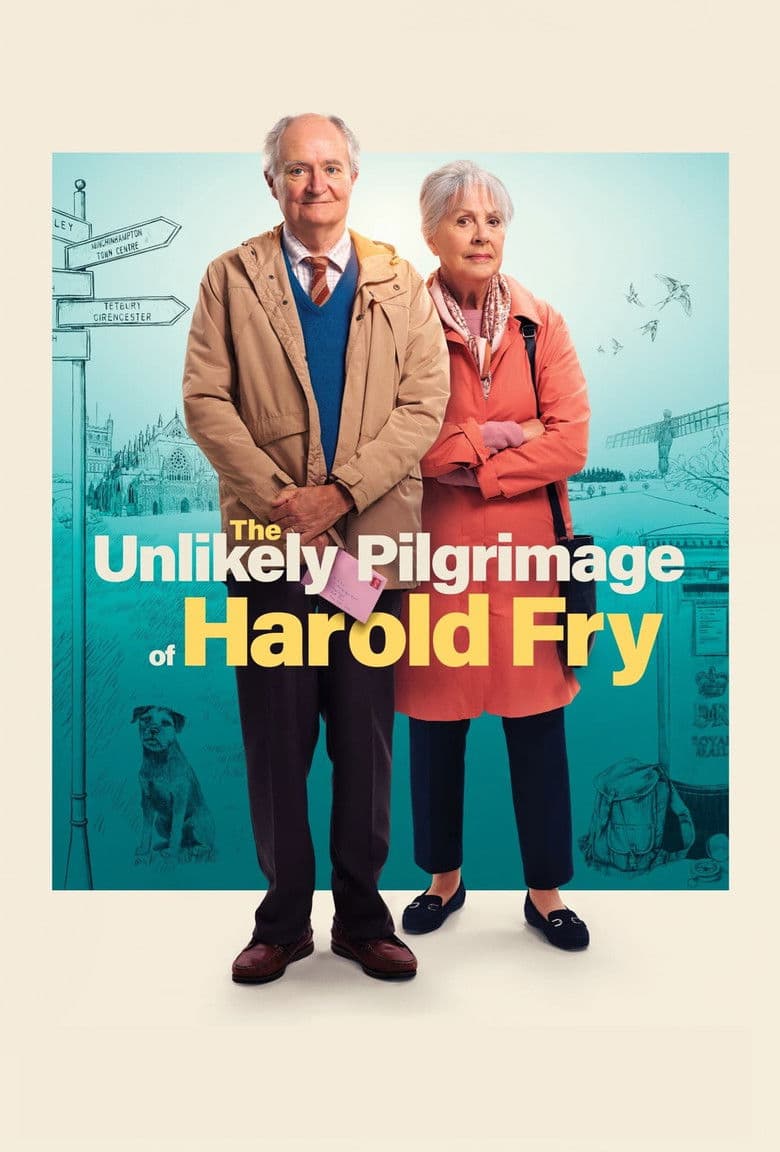
Harold Fry is an older man living a quiet life in Devon with his wife Maureen. He hears that his old friend Queenie is dying in a hospice far away. He sets out to post a letter, then decides to walk the whole long way to her bedside. The film is soft and sad, about regret, hope, and a hard marriage.
The story is about guilt, kindness, and trying to fix what went wrong at home, not about modern identity fights. Harold’s walk brings him strangers who help him, and it forces him and Maureen to face their son’s death and their cold marriage. A few side roles show different races and an immigrant doctor who now cleans houses, but that is background color in a modern Britain setting. The main focus stays on hope, faith in a simple sense, and second chances. A normal viewer would see a gentle road drama about aging and love, not a social-justice lesson.
Community feedback
Was our 20% Woke rating accurate?
Breakdown
These are the editorial factors and ratings behind our score for The Unlikely Pilgrimage of Harold Fry.
Woke representation / casting
Leads are an older white British couple matching the story. Some supporting roles are non-white or immigrant (neighbor Rex, the garage girl who starts the walk, Martina, a nun, a few people on the road). In a modern UK road movie that is easy to notice but not pushed as a diversity showcase. No clear “quota star” or identity-first lead pattern.
12%
Woke political dialogue
Talk is about letters, walking, marriage fights, guilt, and being kind. No clear activist speeches on race, gender, sexuality, or social-justice slogans.
0%
Identity-driven story themes
Core themes are personal: failed fatherhood, a cold marriage, a dying friend, and hope. Identity politics (race, gender ideology, queer identity as message) is not the engine of the plot. Grief and redemption carry the film. incidental LGBTQ+ references in supporting characters.
20%
Western institutional / cultural critique
Light touch only: Martina trained as a doctor but cleans after emigrating; media briefly turns Harold into a hero. Family pain is about silence and guilt, not a lecture that traditional marriage or men are the enemy. Faith is treated gently as a walk of hope, not as an attack on church or Western life.
10%
Woke character or canon changes
Not relevant. The author adapted her own novel. No widely reported race, gender, or identity swaps of known characters done for activist reasons.
0%
Anti-woke backlash and complaints
Almost none. One audience remark about “compulsory DEI” exists; major press and social reaction do not treat the film as a woke culture-war target. Score stays very low for thin, fringe complaint only.
5%
Creator track record context
Director Hettie Macdonald has a moderate cached score (50) mainly from the queer-positive landmark *Beautiful Thing*. Writer and producers sit near zero. This title itself is not sold or shaped as her identity project, so team context stays mild.
20%
Production
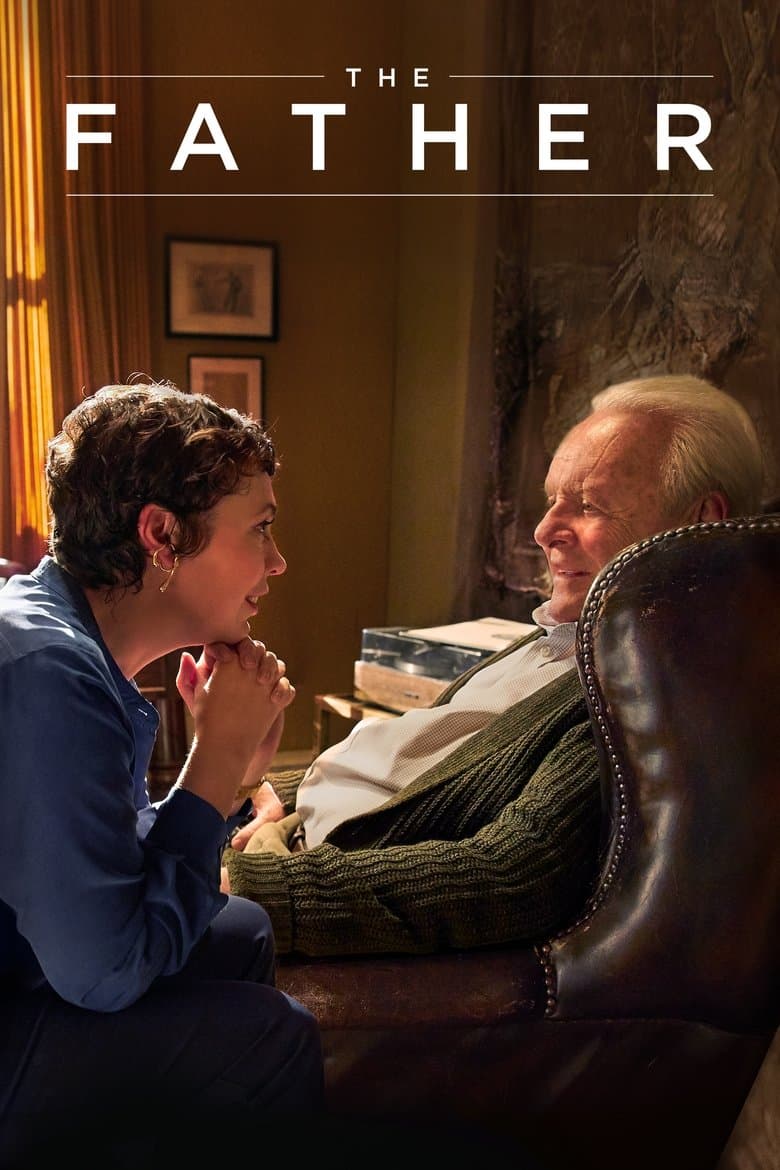
Movie · 2020
A man refuses all assistance from his daughter as he ages and, as he tries to make sense of his changing circumstances, he begins to doubt his loved ones, his own mind and even…

Movie · 2024
On the brink of the Second World War, a young Norwegian man's drive to resist the Nazis sets a new course for his future – and the future of his country.

Movie · 2017
Members of the Granite Mountain Hotshots battle deadly wildfires to save an Arizona town.
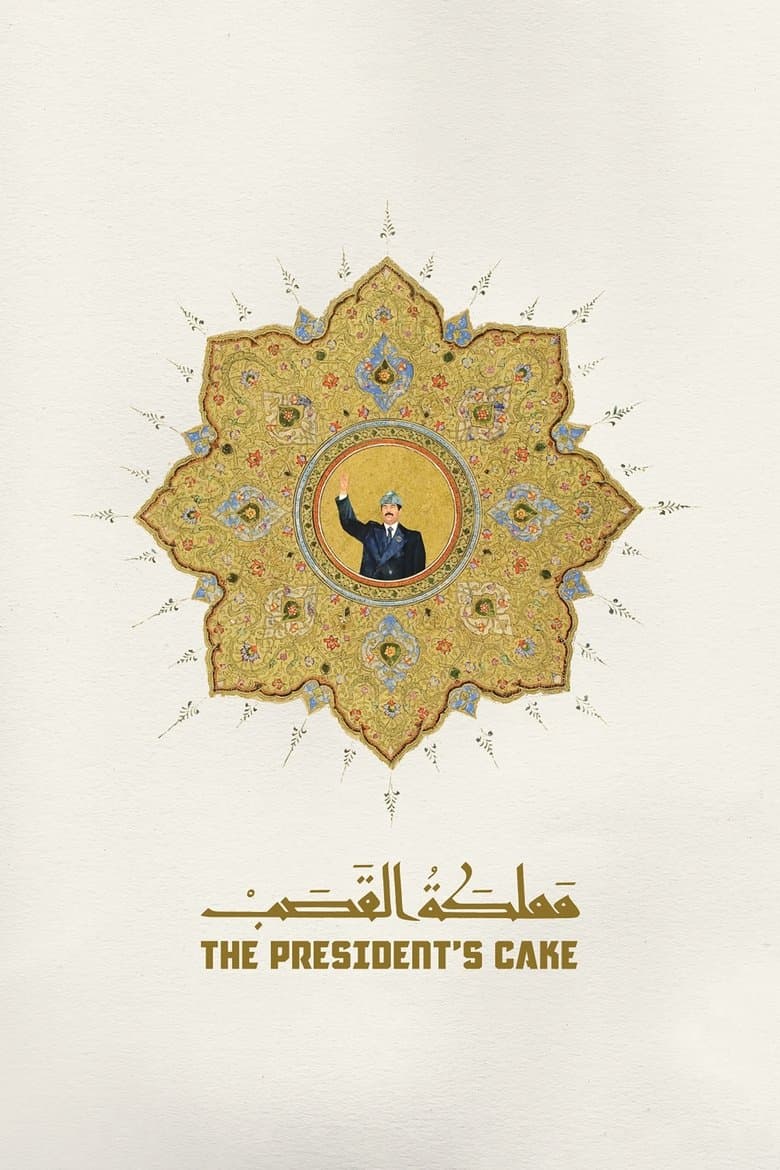
Movie · 2026
While people across 1990s Iraq struggle to survive the war and food shortages, Saddam Hussein requires each school in the country to prepare a cake to celebrate his birthday.
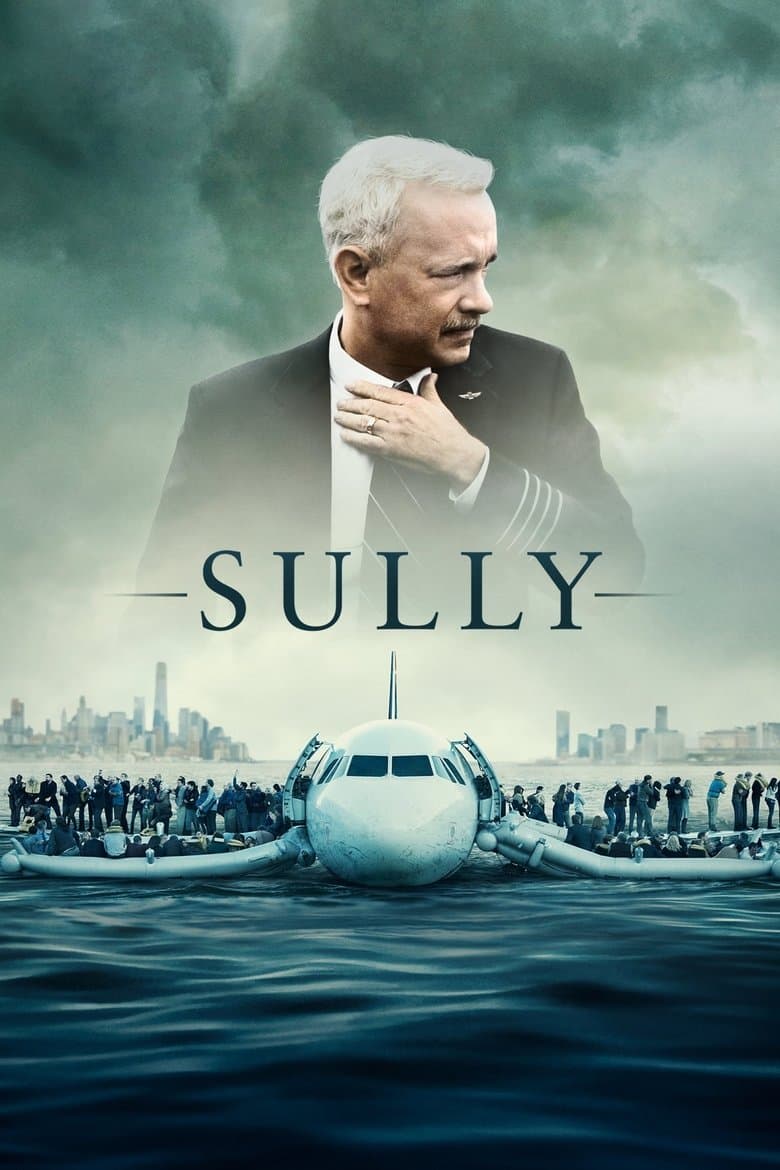
Movie · 2016
On 15 January 2009, the world witnessed the 'Miracle on the Hudson' when Captain 'Sully' Sullenberger glided his disabled plane onto the Hudson River, saving the lives of all 155…

Movie · 2016
WWII American Army Medic Desmond T. Doss, who served during the Battle of Okinawa, refuses to kill people and becomes the first Conscientious Objector in American history to…

Movie · 2016
After his older brother passes away, Lee Chandler is forced to return home to care for his 16-year-old nephew.
Movie · 2022
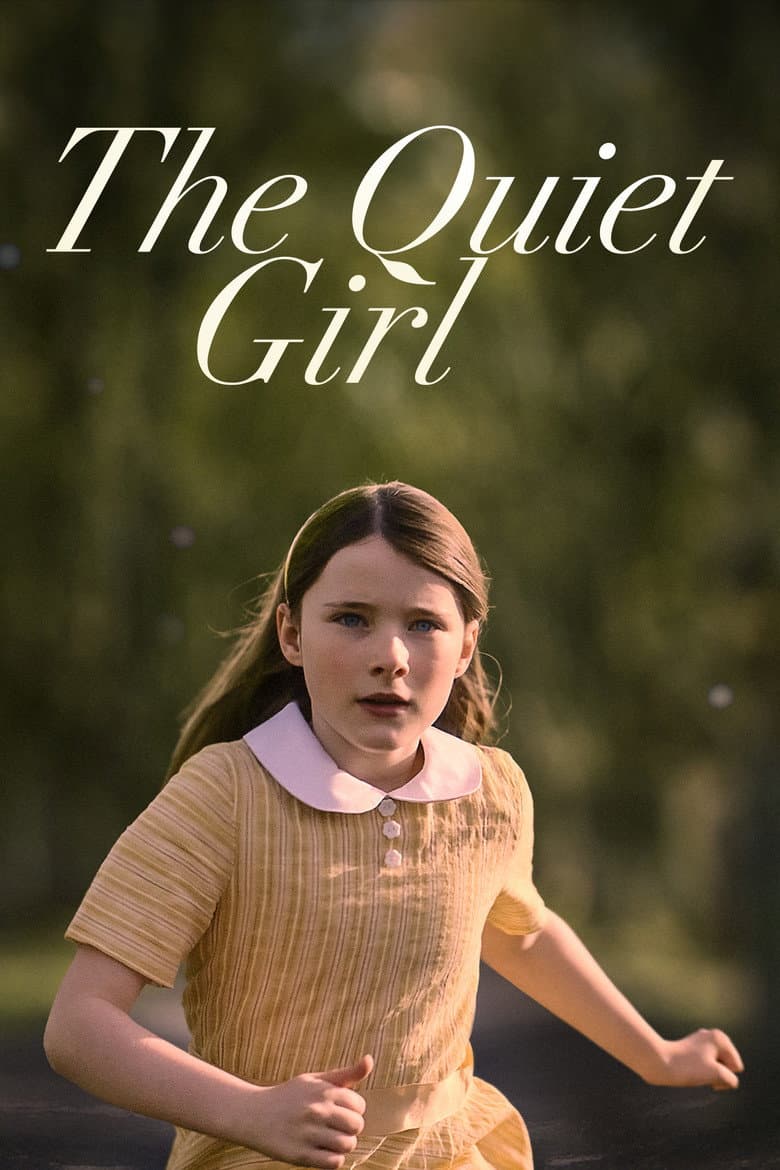
A quiet, neglected girl is sent away from her dysfunctional family to live with relatives for the summer. She blossoms in their care, but in this house where there are meant to be…
