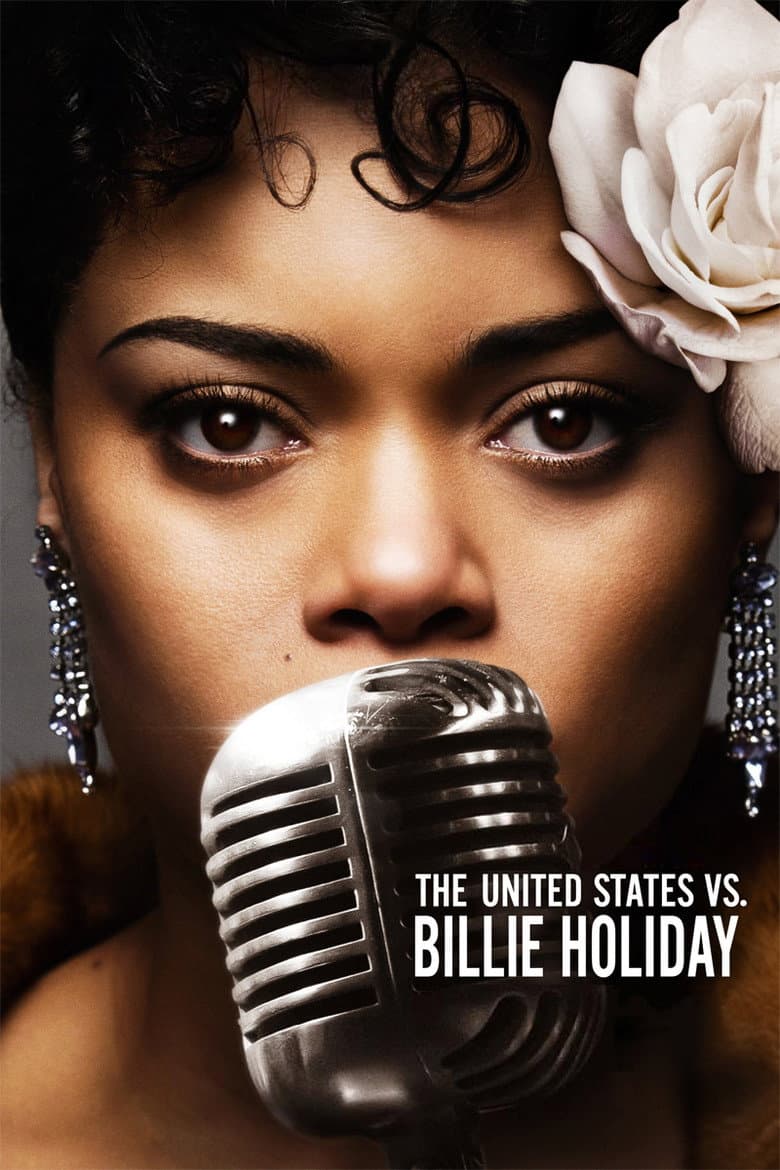
Billie Holiday is a famous jazz singer who works in New York clubs during the 1940s and 1950s. She struggles with heroin, alcohol, painful memories, and men who try to control her. Federal drug agents follow her, arrest her, and use a black agent named Jimmy Fletcher to get close to her. The film has a dark and painful tone, but Billie keeps fighting to sing the songs she chooses.
The film makes her performance of “Strange Fruit” the main sign of her defiance. The song describes lynching, and Billie says that the government wants her to stay quiet about the killing of black people. The story presents drug laws, police power, and white lawmakers as tools used to silence a black woman and her message. Billie’s relationship with Tallulah Bankhead adds a brief queer element, while her romance with Jimmy Fletcher adds a second story about race, trust, and betrayal.
Community feedback
Was our 82% Woke rating accurate?
Breakdown
These are the editorial factors and ratings behind our score for The United States vs. Billie Holiday.
Woke representation / casting
Not present. The main cast follows the real racial identities of Billie Holiday, her friends, and the officials in the story. The film does not use a broad identity mix as a diversity message.
0%
Woke political dialogue
Billie calls “Strange Fruit” a human-rights issue and says the government wants her silent. She says the song speaks for black people being killed. Federal officials connect drug use, race, and jazz while planning how to stop her. The film repeats this conflict through interviews, club scenes, arrests, and the closing note about an anti-lynching bill.
52%
Identity-driven story themes
The film makes a black woman’s fight against racist law enforcement its main story. “Strange Fruit” turns lynching and the killing of black people into the center of her public conflict. The movie links drug arrests, government power, and her race, and it presents her singing as part of the civil-rights movement. A final note about a modern anti-lynching bill connects the old story to later political action.
70%
Western institutional / cultural critique
The film shows federal agents, police, and lawmakers using drug laws to control a black singer. It presents the United States government as protecting racist power instead of equal rights. It also shows abusive men controlling Billie in work and love. The film does not make Christianity, capitalism, or family life its main target, so the critique stays focused on state power, race, and male abuse.
48%
Woke character or canon changes
The film presents the disputed claim that federal agents mainly targeted Holiday to silence “Strange Fruit.” Historical records support drug enforcement but do not clearly support a federal song-suppression campaign. The movie also expands Jimmy Fletcher’s relationship with Holiday into a major romance and adds invented family details. The disputed motive shapes the whole plot and turns a real arrest into a race-and-civil-rights story.
42%
Anti-woke backlash and complaints
Armond White called the film anti-American propaganda and accused it of turning Holiday’s story into a race-based grievance message. The American Conservative attacked the film as a political rewrite of history. National Review shared White’s review, but the posts received very little attention. No boycott, review-bombing drive, or large right-wing campaign appeared.
18%
Creator track record context
Lee Daniels has a strong record of black and queer representation and social-justice stories. Suzan-Lori Parks often writes about black identity, race, and oppression. Johann Hari is a left-leaning drug-policy reform writer, but his profile is less identity-focused. Several producers have repeated ties to black-centered and inclusive projects.
78%
Production
Movie · 2025
Diagnosed with Tourette Syndrome at 15, John Davidson navigates his way against the odds through troubled teenage years and into adulthood, finding inspiration in the kindness of…
Movie · 2019
Richard Jewell thinks quick, works fast, and saves hundreds, perhaps thousands, of lives after a domestic terrorist plants several pipe bombs and they explode during a concert…
Movie · 2020
A man refuses all assistance from his daughter as he ages and, as he tries to make sense of his changing circumstances, he begins to doubt his loved ones, his own mind and even…
Movie · 2023
American ballet dancer Joy Womack is accepted into Moscow's infamously tough Bolshoi Ballet Academy, with the dream of becoming a great ballerina.
Movie · 2023
The true story of the inseparable Von Erich brothers, who made history in the intensely competitive world of professional wrestling in the early 1980s.
Movie · 2017
Members of the Granite Mountain Hotshots battle deadly wildfires to save an Arizona town.
Movie · 2016
On 15 January 2009, the world witnessed the 'Miracle on the Hudson' when Captain 'Sully' Sullenberger glided his disabled plane onto the Hudson River, saving the lives of all 155…
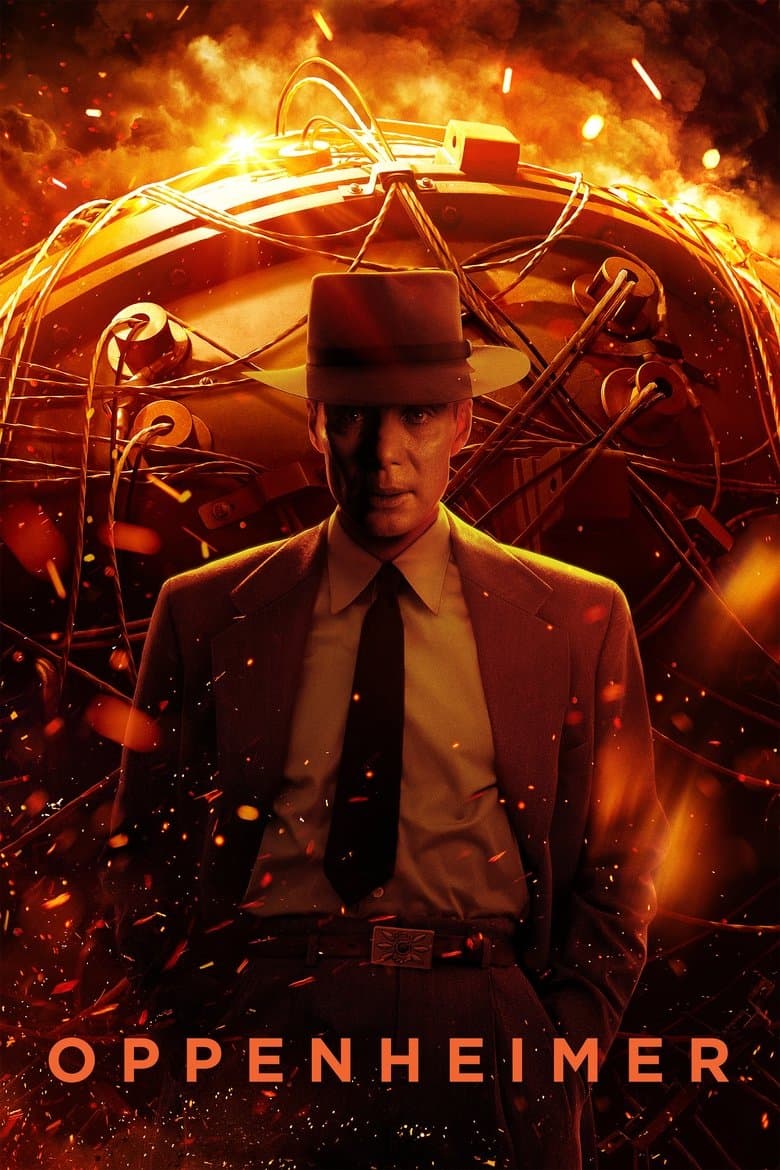
Movie · 2023
The story of J. Robert Oppenheimer's role in the development of the atomic bomb during World War II.
