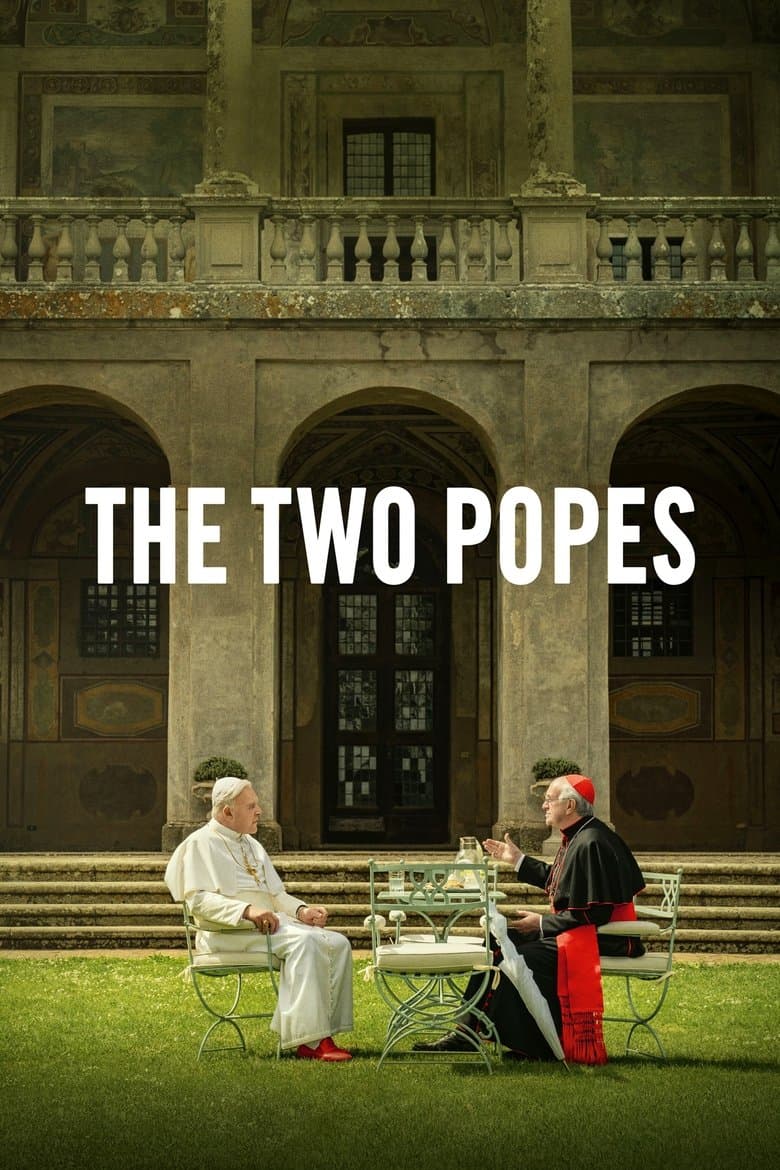
The film follows Cardinal Jorge Bergoglio as he travels to the Vatican in 2012 to ask Pope Benedict XVI to let him retire. Benedict has his own plan and asks Bergoglio to stay while he faces scandal, doubt, and the future of the Church. The two men argue over tradition, reform, and their painful pasts before an unlikely friendship grows. The story moves between grand Vatican rooms, Buenos Aires memories, and scenes from Bergoglio’s years under Argentina’s military rule, and it mixes humor with serious subjects.
The film presents Benedict as a strict defender of old Church rules and Bergoglio as a warmer voice for change. Bergoglio says Church leaders focused on divorce, birth control, being gay, altar girls, and Latin worship while poverty, inequality, and environmental harm grew. He also attacks an economy that shuts out poor people and praises bridges over walls. These ideas are part of the central debate, but the film keeps returning to faith, guilt, forgiveness, and the need for people with different views to understand each other.
Community feedback
Was our 69% Woke rating accurate?
Breakdown
These are the editorial factors and ratings behind our score for The Two Popes.
Woke representation / casting
Not present in this title.
0%
Woke political dialogue
Bergoglio says Church leaders focused on divorce, birth control, being gay, altar girls, and Latin worship while poverty, inequality, and damage to the planet grew. He also attacks an economy that leaves poor people behind and says the Church should build bridges. Benedict defends tradition and questions rapid change, so the film stages the ideas as a debate. The reform message is a clear part of the main conflict.
52%
Identity-driven story themes
The film gives brief but direct attention to gay people and the place of women in the Church. Bergoglio uses those issues to argue that Church leaders must look beyond old rules. The film does not follow a queer character or a gender identity story, and these points stay inside the wider debate about faith and reform. The identity-driven material is real but limited.
28%
Western institutional / cultural critique
The film criticizes Vatican secrecy, bureaucracy, and the Church’s handling of child abuse. Bergoglio says leaders moved abusive priests instead of protecting victims, and he ties old Church priorities to wider poverty and inequality. Benedict’s traditional leadership carries much of the blame, while reform and mercy receive the warmer treatment. The story still presents prayer, faith, and the Church as meaningful, so the critique is strong but not anti-Christian.
55%
Woke character or canon changes
The film uses invented meetings and private talk to build a sharper conservative-versus-progressive split than the real record supports. The story also suggests that Benedict was tied to the case of abusive priest Marcial Maciel, although reporting says Benedict later acted against Maciel. Catholic critics said these choices turn Benedict into a rigid reactionary and Francis into a reforming hero. The changes strengthen a one-sided tradition-versus-progress message.
44%
Anti-woke backlash and complaints
Catholic and conservative critics said the film makes Benedict a rigid villain and Francis a wise progressive hero. They objected to the film’s suggestion that Benedict was tied to the Maciel abuse case and called the story biased or propaganda. A separate X pass found real reach among Catholic commentators but no organized boycott, review-bombing campaign, or lasting online attack. The backlash was noticeable but limited.
43%
Creator track record context
Meirelles often makes films about poverty and inequality, but his record is not centered on identity politics. McCarten is known for biographical dramas about personal conflict and big ideas. Some producers have ties to diversity or social-justice work, while most casting staff have standard industry profiles. Meirelles and McCarten describe this film as a debate between a conservative Church and a progressive one.
34%
Production
Movie · 2026
While people across 1990s Iraq struggle to survive the war and food shortages, Saddam Hussein requires each school in the country to prepare a cake to celebrate his birthday.
Movie · 2016
In a desolate war zone where screams of the innocent echo, on the very line between disaster and valor, 7 Maroon Berets will dance with death.
Movie · 2020
A man refuses all assistance from his daughter as he ages and, as he tries to make sense of his changing circumstances, he begins to doubt his loved ones, his own mind and even…
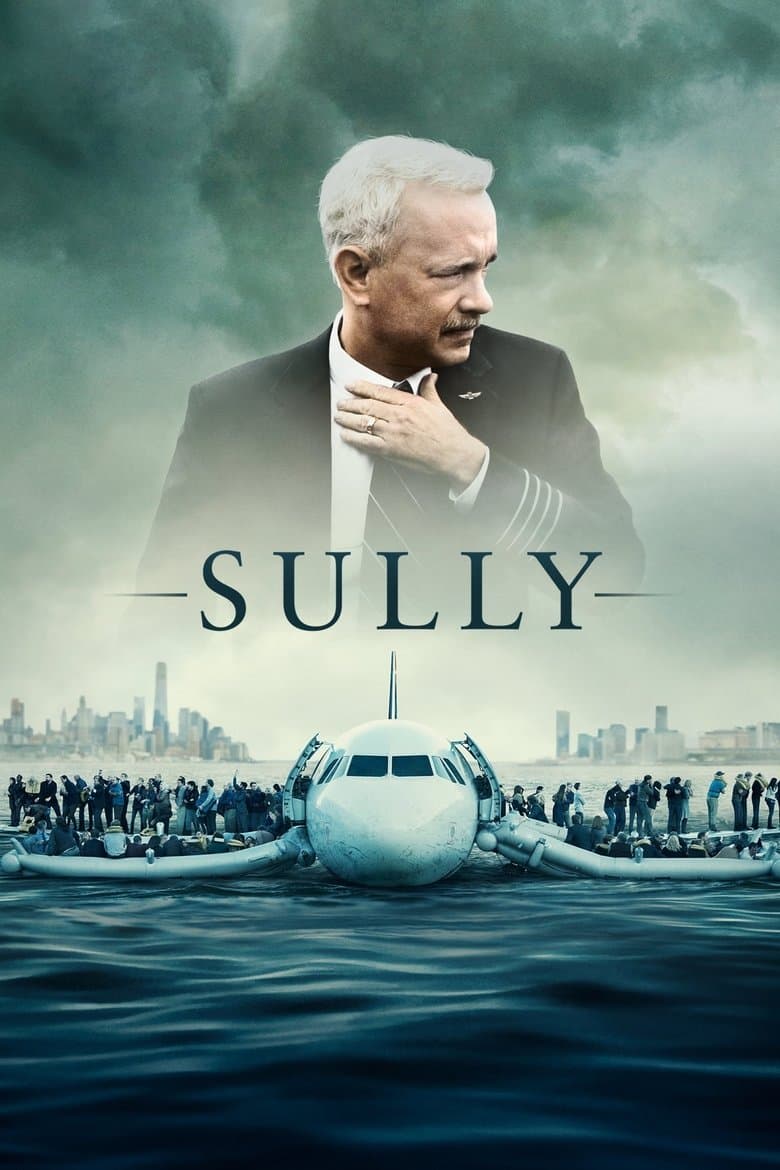
Movie · 2016
On 15 January 2009, the world witnessed the 'Miracle on the Hudson' when Captain 'Sully' Sullenberger glided his disabled plane onto the Hudson River, saving the lives of all 155…
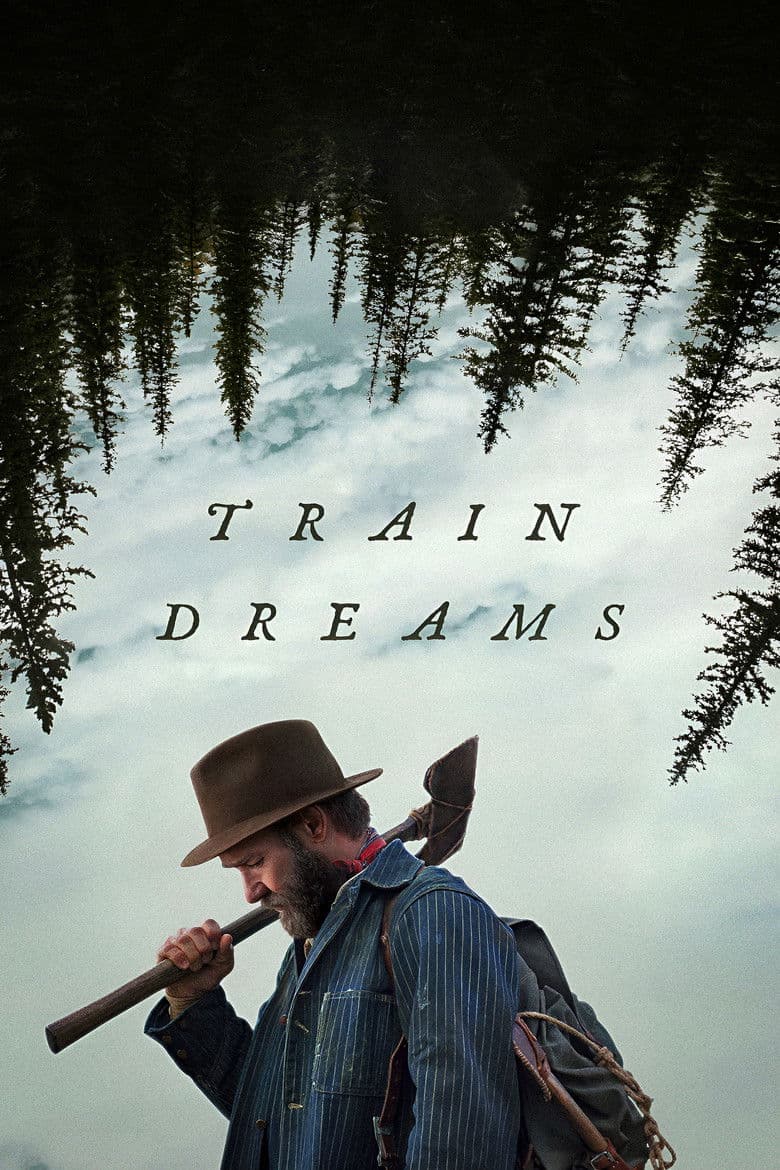
Movie · 2025
A logger leads a life of quiet grace as he experiences love and loss during an era of monumental change in early 20th-century America.
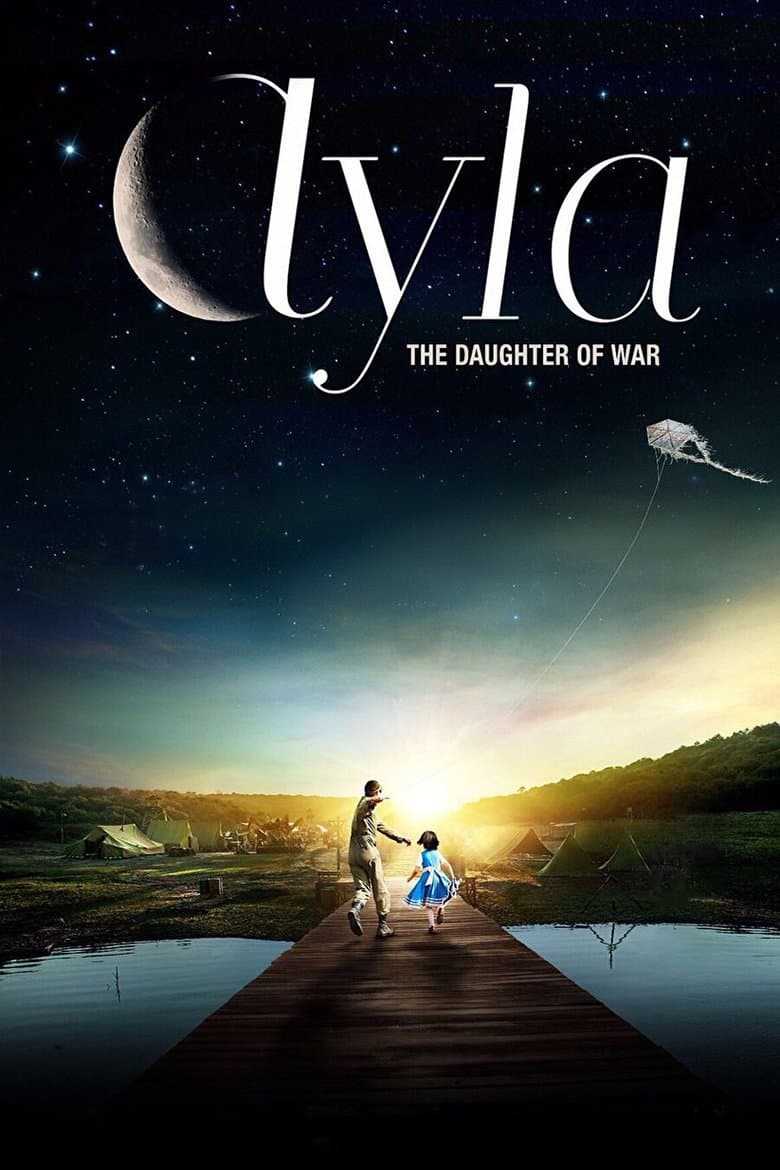
Movie · 2017
In 1950, amidst the ravages of the Korean War, Sergeant Süleyman stumbles upon a a half-frozen little girl, with no parents and no help in sight and he risks his own life to save…
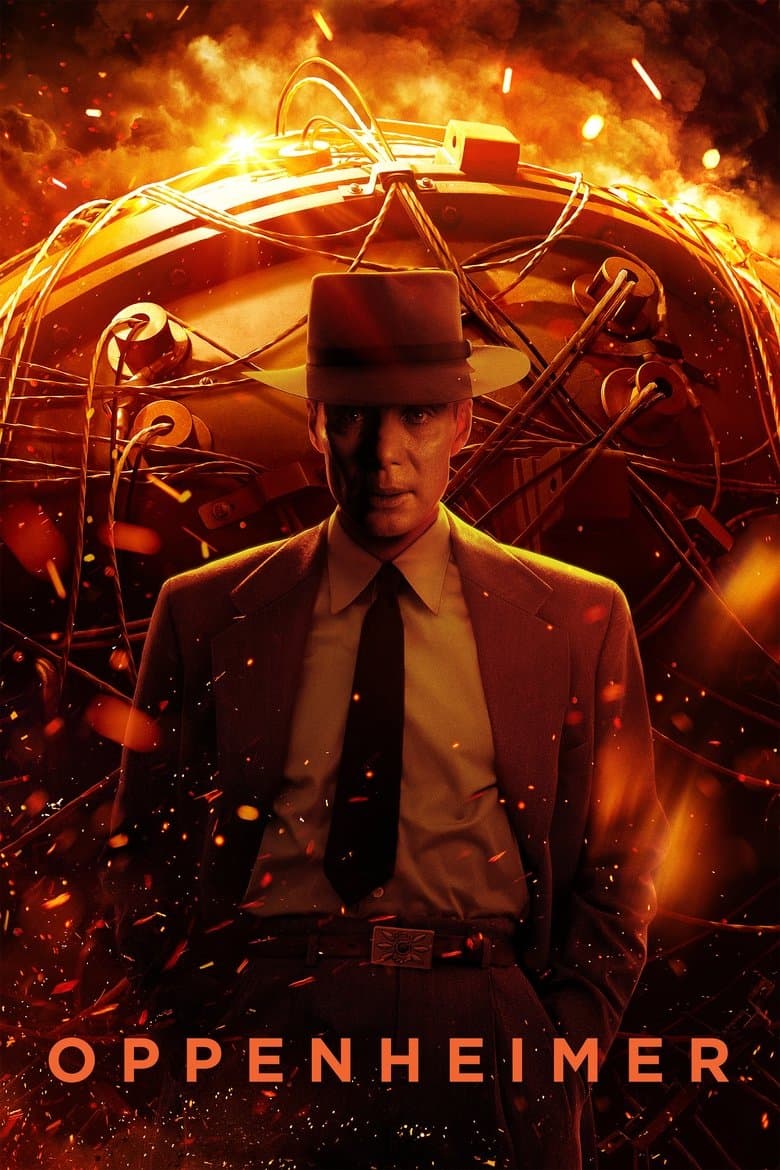
Movie · 2023
The story of J. Robert Oppenheimer's role in the development of the atomic bomb during World War II.
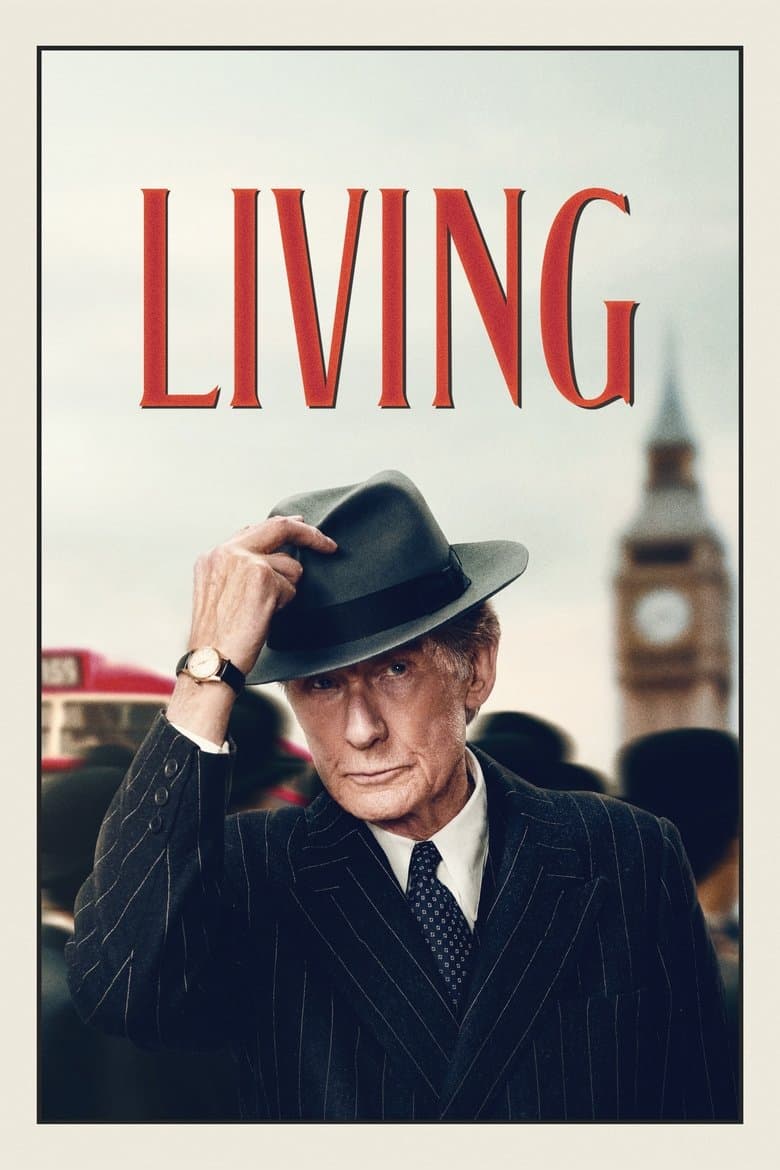
Movie · 2022
London, 1953. Mr. Williams, a veteran civil servant, is an important cog within the city's bureaucracy as it struggles to rebuild in the aftermath of World War II.
