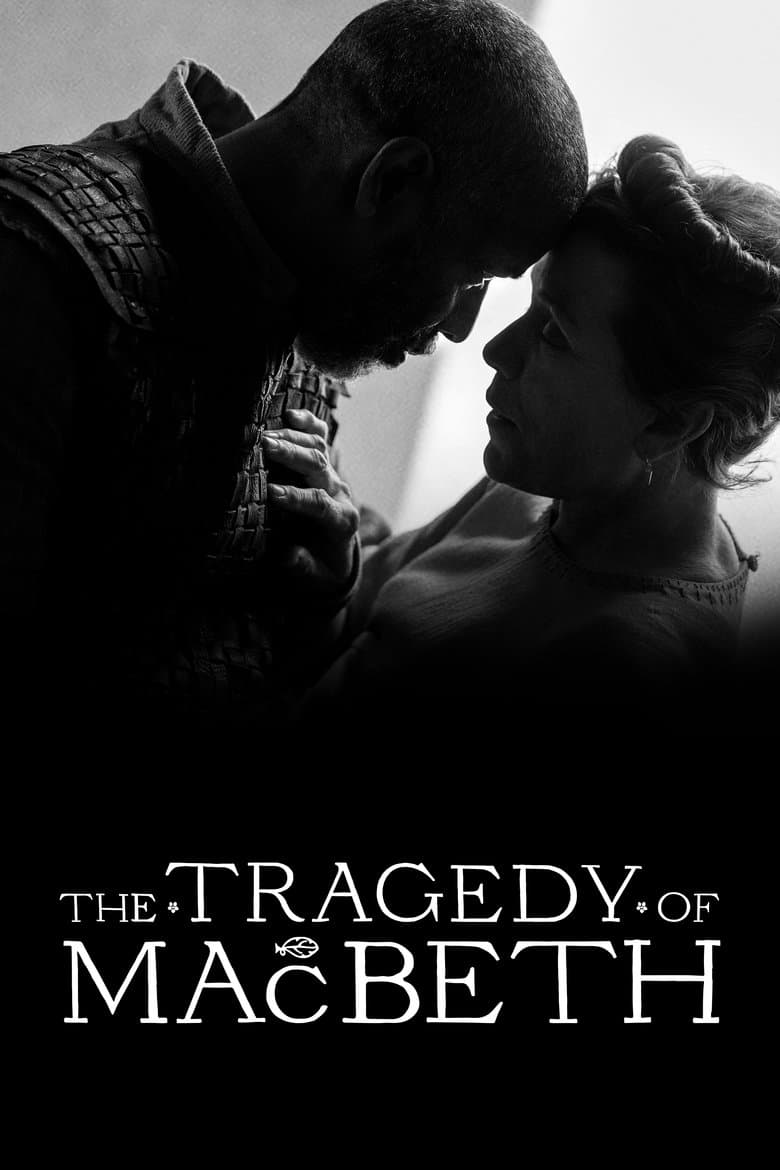
Macbeth is a respected Scottish lord and soldier who hears a prophecy that he will become king. He and his wife, Lady Macbeth, choose murder when they decide to force the prophecy to come true. The film follows their rise, fear, guilt, and collapse in a harsh medieval Scotland filled with war, castles, and strange visions. Joel Coen presents the story in stark black and white, with quiet rooms, deep shadows, and a cold, dreamlike tone.
The film makes a visible casting choice by placing black actors in several major Scottish roles. Denzel Washington plays Macbeth, Corey Hawkins plays Macduff, Moses Ingram plays Lady Macduff, and Sean Patrick Thomas plays Monteith. The story does not make race part of the conflict, so the choice mainly changes how viewers picture Shakespeare’s court. The Macbeths are older, equal partners whose hunger for power brings murder, fear, guilt, and ruin.
Community feedback
Was our 39% Woke rating accurate?
Breakdown
These are the editorial factors and ratings behind our score for The Tragedy of Macbeth.
Woke representation / casting
Black actors hold several major Scottish roles. Denzel Washington plays Macbeth, Corey Hawkins plays Macduff, Moses Ingram plays Lady Macduff, and Sean Patrick Thomas plays Monteith. The film gives no story reason for this racial mix in a medieval Scottish court. Cast interviews openly described the choice as diversity and representation. The pattern is easy to notice, although the film does not make race part of the plot.
45%
Woke political dialogue
Not present. The dialogue uses Shakespeare’s old words about prophecy, kingship, murder, guilt, and fate. The film has no modern activist speeches about race, gender, capitalism, or current politics.
0%
Identity-driven story themes
Not present. The story follows ambition, supernatural prophecy, marriage, guilt, and political betrayal. The film does not make race, sexuality, or modern identity politics part of the characters’ goals.
0%
Western institutional / cultural critique
Not present. The film shows the damage caused by a cruel ruler and hunger for power. Its criticism targets Macbeth’s rule in medieval Scotland, not modern family life, faith, capitalism, or Western culture.
0%
Woke character or canon changes
The film gives an established Shakespeare role a new racial presentation by casting Denzel Washington as Macbeth and Corey Hawkins as Macduff in a medieval Scottish setting. This change became part of the film’s diversity and representation discussion. Coen also makes the Macbeths older and cuts much of the play, but those changes serve themes about time, death, and pacing. The racial change is clear, but it does not rewrite the characters’ goals or ending.
30%
Anti-woke backlash and complaints
A small number of online reviews and comments called the casting woke or a form of cultural appropriation because black actors play Scottish nobles. One film blog called the mixed cast presentist and linked it to modern diversity pressure. Most mainstream reviews and audience comments focused on the acting, old language, black-and-white look, and Shakespeare. The anti-woke backlash was scattered and not a major story around the release.
18%
Creator track record context
Joel Coen has no known political activism or identity advocacy in the cached record. Frances McDormand has a stronger representation-focused record through her support for inclusion riders and diversity in casts and crews. Ellen Chenoweth and Robert Graf have no known activist track record in the cached notes. The creator context is mixed, with McDormand adding a meaningful representation signal.
34%
Production
Movie · 2016
WWII American Army Medic Desmond T. Doss, who served during the Battle of Okinawa, refuses to kill people and becomes the first Conscientious Objector in American history to…
Movie · 2018
Vignettes weaving together the stories of six individuals in the old West at the end of the Civil War. Following the tales of a sharp-shooting songster, a wannabe bank robber, two…
Movie · 2019
Richard Jewell thinks quick, works fast, and saves hundreds, perhaps thousands, of lives after a domestic terrorist plants several pipe bombs and they explode during a concert…
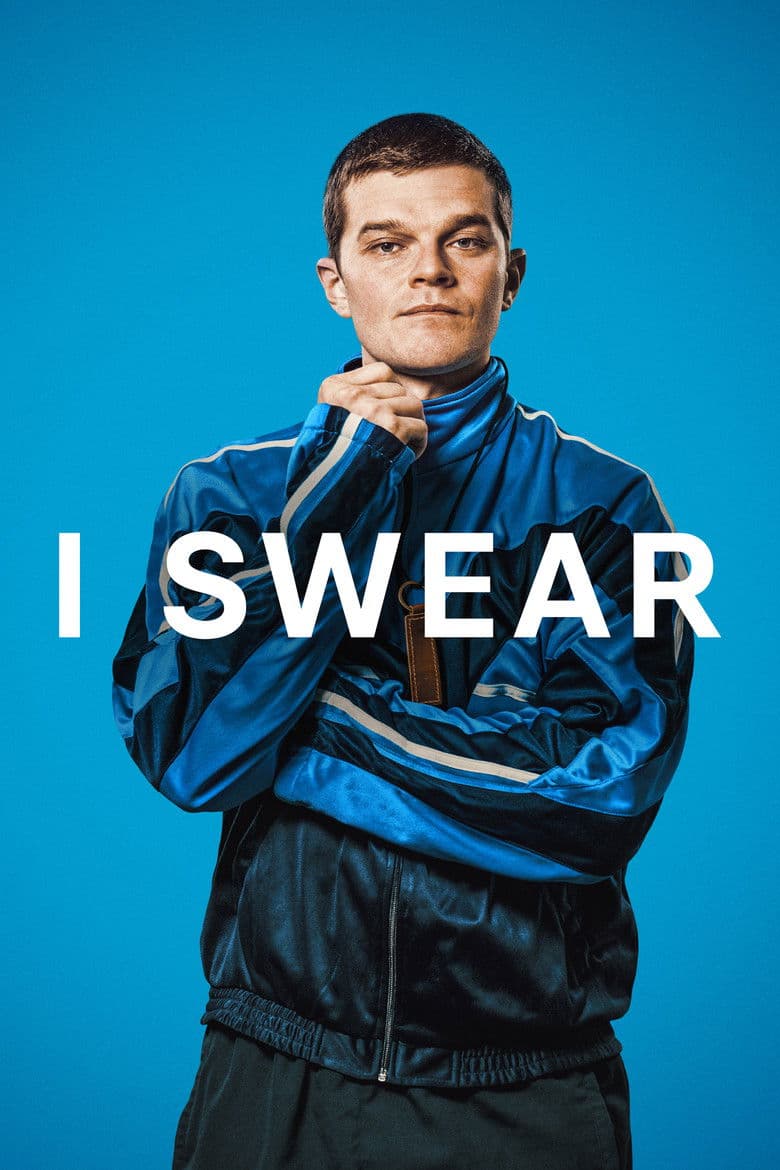
Movie · 2025
Diagnosed with Tourette Syndrome at 15, John Davidson navigates his way against the odds through troubled teenage years and into adulthood, finding inspiration in the kindness of…

Movie · 2016
After his older brother passes away, Lee Chandler is forced to return home to care for his 16-year-old nephew.
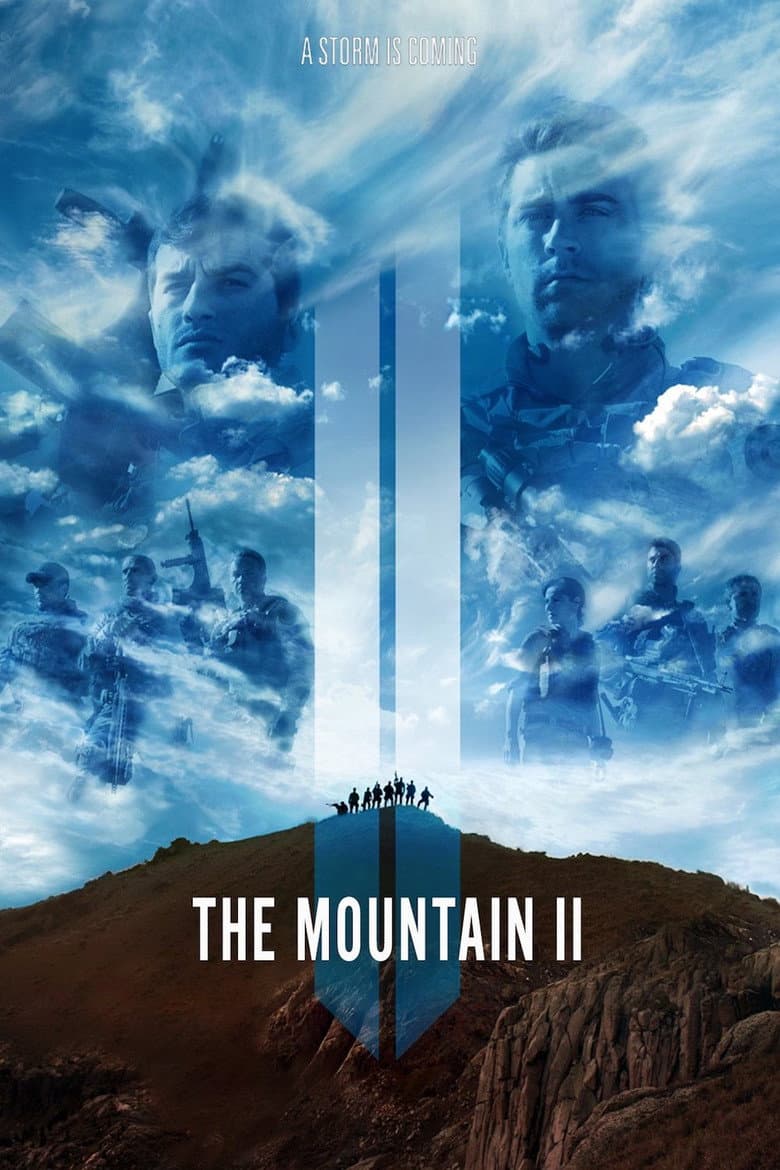
Movie · 2016
In a desolate war zone where screams of the innocent echo, on the very line between disaster and valor, 7 Maroon Berets will dance with death.
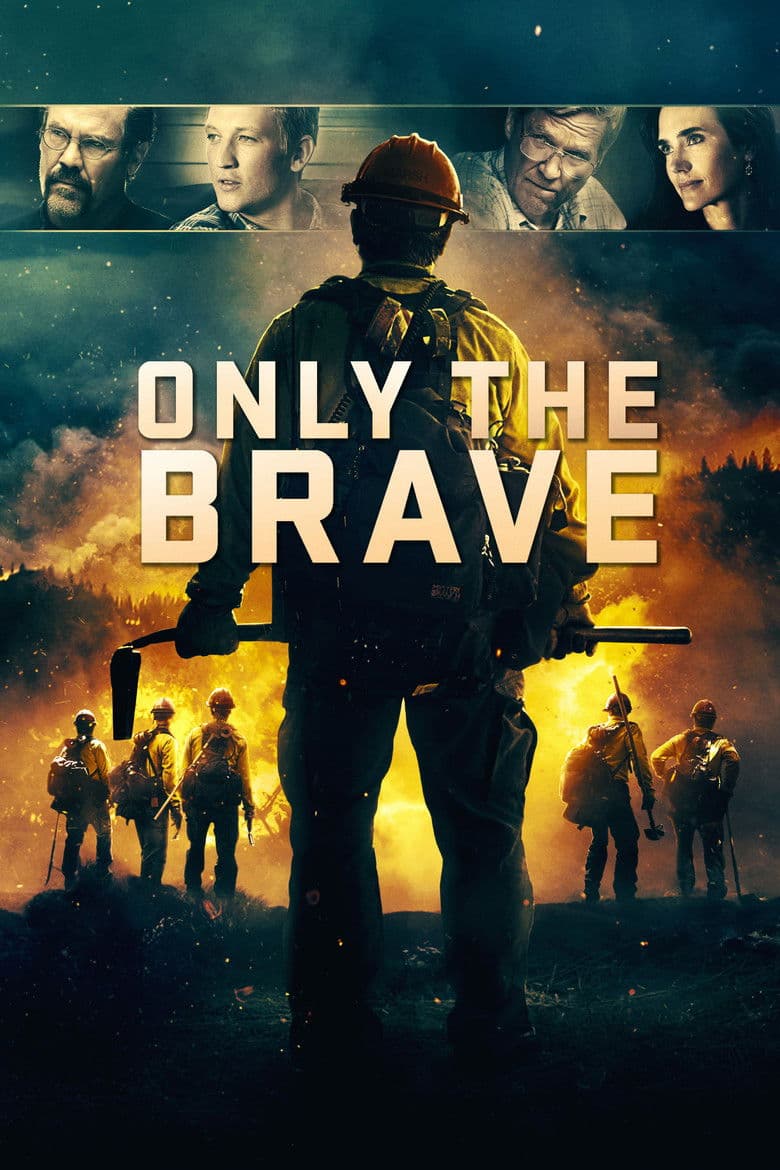
Movie · 2017
Members of the Granite Mountain Hotshots battle deadly wildfires to save an Arizona town.
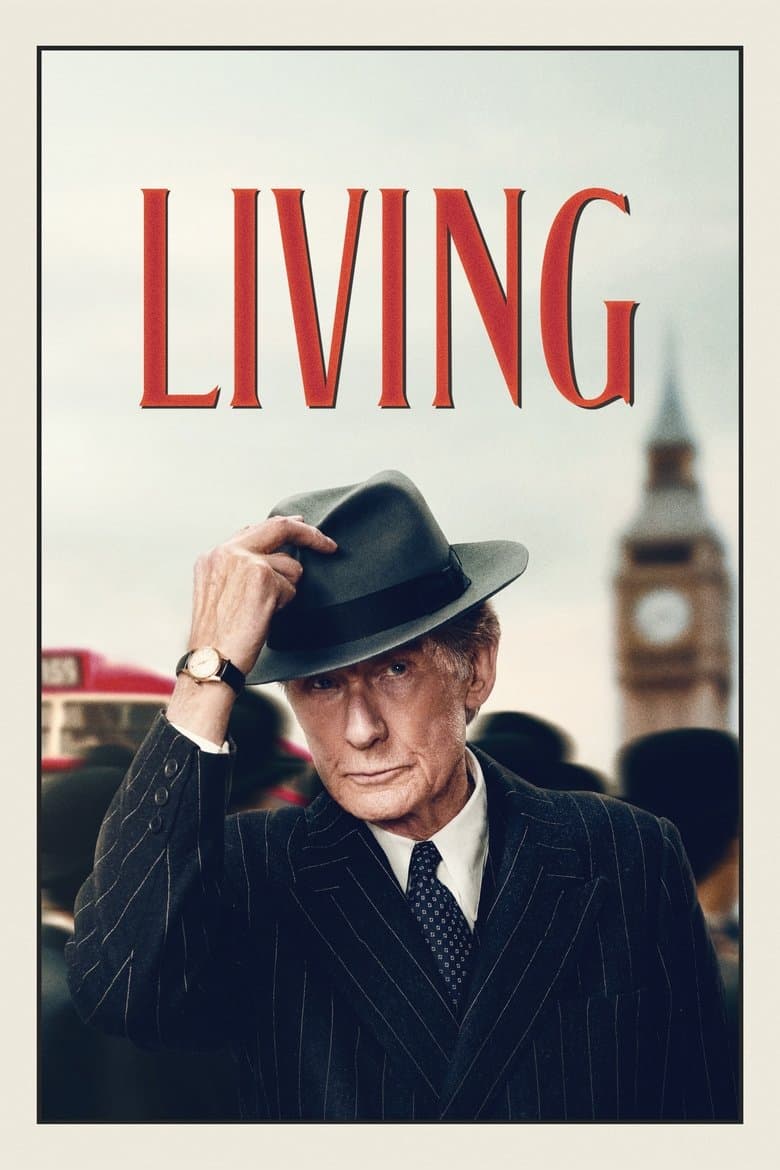
Movie · 2022
London, 1953. Mr. Williams, a veteran civil servant, is an important cog within the city's bureaucracy as it struggles to rebuild in the aftermath of World War II.
