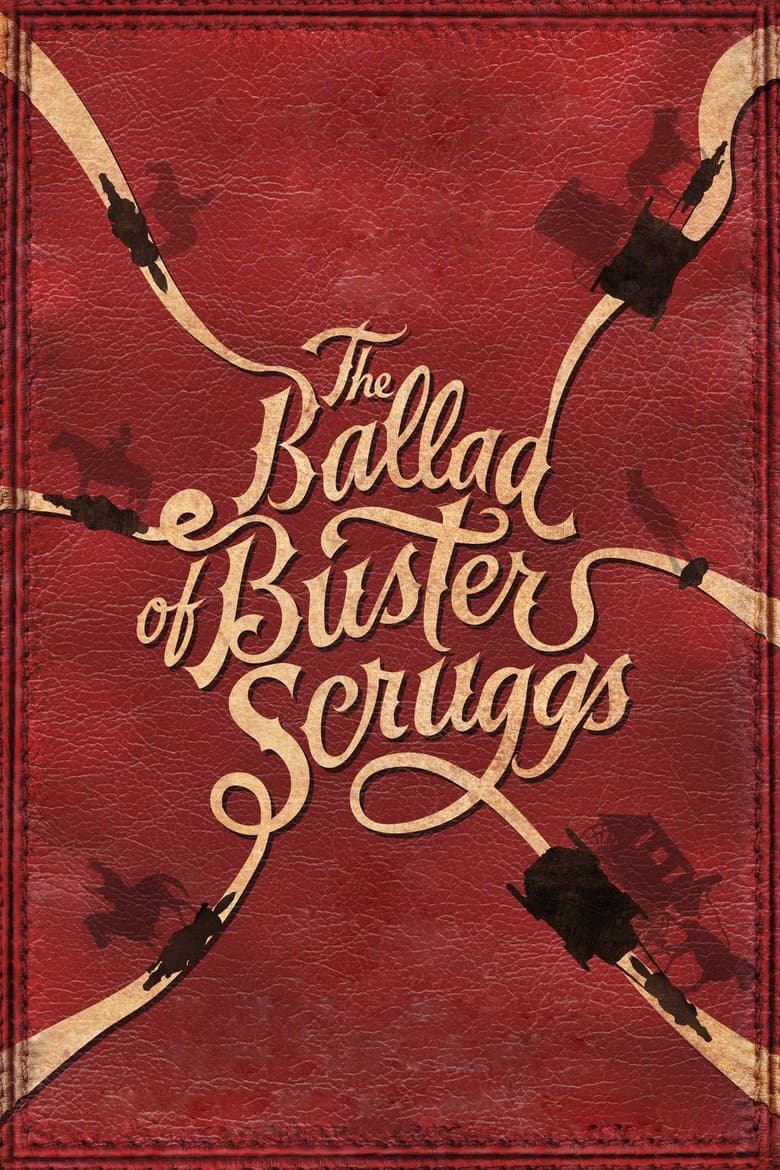
The film opens with Buster Scruggs, a cheerful singing gunslinger who rides through the old West in a white suit. He jokes with strangers, starts gunfights, and wins until a younger shooter ends his run. The movie then turns into five more short stories about a bank robber, a traveling showman, a gold seeker, a woman on a wagon train, and passengers on a stagecoach. The stories move from bright comedy to grim tragedy, and death can arrive without warning.
The film uses the frontier to show how people chase money, safety, love, and a place in the world. Buster treats killing like a song, while the bank robber learns that luck can change fast. A showman uses a man with no limbs as a stage act, and a lonely gold seeker fights for wealth. Alice Longabaugh hopes for a new life but faces fear, hard choices, and a cruel ending. The final ride turns the whole book into a strange tale about death and what people believe while they wait for it.
Community feedback
Was our 2% Woke rating accurate?
Breakdown
These are the editorial factors and ratings behind our score for The Ballad of Buster Scruggs.
Woke representation / casting
Not present. Period-accurate mostly white ensemble for a 19th-century Western setting with no visible diversity quotas, race or gender swaps, or identity signaling. Native characters appear briefly as antagonists in historical style.
0%
Woke political dialogue
Not present. Stories rely on period speech, ironic narration, and dark humor about survival and fate; no modern activist speeches, systemic critiques, or contemporary political references.
0%
Identity-driven story themes
Not present in this title.
0%
Western institutional / cultural critique
Not present in this title.
0%
Woke character or canon changes
Not relevant. Adaptations follow the spirit of public-domain source stories without ideological rewrites.
0%
Anti-woke backlash and complaints
Not present. No documented right-leaning or conservative complaints accusing the film of woke messaging, DEI, or identity politics. Available criticism came only from progressive sources on representation shortfalls.
0%
Creator track record context
Jack London, whose story supplies “All Gold Canyon,” openly supported socialism and workers’ rights. That gives the film a mild historical left-wing creator signal through one segment. Joel and Ethan Coen, Stewart Edward White, the producers, and the casting director show no matching activist or DEI pattern in the cached context.
12%
Production
Movie · 2023
Two mismatched entrepreneurs – egghead innovator Mike Lazaridis and cut-throat businessman Jim Balsillie – joined forces in an endeavour that was to become a worldwide hit in…
Movie · 2017
Matt Ryder is convinced to drive his estranged and dying father Benjamin Ryder cross country to deliver four old rolls of Kodachrome film to the last lab in the world that can…

Movie · 2019
An unlikely friendship between two neighbors becomes an unexpectedly emotional journey when the younger man is diagnosed with terminal cancer.
Movie · 2017
An aspiring actor in Hollywood meets an enigmatic stranger by the name of Tommy Wiseau, the meeting leads the actor down a path nobody could have predicted; creating the worst…
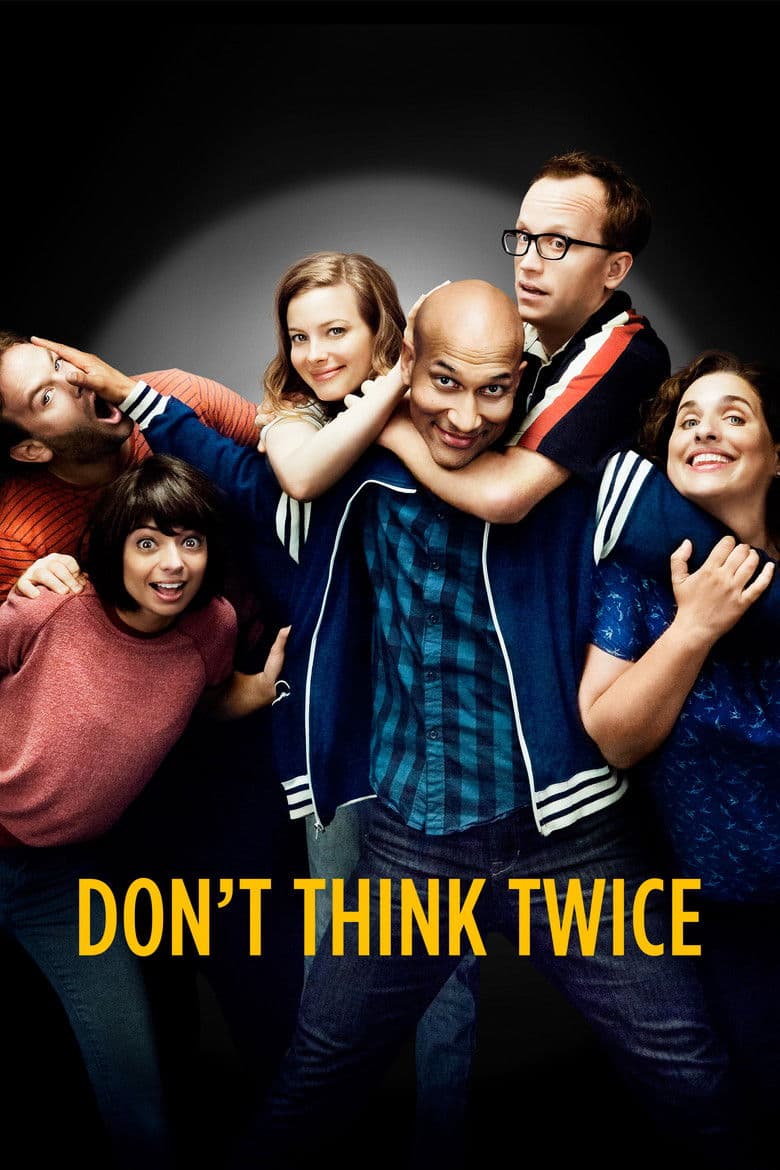
Movie · 2016
An improv group deals with several crises, including the loss of their lease and one member hitting the big time.
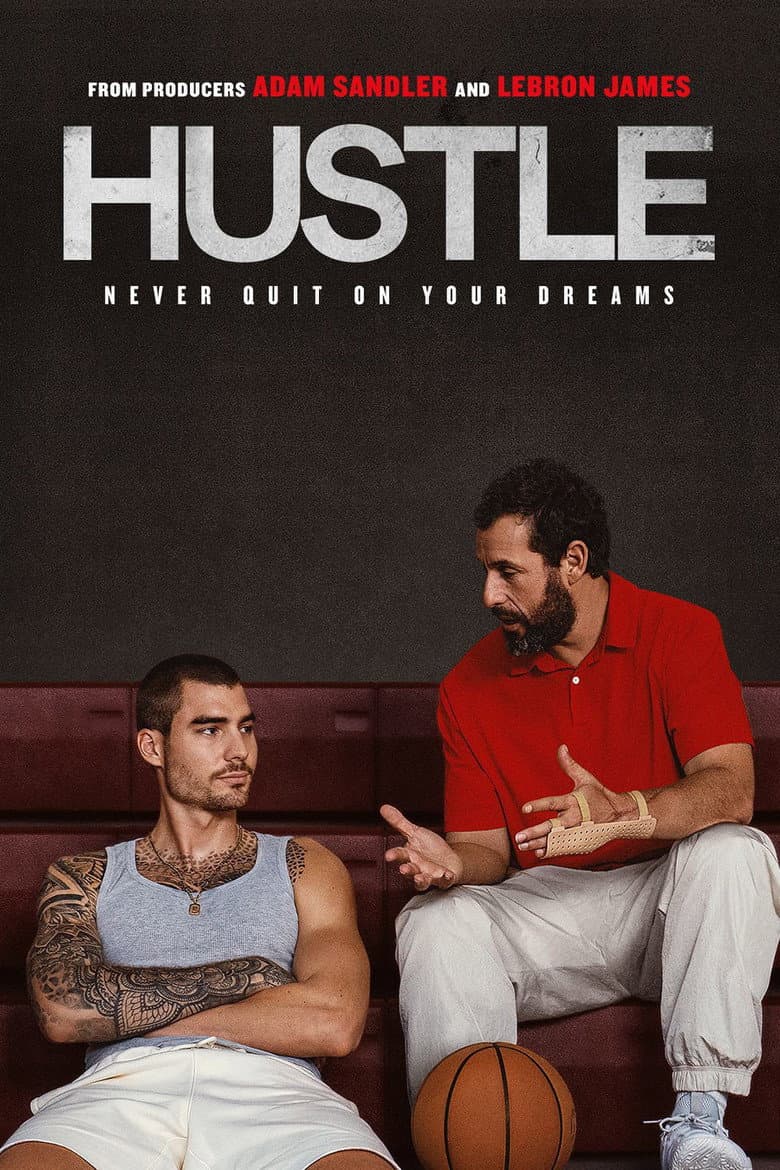
Movie · 2022
After discovering a once-in-a-lifetime player with a rocky past abroad, a down on his luck basketball scout takes it upon himself to bring the phenom to the States without his…
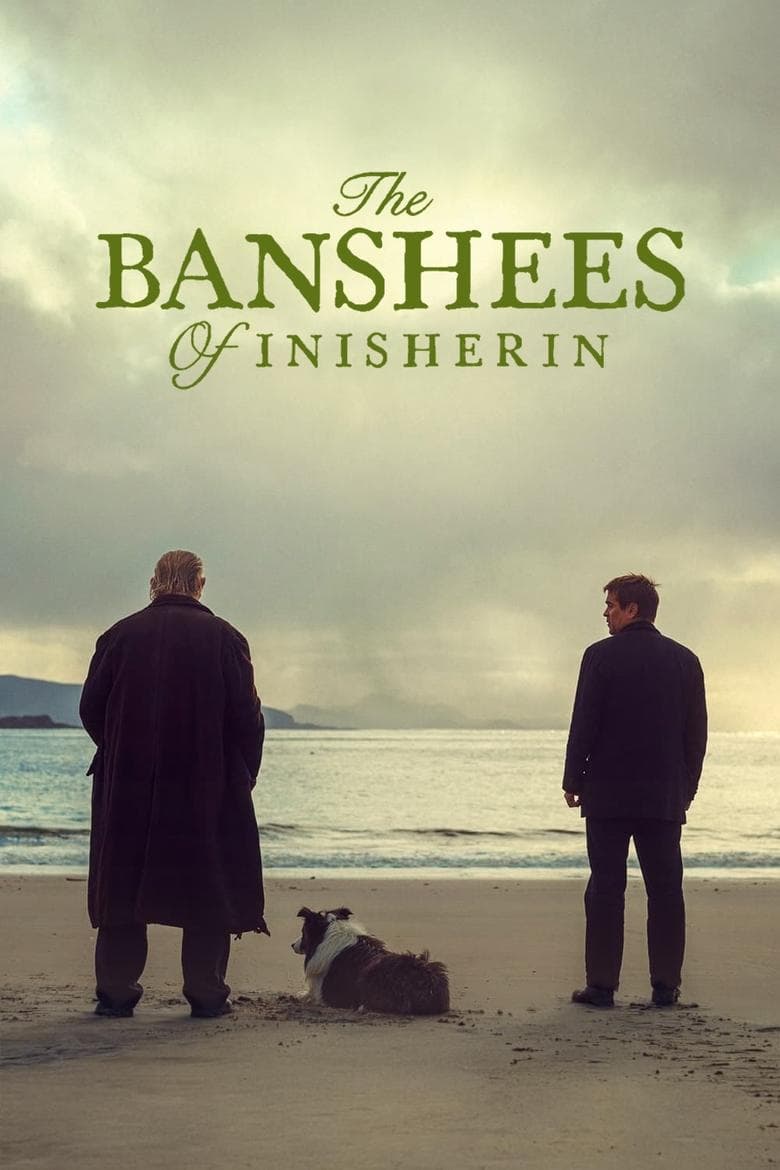
Movie · 2022
Two lifelong friends find themselves at an impasse when one abruptly ends their relationship, with alarming consequences for both of them.
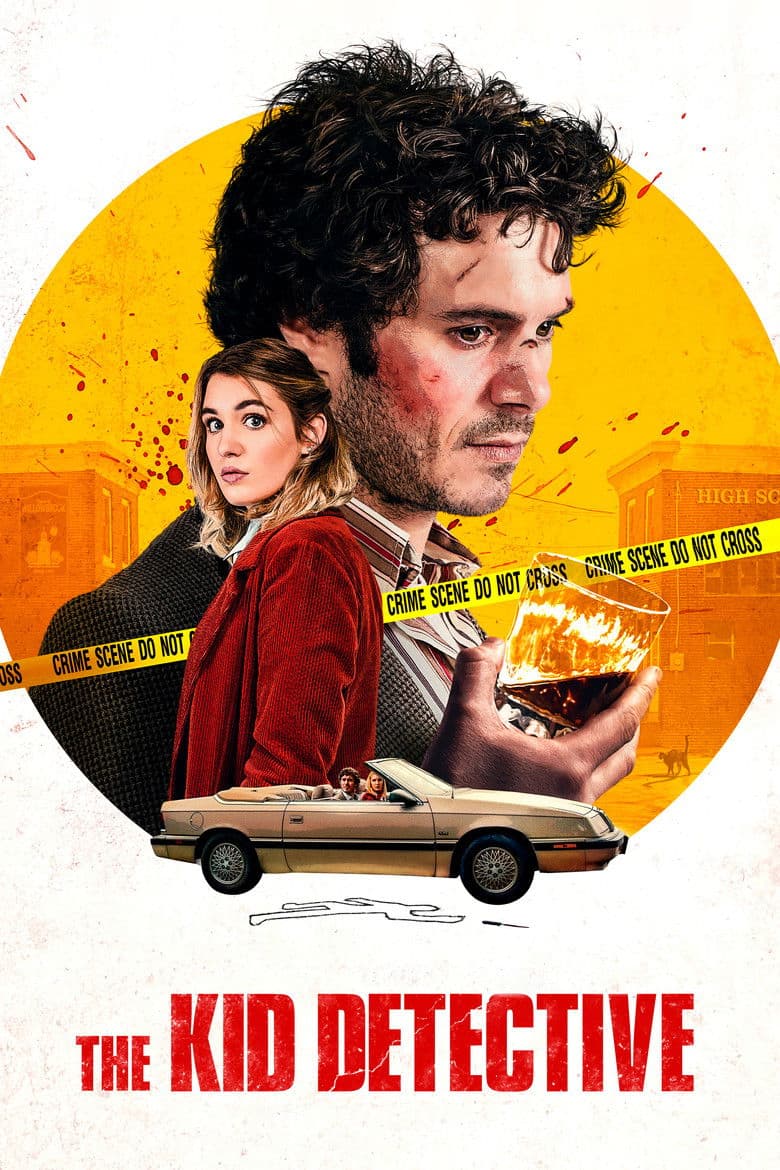
Movie · 2020
A once-celebrated kid detective, now 31, continues to solve the same trivial mysteries between hangovers and bouts of self-pity.
