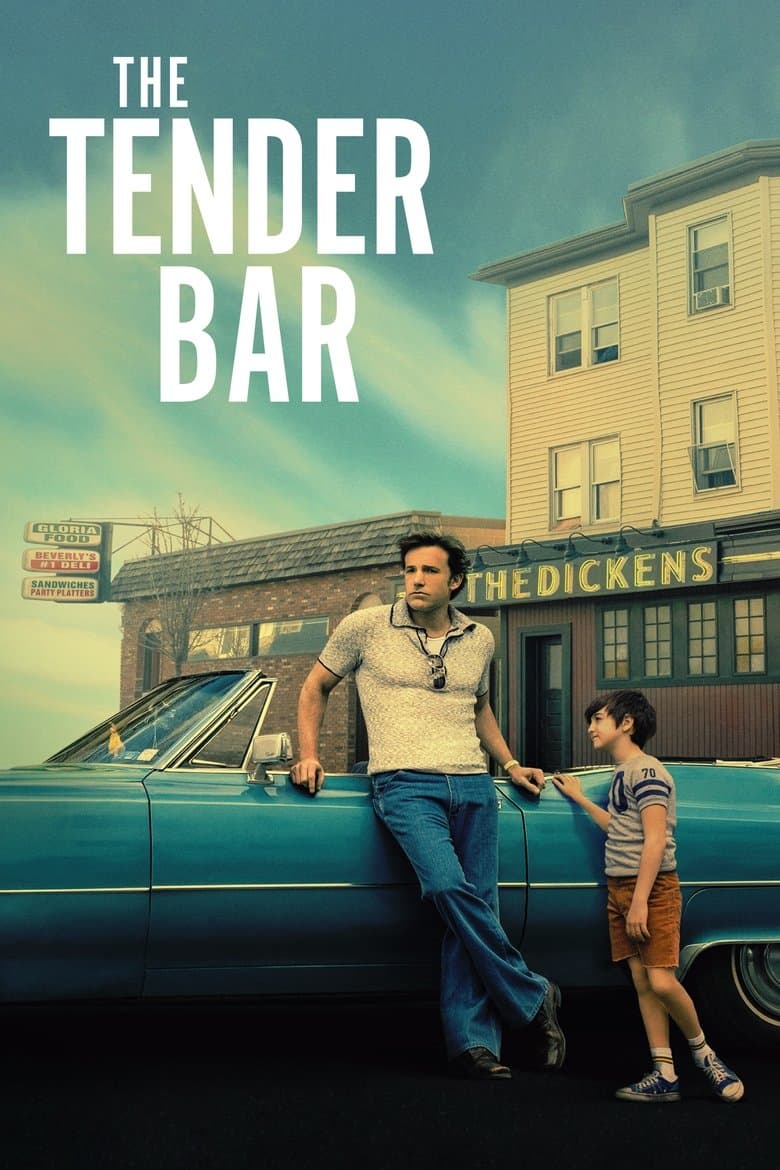
JR is a boy on Long Island in the 1970s without a steady dad. He and his hardworking mom move into her parents’ worn-down house. JR finds a second home at his Uncle Charlie’s bar, where Charlie and the regulars teach him about books, manners, and growing up. As he gets older, he chases college, writing, and first love, while still tied to the bar and his messy family.
The story is a soft, warm coming-of-age tale about family, class, and becoming a man. The main woke-facing choice is casting: JR’s rich Yale girlfriend Sidney, described as a white blonde in the real memoir, is played as black/mixed-race on screen, and his college circle includes a black best friend and an Asian roommate. That race change is clear if you know the book, but the plot treats their story as class and romance, not a race lesson. Dialogue stays personal and old-school, not activist. Most viewers would notice the diverse college cast more than any political message.
Community feedback
Was our 42% Woke rating accurate?
Breakdown
These are the editorial factors and ratings behind our score for The Tender Bar.
Woke representation / casting
Core Maguire family and bar men stay mostly white and period-fitting. The clear signal is the Yale half: Sidney, a big romantic role, is race-swapped from the memoir’s white blonde to a black/mixed actress, with a black mother and diverse roommates (black Wesley, Asian Jimmy). Viewers can see the pattern without a race speech. It is real but not the whole movie.
42%
Woke political dialogue
Talk centers on family, writing, class manners, and Charlie’s old-school male advice. No big activist speeches, campus protest lines, or modern identity lectures show up as a focus.
0%
Identity-driven story themes
The spine is fatherlessness, a pushy loving mom, bar mentors, class climb, and first heartbreak. Race and gender politics are not the engine; even Sidney’s race is barely used as a theme.
3%
Western institutional / cultural critique
There is mild friction with snobby rich Westport/Yale types and pride in working-class grit. The film still praises male mentors, family duty, and personal drive, not a broad attack on Western norms, faith, or “toxic men.”
5%
Woke character or canon changes
Strongest hard fact: memoir Sidney is white/blonde; the film makes her black/mixed. That is an identity-style change to a real, named figure from the source. Other cuts (Arizona years, tidy ending) read as normal movie compression, not ideology.
48%
Anti-woke backlash and complaints
Clear but narrow: Hollywood Elsewhere blasted inclusion-style casting and the Sydney race change; a few viewers online asked the same. No major nationwide anti-woke storm. Some right-leaning coverage even praised the lack of politics.
15%
Creator track record context
Clooney’s liberal public life (38) and Hope’s equity talk (42) pull this up; Monahan, Moehringer, and most of the crew sit near zero. The team’s politics are more classic Hollywood-liberal than DEI-first, and marketing framed the film as family nostalgia.
30%
Production
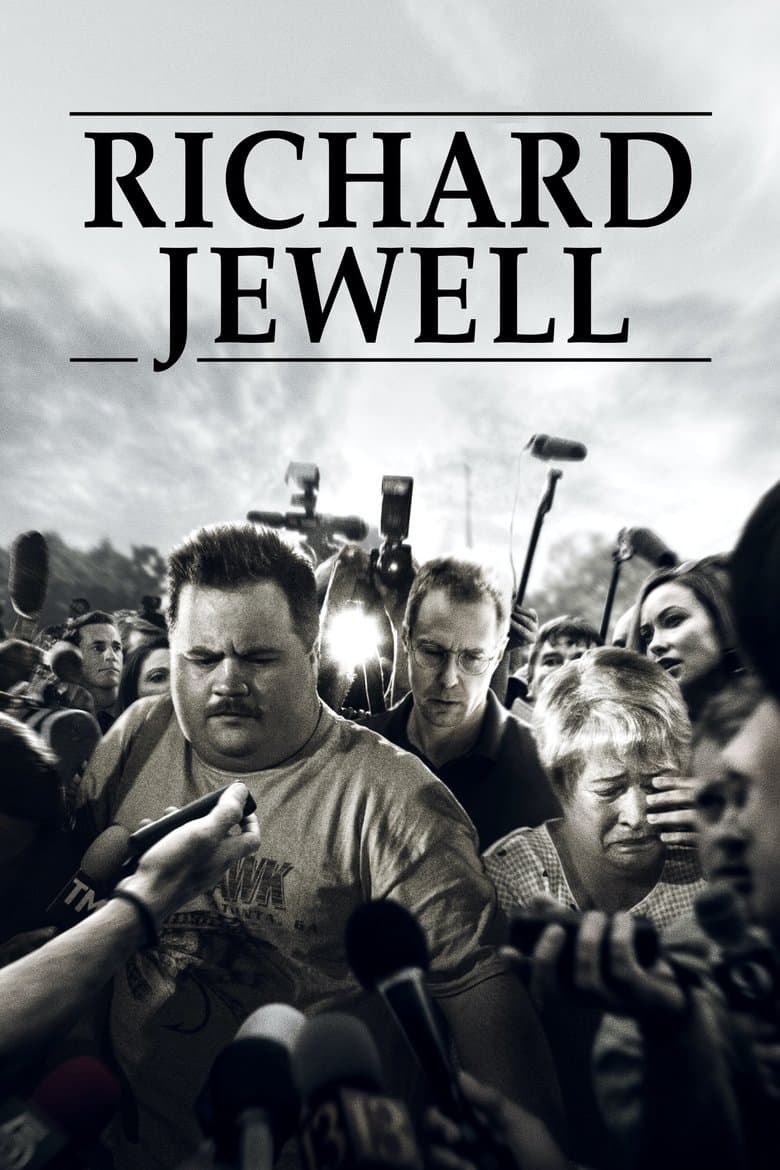
Movie · 2019
Richard Jewell thinks quick, works fast, and saves hundreds, perhaps thousands, of lives after a domestic terrorist plants several pipe bombs and they explode during a concert…
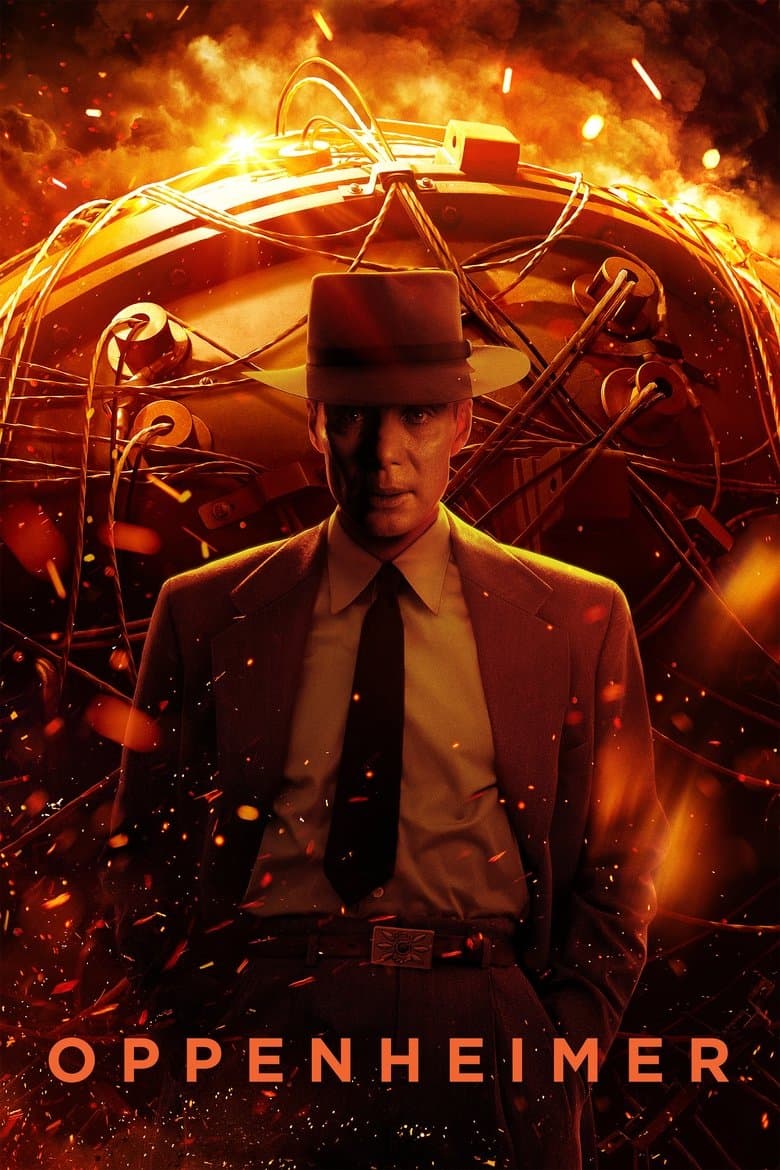
Movie · 2023
The story of J. Robert Oppenheimer's role in the development of the atomic bomb during World War II.
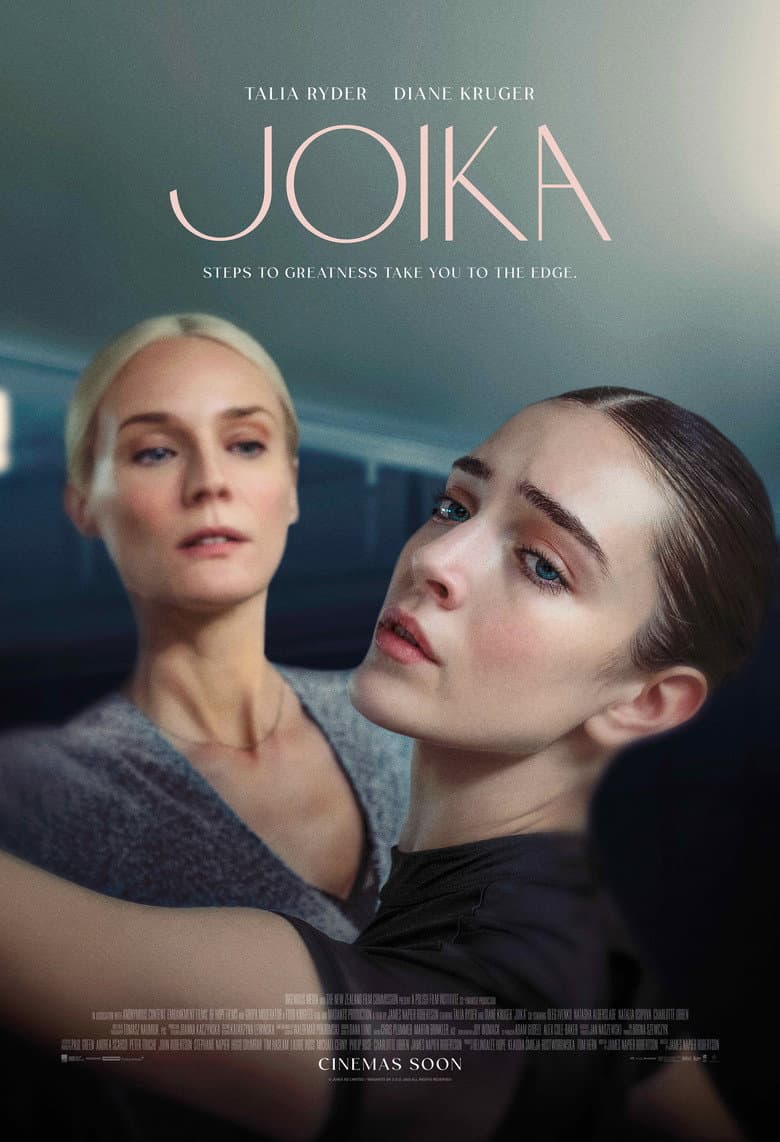
Movie · 2023
American ballet dancer Joy Womack is accepted into Moscow's infamously tough Bolshoi Ballet Academy, with the dream of becoming a great ballerina.

Movie · 2023
The true story of the inseparable Von Erich brothers, who made history in the intensely competitive world of professional wrestling in the early 1980s.
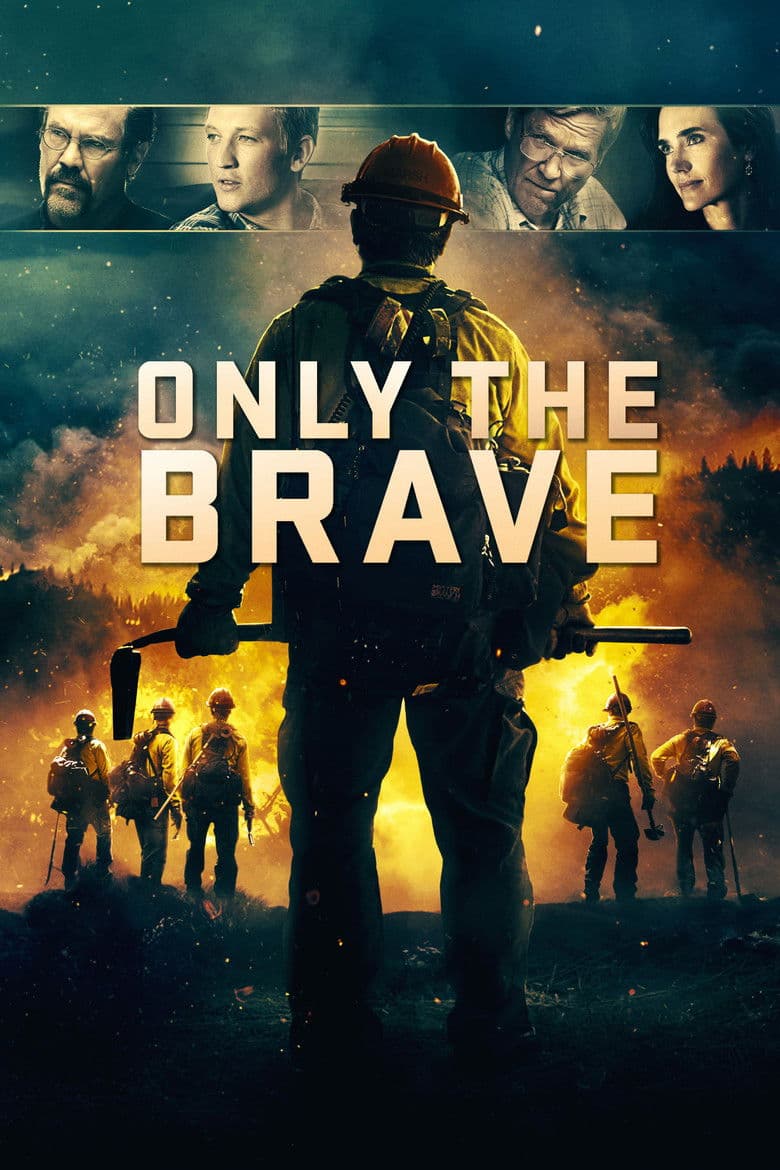
Movie · 2017
Members of the Granite Mountain Hotshots battle deadly wildfires to save an Arizona town.
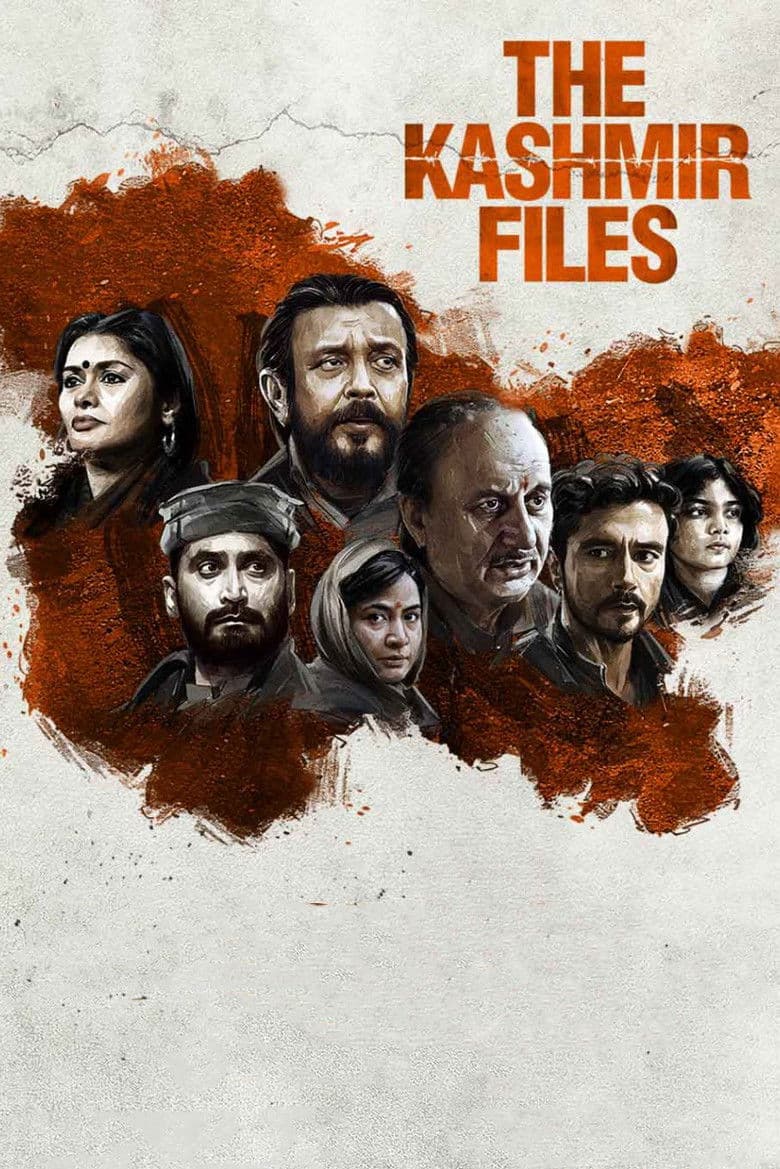
Movie · 2022
Based on a true tragedy, the emotionally triggering film sheds light on the plight of Kashmiri Pandits (Hindus), a religious minority in the 1990s Kashmir valley, who were…
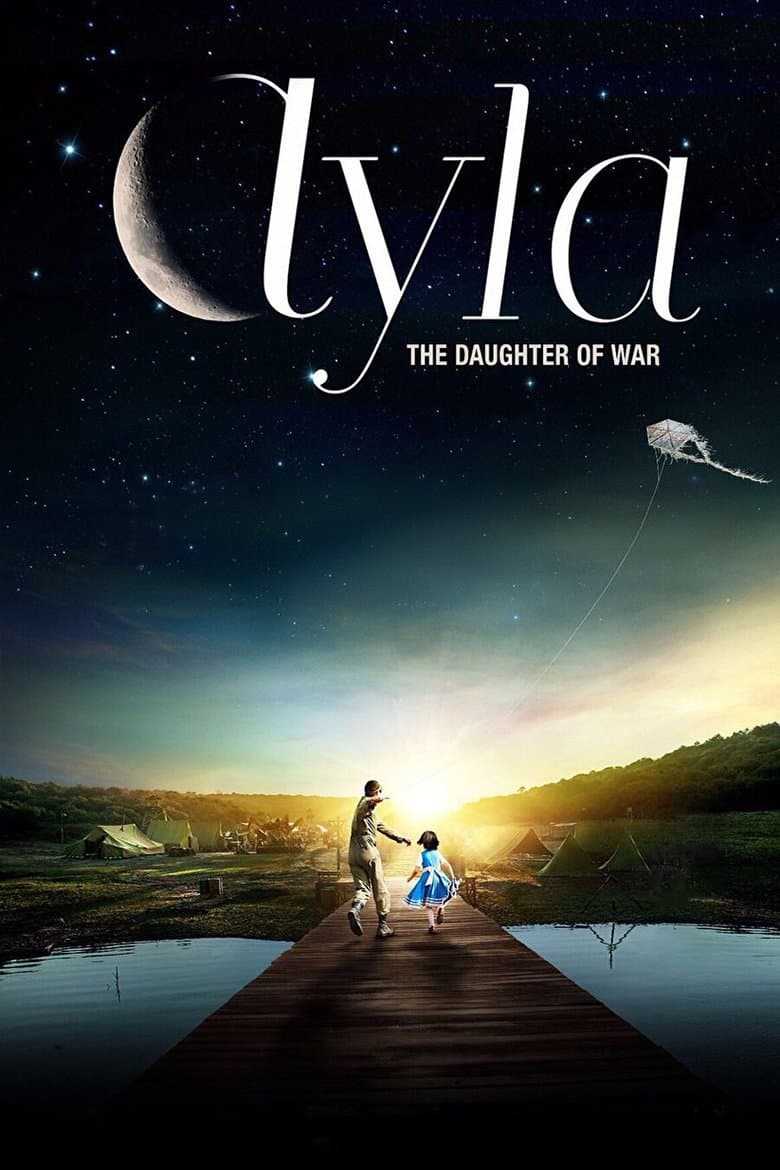
Movie · 2017
In 1950, amidst the ravages of the Korean War, Sergeant Süleyman stumbles upon a a half-frozen little girl, with no parents and no help in sight and he risks his own life to save…
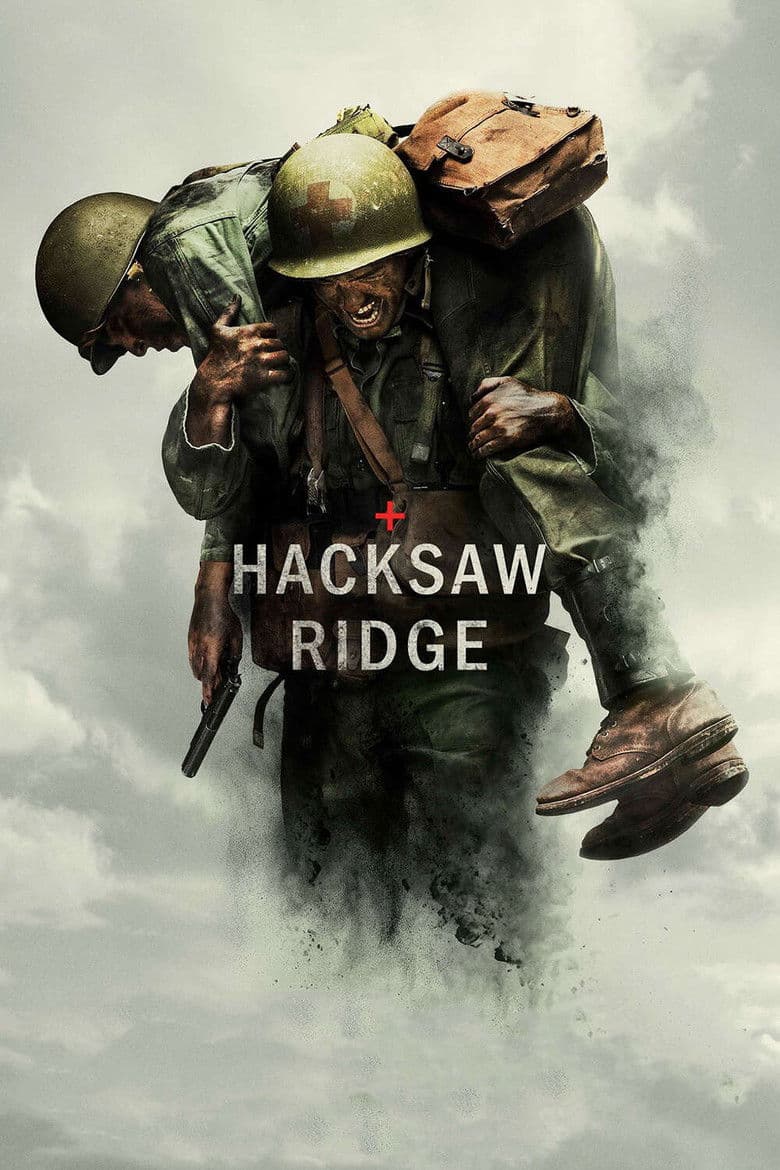
Movie · 2016
WWII American Army Medic Desmond T. Doss, who served during the Battle of Okinawa, refuses to kill people and becomes the first Conscientious Objector in American history to…
