
Carla Nowak is a young math and sports teacher at a German middle school. She tries to protect her students when staff members search children and suspect one boy of stealing. Carla then places a hidden camera in the teachers’ lounge and thinks she has found the thief. Her choice starts a chain of accusations that draws parents, teachers, students, and the school newspaper into the fight. The movie feels tense, cold, and uneasy, with no simple answer about who is right.
The story gives some weight to modern identity and school politics. A Turkish boy is singled out after adults search the boys’ wallets, and his parents say the school treated him unfairly because of his background. Carla’s Polish family background also shapes how she sees prejudice and why she tries to help. The student paper later calls the school’s conduct structural racism, while the film also questions secret filming, public shaming, censorship, and zero-tolerance rules. These ideas matter to the conflict, but the main subject remains proof, trust, guilt, and the damage caused by good intentions.
Community feedback
Was our 49% Woke rating accurate?
Breakdown
These are the editorial factors and ratings behind our score for The Teachers' Lounge.
Woke representation / casting
Not present. The film shows a Polish-origin teacher, a Turkish family, and a mixed modern German class, but those identities fit the story’s setting and characters. The casting is not presented as a diversity-first message.
0%
Woke political dialogue
The parents object to singling out their Turkish son and say that carrying money is not a crime. The student newspaper calls the school’s treatment of a child with migrant parents structural racism. The film also has characters debate privacy, censorship, and surveillance, but most of that talk is about proof and control rather than identity. The political wording is clear in a few scenes, not spread through the whole movie.
30%
Identity-driven story themes
A Turkish boy is singled out after adults search the boys’ wallets, and the film makes racial profiling part of the opening conflict. Carla’s Polish family background matters because she feels pressure to hide her language and fit in. The student paper links the school’s actions to structural racism, and the fallout affects Carla, the boy, and his mother. The story then moves toward proof, trust, gossip, and punishment, so identity matters but does not replace the main theft and accusation plot.
38%
Western institutional / cultural critique
The school uses a zero-tolerance policy, pressures children to name suspects, and searches their wallets. The adults defend order while the film shows how their methods harm students and staff. The hidden camera, parent meeting, student newspaper, and paper ban keep returning the story to privacy, control, and speech. The school works as a small model of society, so the criticism reaches beyond one theft case.
46%
Woke character or canon changes
Not relevant. The film is an original story about a German school, so it does not change a known character, source story, or real historical event.
0%
Anti-woke backlash and complaints
Not present. The film drew arguments about realism, plot logic, and the ending, but no sustained complaints that it pushes woke or DEI ideas were found. The supplied X pass also found no anti-woke complaints.
0%
Creator track record context
Çatak has a strong record of stories and statements about racism, identity, power, and political pressure. Duncker has a moderate record of social and institutional stories without a strong activist public profile. Fliess adds a milder signal through politically engaged production choices. This context supports a high score because it matches the film’s focus on profiling, school authority, privacy, and democracy, although the movie remains an ethical drama rather than direct campaigning.
59%
Production
Movie · 2017
Members of the Granite Mountain Hotshots battle deadly wildfires to save an Arizona town.
Movie · 2016
On 15 January 2009, the world witnessed the 'Miracle on the Hudson' when Captain 'Sully' Sullenberger glided his disabled plane onto the Hudson River, saving the lives of all 155…
Movie · 2022
London, 1953. Mr. Williams, a veteran civil servant, is an important cog within the city's bureaucracy as it struggles to rebuild in the aftermath of World War II.
Movie · 2016
In a desolate war zone where screams of the innocent echo, on the very line between disaster and valor, 7 Maroon Berets will dance with death.
Movie · 2019
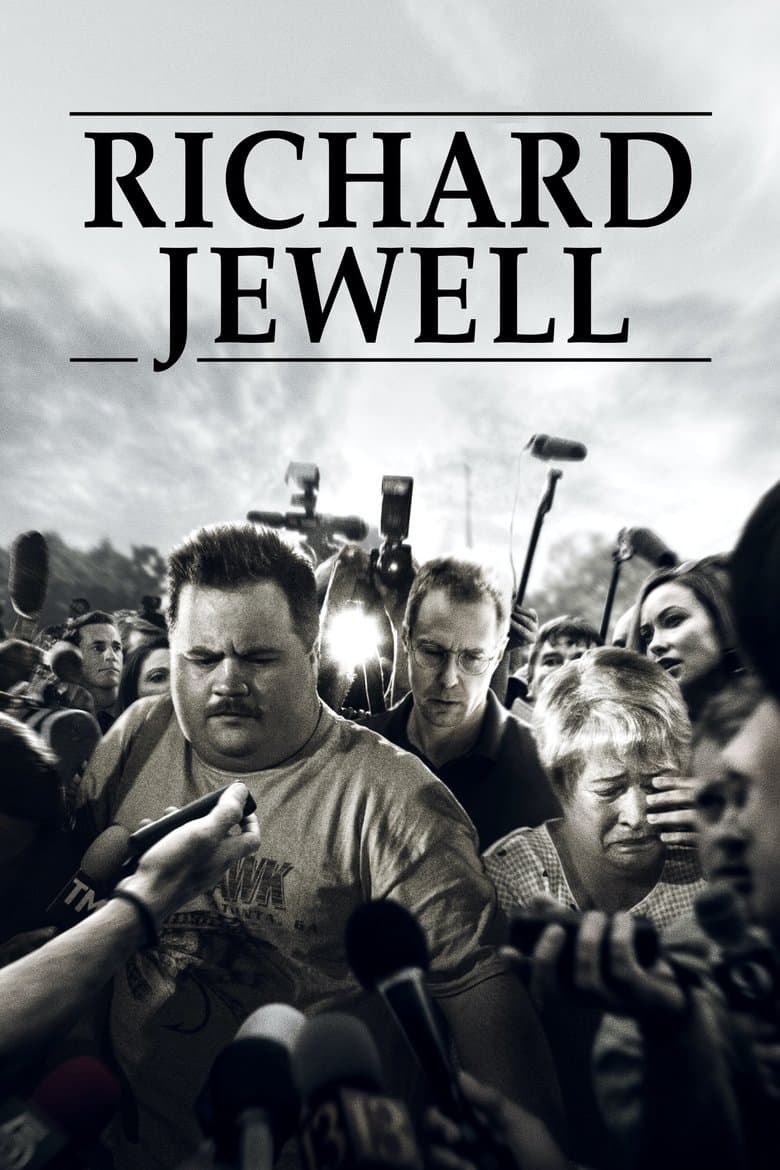
Richard Jewell thinks quick, works fast, and saves hundreds, perhaps thousands, of lives after a domestic terrorist plants several pipe bombs and they explode during a concert…

Movie · 2023
The story of J. Robert Oppenheimer's role in the development of the atomic bomb during World War II.

Movie · 2022
Based on a true tragedy, the emotionally triggering film sheds light on the plight of Kashmiri Pandits (Hindus), a religious minority in the 1990s Kashmir valley, who were…

Movie · 2022
A quiet, neglected girl is sent away from her dysfunctional family to live with relatives for the summer. She blossoms in their care, but in this house where there are meant to be…
