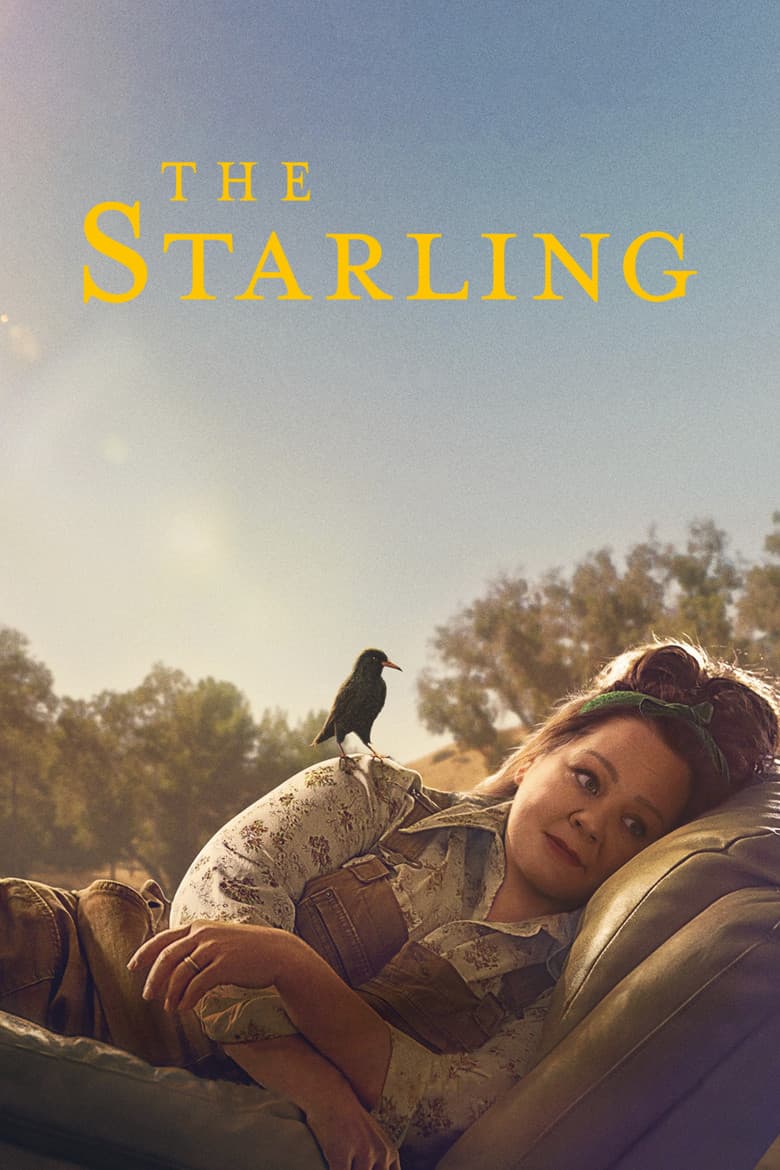
The Starling follows Lilly Maynard, a woman living in a quiet country home after the death of her baby daughter. She works at a grocery store, cares for the house, and visits her husband Jack at a mental health center after he tries to take his own life. A hostile bird attacks Lilly whenever she works in her garden, so she visits Larry, a former therapist who now treats animals. The movie uses sad family drama, awkward jokes, and a small story about a bird to show a couple trying to live with grief.
The clearest woke element is the film’s gender-role reversal. Lilly is the steady worker and caretaker, while Jack is the husband who breaks down and needs long-term help. The story gives Lilly the active role in keeping life moving, and it treats the usual strong man and weaker woman pattern as old and untrue. Lilly still hides her feelings and makes harmful choices, so the movie does not present her as perfect. The gender message runs through the central marriage, but grief, mental health, forgiveness, and hope remain the main subjects.
Community feedback
Was our 42% Woke rating accurate?
Breakdown
These are the editorial factors and ratings behind our score for The Starling.
Woke representation / casting
The main couple is built around a gender-role choice: Lilly is the working partner who keeps the home going, while Jack is the partner in treatment after a suicide attempt. The film also places black actors in several small support roles and an Asian actor in a named support role, but those identities do not shape the story. Melfi publicly described the lead setup as a way to avoid the usual strong-man and weaker-woman pattern. The identity signal is visible in the lead couple, but the film does not use broad diversity-first casting.
24%
Woke political dialogue
Not present. The dialogue covers grief, therapy, marriage, work, and faith. It does not push identity politics, DEI, or activist ideas.
0%
Identity-driven story themes
The film repeatedly makes Lilly the person who works, cares for the house, visits Jack, and starts the healing process. The film makes Jack the spouse who cannot function after the loss and needs institutional care. This creates a clear female-strength and male-weakness pattern that shapes the marriage plot. The story also shows Lilly’s pain and Jack’s progress, so the gender message shares space with grief and mental health.
52%
Western institutional / cultural critique
The film pushes against a familiar family role by making Lilly the daily provider and Jack the partner who needs care. The story does not call men oppressive or attack marriage, religion, work, or other Western institutions. The Western institutional / cultural critique stays limited to the idea that traditional gender roles do not always fit real life.
24%
Woke character or canon changes
Not relevant. The movie is an original story with no established characters, franchise canon, book, or real historical figures. Development notes mention a role swap, but the finished film does not alter a known source.
0%
Anti-woke backlash and complaints
Not present. No qualifying complaints were found. Online criticism focused on tone, writing, acting, grief, and the bird. The supplied X pass also found no anti-woke reaction.
0%
Creator track record context
Melfi’s past work includes Hidden Figures, which centers black women at NASA and the barriers they faced. Vernieu has spoken about representation. Harris has no clear activist record, and most producers have little public woke context, though one producer has a stronger identity-focused record. The group gives this film some supporting context, but not a strong shared activist record.
29%
Production
Movie · 2022
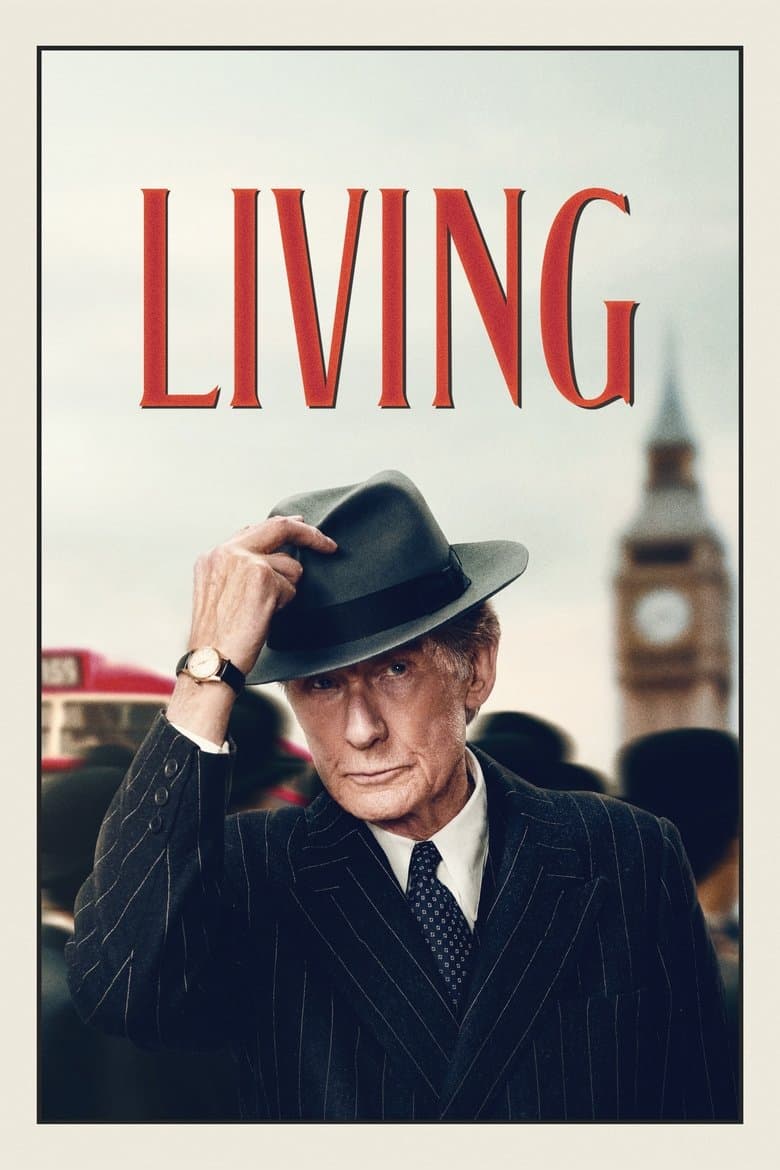
London, 1953. Mr. Williams, a veteran civil servant, is an important cog within the city's bureaucracy as it struggles to rebuild in the aftermath of World War II.
Movie · 2017
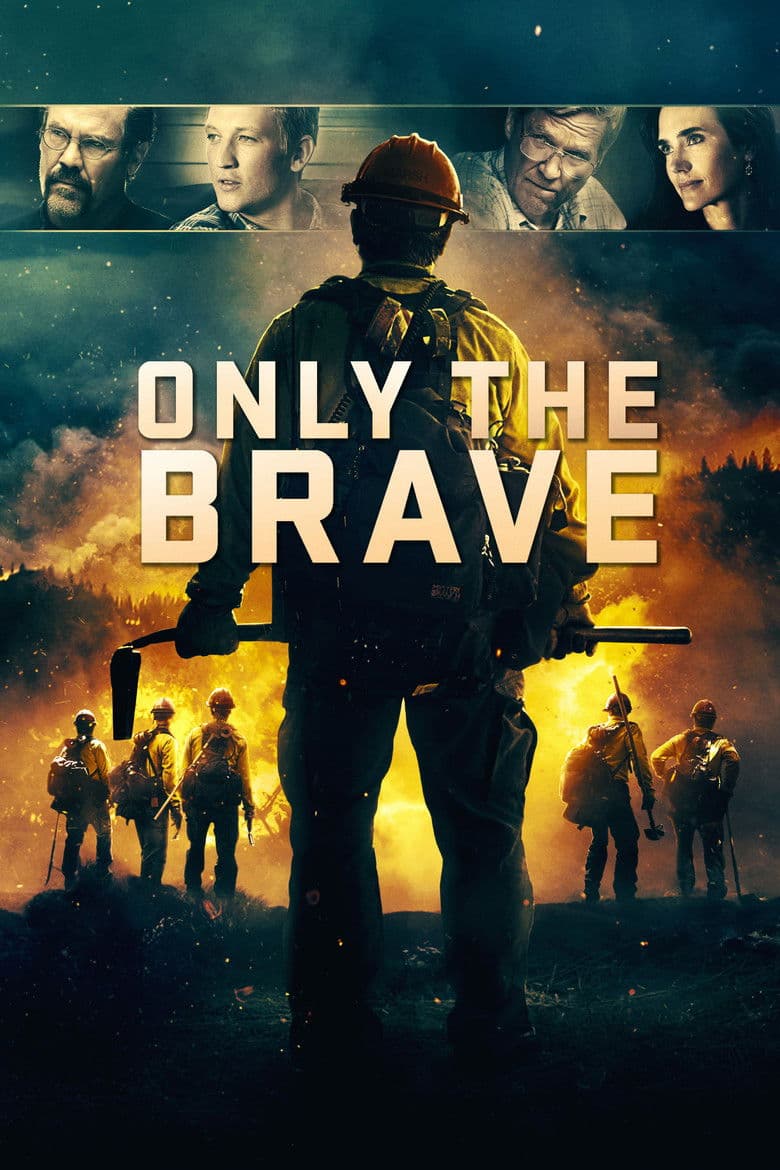
Members of the Granite Mountain Hotshots battle deadly wildfires to save an Arizona town.
Movie · 2017
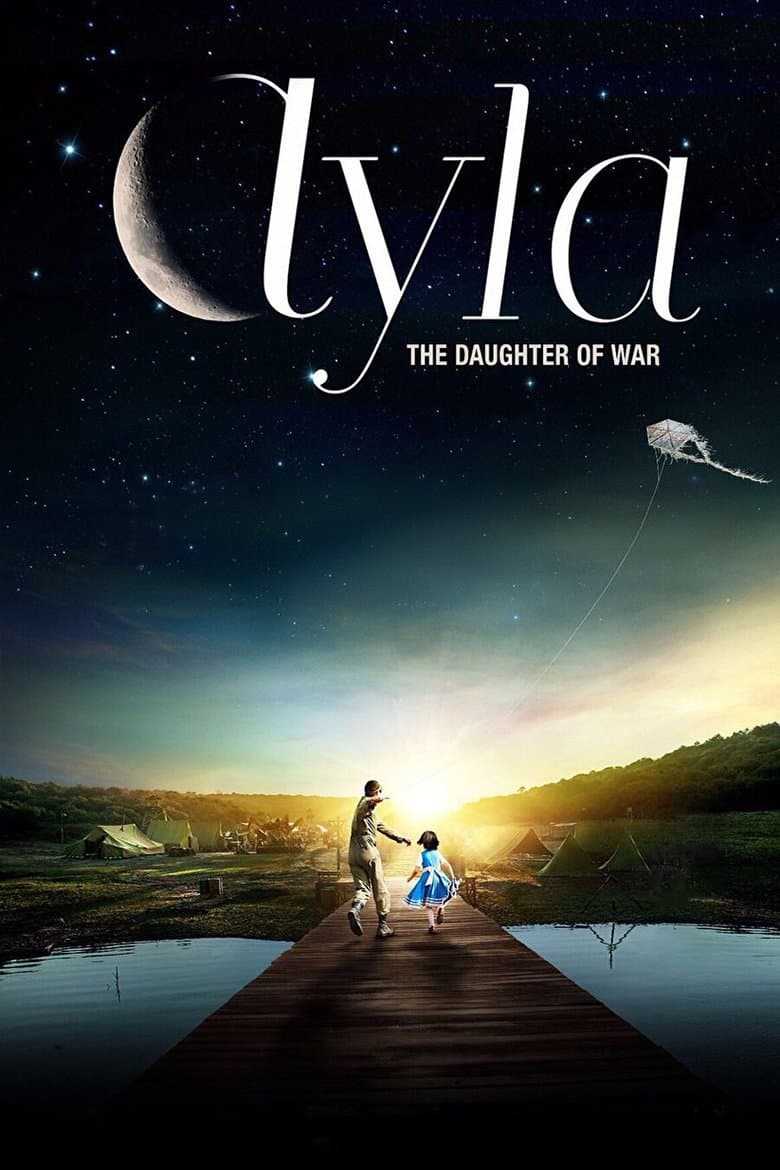
In 1950, amidst the ravages of the Korean War, Sergeant Süleyman stumbles upon a a half-frozen little girl, with no parents and no help in sight and he risks his own life to save…
Movie · 2019
Richard Jewell thinks quick, works fast, and saves hundreds, perhaps thousands, of lives after a domestic terrorist plants several pipe bombs and they explode during a concert…
Movie · 2026
While people across 1990s Iraq struggle to survive the war and food shortages, Saddam Hussein requires each school in the country to prepare a cake to celebrate his birthday.
Movie · 2016
On 15 January 2009, the world witnessed the 'Miracle on the Hudson' when Captain 'Sully' Sullenberger glided his disabled plane onto the Hudson River, saving the lives of all 155…
Movie · 2022
Based on a true tragedy, the emotionally triggering film sheds light on the plight of Kashmiri Pandits (Hindus), a religious minority in the 1990s Kashmir valley, who were…
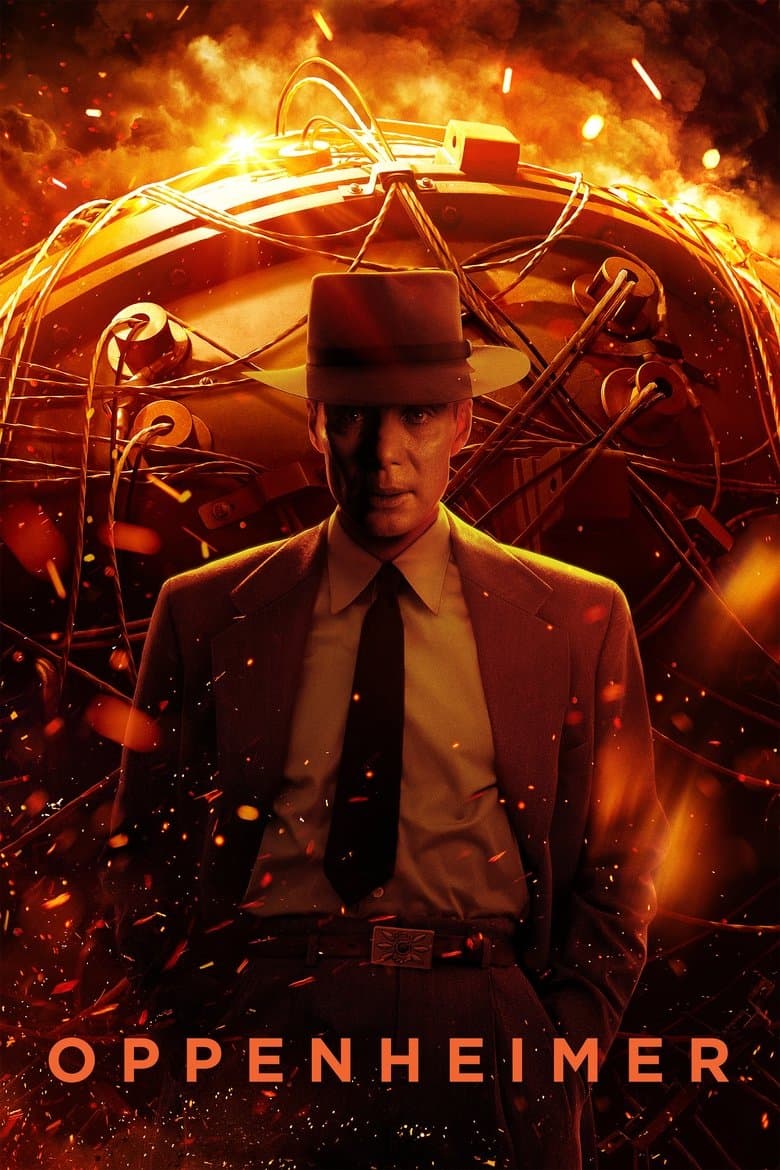
Movie · 2023
The story of J. Robert Oppenheimer's role in the development of the atomic bomb during World War II.
