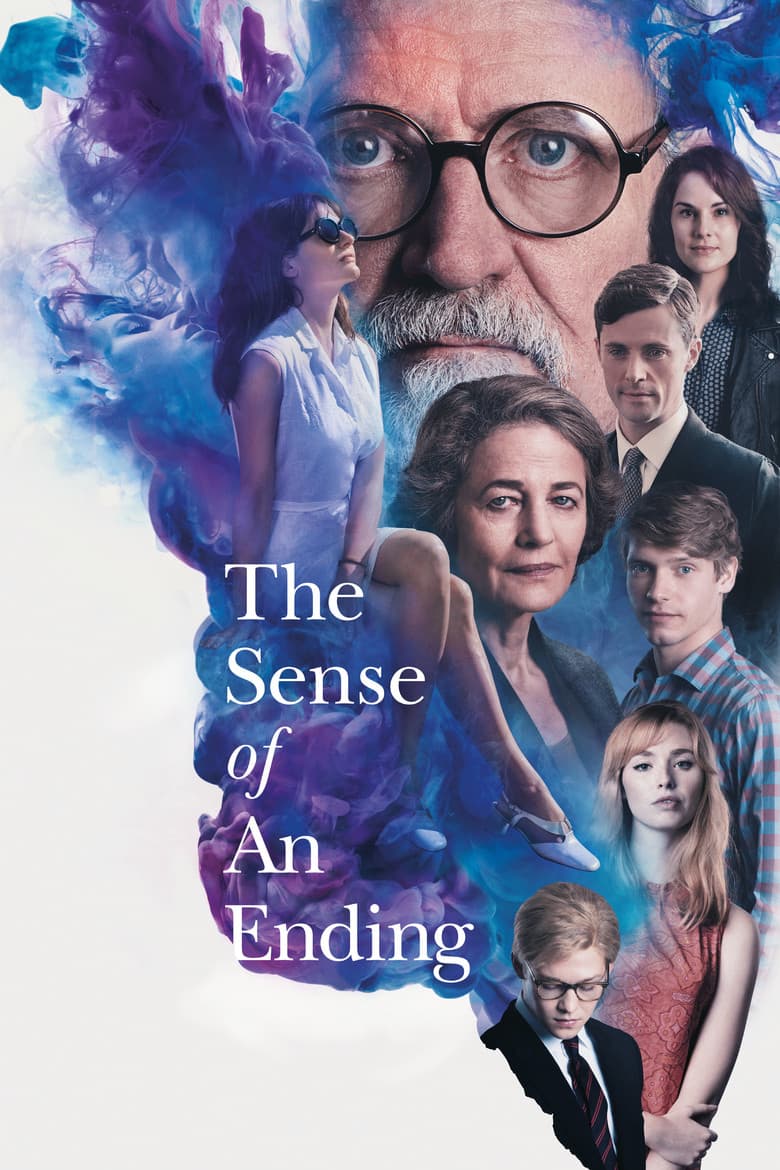
Tony Webster runs a small camera shop in London after his divorce. He spends much of his quiet life with his former wife Margaret and his adult daughter Susie. A letter from Veronica’s mother gives Tony money and tells him about a diary that he cannot obtain. Tony returns to his school years, his friendship with Adrian Finn, and the painful end of his romance with Veronica. The mystery shows that Tony remembers the past in a way that protects him from blame. The story follows his struggle with age, guilt, love, regret, and the need to face the truth.
Susie is a lesbian who is pregnant and plans to raise a child with medical help. Her family life adds a modern family theme to Tony’s older mystery. The film treats her path to motherhood as normal and positive, but it does not make her identity the main subject. Tony’s cruel letter and his selfish view of the past create the central conflict. Margaret, Veronica, and Susie challenge Tony’s behavior and make him admit that he was not innocent. The film ends with family, regret, and a small chance for forgiveness. The identity content matters, but memory, guilt, and moral responsibility matter more.
Community feedback
Was our 36% Woke rating accurate?
Breakdown
These are the editorial factors and ratings behind our score for The Sense of an Ending.
Woke representation / casting
Not present. The main cast is a mostly white British group that fits the London and 1960s British setting. The film does not present its casting as a diversity message.
0%
Woke political dialogue
Tony makes a crude joke about once knowing a lesbian. Susie points out a lesbian couple at the birth class. These lines appear briefly in family scenes. The film does not turn them into a speech about rights or politics.
22%
Identity-driven story themes
Susie is a lesbian who plans to have a child with medical help and raise the child on her own. Her pregnancy and family life return several times and shape Tony’s present-day life. The film treats her path to motherhood as normal and positive. The main mystery remains about memory, guilt, and regret. This identity theme is important but secondary.
34%
Western institutional / cultural critique
Tony shows male entitlement through his cruel letter to Veronica. Tony also refuses to respect Veronica’s wish to keep the diary. Margaret, Veronica, and Susie push back against his selfish behavior. The film treats this as one man’s moral failure. The film does not make it a broad attack on men, marriage, or Western institutions.
18%
Woke character or canon changes
The film changes Susie from the married daughter in Barnes’s novel into a lesbian single mother-to-be. The film expands her from a smaller book role into a recurring part of Tony’s present life. This identity-related change is clear. The change remains outside the main mystery.
34%
Anti-woke backlash and complaints
Not present. No anti-woke complaints were found in the searched sources. No claims were found that the film pushes DEI or identity politics.
0%
Creator track record context
Batra’s cached record shows social observation and some feminist discussion. Batra does not have a strong activist public profile. Barnes and Payne mainly write about memory, love, class, and human relationships. Nina Gold has supported diversity in casting. Ben Browning has a feminist project in his record. These signals provide mild context because the film itself is not built around their broader work.
20%
Production

Movie · 2017
Susan, a single mother of two, works as a waitress in a small town. Her son, Henry, is an 11-year-old genius who not only manages the family finances but acts as emotional support…

Movie · 2026
Through unlikely bonds formed during night shifts at a local aquarium, Tova, an elderly widow, learns of a life-changing discovery that may bring her joy and wonder once again.
Movie · 2019
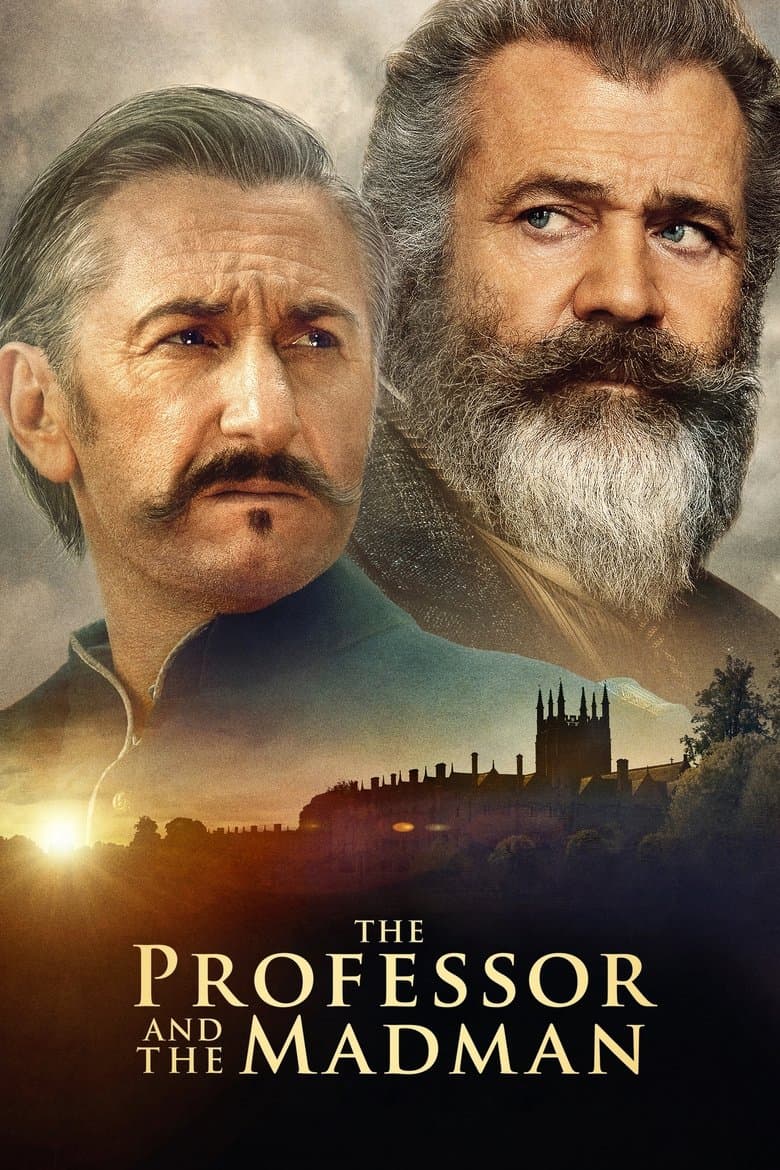
Professor James Murray begins work compiling words for the first edition of the Oxford English Dictionary in the mid 19th century, and receives over 10,000 entries from a patient…
Movie · 2023
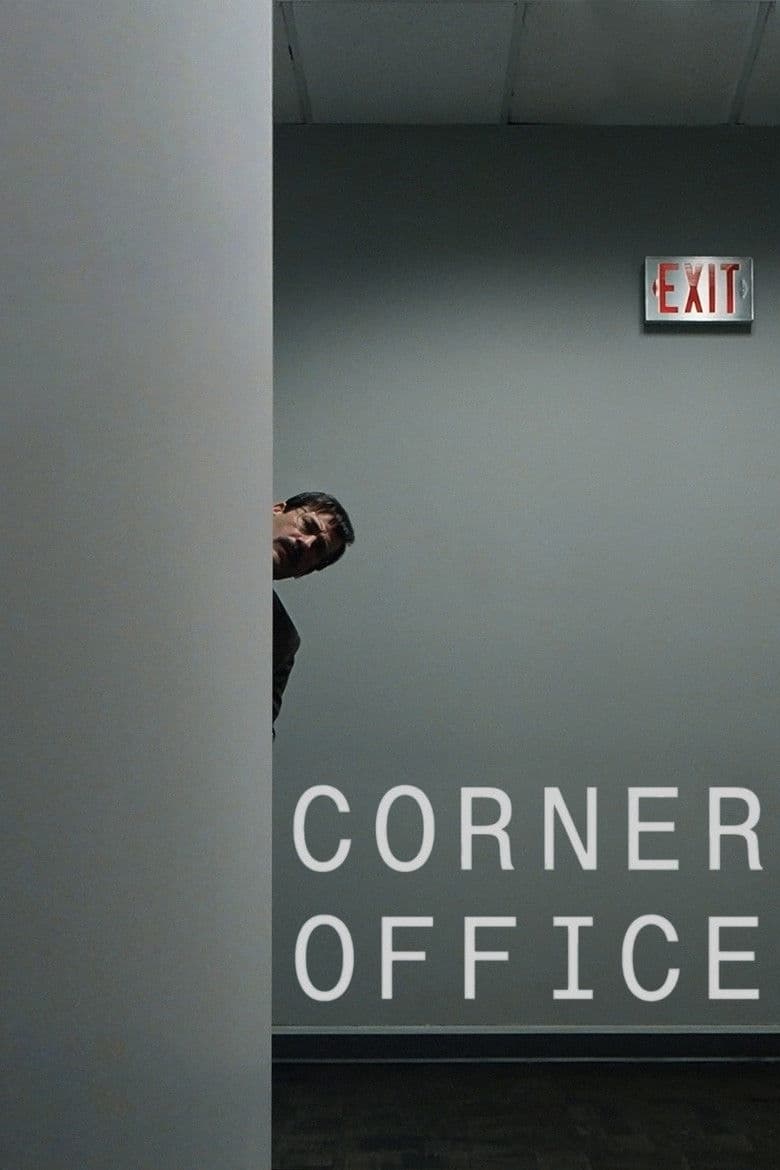
In this office satire, Orson, a straight-laced employee, retreats to a blissfully empty corner office to get away from his lackluster colleagues.

Movie · 2018
An up-and-coming journalist finds his world and faith increasingly challenged when he's granted the interview of a lifetime – with someone who claims to be God.
Movie · 2017
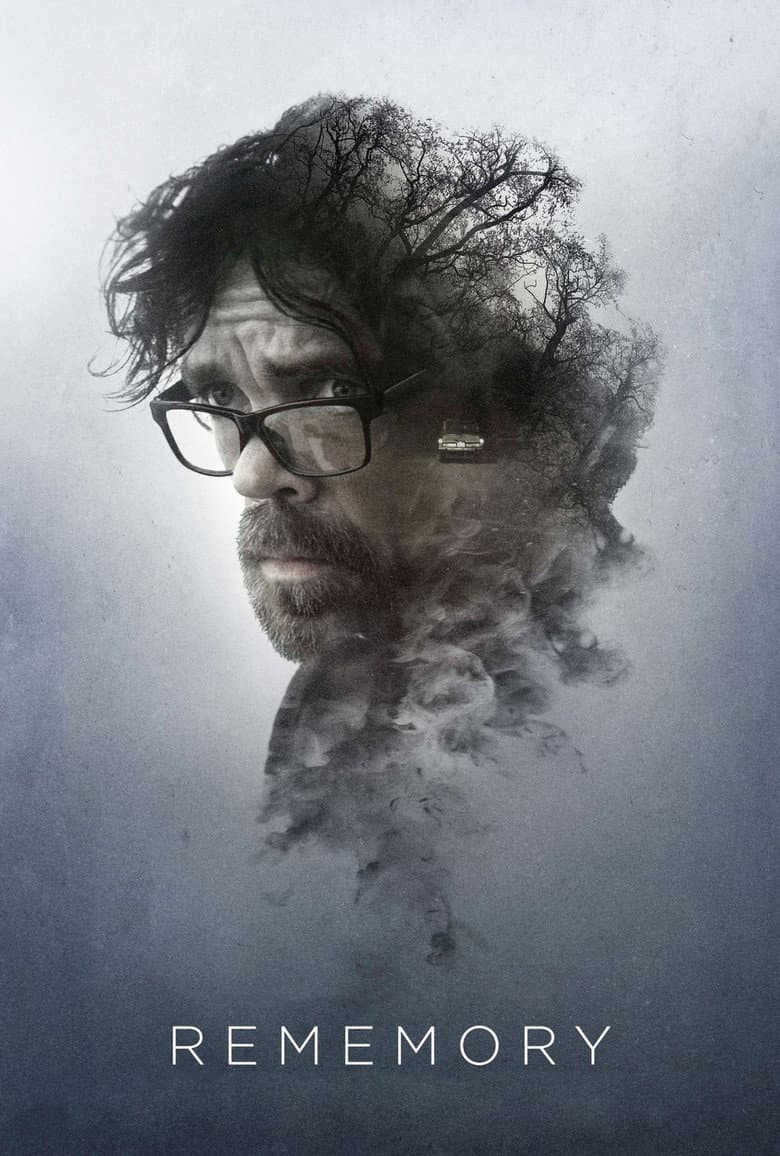
The widow of a wise professor stumbles upon one of his inventions that's able to record and play a person's memory.

Movie · 2018
After suspecting that their police officer neighbor is a serial killer, a group of teenage friends spend their summer spying on him and gathering evidence, but as they get closer…

Movie · 2016
Taking place after alien crafts land around the world, an expert linguist is recruited by the military to determine whether they come in peace or are a threat.
