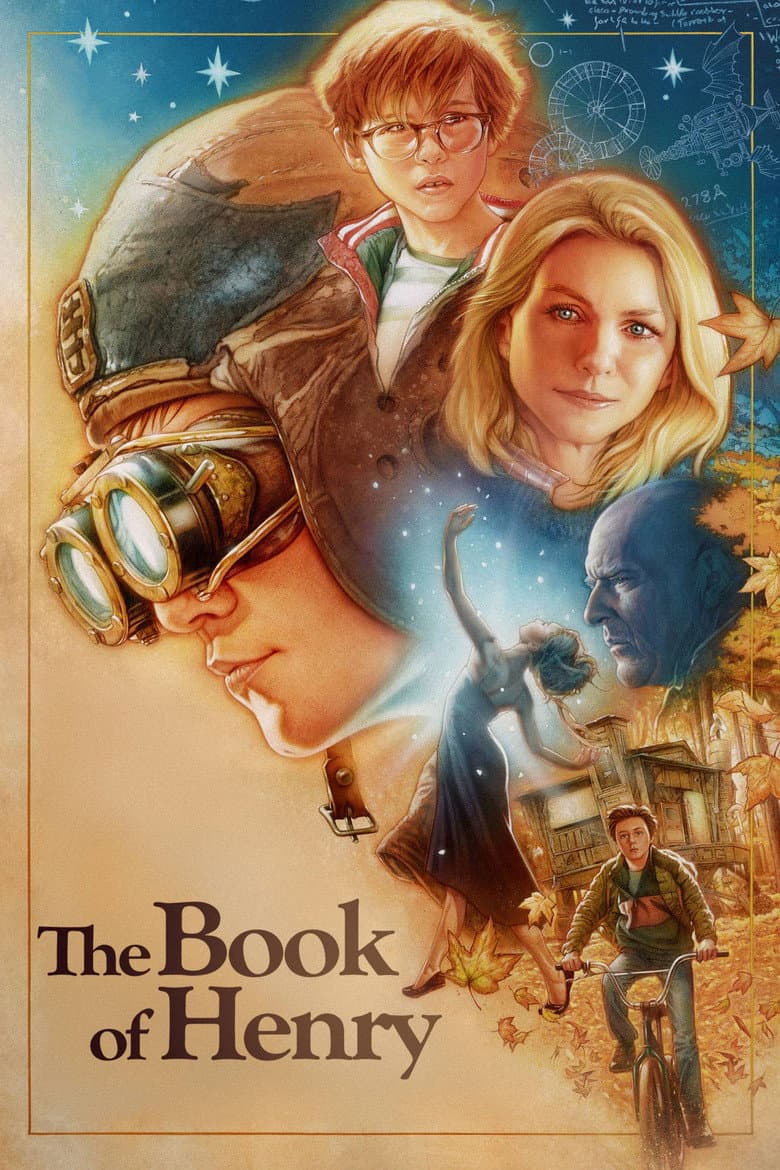
The Book of Henry is a drama and thriller set in a quiet small town. Susan Carpenter is a single mother who works as a waitress and raises Henry and Peter. Henry is an 11-year-old genius who manages the family’s money and often acts like the adult at home. When Henry learns that his neighbor Christina is being abused by her stepfather, he creates a dangerous plan to protect her. The film shifts from warm family scenes to grief, suspense, and revenge.
The story centers on family duty, child abuse, death, and the need to act when people ignore suffering. Henry tells Susan that helping someone in danger is everyone’s business. Susan later follows Henry’s written plan, buys a gun, and prepares to confront the abuser. Her choices create the film’s main question about whether love and good intentions can excuse murder. The ending gives Christina a safe home and lets Susan begin a new life with her children.
Community feedback
Was our 4% Woke rating accurate?
Breakdown
These are the editorial factors and ratings behind our score for The Book of Henry.
Woke representation / casting
Not present. The main family and neighbor roles are mostly white, and the film does not make their casting an identity statement. The supporting cast includes a black principal, but the story does not build a repeated pattern of identity-based heroes or leaders.
0%
Woke political dialogue
Not present. The film uses moral lines about apathy and helping people in danger. The characters do not use modern identity, gender-role, DEI, or activist language.
0%
Identity-driven story themes
Not present. The story centers on child abuse, cancer, grief, family loyalty, and a dangerous plan for justice. Susan acts because Henry leaves instructions, not because the film argues for a modern gender or identity cause.
0%
Western institutional / cultural critique
Not present. The film shows a police chief abusing his stepdaughter and a child-services link that makes reporting harder. That is a local crime problem, not a broad attack on Western institutions, family life, religion, or capitalism.
0%
Woke character or canon changes
Not relevant. The film is an original story about the Carpenter and Sickleman families. It does not change a known character, historical figure, or source canon.
0%
Anti-woke backlash and complaints
Not present. Public reaction focused on the film’s odd tone, child abuse, grief, and unrealistic revenge plan. The supplied X pass found no anti-woke complaints, and no meaningful anti-woke backlash appeared in the reviewed material.
0%
Creator track record context
Writer Gregg Hurwitz has a mild liberal political record through political advertising and bipartisan work. Producer Jenette Kahn has a stronger progressive social-issue record. Director Colin Trevorrow and most other producers have low scores and no identity-focused public profile. This gives the factor a low supporting score.
20%
Production

Movie · 2022
One woman's journey for self-discovery and turns into a harrowing tale of survival.
Movie · 2023
When her mother disappears while on vacation in Colombia with her new boyfriend, June’s search for answers is hindered by international red tape.
Movie · 2022
7 years after the case related to Vijay Salgaonkar and his family was closed, a series of unexpected events bring truth to light that threatens to change everything for the…
Movie · 2017
Barcelona, Spain. Adrián Doria, a young and successful businessman accused of murder, meets one night with Virginia Goodman, an expert interrogation lawyer, in order to devise a…
Movie · 2018
After David Kim's 16-year-old daughter goes missing, a local investigation is opened and a detective is assigned to the case.
Movie · 2019
Professor James Murray begins work compiling words for the first edition of the Oxford English Dictionary in the mid 19th century, and receives over 10,000 entries from a patient…

Movie · 2018
Looking to investigate recruitment techniques of ISIS to lure women into Syria, a journalist creates a Facebook profile of a Muslim convert.
Movie · 2024
Roy Freeman, an ex-homicide detective with a fractured memory, is forced to revisit a case he can't remember.
