
At a quiet country estate beside a lake in Russia, a group of artists and relatives spend the summer together. Irina is a famous actress who wants to keep her place in the spotlight. Her son Konstantin wants to make new theater, but he feels ignored by his mother and rejected by Nina, the young woman he loves. Nina is drawn to Irina’s lover Boris, and the tangled romances grow more painful as the story moves toward tragedy.
The film centers on love that is not returned, artistic jealousy, aging, and the wish to live a fuller life. Irina uses charm and fame to control people, while Konstantin treats his mother and Masha with cruelty. Nina hopes acting will free her from a narrow life, but Boris uses his fame and attention to pull her into a damaging affair. Masha, Polina, and Nina face unhappy choices, and the story ends with a dark view of love, ambition, and despair.
Community feedback
Was our 23% Woke rating accurate?
Breakdown
These are the editorial factors and ratings behind our score for The Seagull.
Woke representation / casting
Not present. The film follows Chekhov’s three female roles and six male roles. The cast shows no visible diversity-first pattern beyond the source design.
0%
Woke political dialogue
Not present. The characters talk about love, art, fame, jealousy, drinking, and despair. The film has no modern DEI or activist speech.
0%
Identity-driven story themes
The film shows the famous writer Boris using his status and attention to pressure the young Nina into an affair. The film gives women control over important choices, but Irina, Nina, and Masha are all flawed and often hurt others. Mayer said this pressure has a #MeToo feeling, which adds a modern identity reading to one subplot. Most of the story stays focused on Chekhov’s older themes of love, art, fame, and despair.
24%
Western institutional / cultural critique
The film shows Boris using his fame to pressure Nina and shows several unhappy relationships where men and women damage each other. Mayer linked Boris’s conduct to a #MeToo feeling in an interview about the film. The story does not turn these problems into a broad attack on patriarchy, Christianity, capitalism, or Western institutions.
18%
Woke character or canon changes
Not relevant. The film keeps Chekhov’s main characters, relationships, and tragic ending. Its changes include a reordered opening and shorter dialogue, not identity-based rewrites.
0%
Anti-woke backlash and complaints
Not present. The supplied X pass found no anti-woke reaction or specific complaints. Web and audience coverage focused on acting, pacing, Chekhov, and the stage-to-film change, not DEI or identity politics.
0%
Creator track record context
Mayer has a recurring record of queer and sexuality-focused work, and Karam often writes about gay identity and family life. Ron Simons and Miranda de Pencier have stronger records tied to racial, LGBT, Indigenous, or wider representation work. Tom Hulce has helped produce some outsider and sexuality-focused theater, but many other producers have little or no public activist record. This creates some background identity context, although the film itself is not a queer or diversity-centered story.
32%
Production
Movie · 2016
The story of a young man who arrives in Hollywood during the 1930s hoping to work in the film industry, falls in love, and finds himself swept up in the vibrant café society that…
Movie · 2024
Fran likes to think about dying. It brings sensation to her quiet life. When she makes the new guy at work laugh, it leads to more: a date, a slice of pie, a conversation, a…
Movie · 2016
Mia, an aspiring actress, serves lattes to movie stars in between auditions and Sebastian, a jazz musician, scrapes by playing cocktail party gigs in dingy bars, but as success…
Movie · 2016
From Jane Austen’s novella, the beautiful and cunning Lady Susan Vernon visits the estate of her in-laws to wait out colorful rumors of her dalliances and to find husbands for…
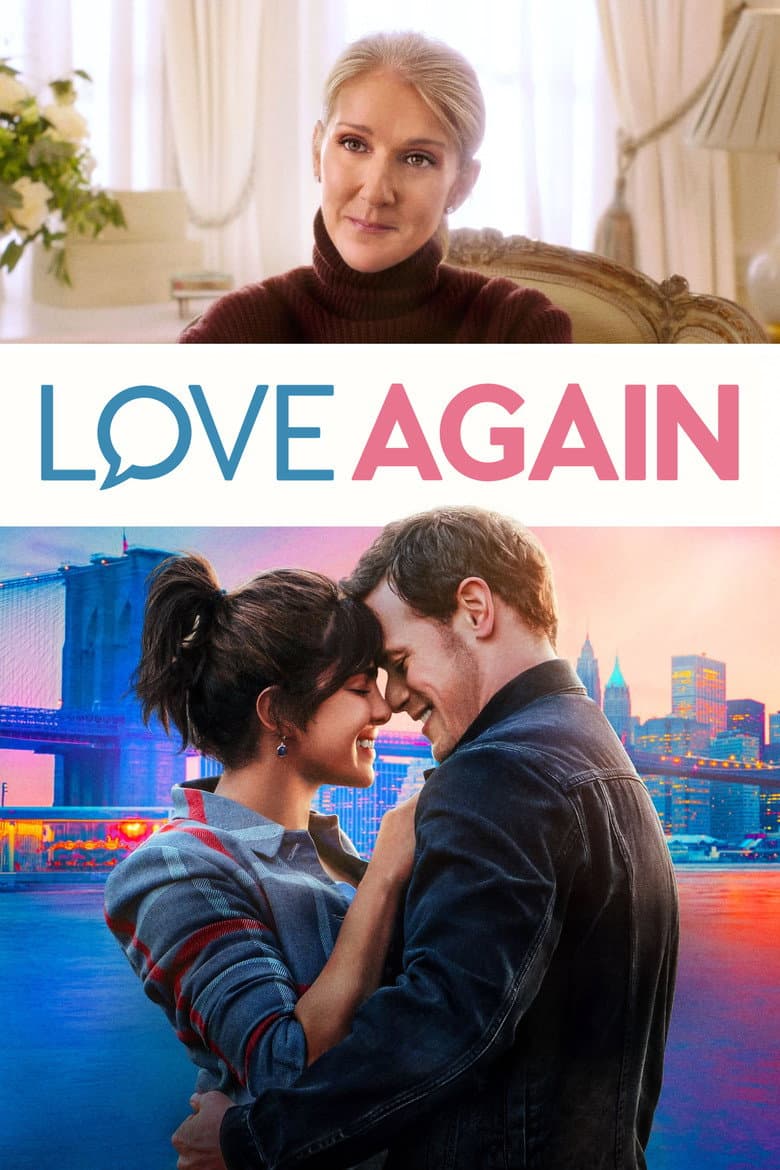
Movie · 2023
Mira Ray, dealing with the loss of her fiancé, John, sends a series of romantic texts to his old cell phone number… not realizing the number was reassigned to Rob Burns' new work…
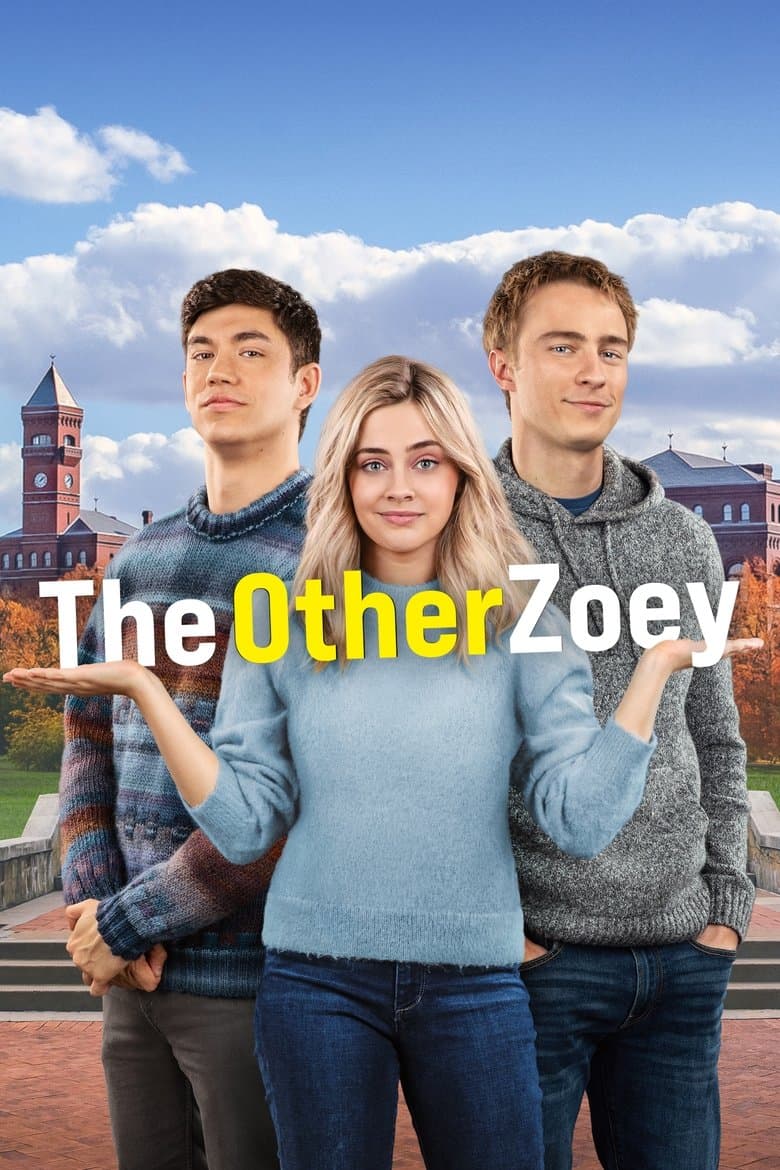
Movie · 2023
Highly intelligent computer major Zoey Miller is uninterested in romantic love, but her life is turned upside down when Zack, the school's soccer star, gets amnesia and mistakes…
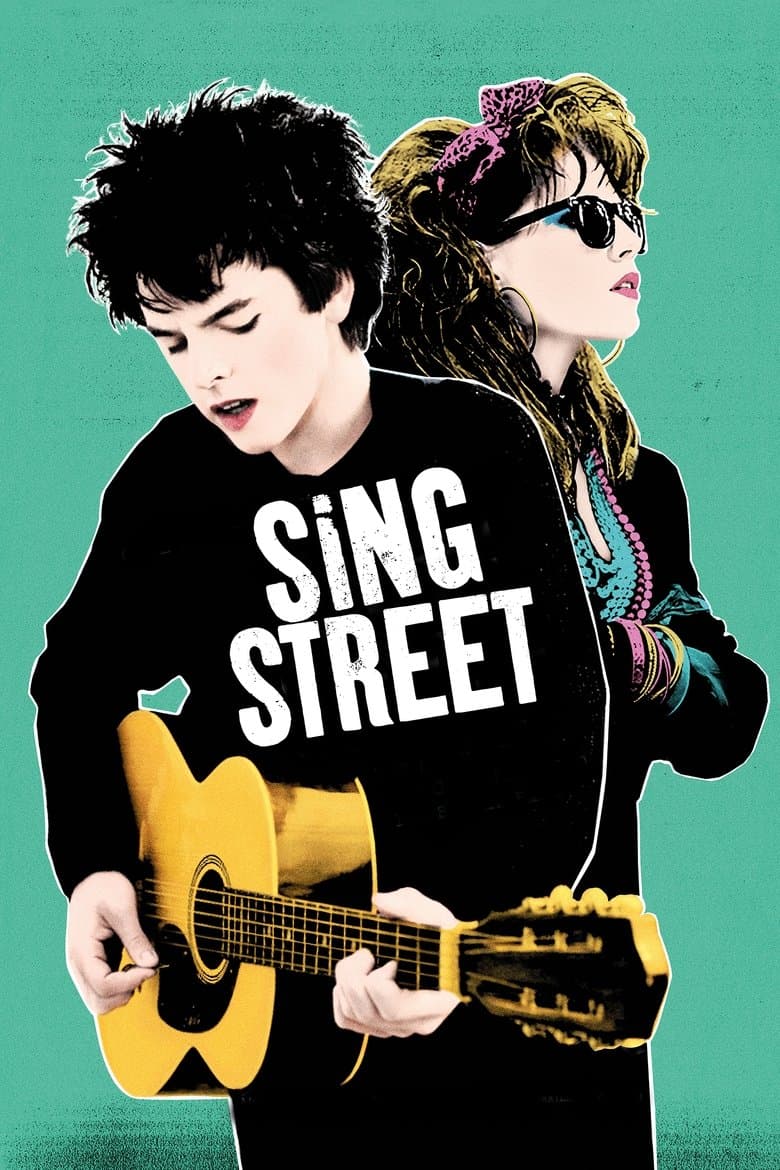
Movie · 2016
A boy growing up in Dublin during the 1980s escapes his strained family life by starting a band to impress the mysterious girl he likes.
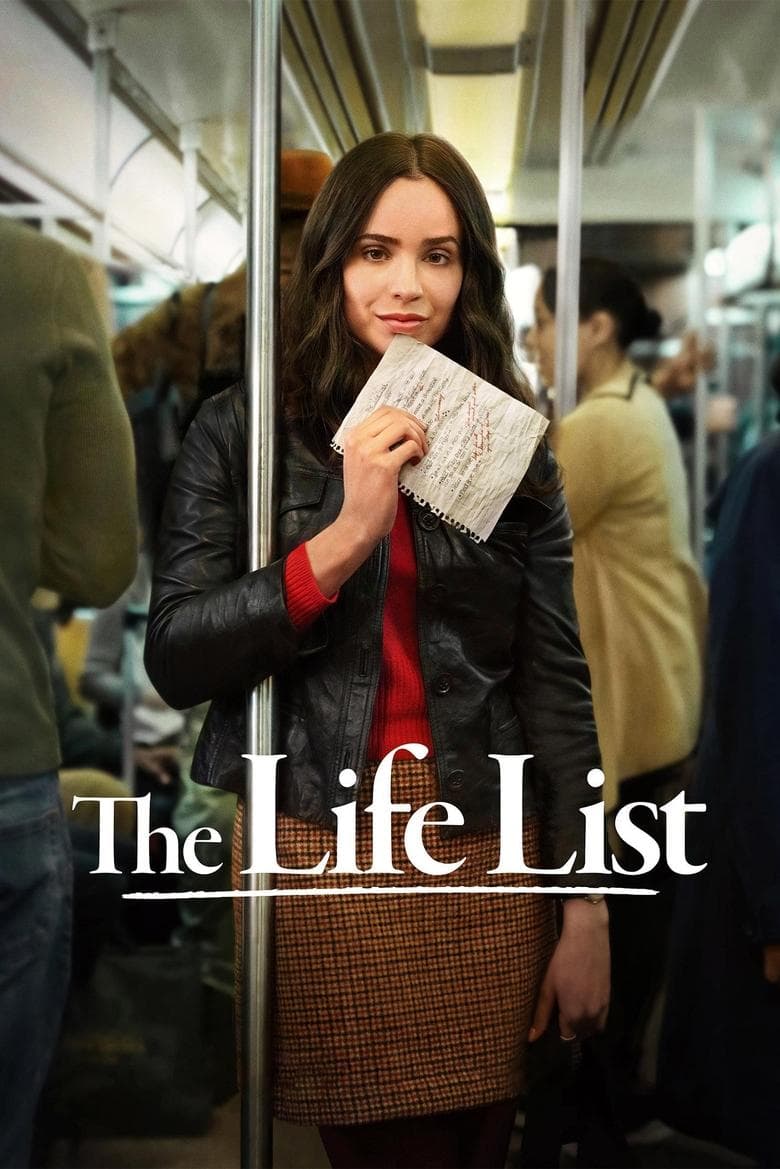
Movie · 2025
When her mother sends her on a quest to complete a teenage bucket list, a young woman uncovers family secrets, finds romance — and rediscovers herself.
