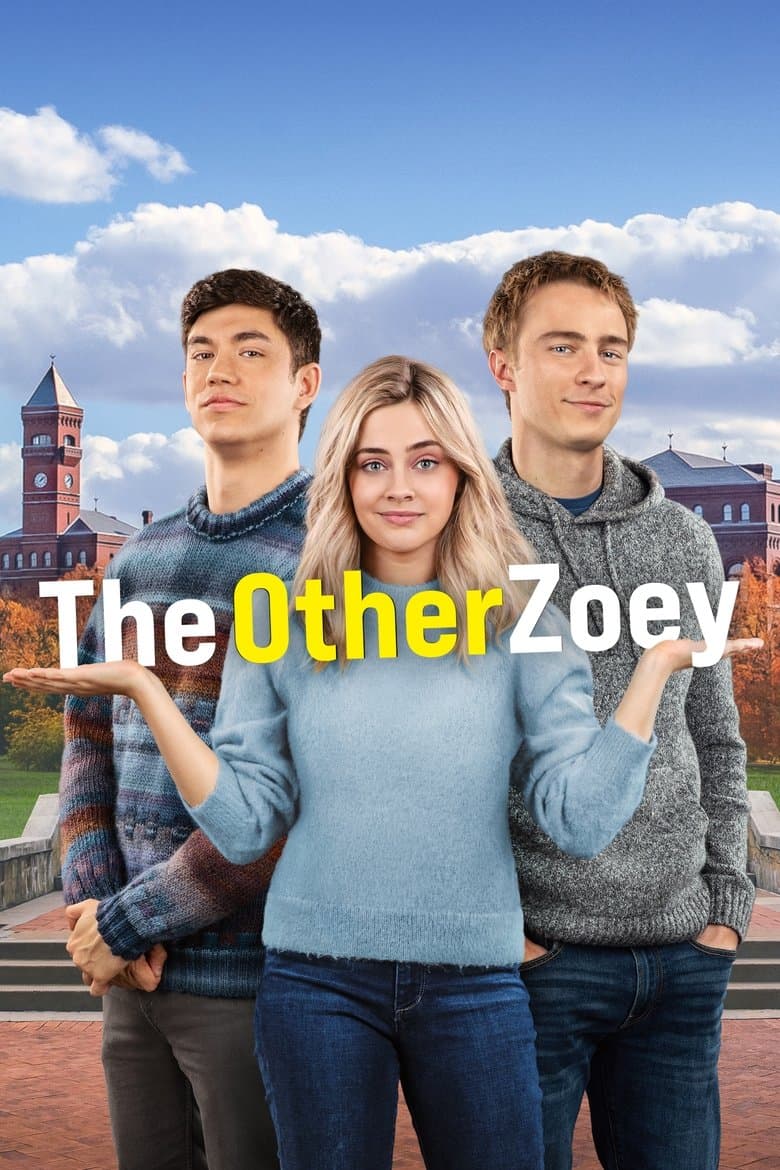
The Other Zoey is a light college romance set around Queens University of Charlotte in North Carolina. Zoey Miller is a very smart computer science student who trusts numbers and matching apps more than feelings. After soccer star Zach is hit by a car and loses his memory, he mistakes Zoey for his girlfriend, who is also named Zoey. Zoey keeps the mistake going and becomes caught between Zach and his cousin Miles while trying to decide what love means.
Zoey's strong interest in technology gives her a clear goal outside romance, while her friendship with Elle adds warmth and humor. A short early talk calls romantic love a product of capitalism and treats Valentine's Day as a business idea. A background lesbian couple and a brief relationship open to more than two people add modern relationship choices, but neither one drives the main story. The main message is that real love cannot be measured by an app, and the movie ends as a familiar romantic comedy about trust, honesty, and taking an emotional risk.
Community feedback
Was our 16% Woke rating accurate?
Breakdown
These are the editorial factors and ratings behind our score for The Other Zoey.
Woke representation / casting
Not present. The lead is a white college student, and the mixed supporting cast fits a modern campus. The film does not frame the casting as a wider diversity goal.
0%
Woke political dialogue
Zoey says that romantic love is a product of capitalism. She also treats Valentine's Day as a business idea and calls romantic films formulaic. The story returns to love as a real feeling, so these lines are limited to the opening debate.
12%
Identity-driven story themes
A lesbian couple appears briefly in the college setting. Miles also says that he is in a relationship open to more than two people, but this only affects one short part of the love triangle. The main story follows a woman choosing between an algorithm and romantic feelings. Queer identity and relationship structure are not the main subject.
8%
Western institutional / cultural critique
Zoey says romantic love is a product of capitalism and links Valentine's Day to things that businesses sell. She questions the usual romantic comedy idea of grand gestures and public speeches. The story later accepts those romantic ideas and ends with a normal love story. The film does not attack religion, family, or Western institutions in a wider way.
10%
Woke character or canon changes
Not relevant. The film tells an original college story and does not change an established character or real historical figure.
0%
Anti-woke backlash and complaints
Not present. The X research pass found no anti-woke complaints, boycott campaign, or review-bombing. Web reviews criticized the plot and romance, not woke or identity-driven messaging.
0%
Creator track record context
Sara Zandieh has a stored score of 58/100 because of her work on Iranian-American representation and support for women and people from gender minorities. Matthew Tabak has a stored score of 0/100, and the producers have low stored scores. Title-related interviews describe a feel-good romantic comedy about love. The interviews do not frame the film around representation, activism, or identity politics.
28%
Production
Movie · 2016
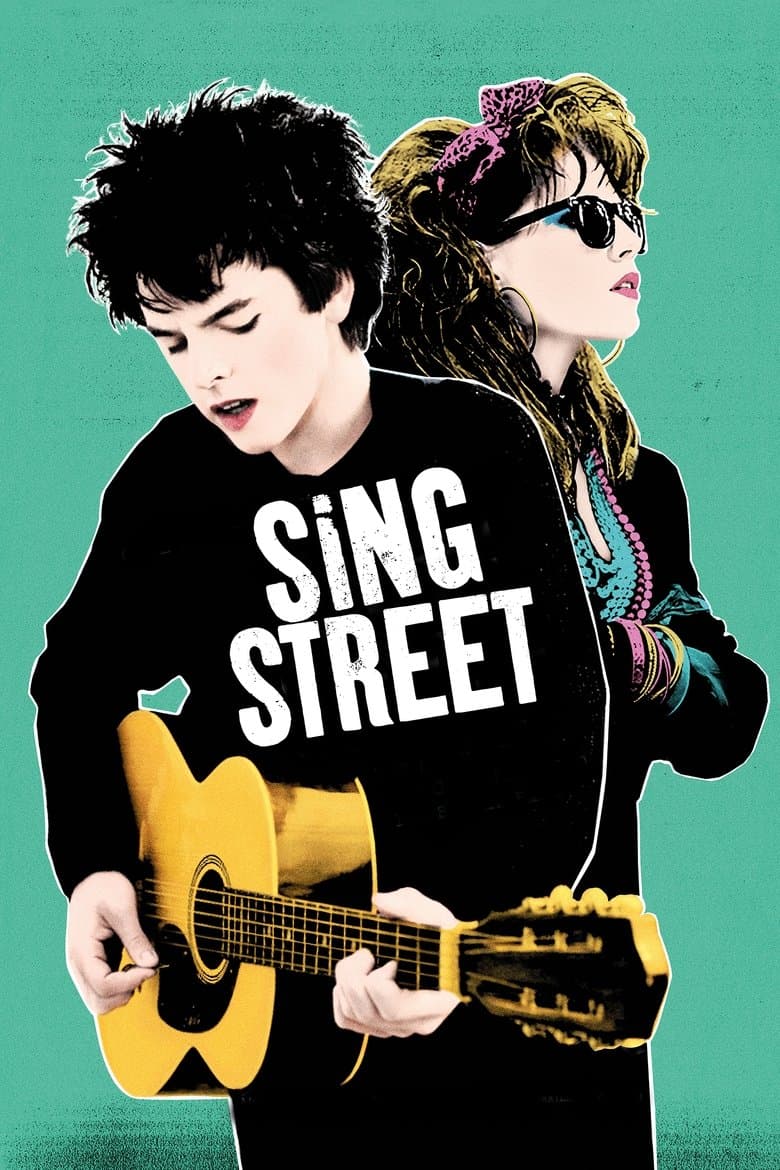
A boy growing up in Dublin during the 1980s escapes his strained family life by starting a band to impress the mysterious girl he likes.
Movie · 2016
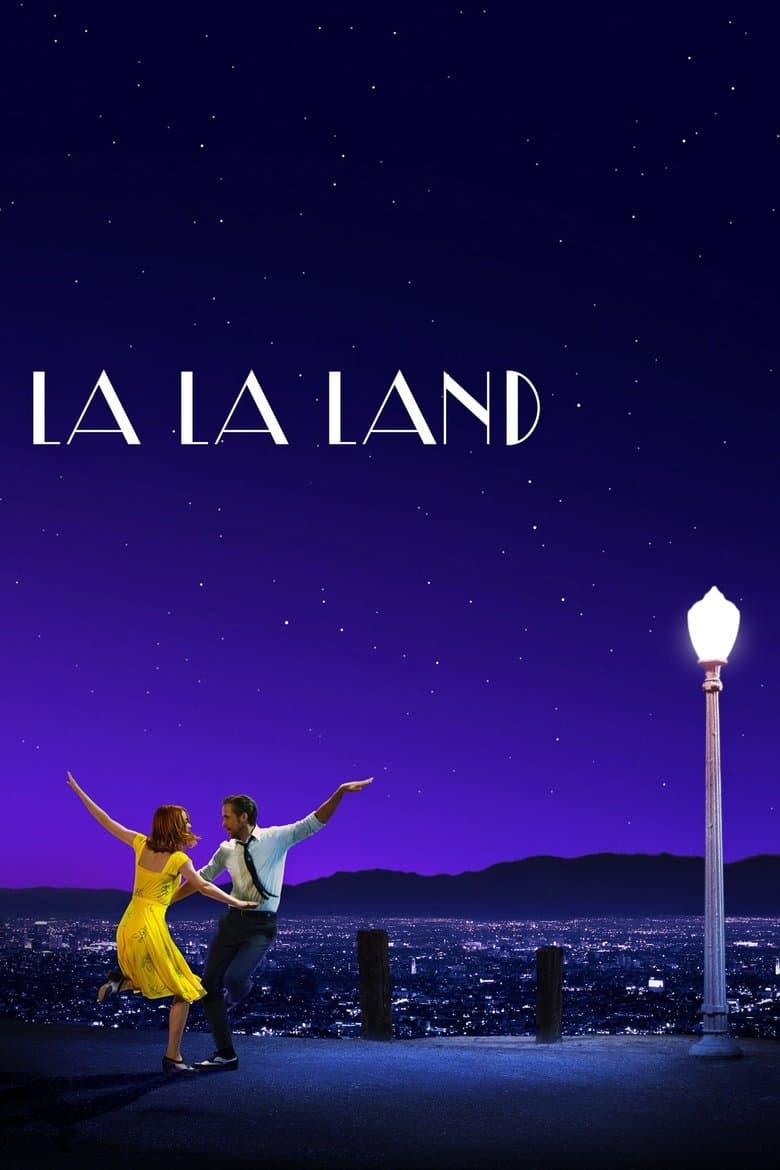
Mia, an aspiring actress, serves lattes to movie stars in between auditions and Sebastian, a jazz musician, scrapes by playing cocktail party gigs in dingy bars, but as success…
Movie · 2023
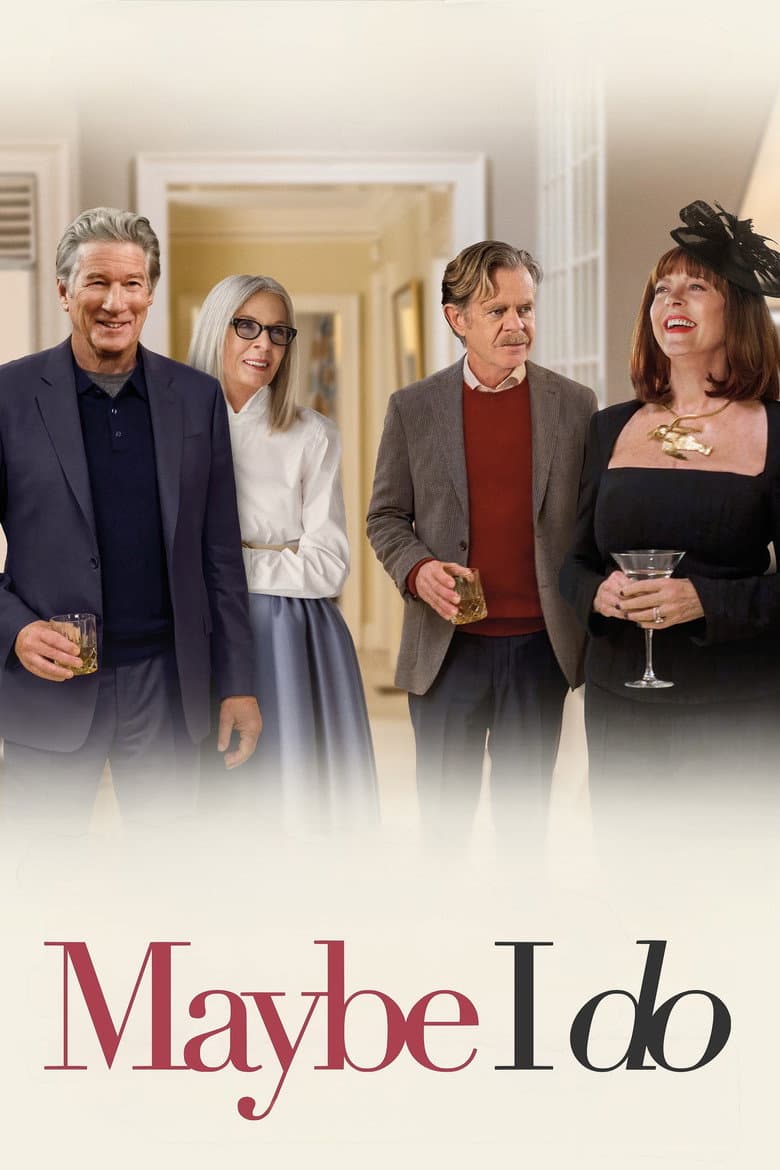
Michelle and Allen, who have reached the point in their relationship where they are considering next steps, decide to invite their parents to finally meet and to offer some…
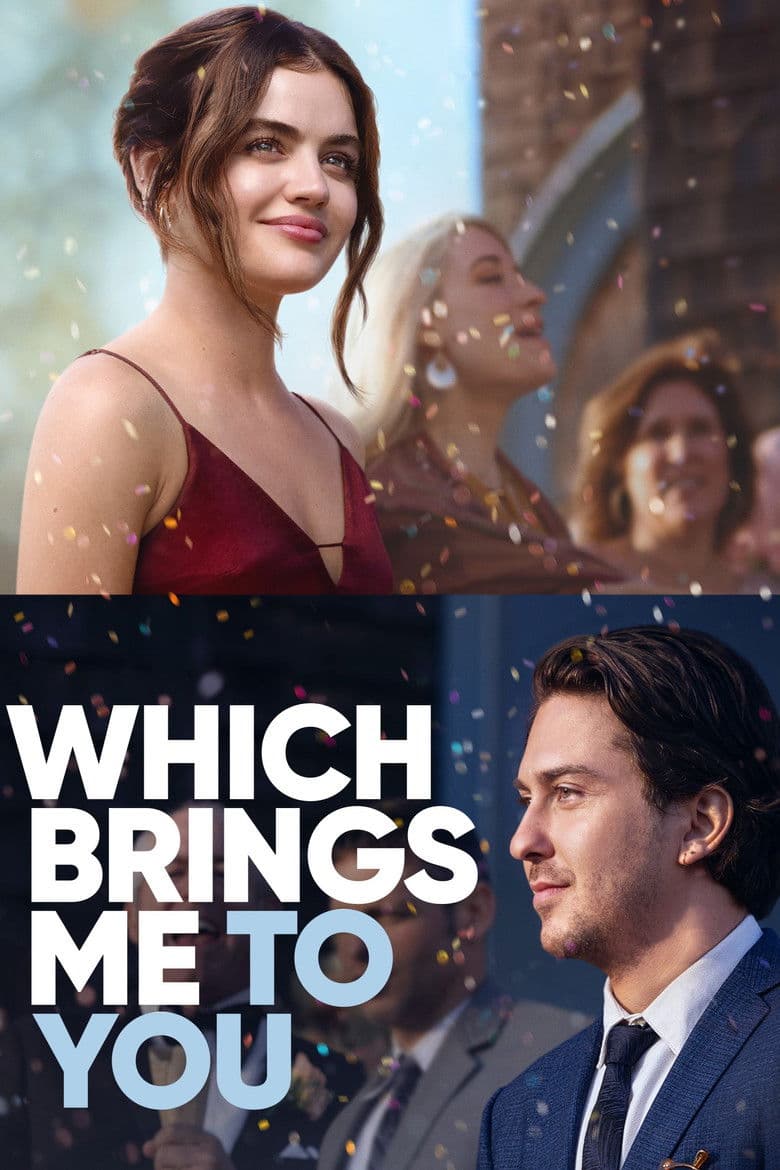
Movie · 2023
Two romantic burnouts, Jane and Will, are immediately drawn to each other at a mutual friend’s wedding. After a disastrous hookup in the coatroom, the two spend the next 24 hours…
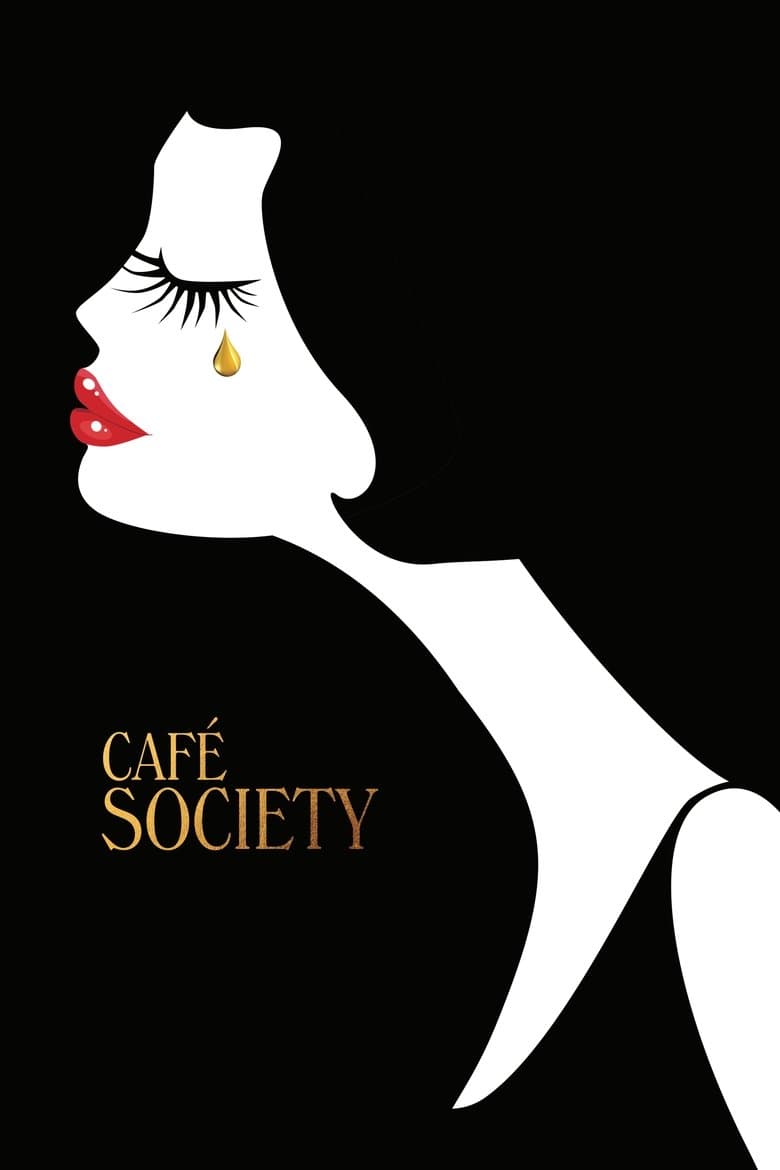
Movie · 2016
The story of a young man who arrives in Hollywood during the 1930s hoping to work in the film industry, falls in love, and finds himself swept up in the vibrant café society that…
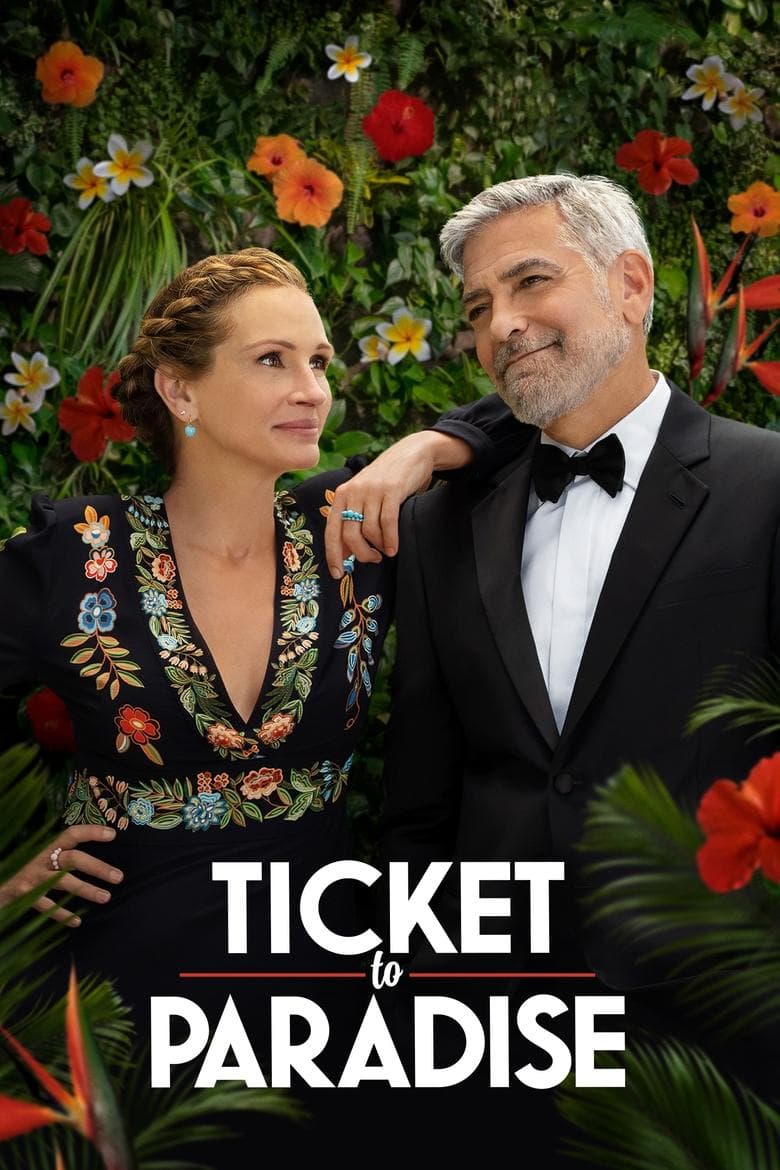
Movie · 2022
Divorced couple Georgia and David find themselves on a shared mission: they team up and travel to Bali to stop their daughter Lily from making the same mistake they once made 25…

Movie · 2020
A teenager lives out the hilarious and often tragic consequences of being lethally attractive, until he meets a girl with a congenital defect.
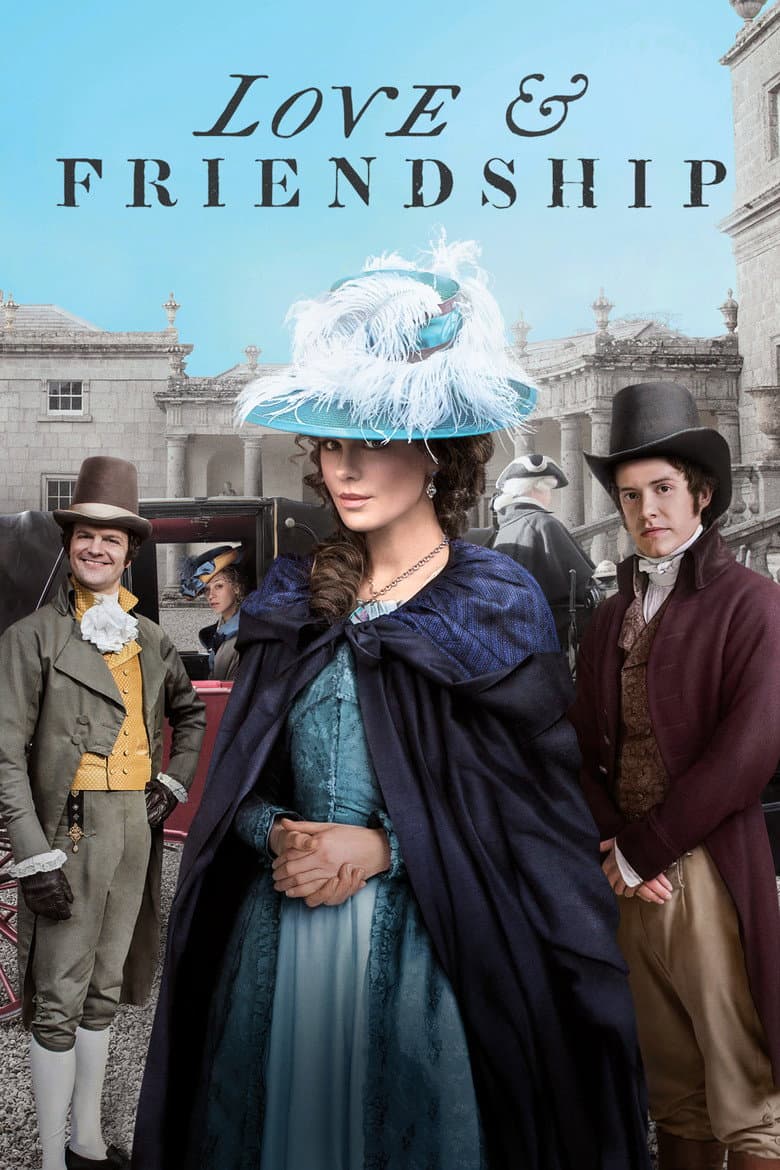
Movie · 2016
From Jane Austen’s novella, the beautiful and cunning Lady Susan Vernon visits the estate of her in-laws to wait out colorful rumors of her dalliances and to find husbands for…
