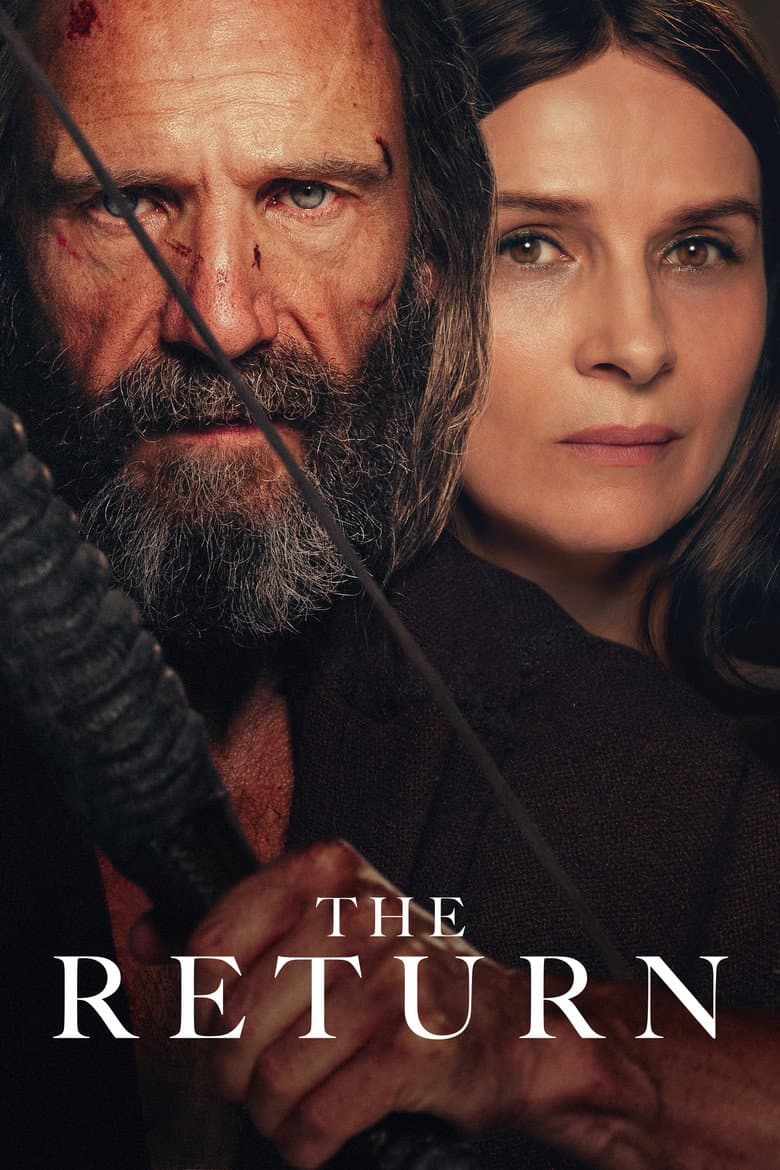
After twenty years of war and wandering, Odysseus reaches Ithaca as a scarred and broken man. His wife Penelope faces pressure from suitors who want her to marry and give them the crown, while their son Telemachus is in danger. Odysseus hides his name and tries to learn what happened to his family and kingdom. The film is a dark, quiet drama about war, guilt, loss, and coming home.
The film gives Penelope a strong voice about the damage men cause through war, rape, and control. Her anger at being pushed toward marriage and treated as property is a major part of the family conflict. The cast also gives several black actors named roles in the ancient Ithacan court and household. These elements are visible but remain below the film’s larger focus on one broken soldier, a damaged marriage, and the cost of violence.
Community feedback
Was our 39% Woke rating accurate?
Breakdown
These are the editorial factors and ratings behind our score for The Return.
Woke representation / casting
The cast includes several black actors in named roles among the suitors and household, including Hugh Quarshie and Amir Wilson. Marwan Kenzari, a Dutch-Tunisian actor, plays the important suitor Antinous. The main family is played by Ralph Fiennes, Juliette Binoche, and Charlie Plummer, and no interview frames the casting as a diversity campaign. The visible pattern is limited to supporting roles, so it is a mild representation signal.
24%
Woke political dialogue
Penelope asks why men go to war, rape, and murder women and children. The speech condemns male violence and the harm war brings to families. The message appears in one major conversation, while most dialogue handles family conflict and survival.
18%
Identity-driven story themes
Penelope is trapped at home and faces pressure to marry a man who wants her crown. The film repeatedly shows male entitlement, threats, sexual insults, and the cost paid by women and children. Her anger and loss of choice are important to the family story, although Odysseus’s war trauma remains the main focus.
33%
Western institutional / cultural critique
The suitors treat Penelope as property and threaten her son. The film links male rule and war culture to rape, murder, and the ruin of Ithaca. Penelope’s speech challenges male violence, but the film does not attack Christianity, capitalism, or broad Western institutions.
29%
Woke character or canon changes
The film makes Penelope more openly angry and less passive than many versions of Homer’s poem. Pasolini and Binoche describe this change as a focus on her treatment by men and her wish to love again. The film also removes gods and monsters, but that change serves the human war drama rather than a DEI or identity message.
22%
Anti-woke backlash and complaints
A few small X accounts called the film super woke or complained about DEI casting and black actors in Greek roles. One history-focused post linked the PTSD Odysseus, removed gods, and diverse suitors to a betrayal of Homer. The posts had tiny reach and little engagement. Other right-leaning users defended the film, and no organized boycott appeared.
12%
Creator track record context
Uberto Pasolini has a mild humanitarian signal from Machan, which was made to prompt debate about illegal immigration. John Collee is known for environmental themes, and Edward Bond wrote socialist critiques of class, power, capitalism, and war. The stored profiles show no strong DEI, queer, or identity-campaign record.
17%
Production
Movie · 2019
A down-on-his-luck crab fisherman embarks on a journey to get a young man with Down syndrome to a professional wrestling school in rural North Carolina and away from the…
Movie · 2023
In the 1870s, a young Harvard dropout seeks his destiny out West by tying his fate to a team of buffalo hunters led by a man named Miller.
Movie · 2024
Over the course of ten days and 435 miles, an unbreakable bond is forged between pro adventure racer Michael Light and a scrappy street dog companion dubbed Arthur.
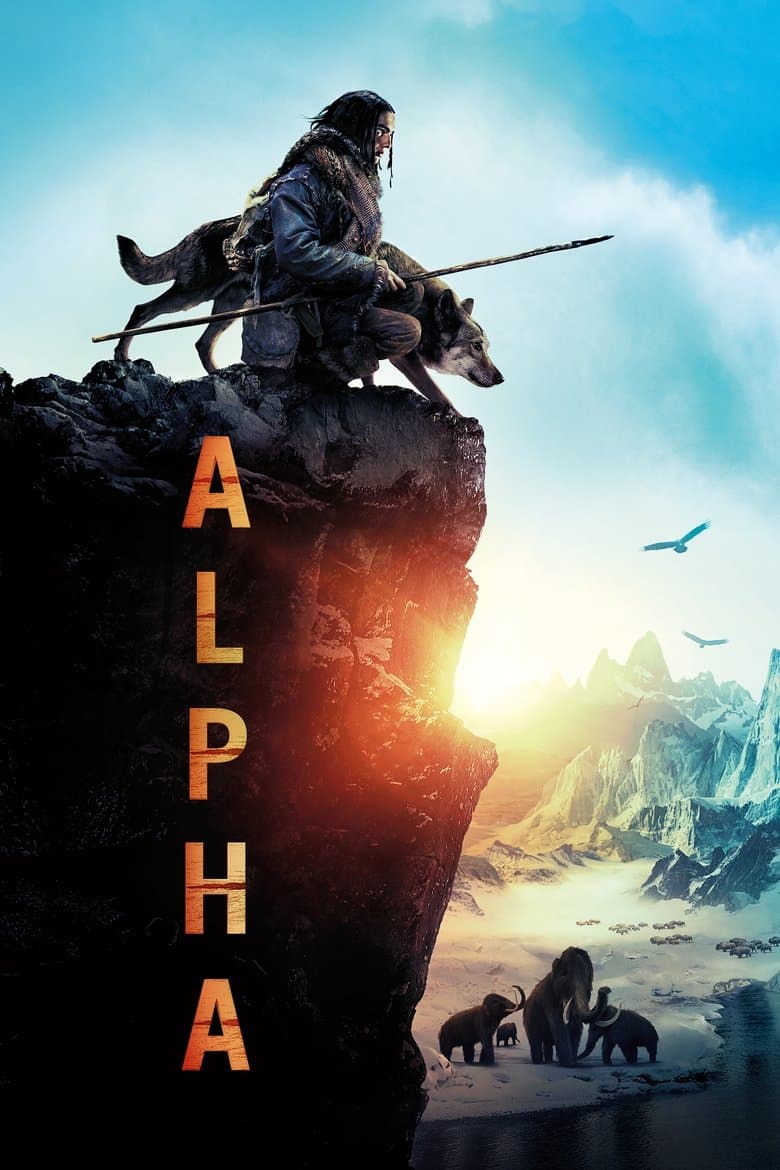
Movie · 2018
In the prehistoric past, Keda, a young and inexperienced hunter, struggles to return home after being separated from his tribe when bison hunting goes awry.
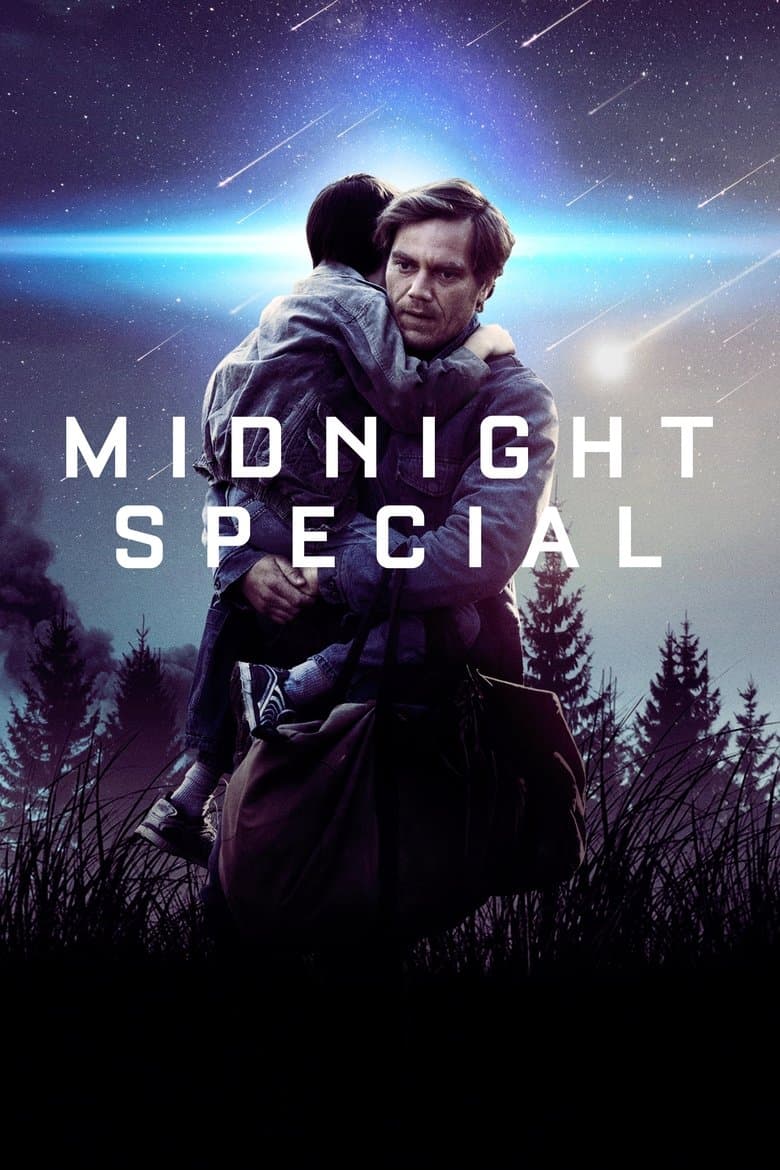
Movie · 2016
A father and son go on the run after the dad learns his child possesses special powers.
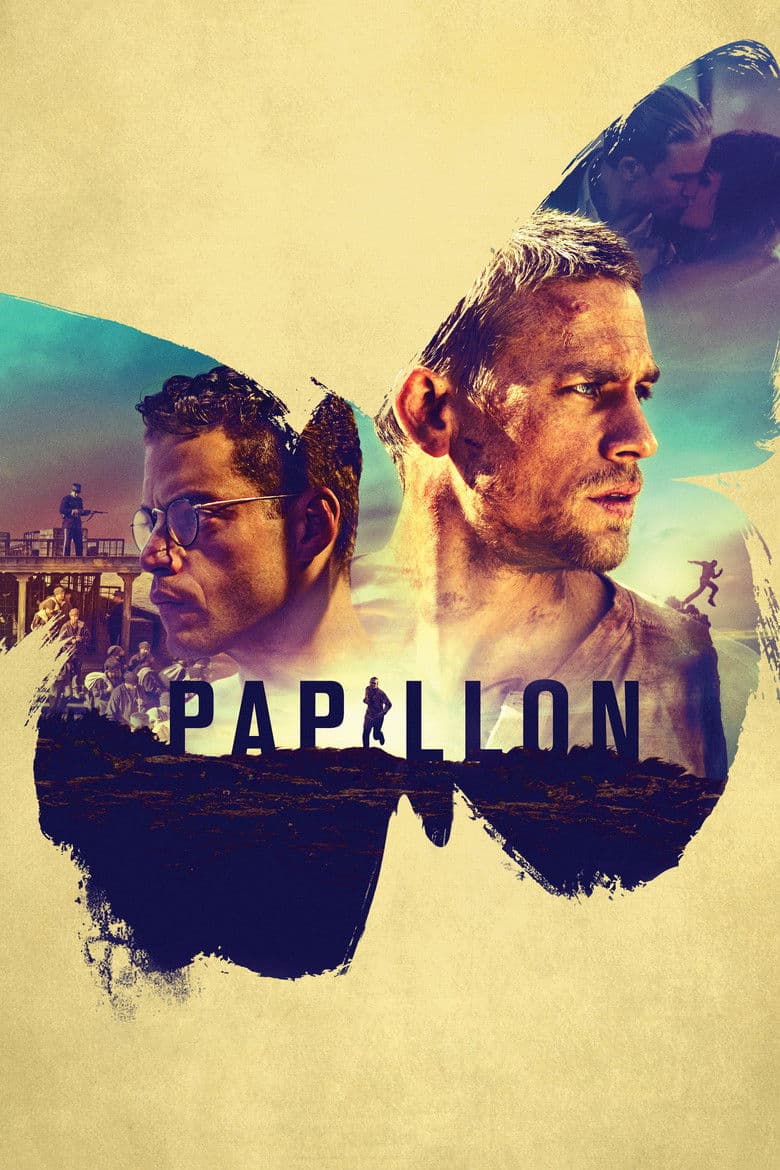
Movie · 2017
Henri “Papillon” Charrière, a safecracker from the Parisian underworld, is wrongfully convicted and sentenced to life imprisonment in the penal colony of French Guiana, where he…

Movie · 2014
The adventures of a group of explorers who make use of a newly discovered wormhole to surpass the limitations on human space travel and conquer the vast distances involved in an…
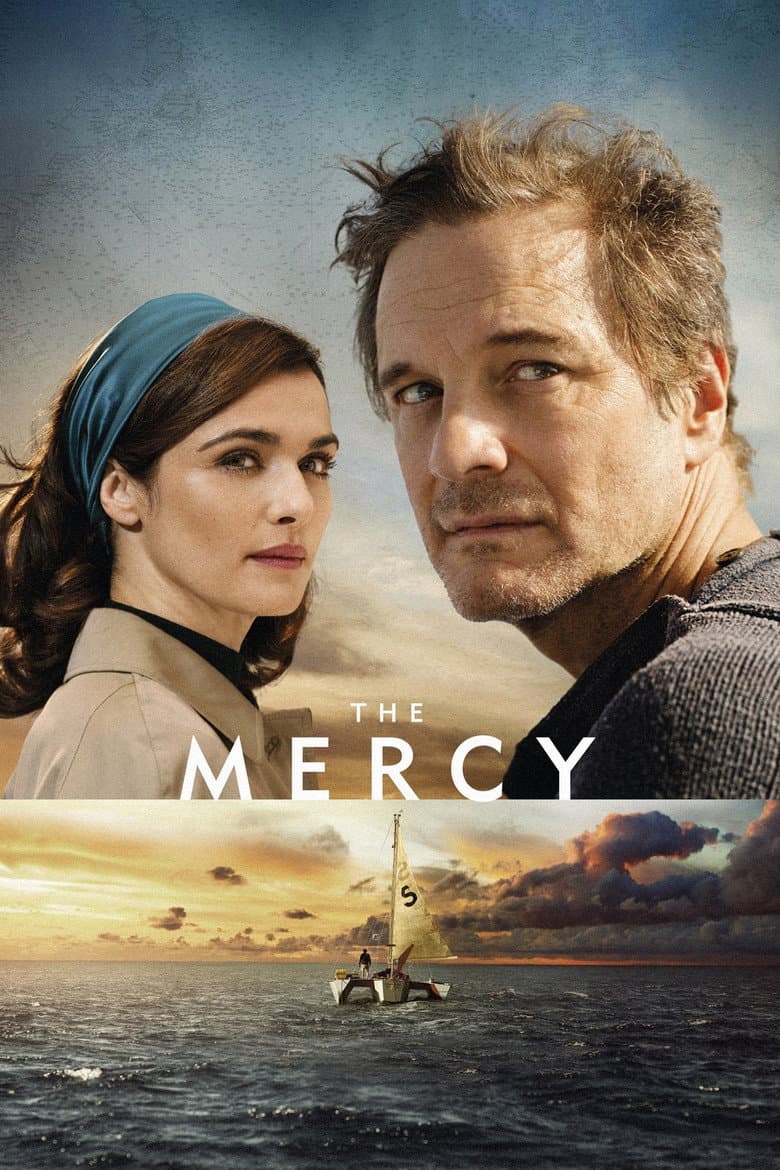
Movie · 2018
In 1968, Donald Crowhurst, an amateur sailor, endangers the fate of his family and business, and his own life, blinded by his ambition to compete in the Sunday Times Golden Globe…
