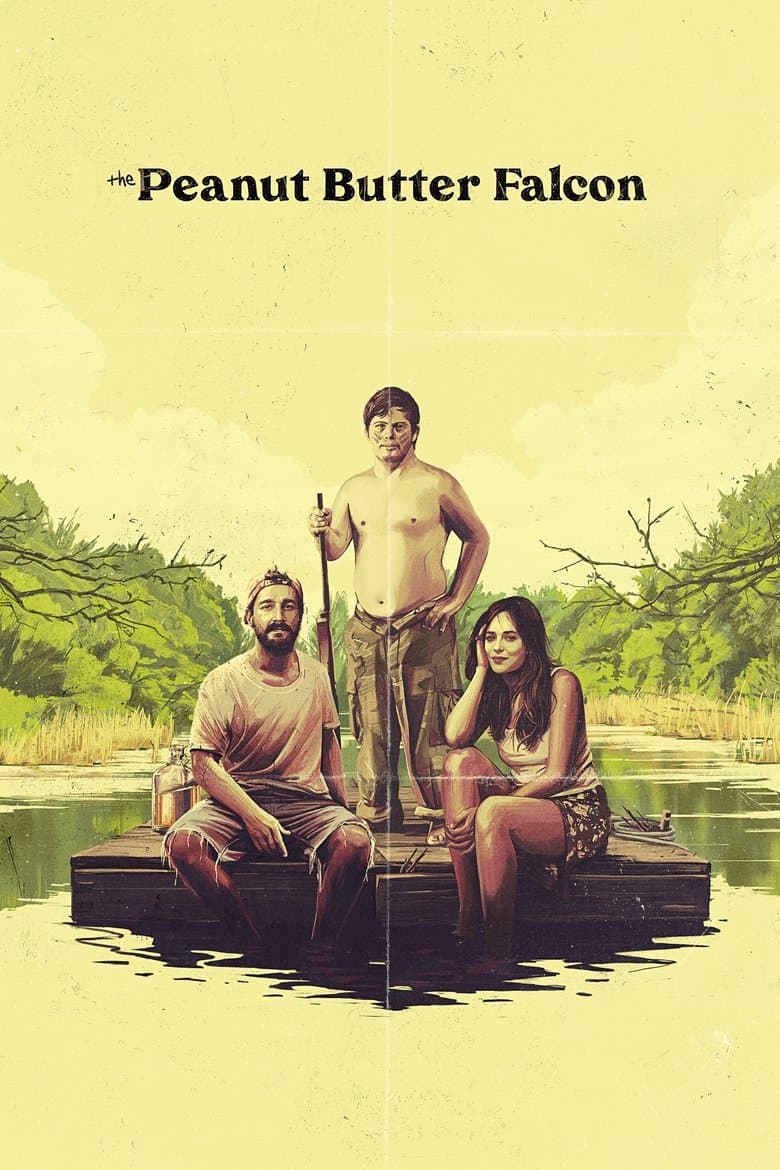
Zak is a young man with Down syndrome who lives in a retirement home in the rural South. He dreams of becoming a professional wrestler and escaping the place that controls his daily life. He runs away with help from his older roommate and meets Tyler, a troubled crab fisherman who is also on the run. Eleanor, a caring worker from the home, follows them as they travel by boat and raft toward the wrestling school. The movie uses jokes, danger, and warm friendships to tell a hopeful road story.
The main identity element is Zak’s disability and his need to make choices for himself. The movie shows a care home treating an adult as a risk and places its rules against Zak’s wish to live freely. An actor with Down syndrome plays Zak, so the lead casting is closely tied to disability representation. The story presents disability, independence, chosen family, and personal courage through one person’s journey, not through party politics or a broad activist campaign.
Community feedback
Was our 16% Woke rating accurate?
Breakdown
These are the editorial factors and ratings behind our score for The Peanut Butter Falcon.
Woke representation / casting
The lead role belongs to Zack Gottsagen, an actor with Down syndrome, and Zak also has Down syndrome. The filmmakers wrote the role for Gottsagen after meeting him at a camp for actors with disabilities. The film and its main promotion make this real-life casting choice easy to see. The choice fits the story and does not create a wider pattern of identity-based casting across the main group.
15%
Woke political dialogue
Not present. The narrative avoids explicit political talk or activist rhetoric, focusing instead on personal relationships and individual goals.
0%
Identity-driven story themes
The film makes Zak’s Down syndrome part of his main conflict and his fight to make choices for himself. Zak’s care home treats him as a risk, while Tyler pushes him to learn, travel, and speak for himself. Tyler also calls out Eleanor when her care turns into treating Zak like a child. The film supports the rights of people with disabilities through a warm friendship, but it does not turn the story into a broad political campaign.
15%
Western institutional / cultural critique
The care home is shown as a cage that limits a grown man’s choices. Tyler contrasts Eleanor’s paperwork and rules with the group’s act of living on the road. The manager treats Zak as a problem to move between facilities instead of asking what he wants. This is a clear critique of overprotective care, but the film keeps it personal and does not attack capitalism, patriarchy, Christianity, or current party politics.
15%
Woke character or canon changes
Not present in this title.
0%
Anti-woke backlash and complaints
Not present. No documented anti-woke or right-leaning complaints accusing the film of pushing DEI, identity politics, or activist messaging; it was instead welcomed by some conservative voices as traditional and uplifting.
0%
Creator track record context
The available writer profiles show no notable activist or identity-politics history for Michael Schwartz or Tyler Nilson. A few producer profiles note mild liberal or progressive social storytelling, especially around Albert Berger and Ron Yerxa. No key creative has a strong DEI, queer, or identity-politics pattern, so this context adds only a small signal.
10%
Production
