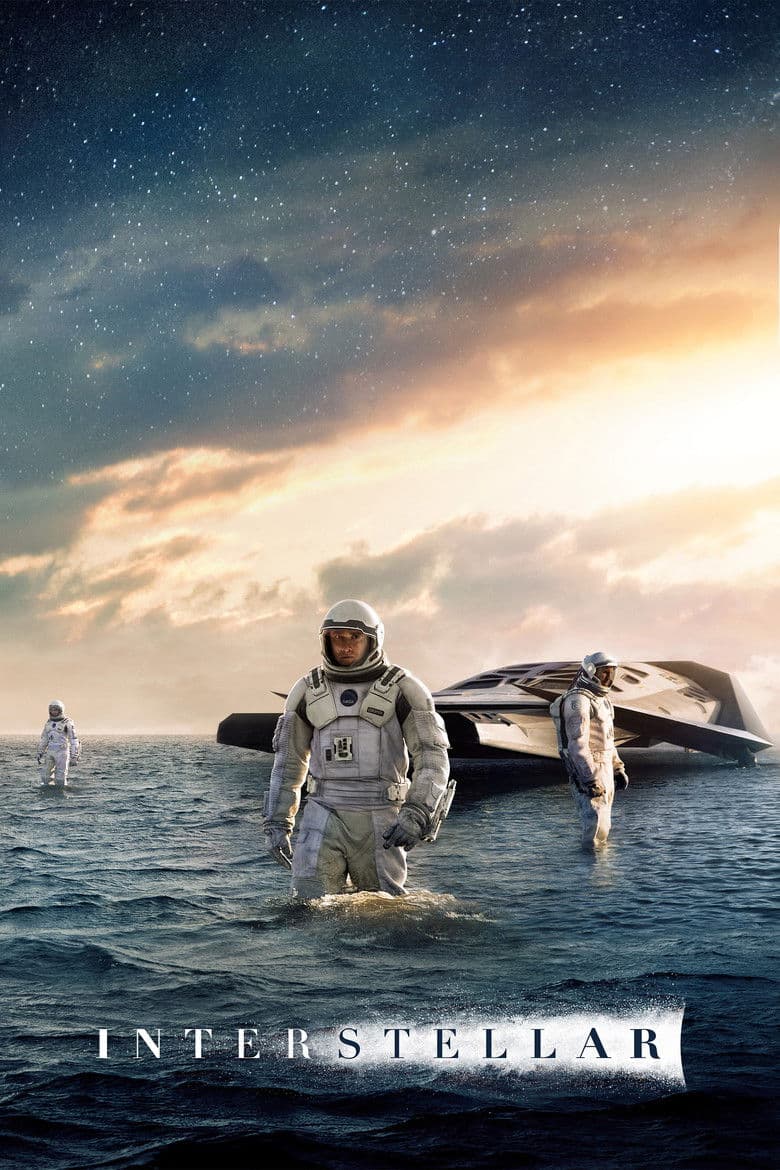
Interstellar is a science fiction movie set in a dying future where dust storms and crop diseases threaten to end human life. The main character is Cooper, a former NASA pilot turned farmer who must leave his family to find a new home for humanity. Along with a small crew of scientists, Cooper travels through a wormhole in space to explore three potentially livable planets. The movie has a very serious and emotional tone that focuses heavily on the love between a father and his children. Cooper's young daughter, Murph, grows up to become a brilliant physicist back on Earth to help solve the gravity problem. Her work is crucial to building the giant space stations that allow humanity to escape their dying planet. Meanwhile, Cooper's mission is driven by his deep desire to return home to his daughter, making the bond of family the main driving force of the story.
Community feedback
Was our 12% Woke rating accurate?
Breakdown
These are the editorial factors and ratings behind our score for Interstellar.
Woke representation / casting
Casting is based on story fit and performance rather than identity signaling. The crew of scientists has normal diversity, with David Gyasi in a supporting role. Female leads like Dr. Brand and Murph are written as fully developed characters with clear emotional motivations, rather than invincible archetypes.
12%
Woke political dialogue
The film contains no activist dialogue or modern political messaging. Characters discuss science, survival, physics, and human emotions rather than social-justice issues.
0%
Identity-driven story themes
The narrative focuses on human survival and family bonds rather than identity politics. Main themes center on the transcendence of love across time and space, scientific innovation, and the drive to save humanity from extinction.
5%
Western institutional / cultural critique
The story critiques government school boards for trying to rewrite history by teaching that the moon landings were faked. There is no modern activist critique of Western values, capitalism, or traditional gender roles. Traditional family values are portrayed as vital to human survival.
10%
Woke character or canon changes
Not present in this title.
0%
Anti-woke backlash and complaints
There was no anti-woke backlash or right-leaning complaints about the film. Conservative and traditionalist commentators widely praised the movie for its themes of human exceptionalism and family.
0%
Creator track record context
The key creators have a track record of focusing on story-first films rather than activist messaging. Writers Christopher Nolan (14) and Jonathan Nolan (17) avoid modern identity politics. While producer Lynda Obst has a high score of 80 for her feminist work, she did not influence the traditional direction of this film.
15%
Production
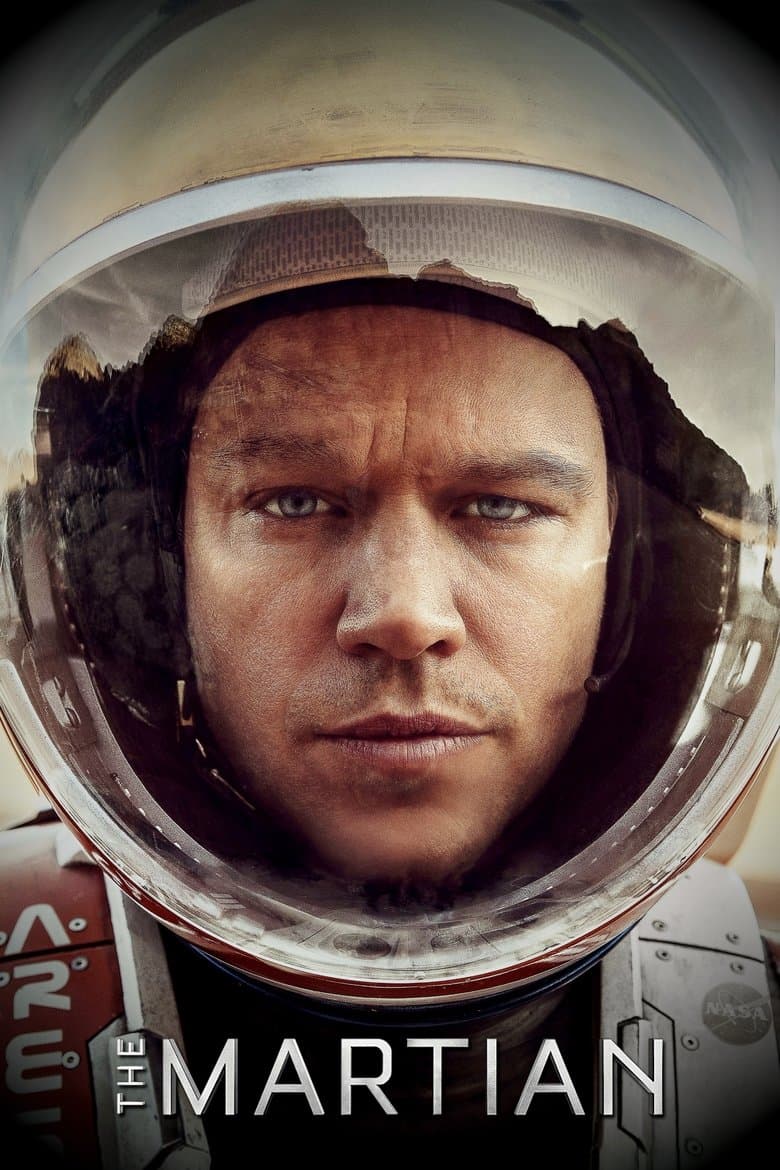
Movie · 2015
During a manned mission to Mars, Astronaut Mark Watney is presumed dead after a fierce storm and left behind by his crew.
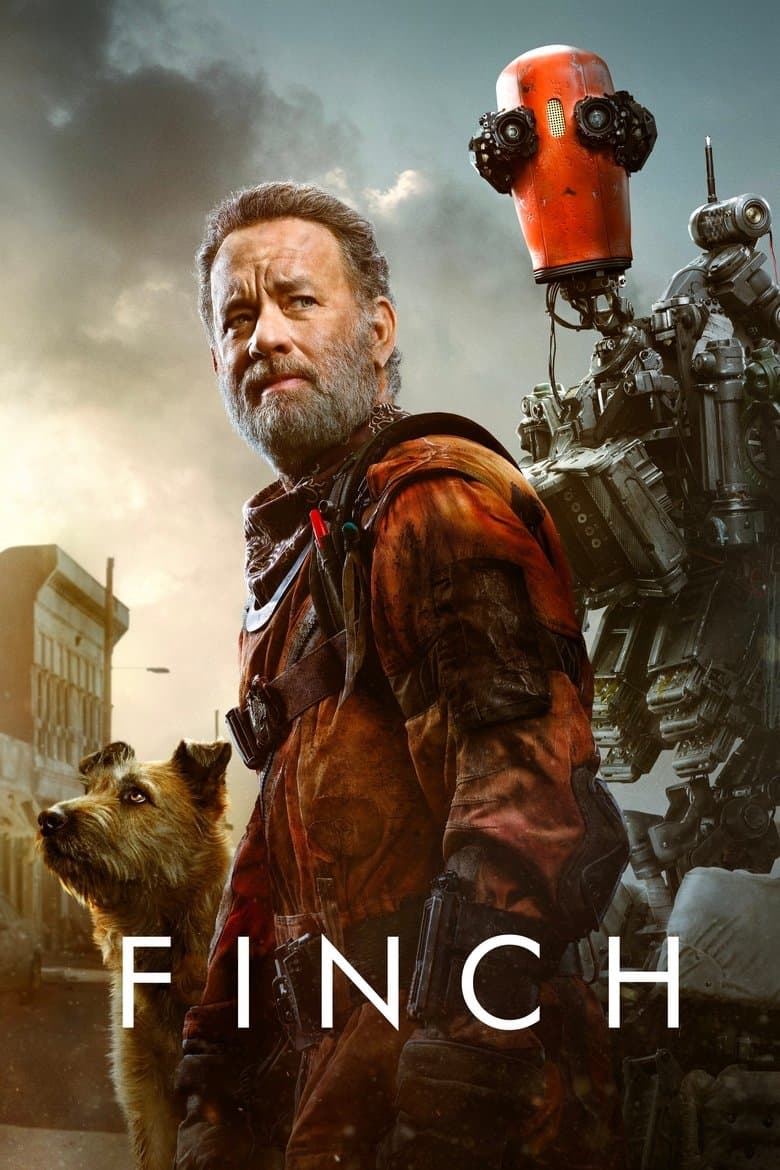
Movie · 2021
On a post-apocalyptic Earth, a robot, built to protect the life of his dying creator's beloved dog, learns about life, love, friendship, and what it means to be human.
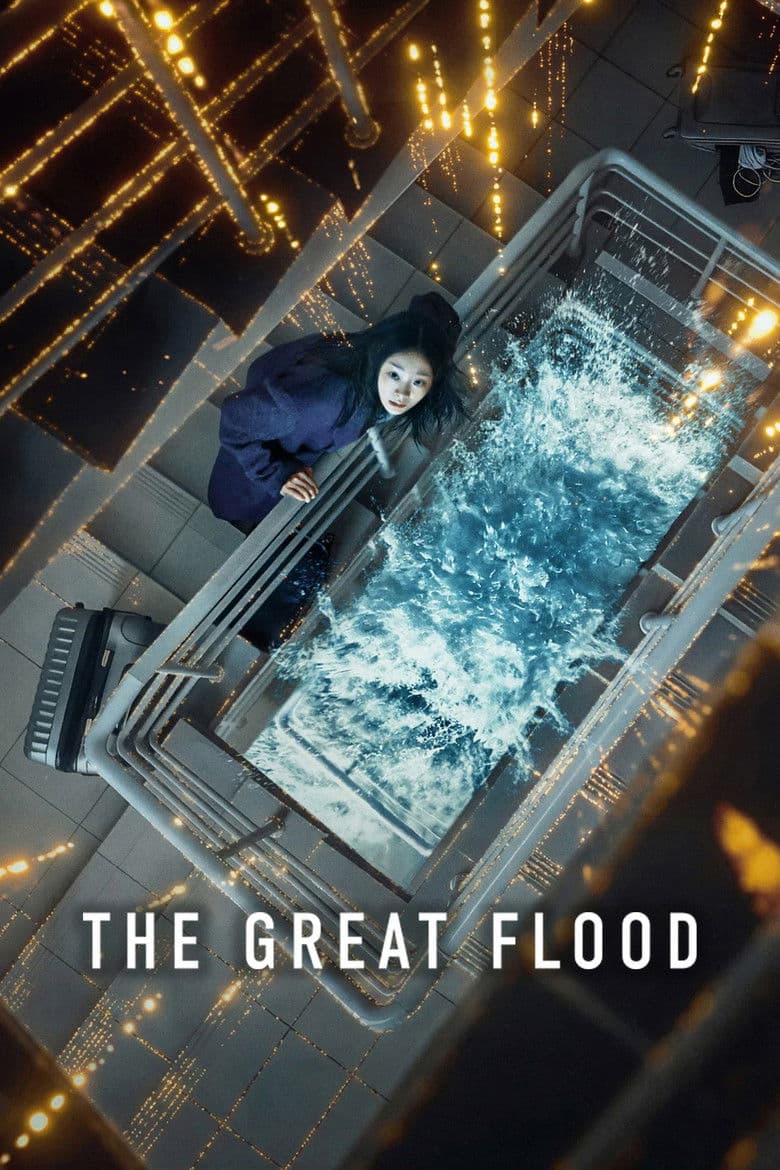
Movie · 2025
When a raging flood traps a researcher and her young son, a call to a crucial mission puts their escape — and the future of humanity — on the line.
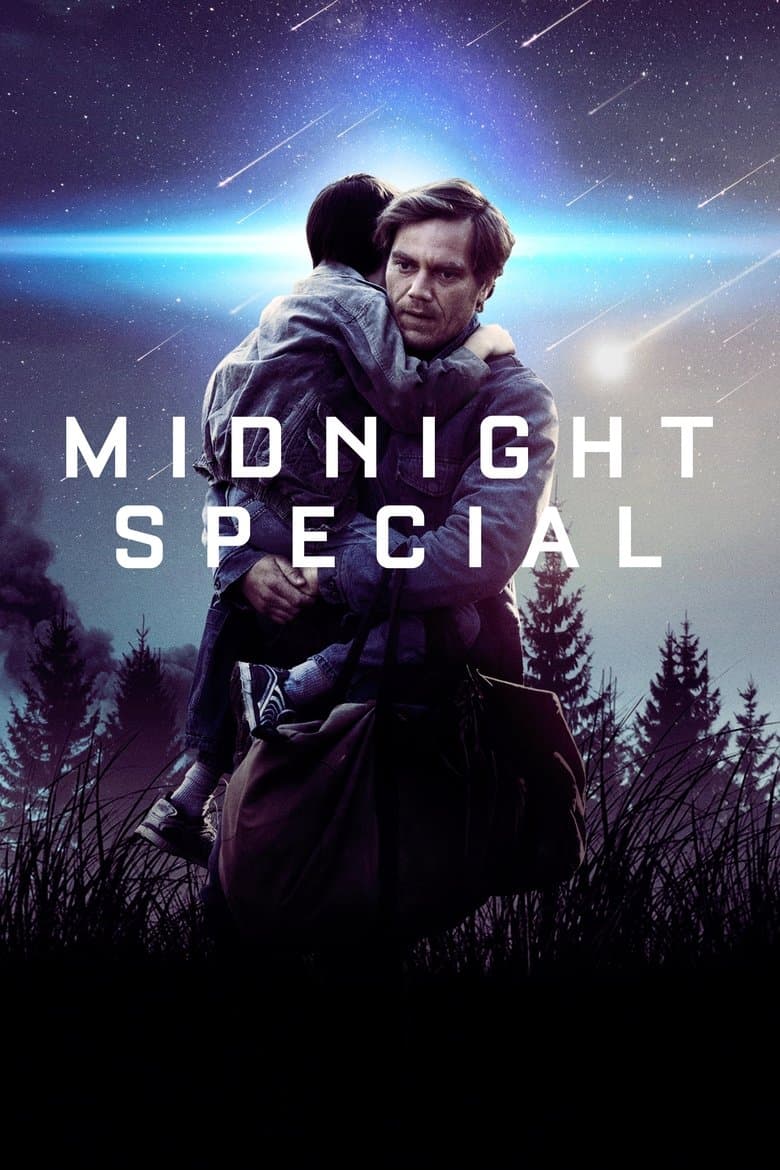
Movie · 2016
A father and son go on the run after the dad learns his child possesses special powers.
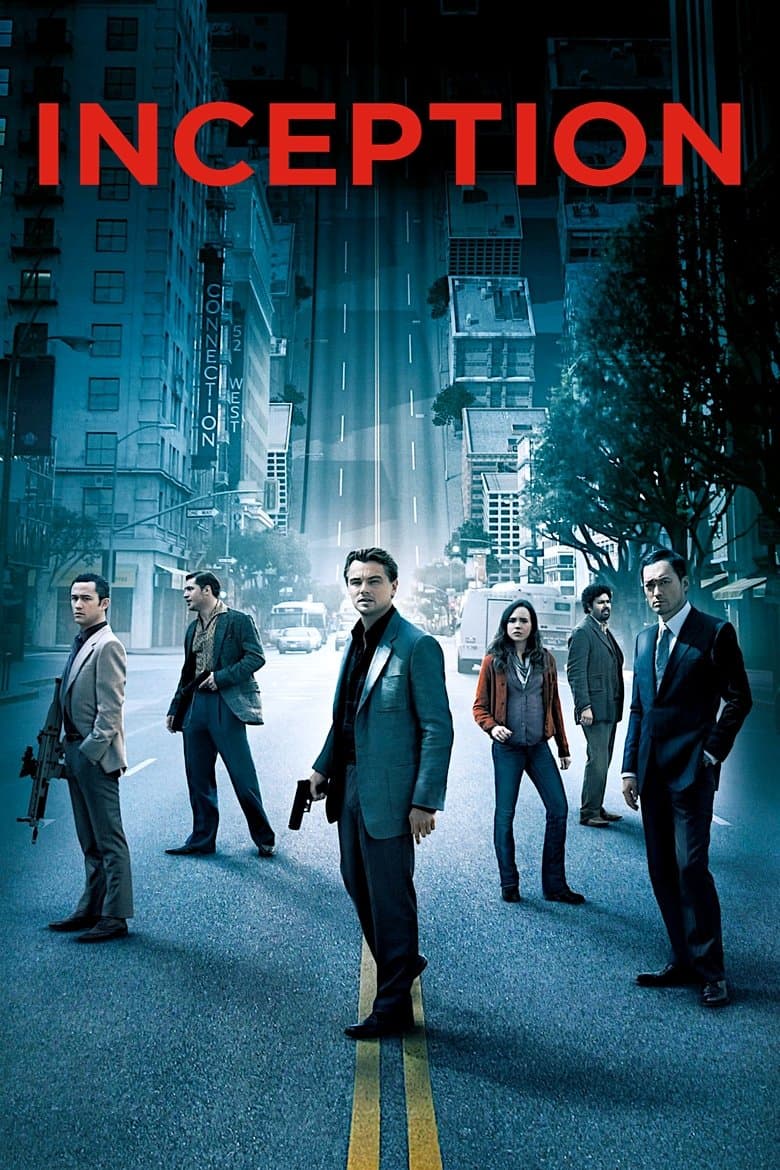
Movie · 2010
Cobb, a skilled thief who commits corporate espionage by infiltrating the subconscious of his targets is offered a chance to regain his old life as payment for a task considered…
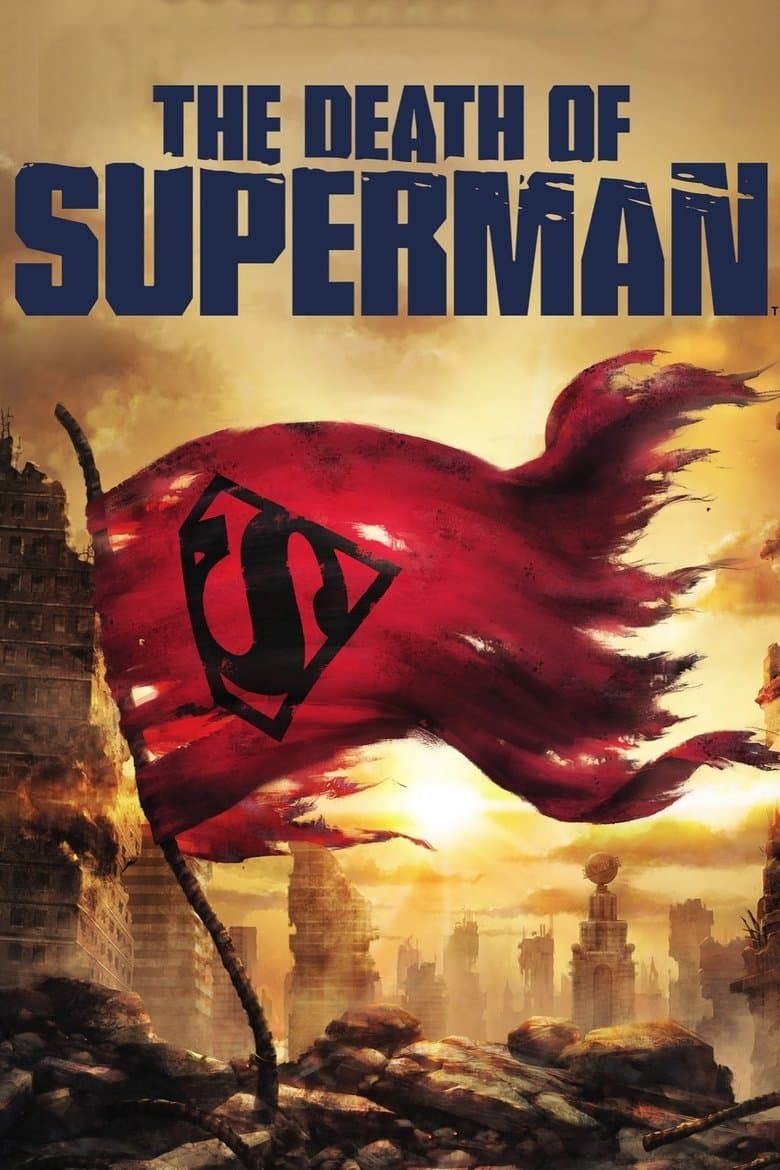
Movie · 2019
When a hulking monster arrives on Earth and begins a mindless rampage, the Justice League is quickly called in to stop it.
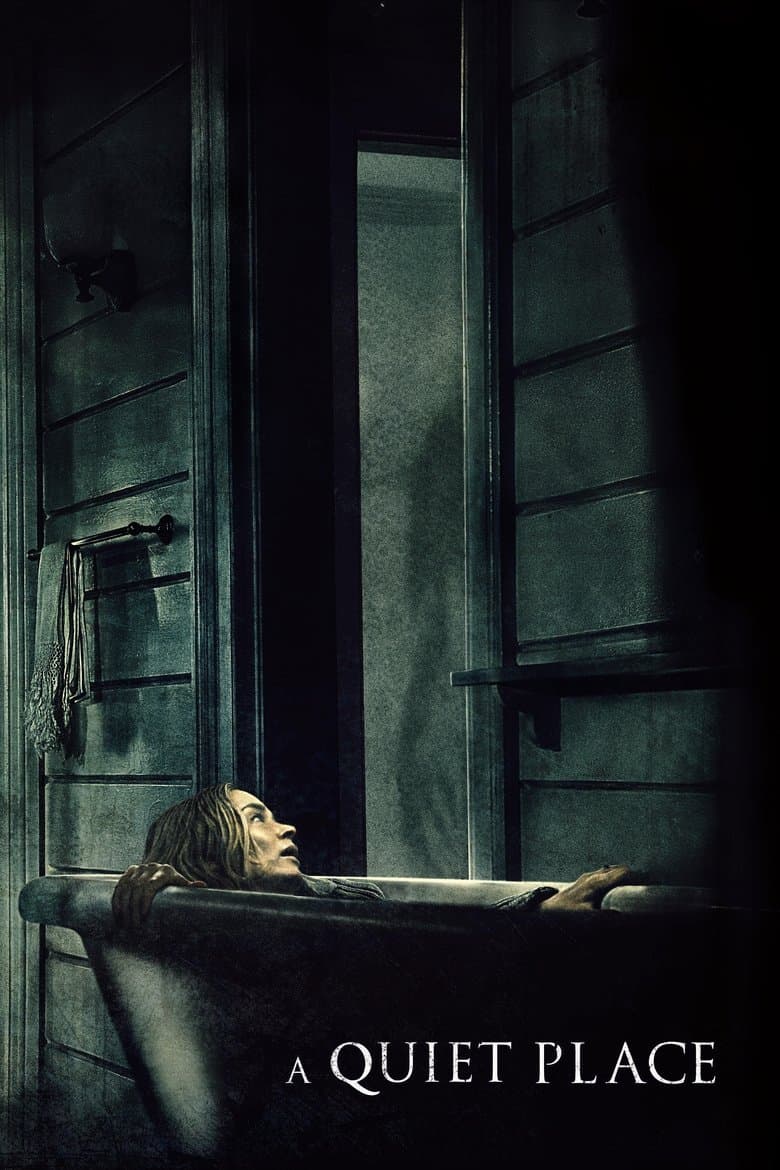
Movie · 2018
A family is forced to live in silence while hiding from creatures that hunt by sound.
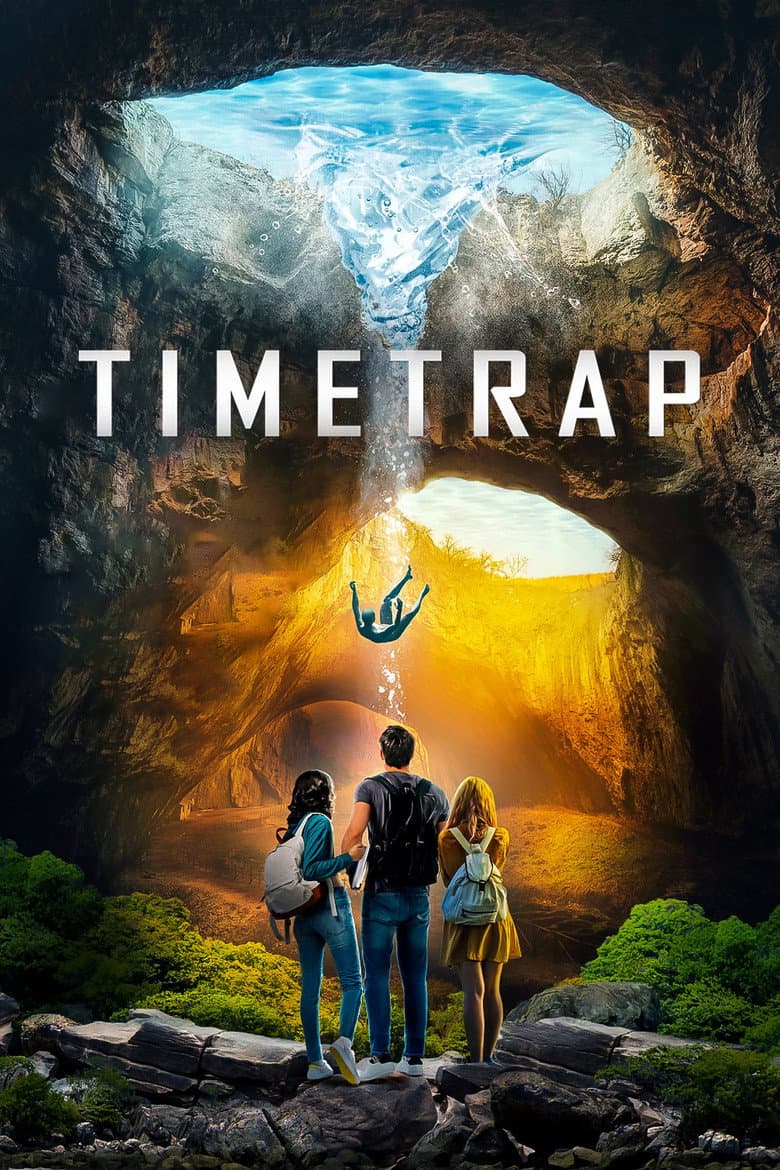
Movie · 2017
A group of students become trapped inside a mysterious cave where they discover time passes differently underground than on the surface.
