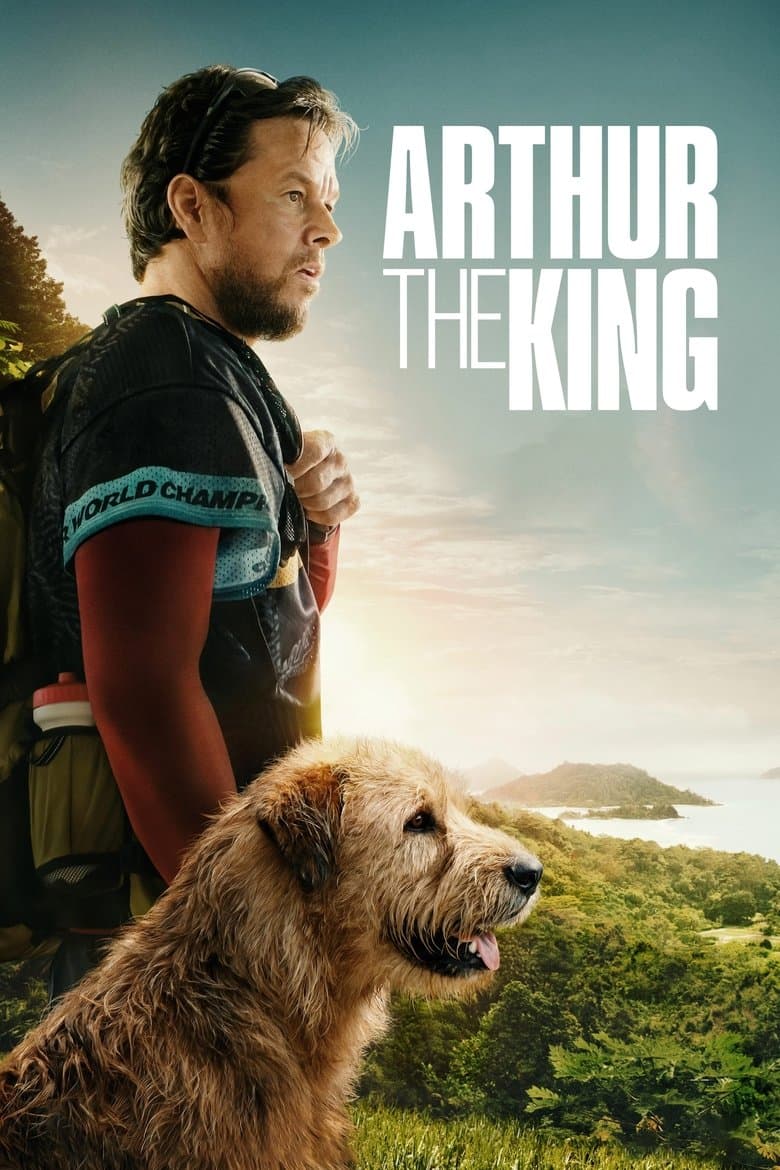
Michael Light is a driven adventure racer who leads an endurance team through a brutal multi-day jungle race. During the event he meets a stray dog that will not leave his side. The dog, later named Arthur, pushes the team through pain, rivalry, and harsh terrain. Michael also struggles with his wife Helen and young daughter Ruby because racing has pulled him away from home. The film is an uplifting survival drama about grit, loyalty, and second chances.
The movie is built around a man-and-dog bond, family repair, and sports endurance. Race and gender identity are not central themes. The lead is Mark Wahlberg as Michael, based on Swedish racer Mikael Lindnord’s real memoir. Supporting teammates include actors like Simu Liu and Nathalie Emmanuel, so the team looks international, but the story does not treat their identities as a main message. Dialogue stays on racing, teamwork, family strain, and saving Arthur. Marketing sold an inspiring true story and animal loyalty, not social-justice themes. A typical viewer would notice a diverse team, but would not see strong woke or identity-first messaging.
Community feedback
Was our 11% Woke rating accurate?
Breakdown
These are the editorial factors and ratings behind our score for Arthur the King.
Woke representation / casting
Simu Liu and Nathalie Emmanuel hold visible teammate roles beside Wahlberg’s lead. That gives the racing squad an international look a viewer may notice. The film still stars a white male lead and never frames casting as a diversity statement. Team mix fits a global sport setting more than a quota-style message. No race or gender swaps of famous characters drive the casting choices.
18%
Woke political dialogue
Characters talk about race strategy, pain, trust, family guilt, and keeping Arthur alive. No lines push modern activist slogans, election politics, systemic racism lectures, or gender-theory speeches. Sports and survival talk fills almost every key scene.
0%
Identity-driven story themes
Core themes are loyalty, redemption, fatherhood, teamwork, and animal rescue. Lindnord’s real dog-welfare work sits in the background as humanitarian charity, not identity activism. No plotline makes race, gender, or sexuality the engine of the story.
3%
Western institutional / cultural critique
The film does not attack churches, conservatives, traditional families, or Western systems as corrupt. Michael is a flawed but heroic leader who learns to balance ambition with family love. Jungle hardship and corporate race sponsors appear as standard sports-movie obstacles, not activist institutional sermons.
0%
Woke character or canon changes
Not present in this title.
0%
Anti-woke backlash and complaints
No substantial right-leaning or anti-woke campaigns accused the movie of DEI agendas, identity swaps, or propaganda. Public talk stayed on faithfulness to the true story, Wahlberg’s star power, and whether the drama felt too soft or formulaic.
0%
Creator track record context
Cached scores for directors, writers, and producers cluster between 0 and 8 out of 100, with Wahlberg the most publicly political but in a conservative-leaning direction. The team’s history points to commercial adventure storytelling and animal philanthropy, not identity-driven filmmaking patterns tied to this project.
5%
Production

Movie · 2018
In the prehistoric past, Keda, a young and inexperienced hunter, struggles to return home after being separated from his tribe when bison hunting goes awry.

Movie · 2018
A man stranded in the Arctic is finally about to receive his long awaited rescue. However, after a tragic accident, his opportunity is lost and he must then decide whether to…
Movie · 2021
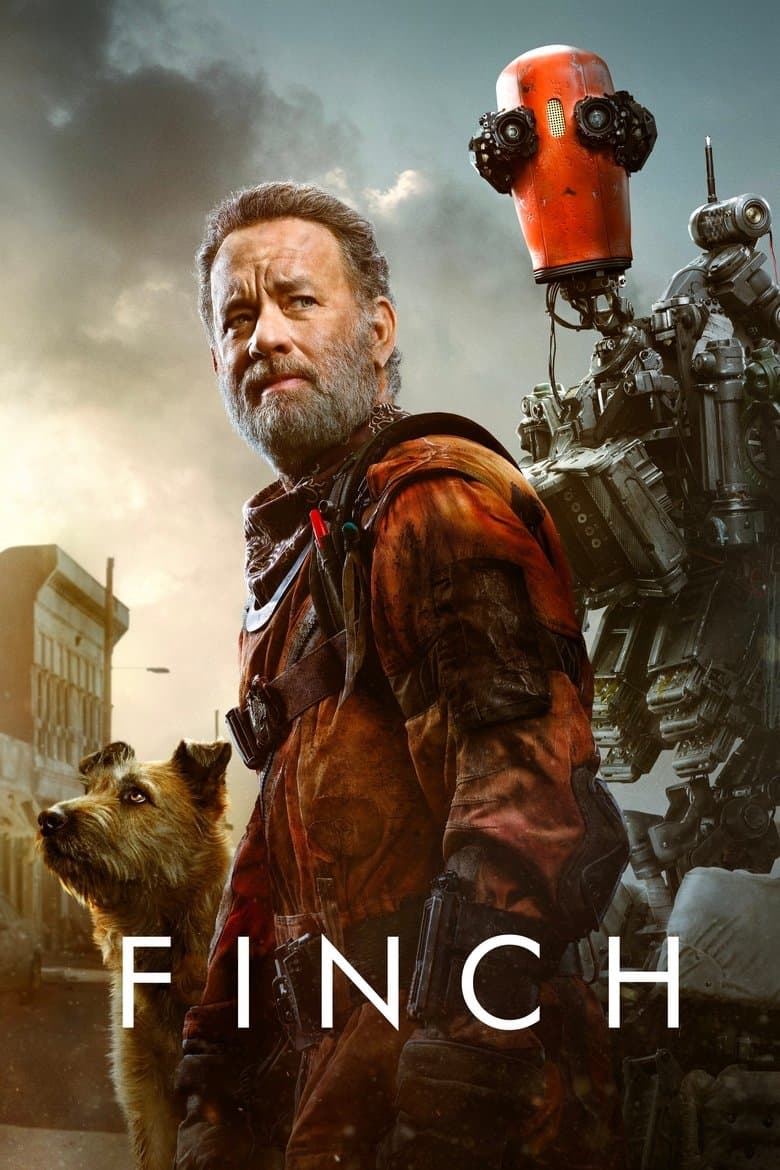
On a post-apocalyptic Earth, a robot, built to protect the life of his dying creator's beloved dog, learns about life, love, friendship, and what it means to be human.
Movie · 2016
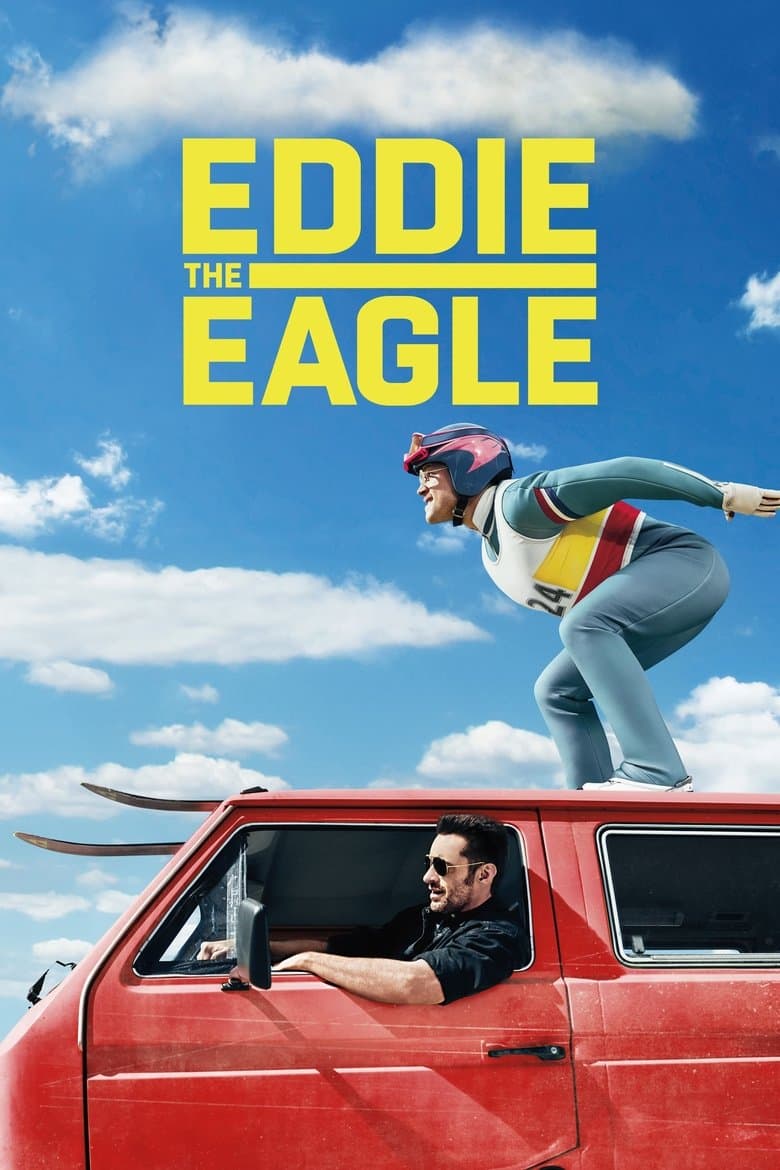
The feel-good story of Michael 'Eddie' Edwards, an unlikely but courageous British ski-jumper who never stopped believing in himself—even as an entire nation was counting him out.

Movie · 2016
A father and son go on the run after the dad learns his child possesses special powers.
Movie · 2025
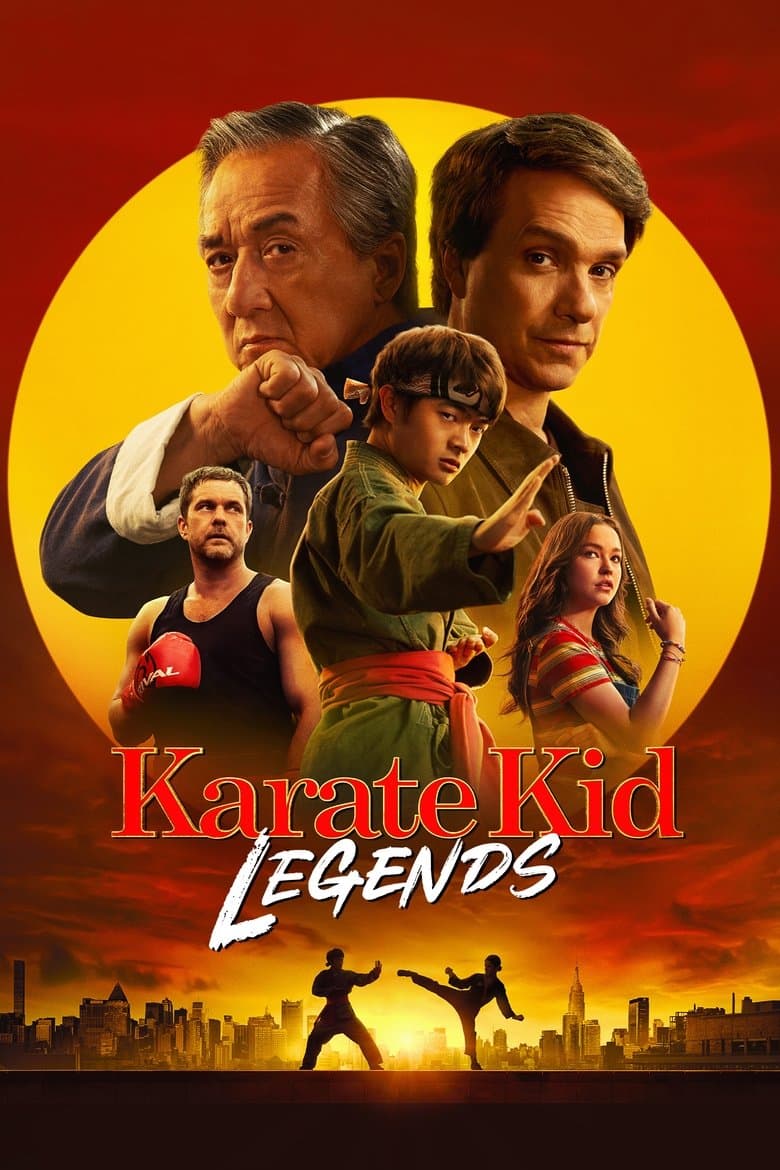
After a family tragedy, kung fu prodigy Li Fong is uprooted from his home in Beijing and forced to move to New York City with his mother.

Movie · 2018
After losing the love of his life to a cruel Philistine prince, a young Hebrew with Supernatural strength defends his people, sacrificing everything to avenge his love, his…
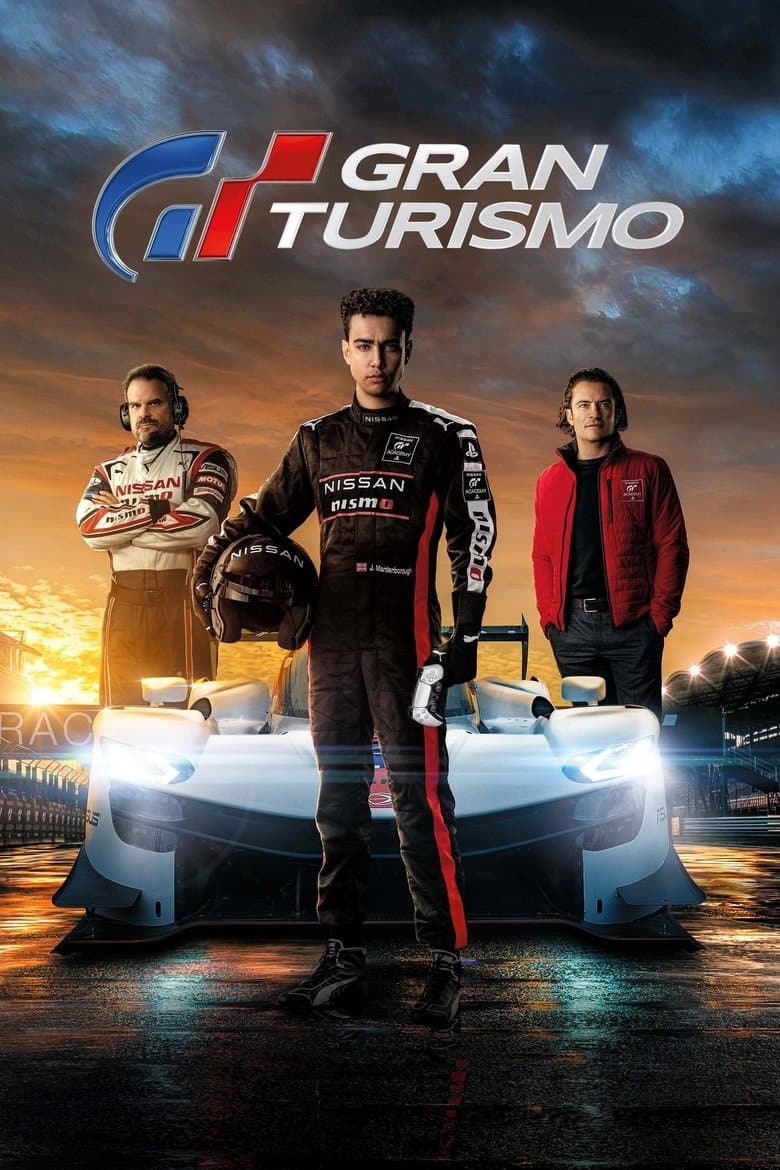
Movie · 2023
The ultimate wish-fulfillment tale of a teenage Gran Turismo player whose gaming skills won him a series of Nissan competitions to become an actual professional racecar driver.
