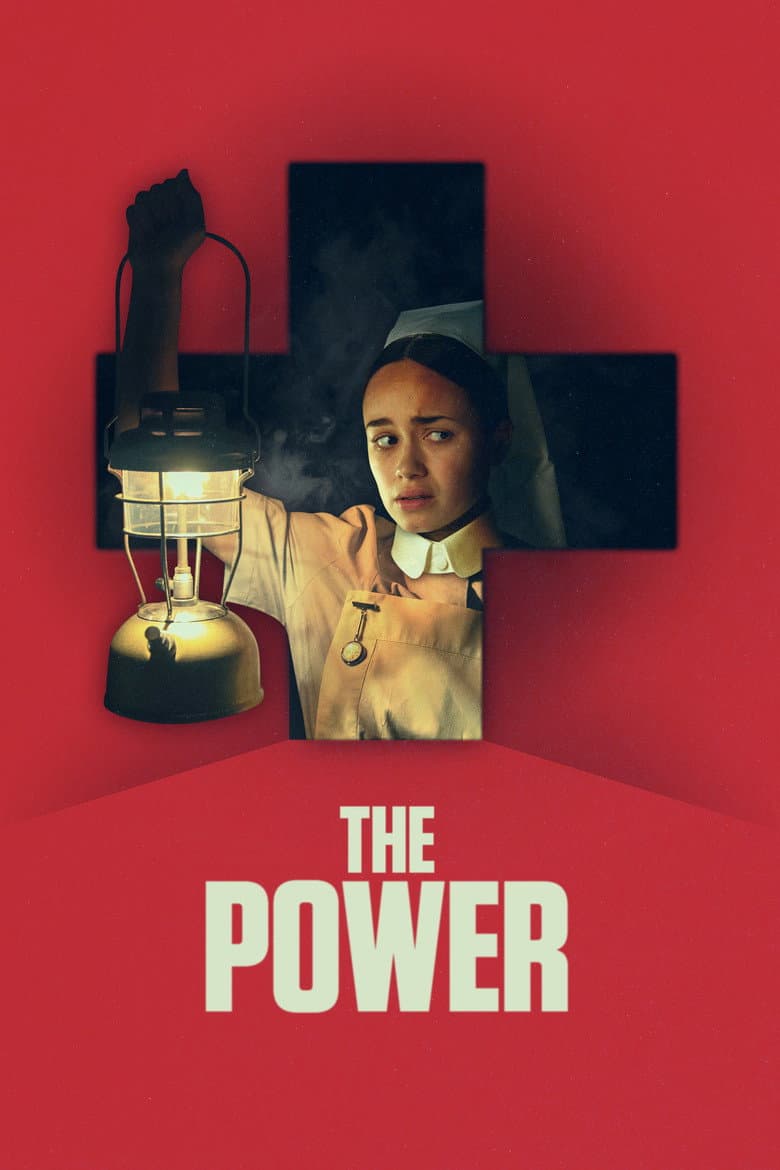
Val is a trainee nurse who starts her first night shift at a worn down hospital in East London. Britain is facing planned power cuts in 1974, so most patients and workers leave and Val is left in a dark building with a small group of staff. A ghost begins to attack her and makes her face memories from an orphanage and a childhood abuse claim that adults forced her to withdraw. Val also tries to protect Saba, a frightened young patient, while the hospital hides what happened to another girl. The film has a grim, slow, and tense tone, with the blackouts turning the hospital into a maze of shadows.
Women carry most of the story, and the film treats their fear, silence, and anger as the main subject. Male doctors and workers often use their rank to mock, threaten, or control women, while other adults dismiss reports of abuse or help hide them. The ghost gives Val, Saba, and Gail a way to speak and fight back, so female solidarity drives the ending. Short lines about poverty, unions, women not being heard, and who holds power add a clear social message. The film connects the old hospital's abuse to problems that it says still exist today, which makes its feminist and institutional critique central rather than a small side plot.
Community feedback
Was our 68% Woke rating accurate?
Breakdown
These are the editorial factors and ratings behind our score for The Power.
Woke representation / casting
The film places a black matron, a black nurse, and a South Asian child in prominent roles. Their identities are visible, but the film gives no diversity speech or identity backstory. The period hospital makes the choices possible, so the casting signal is slight.
18%
Woke political dialogue
The film uses several short lines about class, work, and women being ignored. Val links poverty to health, and a nurse says that a group of women will not be heard at a union meeting. The doctor later claims control over Val because of his job. These lines support the social message, but they do not become a long political speech.
33%
Identity-driven story themes
The film makes gendered abuse and women's silence the central story problem. Val is doubted after reporting childhood abuse, Gail's sexual abuse and death are covered up, and the hospital treats women as troublemakers or objects. The ghost gives the abused girls a way to speak and punish the men who harmed them. The ending presents Val, Saba, and Gail joining together, so female solidarity and rage drive the final victory.
67%
Western institutional / cultural critique
The film presents the hospital's power structure as a system that protects abuse. Male doctors and staff use rank to harass women, silence reports, and control patients. Police, nuns, and hospital leaders also help bury or doubt the truth. The old setting makes the abuse partly historical, but the film uses it to make a present-day point about women being heard.
58%
Woke character or canon changes
Not relevant. The film is an original story rather than an adaptation of a known character or historical person. Its use of the 1974 blackouts is a setting choice, not an identity change.
0%
Anti-woke backlash and complaints
One review calls the film contemporary social-justice messaging and an anti-men hate screed. A Spanish audience review labels it woke propaganda. One audience comment also calls the male cast misandrist, while most Reddit discussion praises the atmosphere or discusses the ending. The supplied X pass found no anti-woke reaction, so the backlash looks real but fringe and limited.
32%
Creator track record context
Corinna Faith has a clear record of stories about vulnerable people, abuse, and gendered power, and her supplied creator score is 42/100. The film matches that pattern through its focus on silenced women and institutional abuse. Most listed producers have low stored scores and no public activist profile. The team therefore adds moderate context, led by Faith, rather than a broad activist signal.
33%
Production
Movie · 2016
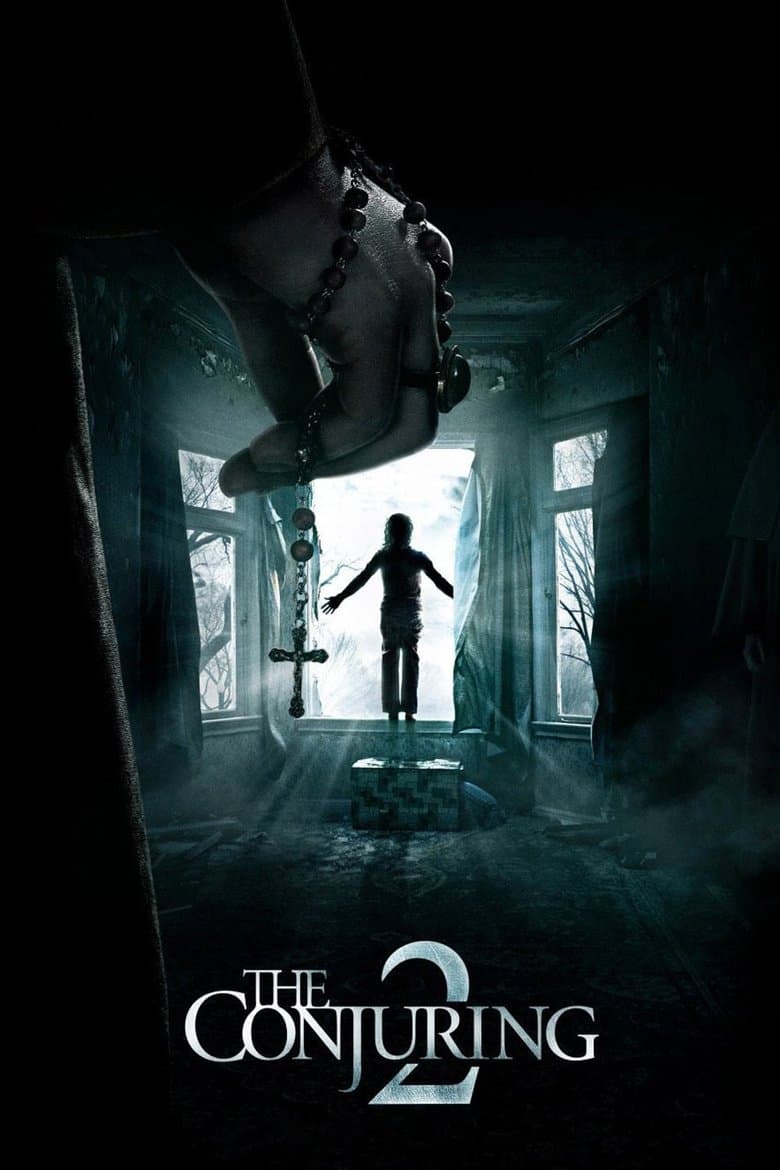
Lorraine and Ed Warren travel to north London to help a single mother raising four children alone in a house plagued by malicious spirits.
Movie · 2026
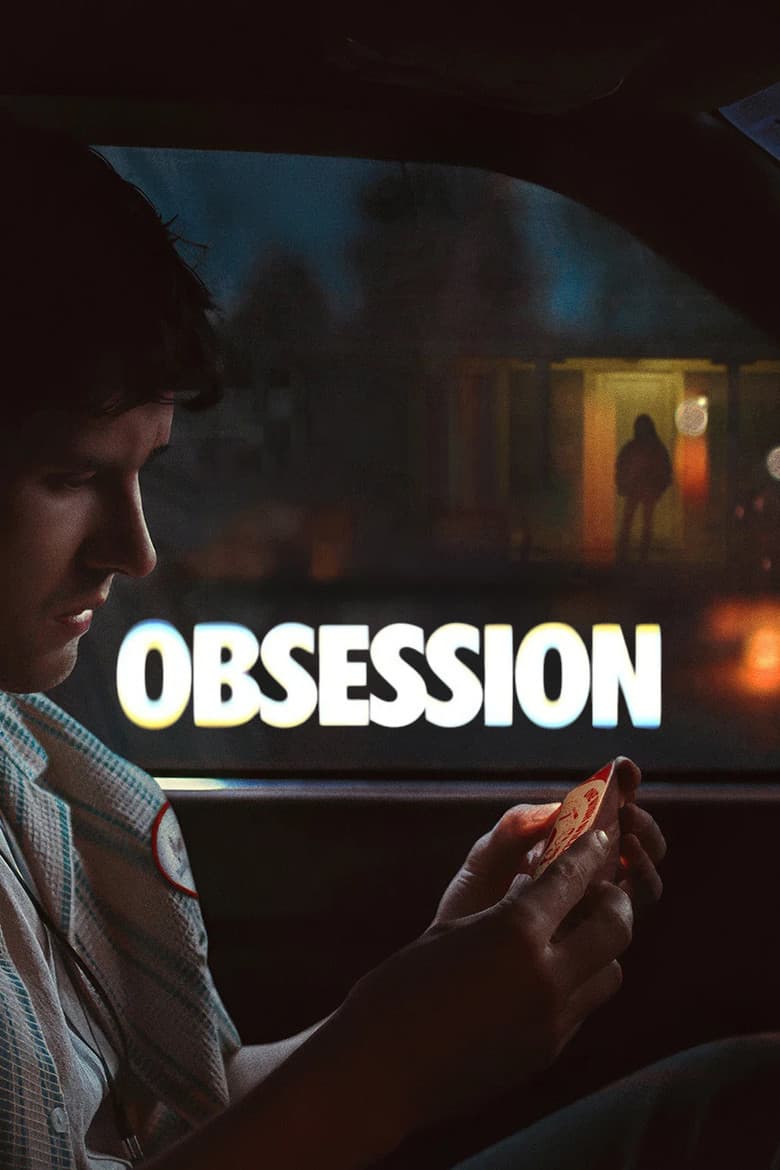
After breaking the mysterious "One Wish Willow" to win his crush's heart, a hopeless romantic finds himself getting exactly what he asked for but soon discovers that some desires…
Movie · 2017
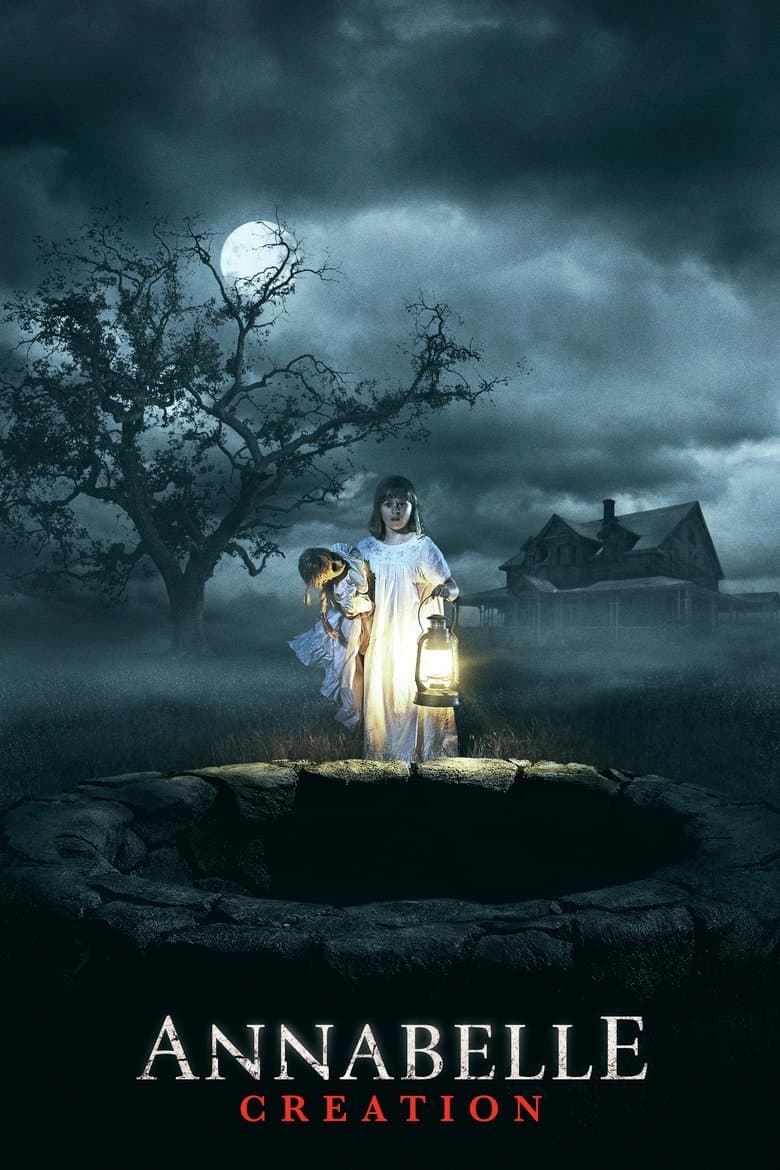
Several years after the tragic death of their little girl, a doll maker and his wife welcome a nun and several girls from a shuttered orphanage into their home, soon becoming the…
Movie · 2016
In 1630, a farmer relocates his family to a remote plot of land on the edge of a forest where strange, unsettling things happen.
Movie · 2022
Trapped on her family’s isolated farm, Pearl must tend to her ailing father under the bitter and overbearing watch of her devout mother.
Movie · 2025
Following the death of their father, a brother and sister are sent to live with a foster mother, only to learn that she is hiding a terrifying secret.
Movie · 2022
Inspired by the true story of a family who believed they were possessed by spirits. This film follows a woman who must protect her child from a curse.
Movie · 2024
A boy and his stepmother fear for their safety after an eerie creature resembling the boy's recently deceased father visits them.
