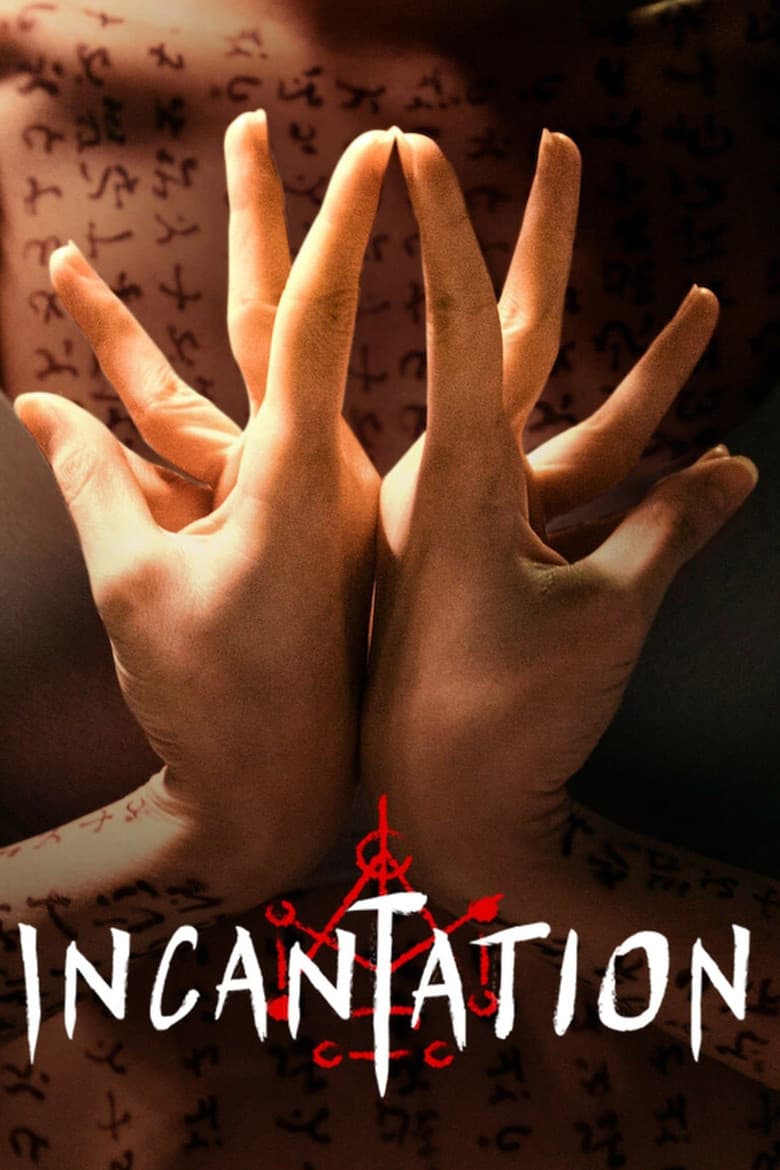
Incantation follows Li Ronan, a troubled mother in Taiwan who is trying to protect her young daughter, Dodo. Six years earlier, Ronan and two friends filmed a forbidden ritual in a remote village in Yunnan and broke a religious taboo. After Ronan gets her daughter back from foster care, the curse returns and begins to harm the child. The film uses found footage, home videos, phone screens, and direct appeals to the viewer, so the horror feels personal, tense, and bleak.
The movie puts motherhood, guilt, fear, and the cost of past choices at the center. Ronan is not shown as a flawless hero, because she hides the truth and finally spreads the curse to other people in an attempt to save Dodo. The film treats the invented religion, child sacrifice, strange symbols, and repeated chants as parts of a frightening curse story. Ronan's struggle stays focused on her family, and the story ends with a cruel choice that saves her child by passing danger to the audience.
Community feedback
Was our 0% Woke rating accurate?
Breakdown
These are the editorial factors and ratings behind our score for Incantation.
Woke representation / casting
Not present. The film uses Taiwanese actors for a Taiwanese story set in Taiwan and nearby Yunnan. The lead woman’s role is a mother in the plot, not an identity statement.
0%
Woke political dialogue
Not present. The spoken lines cover blessings, curses, religious taboos, family fear, and survival. They do not promote modern identity, DEI, gender-role, or activist ideas.
0%
Identity-driven story themes
Not present. The story centers on motherhood, guilt, grief, and a supernatural curse. Ronan’s choices serve the mother and child plot, while the female monster belongs to the invented folk-horror world.
0%
Western institutional / cultural critique
Not present. The film focuses on a fictional cult, a family, foster care, and supernatural danger. It does not attack Western institutions, Christianity, men, family life, or traditional social norms.
0%
Woke character or canon changes
Not relevant. The film is an original fictional horror story loosely inspired by a real 2005 case. It does not change the race, gender, sexuality, or hero role of an established character or historical figure.
0%
Anti-woke backlash and complaints
Not present. The supplied X pass found no anti-woke reaction or specific complaints. News and social posts focused on fear, superstition, religious discomfort, and the trick ending.
0%
Creator track record context
Not present. Cached context shows no clear pattern of activist, DEI, or identity-driven work from the director, writer, or producer. Title interviews focus on horror craft, Taiwanese religious imagery, audience fear, and motherhood.
0%
Production
Movie · 2025
Following the death of their father, a brother and sister are sent to live with a foster mother, only to learn that she is hiding a terrifying secret.
Movie · 2024
A live broadcast of a late-night talk show in 1977 goes horribly wrong, unleashing evil into the nation's living rooms.
Movie · 2026
After breaking the mysterious "One Wish Willow" to win his crush's heart, a hopeless romantic finds himself getting exactly what he asked for but soon discovers that some desires…
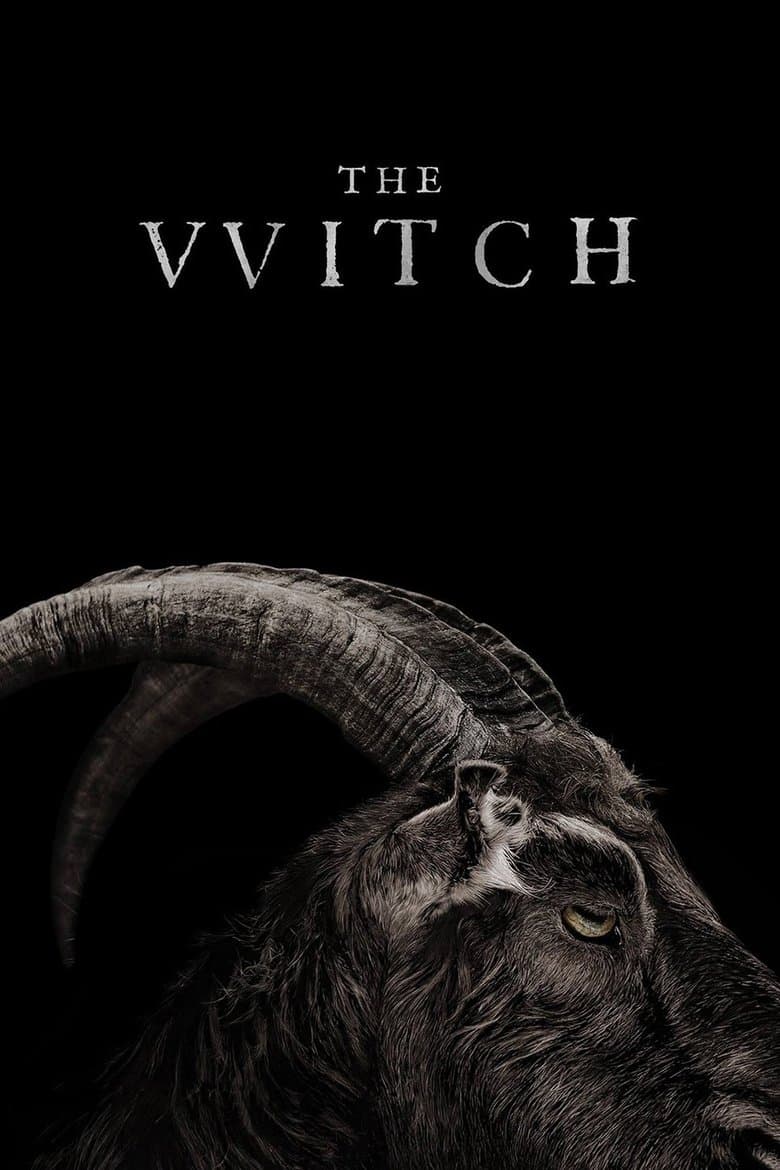
Movie · 2016
In 1630, a farmer relocates his family to a remote plot of land on the edge of a forest where strange, unsettling things happen.
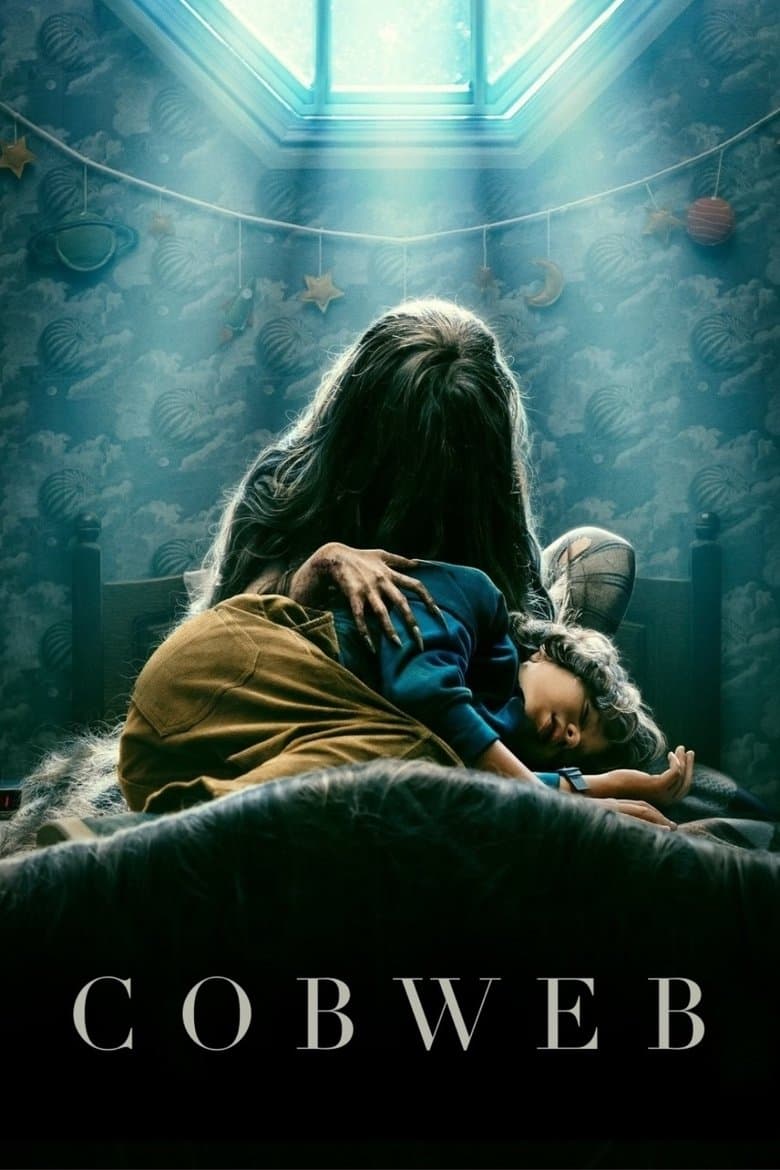
Movie · 2023
Eight year old Peter is plagued by a mysterious, constant tapping from inside his bedroom wall—one that his parents insist is all in his imagination.
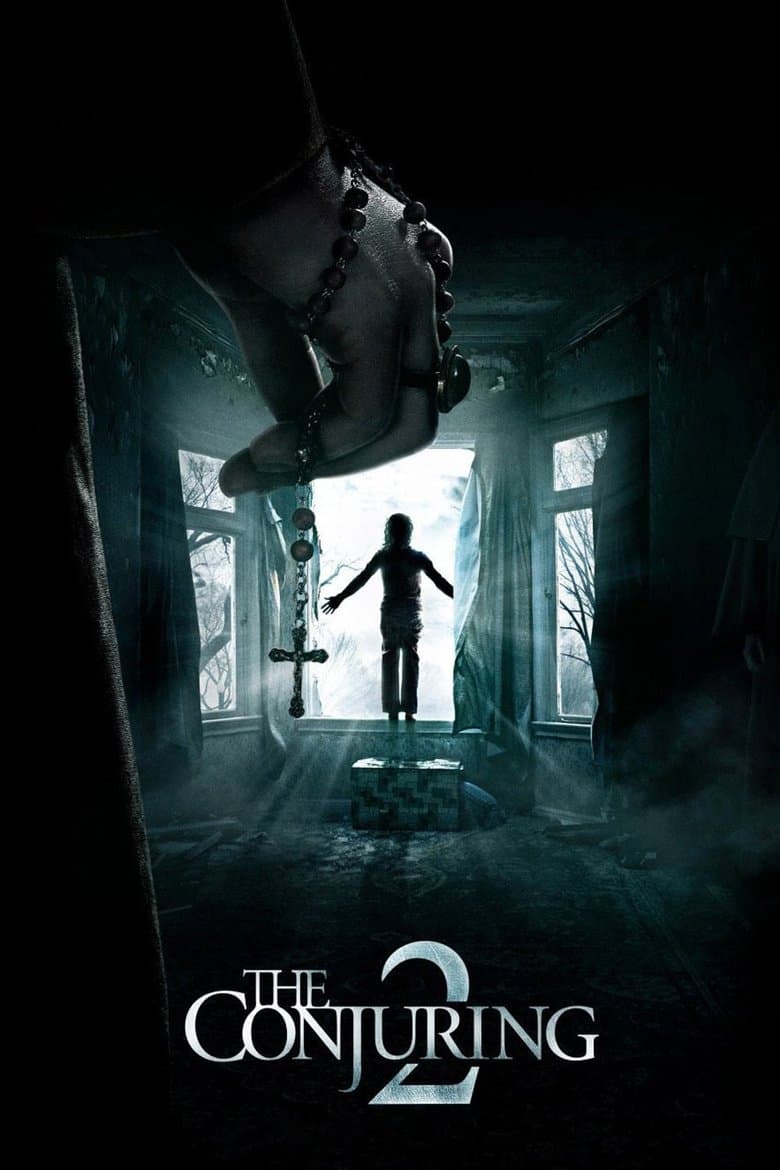
Movie · 2016
Lorraine and Ed Warren travel to north London to help a single mother raising four children alone in a house plagued by malicious spirits.
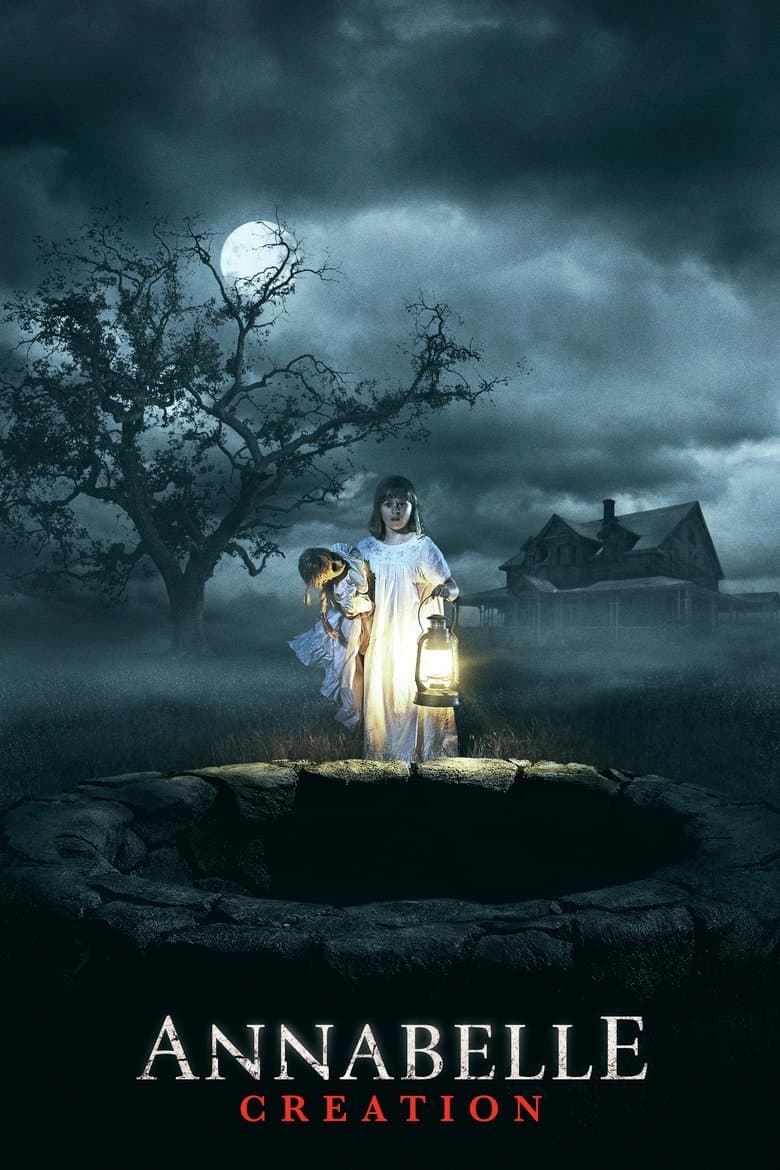
Movie · 2017
Several years after the tragic death of their little girl, a doll maker and his wife welcome a nun and several girls from a shuttered orphanage into their home, soon becoming the…
Movie · 2019
Columbus, Tallahassee, Wichita, and Little Rock move to the American heartland as they face off against evolved zombies, fellow survivors, and the growing pains of the snarky…
