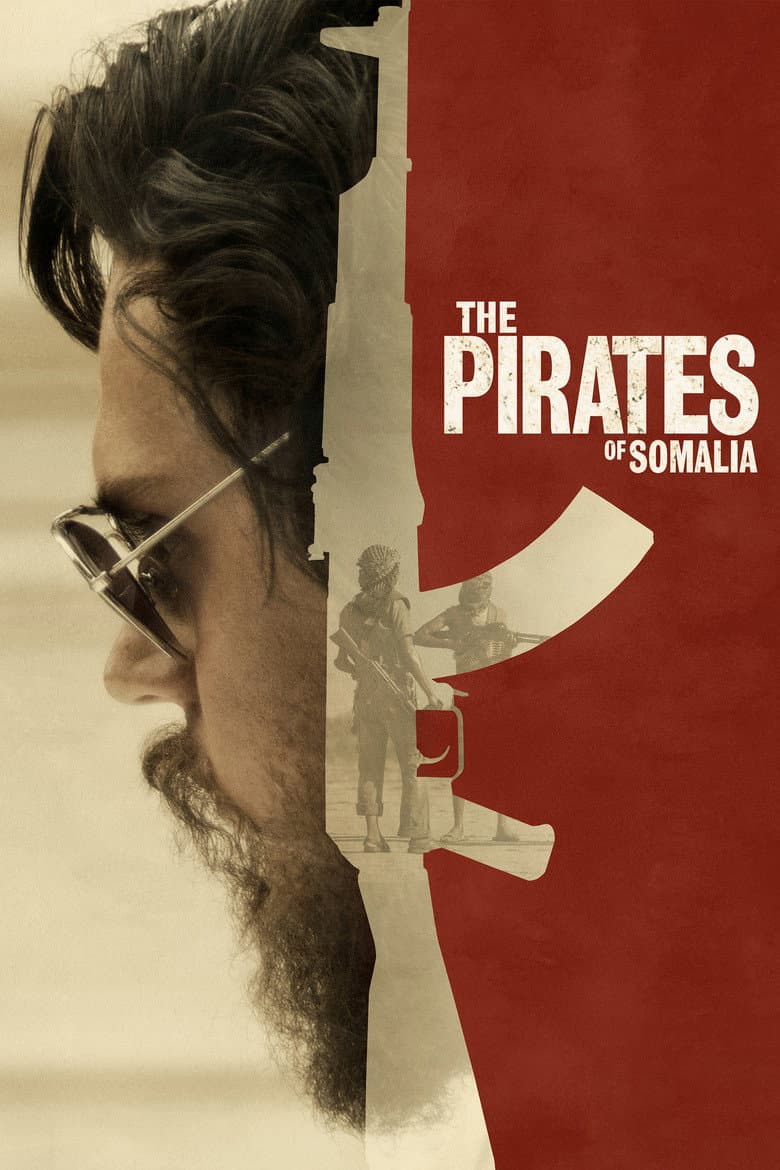
The movie follows Jay Bahadur, a young Canadian who wants to become a serious reporter. After meeting an older writer he admires, Jay travels to Somalia in 2008 to interview pirate leaders. A local fixer named Abdi helps him reach dangerous men, while Jay uses gifts of khat to gain their trust. The story mixes danger, fish-out-of-water comedy, and a serious look at why piracy grew after Somalia’s collapse.
Jay’s report asks viewers to see Somali pirates as people shaped by poverty, lost fishing work, foreign interference, and weak government, not only as villains. The movie also attacks Black Hawk Down for telling a Somali story without Somali actors. Somali characters guide Jay, but the film still keeps a white outsider at the center. These ideas repeat through Jay’s reporting and the ending, but the movie remains mainly a journalist’s adventure and personal success story.
Community feedback
Was our 37% Woke rating accurate?
Breakdown
These are the editorial factors and ratings behind our score for The Pirates of Somalia.
Woke representation / casting
Not present. The Somali roles are played by Somali actors and refugees, which fits the setting. The white Canadian lead plays the real journalist at the center of the story.
0%
Woke political dialogue
Maryan says that Black Hawk Down was wrong because it told a Somali story without using Somali people. Jay also hears pirates explain their actions through lost fishing work and foreign interference. These lines give a short identity and political message, but the movie does not build the whole plot around speeches or party politics.
27%
Identity-driven story themes
The movie repeatedly asks viewers to see Somali people as more than the pirate image shown in Western news. Jay learns that some pirates call themselves guardians of the sea and that their lives grew from poverty, lost fishing work, and weak government. The right to tell Somalia’s story becomes a clear subject. This theme matters, but Jay’s risky reporting and career growth remain the main plot.
38%
Western institutional / cultural critique
The movie blames foreign companies and outside powers for helping destroy local fishing work. The pirates say their actions grew after Somalia lost order and outside forces used its coast. The film questions Western news reports and criticizes Black Hawk Down for leaving out Somali voices. The criticism is visible across the story, but it stays tied to the history of piracy more than to a broad attack on modern Western society.
34%
Woke character or canon changes
Not relevant. The movie adapts a nonfiction book about a real journalist. It does not show a stated race, gender, sexuality, or hero-role change to an established character.
0%
Anti-woke backlash and complaints
Not present. No anti-woke complaints were found in the reviewed news, audience, or social discussion. The supplied X research also reports no anti-woke reaction.
0%
Creator track record context
Bryan Buckley has a low creator track record score and is mainly known for commercials, with some later political art. Jay Bahadur has no strong public record of identity activism. Producer Mino Jarjoura has a clear pattern of work about Somali refugees and cultural accuracy. Several other producers have a few representation-related credits, so the group gives mild supporting context rather than a strong activist signal.
24%
Production
Movie · 2019
Richard Jewell thinks quick, works fast, and saves hundreds, perhaps thousands, of lives after a domestic terrorist plants several pipe bombs and they explode during a concert…
Movie · 2022
A quiet, neglected girl is sent away from her dysfunctional family to live with relatives for the summer. She blossoms in their care, but in this house where there are meant to be…
Movie · 2023
The true story of the inseparable Von Erich brothers, who made history in the intensely competitive world of professional wrestling in the early 1980s.
Movie · 2016
In a desolate war zone where screams of the innocent echo, on the very line between disaster and valor, 7 Maroon Berets will dance with death.
Movie · 2022
Based on a true tragedy, the emotionally triggering film sheds light on the plight of Kashmiri Pandits (Hindus), a religious minority in the 1990s Kashmir valley, who were…
Movie · 2016
After his older brother passes away, Lee Chandler is forced to return home to care for his 16-year-old nephew.
Movie · 2025
Diagnosed with Tourette Syndrome at 15, John Davidson navigates his way against the odds through troubled teenage years and into adulthood, finding inspiration in the kindness of…
Movie · 2017
Members of the Granite Mountain Hotshots battle deadly wildfires to save an Arizona town.
