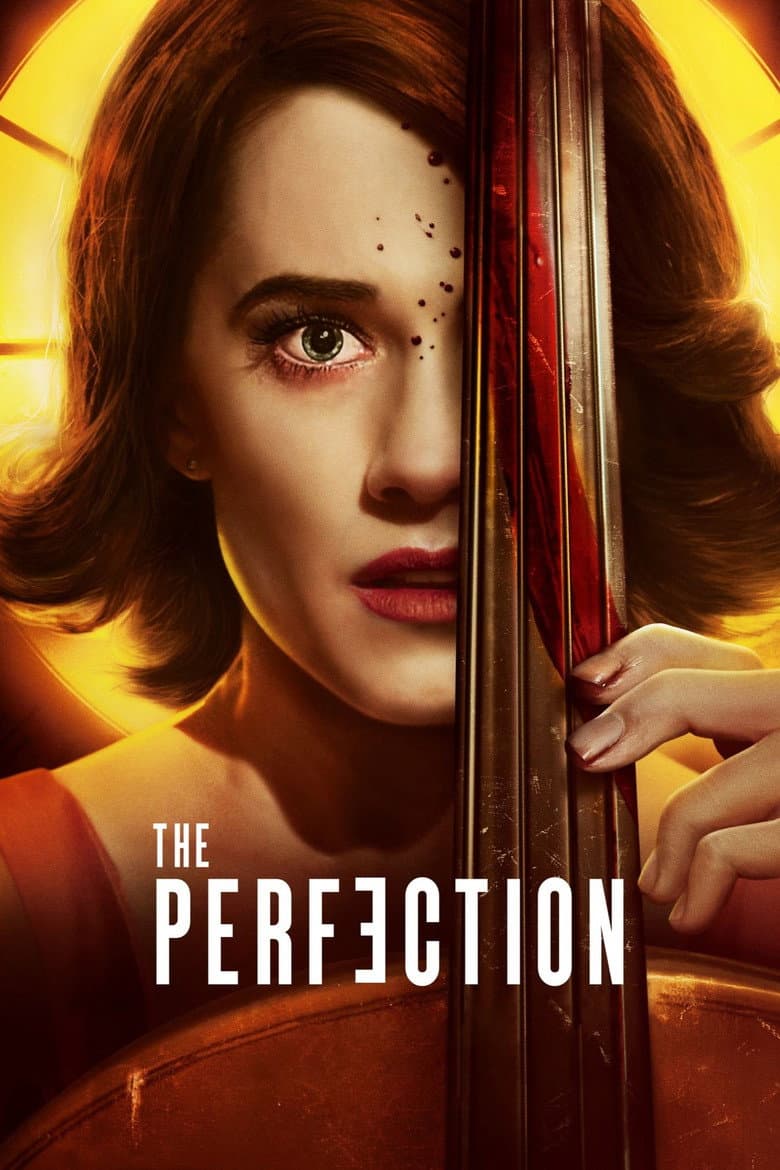
Charlotte is a gifted cellist who left the Bachoff Academy to care for her dying mother. After her mother dies, Charlotte returns to the school and meets Lizzie, the new student who took her place as its star performer. A trip through China turns into a nightmare when Lizzie becomes sick, sees insects on her skin, and cuts off her own hand. The film then reveals a cruel plan involving drugs, sexual abuse, and revenge. The tone shifts between music drama, body horror, and a violent thriller.
The film puts two women at the center of a story about trauma, sexual abuse, and revenge against a powerful male teacher. Charlotte and Lizzie have sex, fall in love, and later join forces against the academy that trained them. Their relationship is presented as a normal part of their lives rather than as a debate or a coming-out story. The ending gives the women control of the music and the punishment, while the male leader is left helpless. The movie uses female solidarity and a queer romance as major parts of its final message, but it presents them through shocking violence instead of speeches about politics.
Community feedback
Was our 66% Woke rating accurate?
Breakdown
These are the editorial factors and ratings behind our score for The Perfection.
Woke representation / casting
Charlotte and Lizzie are the two main cellists, so the film puts women in both top musical roles. Lizzie is played by black actress Logan Browning, and the two leads become an interracial couple. The story does not make race part of the plot, but Browning said she rarely sees girls who look like her in thriller roles. The casting therefore carries a noticeable representation signal.
35%
Woke political dialogue
Not present. The characters talk about music, abuse, trauma, and revenge rather than DEI, identity politics, or current gender policy. No repeated activist speech or slogan shapes the movie.
0%
Identity-driven story themes
The film centers on two women whose bond becomes both romantic and strategic. Charlotte and Lizzie are shown as lovers, survivors of sexual abuse, and partners in revenge against the male leader who controlled them. The story treats their relationship as a normal part of their lives instead of making them explain or hide it. Female solidarity, queer romance, and women taking power from an abusive man drive the final act. These themes are central and easy to notice, even though the movie presents them through horror and shock.
78%
Western institutional / cultural critique
The Bachoff Academy is an elite music school from Boston that abuses young students. The film shows its male leader using sexual violence, fear, and impossible standards to control women. Charlotte and Lizzie turn against the school and punish the men who run it. This institutional critique is a major reveal and drives the revenge story, but the movie does not attack every Western institution or make a broad political argument.
44%
Woke character or canon changes
Not relevant. The Perfection is an original story with no known earlier characters, franchise canon, or historical figures. No identity-related change to established material shapes the plot.
0%
Anti-woke backlash and complaints
One hostile web review called the movie fake-feminist and attacked its #MeToo framing, lesbian characters, interracial relationship, and toxic masculinity message. A few Reddit comments also called it a forced girl-power or feminist revenge story. The separate X research found no anti-woke backlash, boycott, or review-bombing. The complaints are specific but the volume is small and mostly fringe.
28%
Creator track record context
Richard Shepard has a low cached score, and the two writers and most producers have little public record of activism. Producer Stacey Reiss has a recurring record of work about underrepresented people, and casting director Jennifer Euston has worked on diverse social-theme shows. Those stronger signals sit beside mostly conventional genre careers. The overall creator context is a mild support for a woke reading, not a strong campaign.
27%
Production

Movie · 2018
A teenager's quest to launch Norwegian Black Metal in Oslo in the 1990s results in a very violent outcome.
Movie · 2018
A disgraced children's puppeteer returns to his childhood home and is forced to confront his wicked stepfather and the secrets that have tortured him his entire life.
Movie · 2017
In a small town in Maine, seven children known as The Losers Club come face to face with life problems, bullies and a monster that takes the shape of a clown called Pennywise.
Movie · 2020
When an outbreak hits, Aidan barricades himself inside his apartment and starts rationing food. His complex is overrun by infected Screamers, and with the world falling apart into…
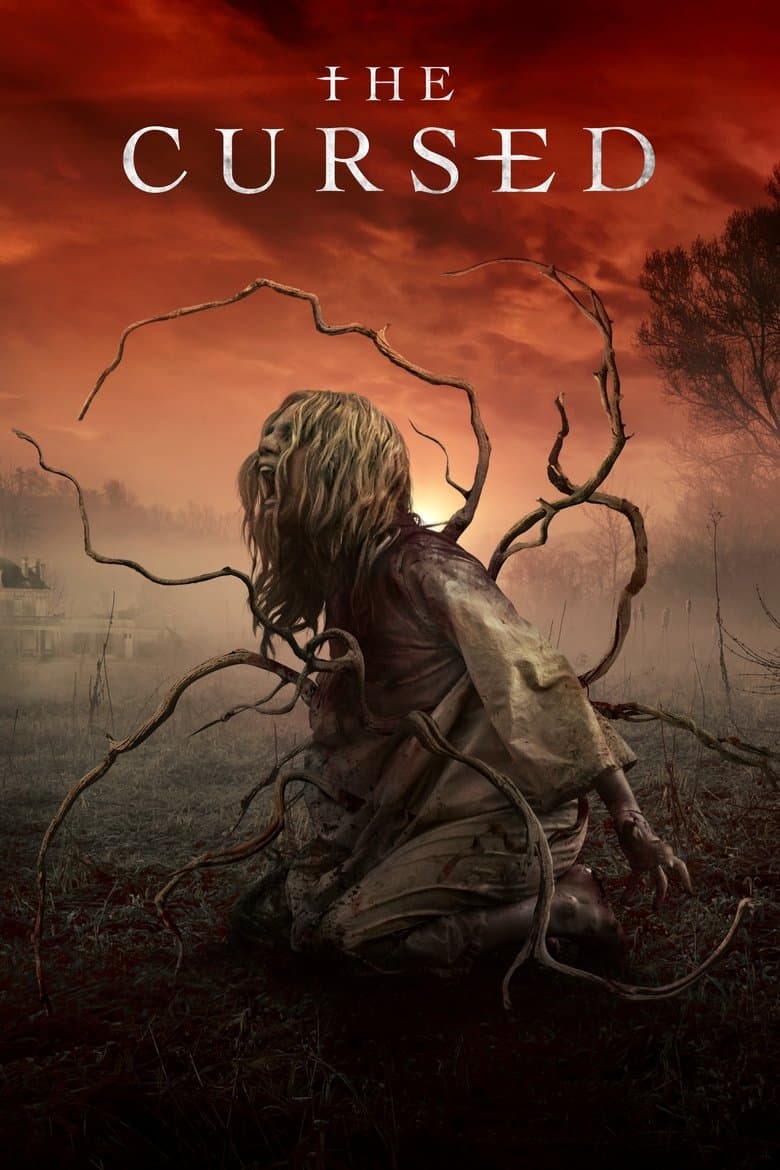
Movie · 2021
In the late 19th century, a brutal land baron slaughters a Roma clan, unleashing a curse on his family and village.
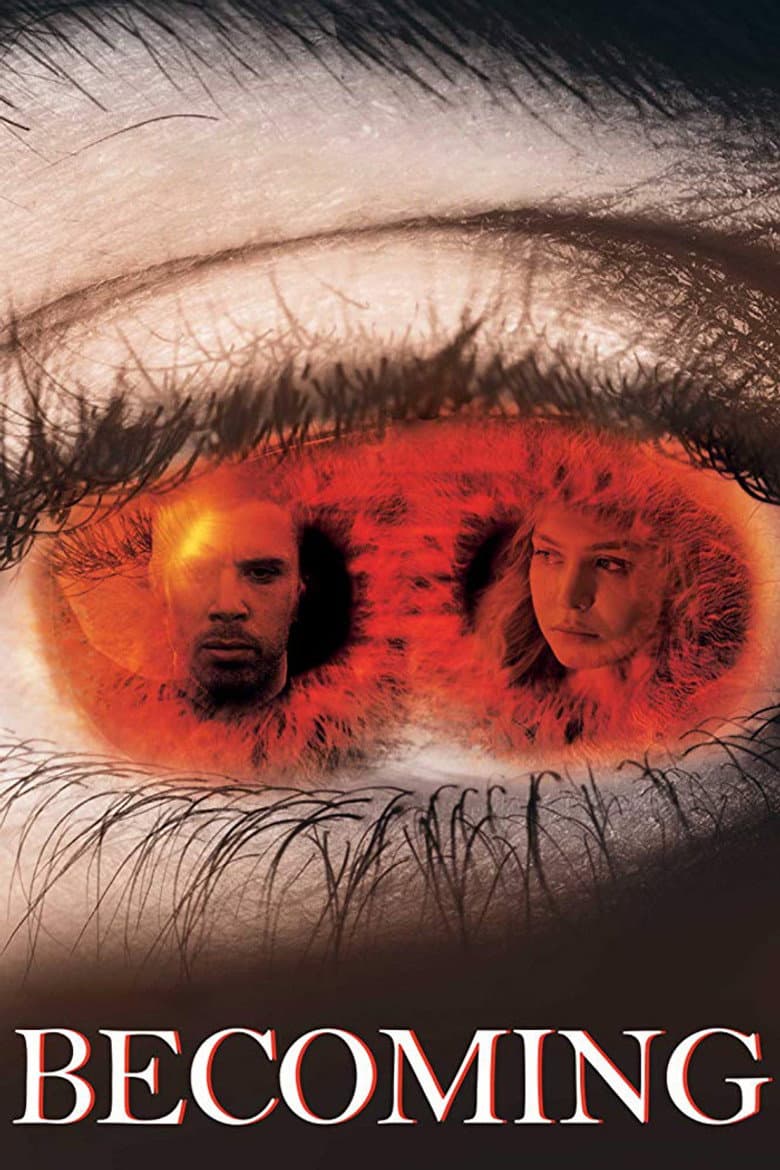
Movie · 2020
A couple on a road trip through America encounter a terrifying dark force older than the country itself. An evil that transforms loved ones into someone terrifying, the entity has…
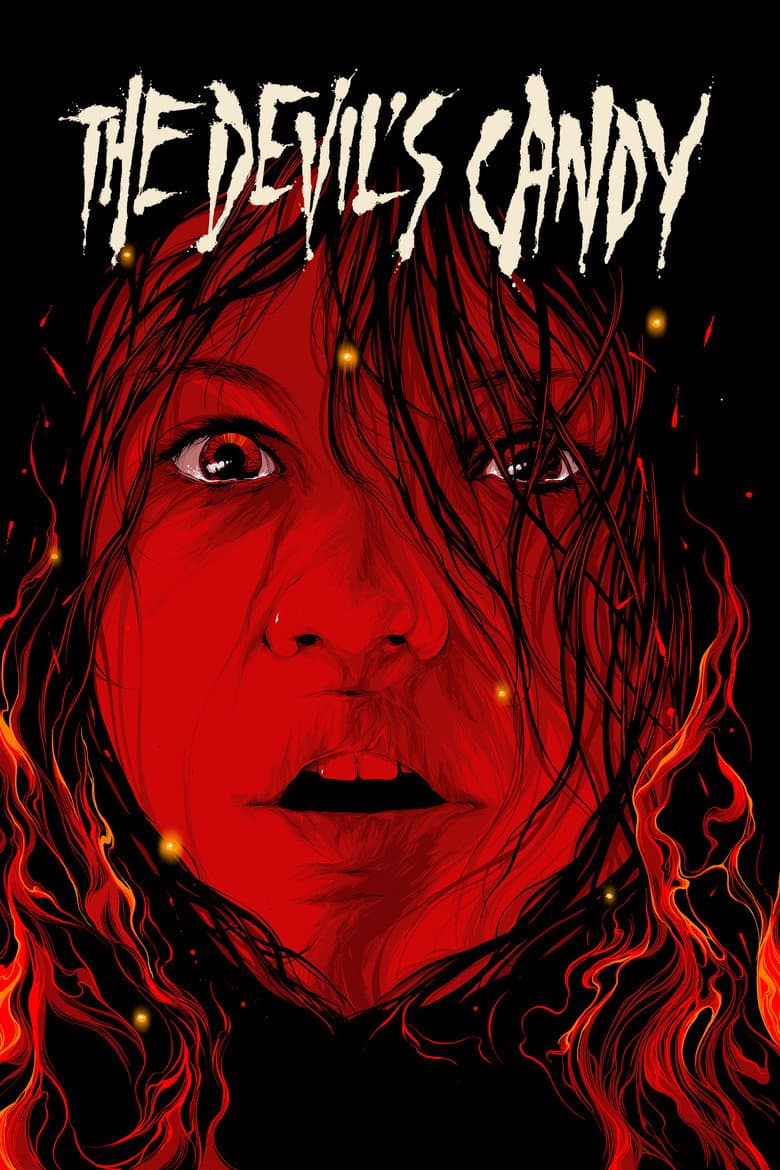
Movie · 2016
A struggling painter is possessed by satanic forces after he and his young family move into their dream home in rural Texas.
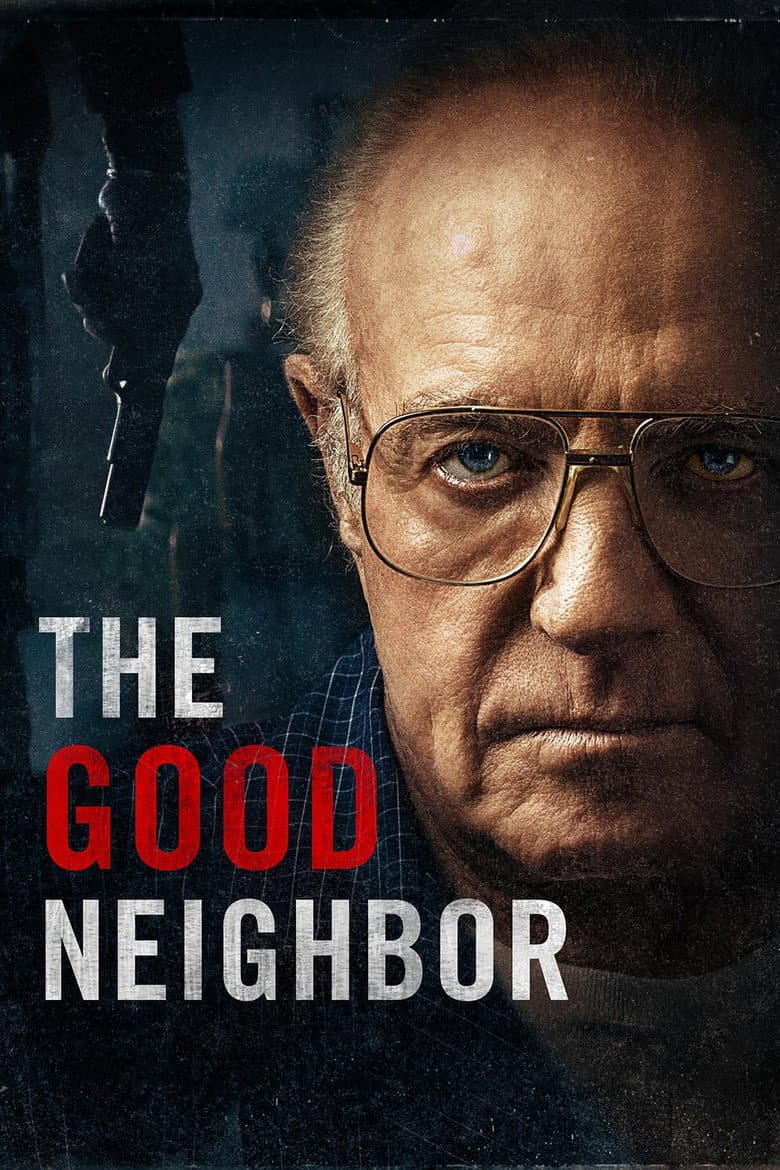
Movie · 2016
Two high school filmmakers decide to create the illusion of a haunting on an unsuspecting neighbor.
