
In 1976, Tom Michell leaves England to teach English and rugby at a private boys' school in Argentina. He expects an easy job, but the country is shaken by bombs, soldiers, and people taken from the streets. After Tom rescues an oil-covered penguin in Uruguay, he hides the bird at school and slowly grows close to his students and local staff. Tom begins as a bitter man who avoids trouble, and the warm, funny story follows his return to courage and care.
The film gives a clear place to Sofia, a young local activist who speaks against military rule, and Maria, her grandmother, who refuses to stop looking for her. Tom's lessons connect the penguin with freedom, courage, and the duty to help people in danger. These ideas create a mild activist message, but the story stays focused on grief, friendship, teaching, and personal change. The political material is serious, yet the film presents it through a gentle animal comedy and a personal story.
Community feedback
Was our 24% Woke rating accurate?
Breakdown
These are the editorial factors and ratings behind our score for The Penguin Lessons.
Woke representation / casting
Not present. The film places a British teacher and headmaster in an Argentine school, with Argentine performers in local roles. The casting fits the setting and is not presented as a diversity statement.
0%
Woke political dialogue
Sofia tells Tom that good people must act when bad leaders hurt others. Tom admits that he saw her taken by soldiers and failed to help. The lines support protest and resistance to the military regime. The film uses this historical politics rather than repeated modern identity or DEI speeches.
18%
Identity-driven story themes
Sofia's activist role gives the film a continuing message about taking sides against injustice. Tom's change depends on learning that good people must act instead of staying safe. The penguin becomes a sign of freedom, courage, and care for people in danger. The message recurs through the school lessons and Tom's choice to confront the kidnappers, but it is tied to the 1976 crisis.
30%
Western institutional / cultural critique
The film includes a joke about British food being forced on former colonies. Maria also criticizes the school's choice to stay out of the country's violence. The main target is the 1976 military regime, not modern Western culture. This makes the factor very weak.
8%
Woke character or canon changes
Not relevant. The film adapts Tom Michell's memoir but keeps Tom as the central character. No race, gender, sexuality, or identity-based hero change is shown.
0%
Anti-woke backlash and complaints
Not present. Audience comments mostly praise the penguin and the warm story, while reviews debate the handling of Argentina's history. A small X account praised this film against “woke trash” but did not call this film woke, so it is not an anti-woke complaint about the title.
0%
Creator track record context
Peter Cattaneo has a supplied score of 15, and Jeff Pope has 11. Tom Michell has 0, while producer Steve Coogan has 34 because of progressive political activity. The other supplied producers and casting directors are mostly low, with Alejandro Gil at 18 and Sarah Crowe at 19. This gives the film mild creator track record context, not a strong activist profile.
17%
Production
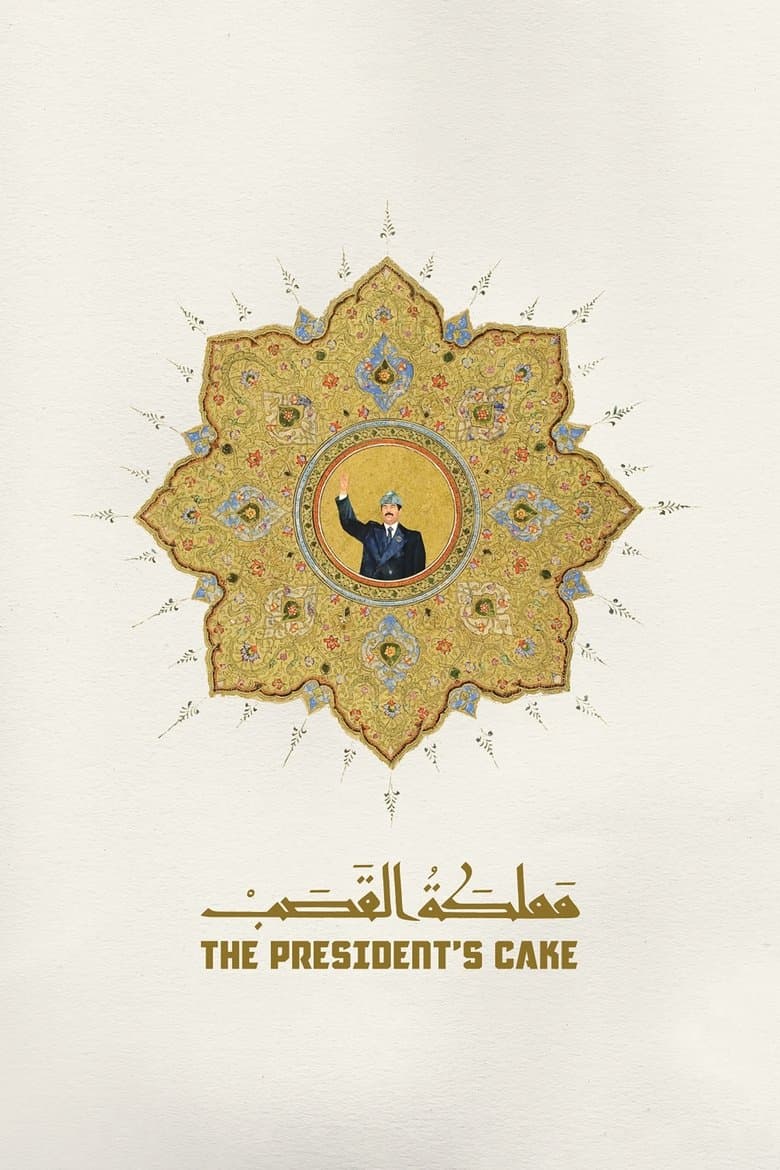
Movie · 2026
While people across 1990s Iraq struggle to survive the war and food shortages, Saddam Hussein requires each school in the country to prepare a cake to celebrate his birthday.
Movie · 2017
Members of the Granite Mountain Hotshots battle deadly wildfires to save an Arizona town.
Movie · 2016
On 15 January 2009, the world witnessed the 'Miracle on the Hudson' when Captain 'Sully' Sullenberger glided his disabled plane onto the Hudson River, saving the lives of all 155…
Movie · 2016
WWII American Army Medic Desmond T. Doss, who served during the Battle of Okinawa, refuses to kill people and becomes the first Conscientious Objector in American history to…
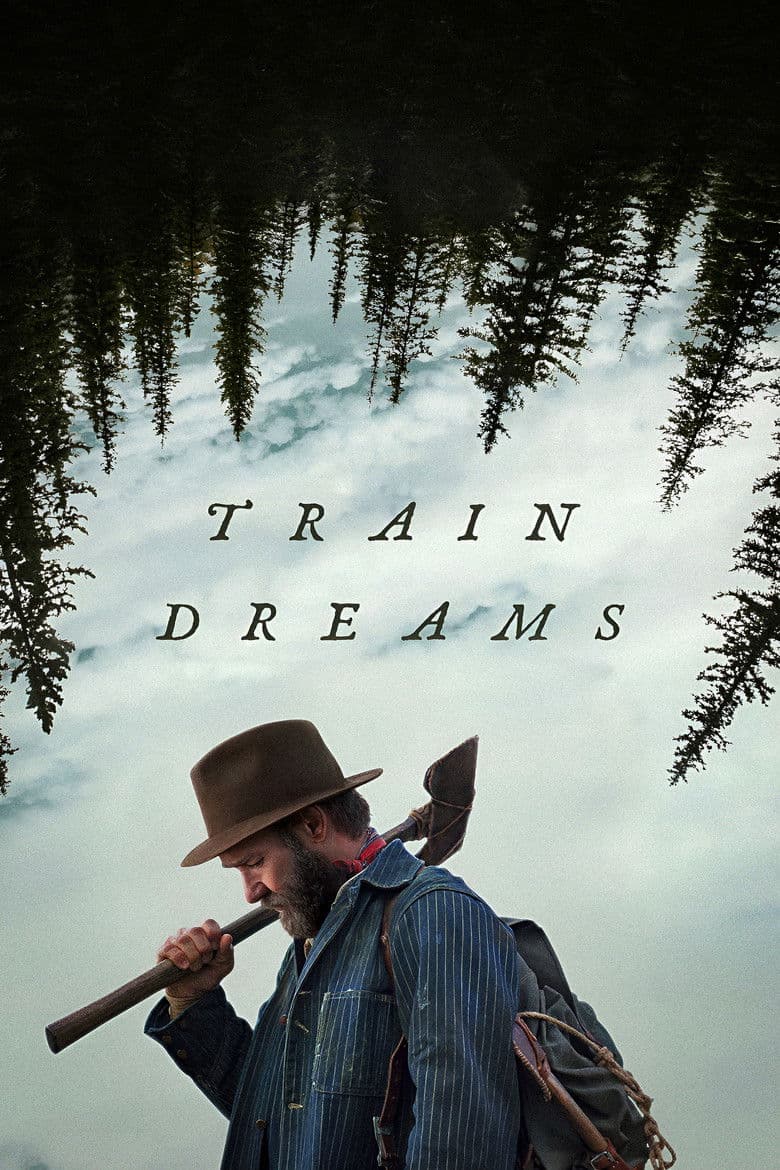
Movie · 2025
A logger leads a life of quiet grace as he experiences love and loss during an era of monumental change in early 20th-century America.
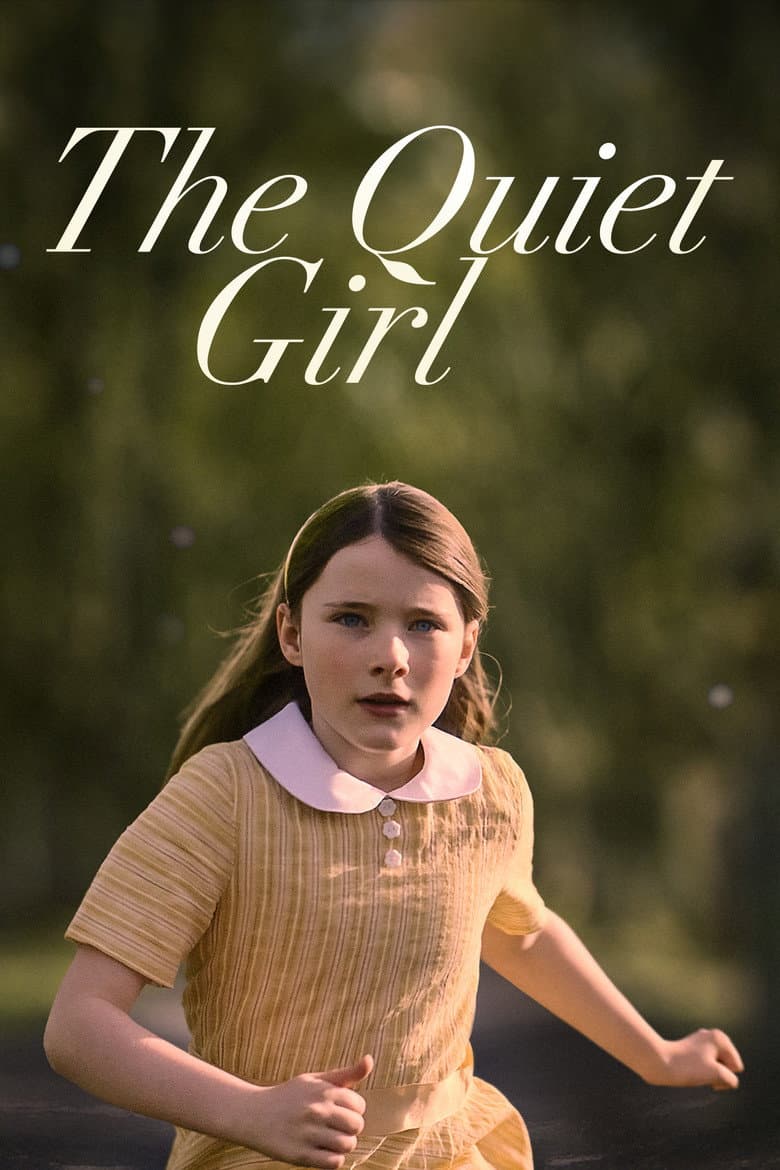
Movie · 2022
A quiet, neglected girl is sent away from her dysfunctional family to live with relatives for the summer. She blossoms in their care, but in this house where there are meant to be…
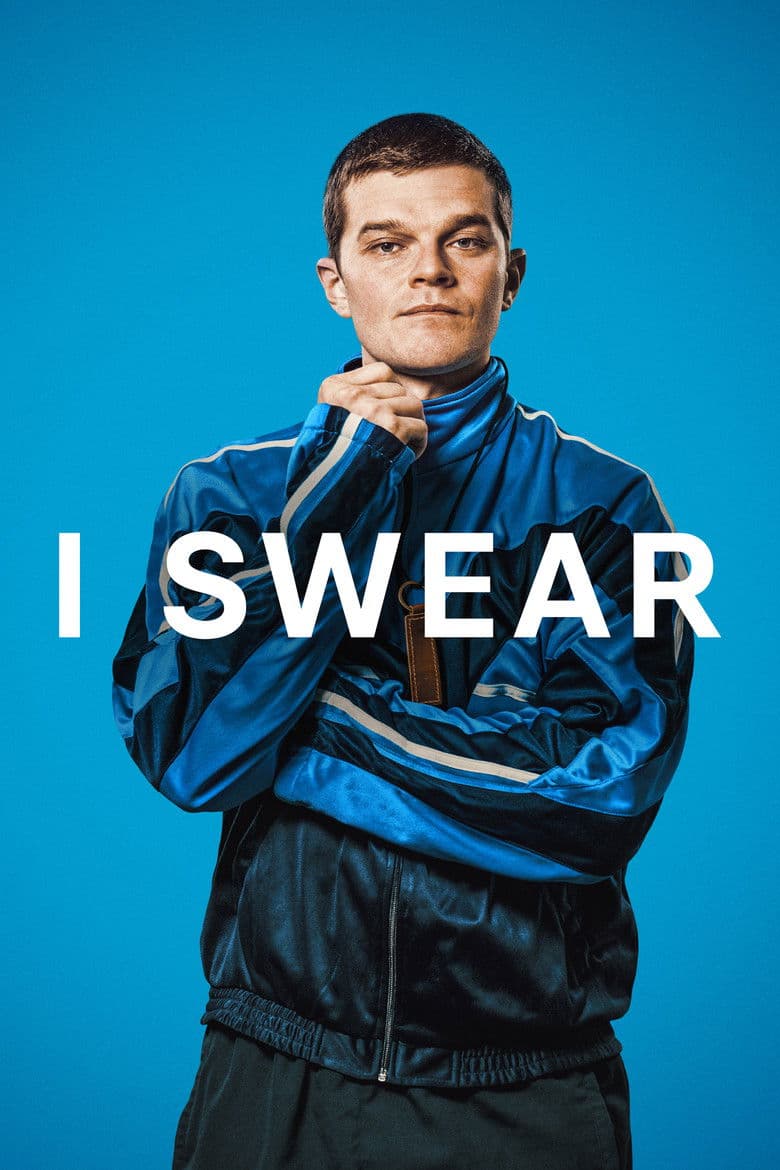
Movie · 2025
Diagnosed with Tourette Syndrome at 15, John Davidson navigates his way against the odds through troubled teenage years and into adulthood, finding inspiration in the kindness of…
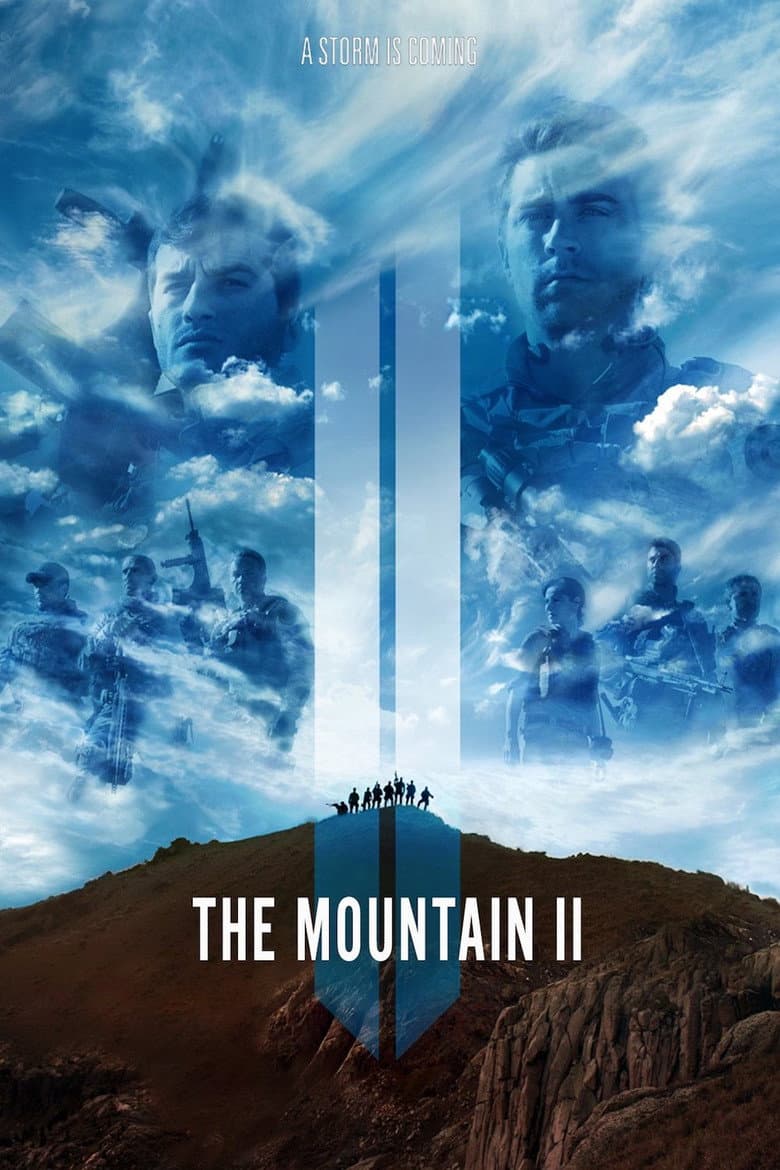
Movie · 2016
In a desolate war zone where screams of the innocent echo, on the very line between disaster and valor, 7 Maroon Berets will dance with death.
