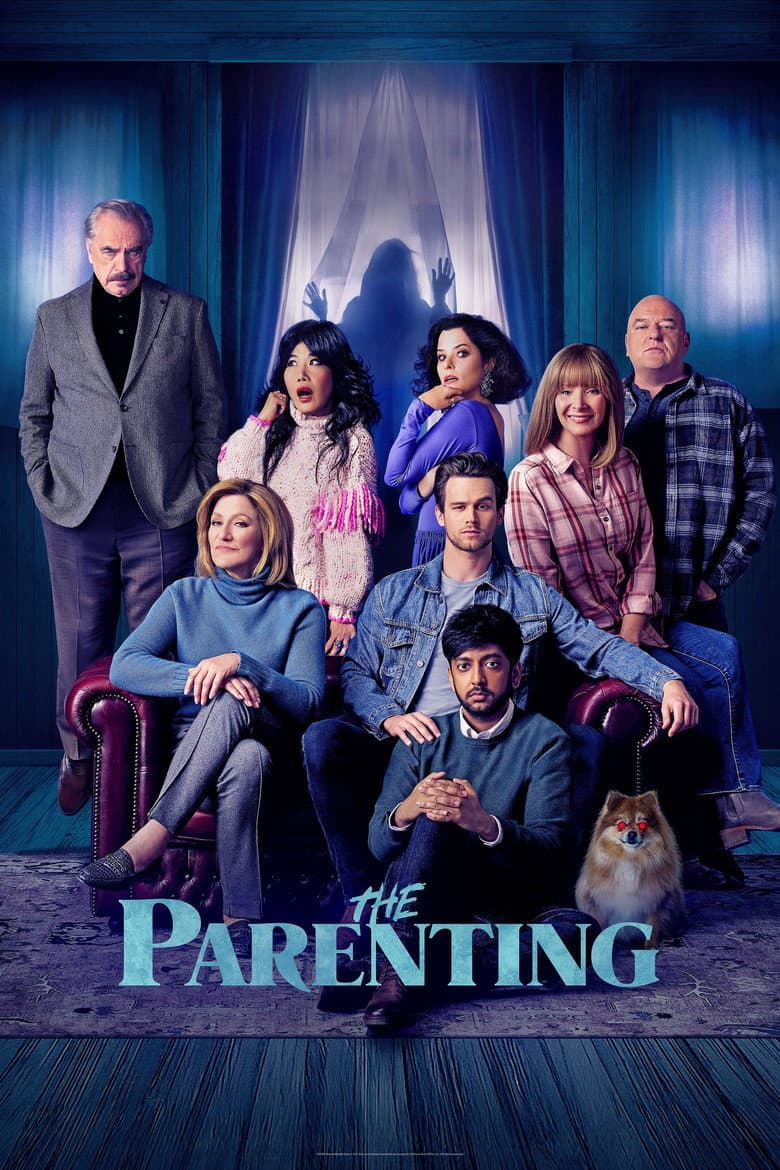
Rohan and Josh are boyfriends who plan a weekend in a country house so their parents can meet. Rohan hopes to propose, but the visit becomes tense because the two families have very different habits and ways of showing love. A 400-year-old demon wakes inside the house and possesses Rohan’s father, turning the family meeting into a fight for survival. The movie uses crude jokes, ghosts, sudden scares, and broad family comedy in a campy tone.
The story places a gay couple at the center of the danger, not at the edge of it. The demon attacks them with homophobic insults, while the families must face fear, old habits, and the pressure to make everyone fit together. Rohan and Josh argue, protect each other, and finally get engaged after the families join the fight. The ending presents love, family acceptance, and chosen friendship as the answer to the demon and the weekend’s conflicts.
Community feedback
Was our 79% Woke rating accurate?
Breakdown
These are the editorial factors and ratings behind our score for The Parenting.
Woke representation / casting
The film puts two gay men, Rohan and Josh, in its two leading roles. Their romance, planned proposal, and family meeting drive the story. Rohan is played by Indian American actor Nik Dodani, while Sara is played by Korean-born Vivian Bang, adding visible ethnic diversity to the main group. The casting and the film’s gay premise make representation a clear part of what viewers see.
78%
Woke political dialogue
Not present. The characters do not give speeches about elections, laws, or political movements. The demon uses homophobic insults, but the film treats them as crude horror jokes rather than a political argument.
0%
Identity-driven story themes
The film makes a gay couple the center of its romance, family conflict, and danger. The demon uses homophobic insults, so anti-gay hatred becomes part of the threat they must face. The families learn to accept the couple and each other as they work together. The proposal and happy ending present queer love, family acceptance, and chosen friendship as the answer to the crisis.
84%
Western institutional / cultural critique
The film pokes at older family habits and the fear that parents may reject a child’s partner. The demon’s repeated homophobic attacks turn intolerance into a threat that the families must defeat. The parents are still shown as loving people, and the story does not attack marriage, religion, work, or government. The critique stays inside family acceptance and is important but not the whole plot.
29%
Woke character or canon changes
Not relevant. The film is an original story about Rohan, Josh, their parents, and a demon. It does not change a known character, canon, or historical person.
0%
Anti-woke backlash and complaints
Not present. The supplied X research found no anti-woke posts, boycott, or review-bombing campaign. Web reviews discuss the weak horror, crude jokes, and queer story, but no clear anti-woke backlash was reported.
0%
Creator track record context
Craig Johnson has a strong queer-focused record, including Alex Strangelove and The Skeleton Twins, and the stored creator score is 83. Kent Sublette has a low stored score of 10 and is mainly known for political satire on Saturday Night Live. The other stored producers and crew have low or limited activist records. The director’s past work gives this title a strong creator context, while the other creators do not show the same pattern.
63%
Production
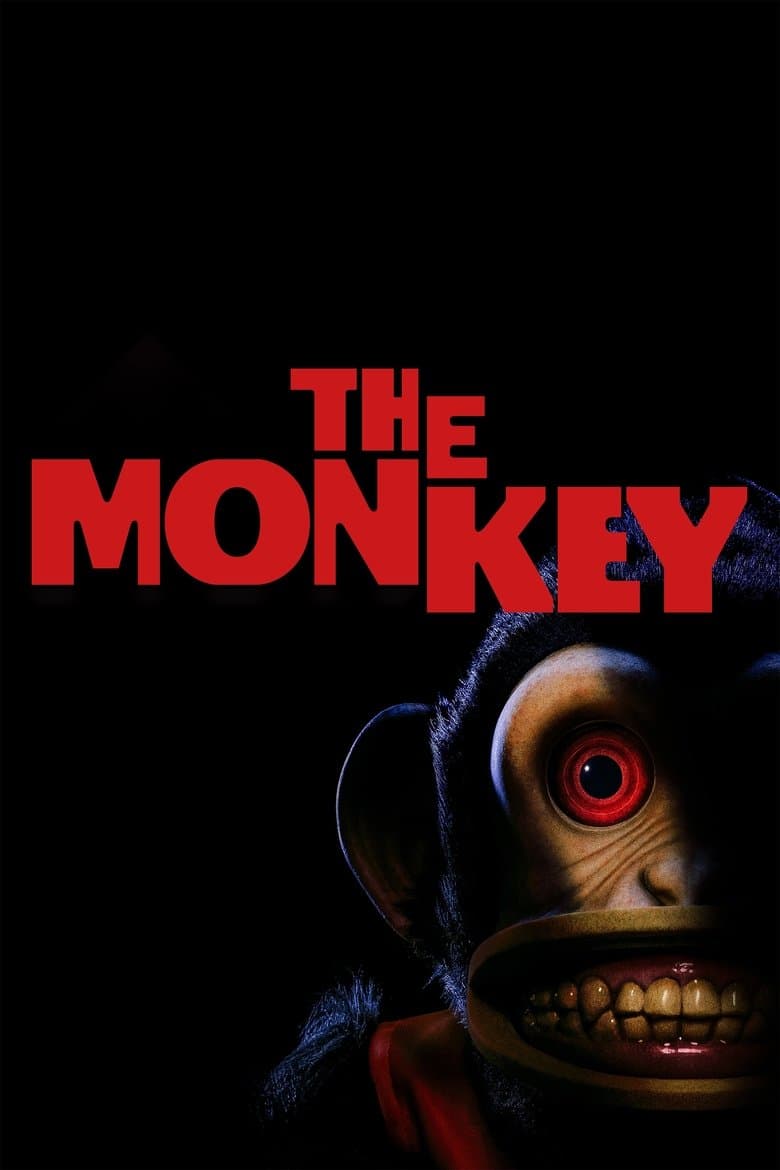
Movie · 2025
When twin brothers find a mysterious wind-up monkey, a series of outrageous deaths tear their family apart. Twenty-five years later, the monkey begins a new killing spree forcing…
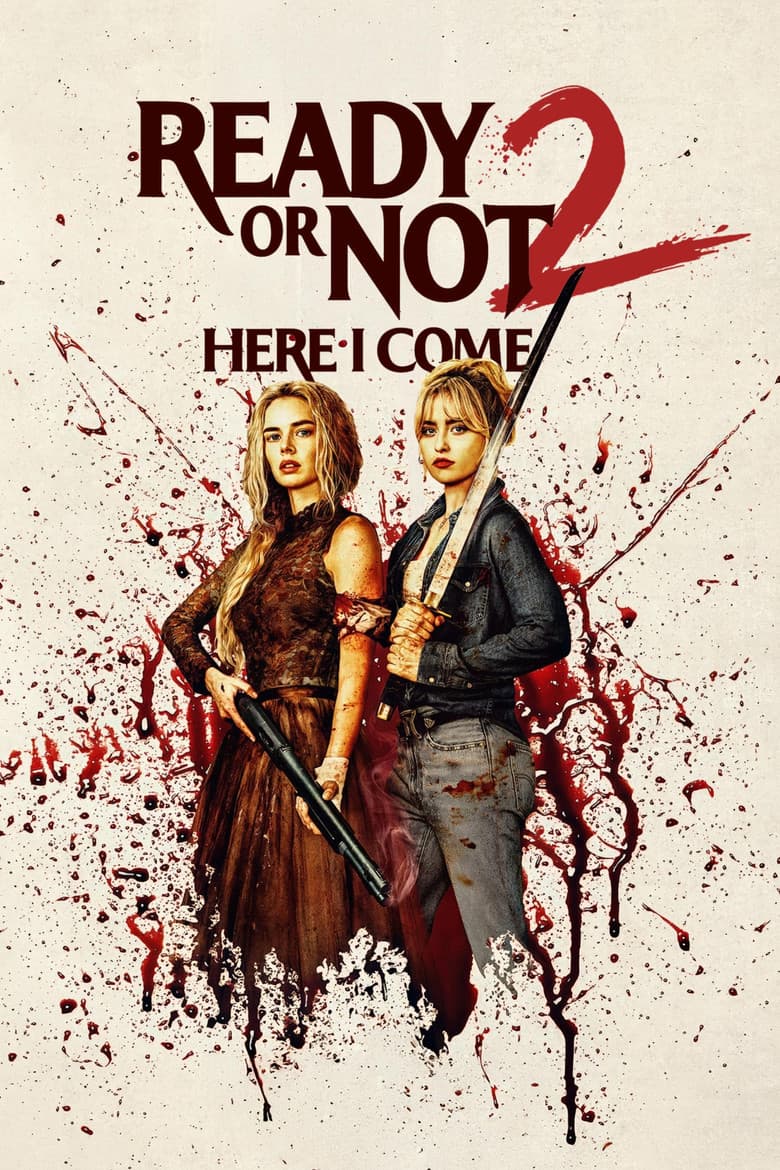
Movie · 2026
Moments after surviving an all-out attack from the Le Domas family, Grace discovers she’s reached the next level of the nightmarish game — and this time with her estranged sister…
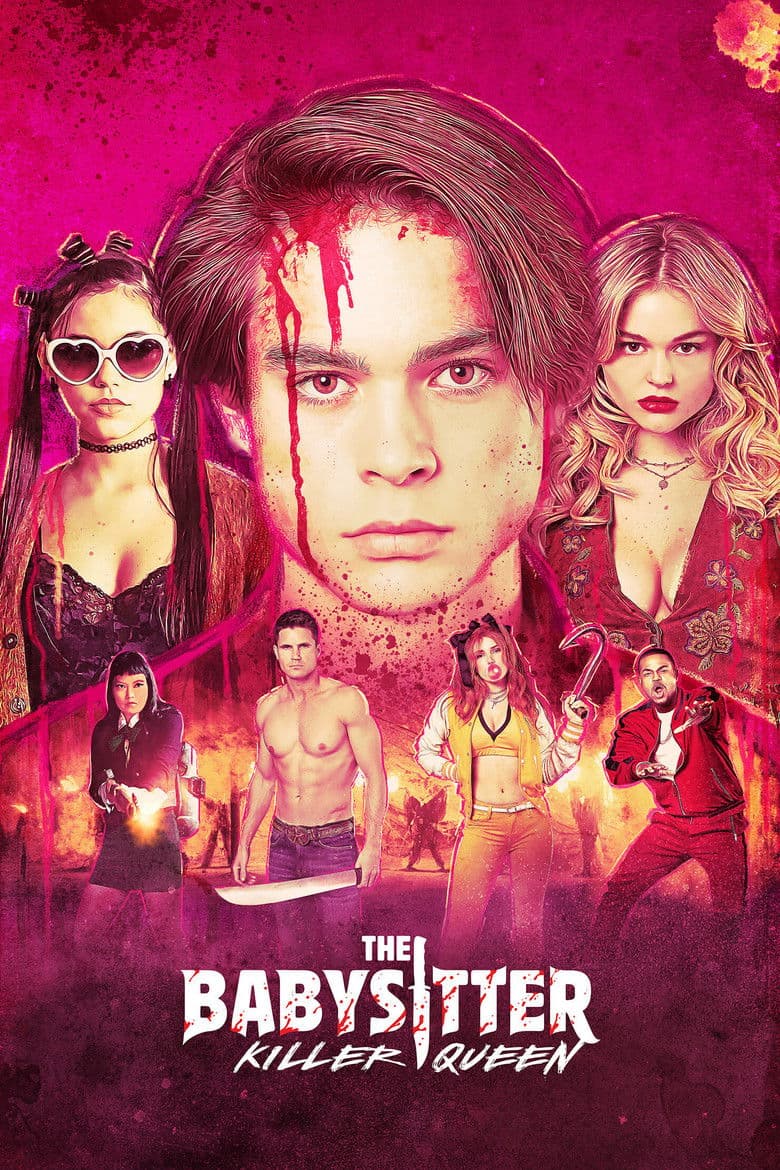
Movie · 2020
Two years after defeating a satanic cult led by his babysitter Bee, Cole's trying to forget his past and focus on surviving high school.
Movie · 2022
A college reunion goes awry when Pete suspects his friends may be out to get him... As their weekend getaway grows more and more uncomfortable, should Pete be worried about his…
Movie · 2024
A family's vacation to a remote getaway takes an unexpected turn when they discover the present-day implications of the island's cannibalistic past.
Movie · 2023
An American family fulfills their dream of moving back to their roots after inheriting a remote cabin in the mountains of Norway. But there's a surprise waiting for them.
Movie · 2017
Real zombies arrive and terrorize the crew of a zombie film being shot in an abandoned warehouse, said to be the site of military experiments on humans.

Movie · 2024
A live broadcast of a late-night talk show in 1977 goes horribly wrong, unleashing evil into the nation's living rooms.
