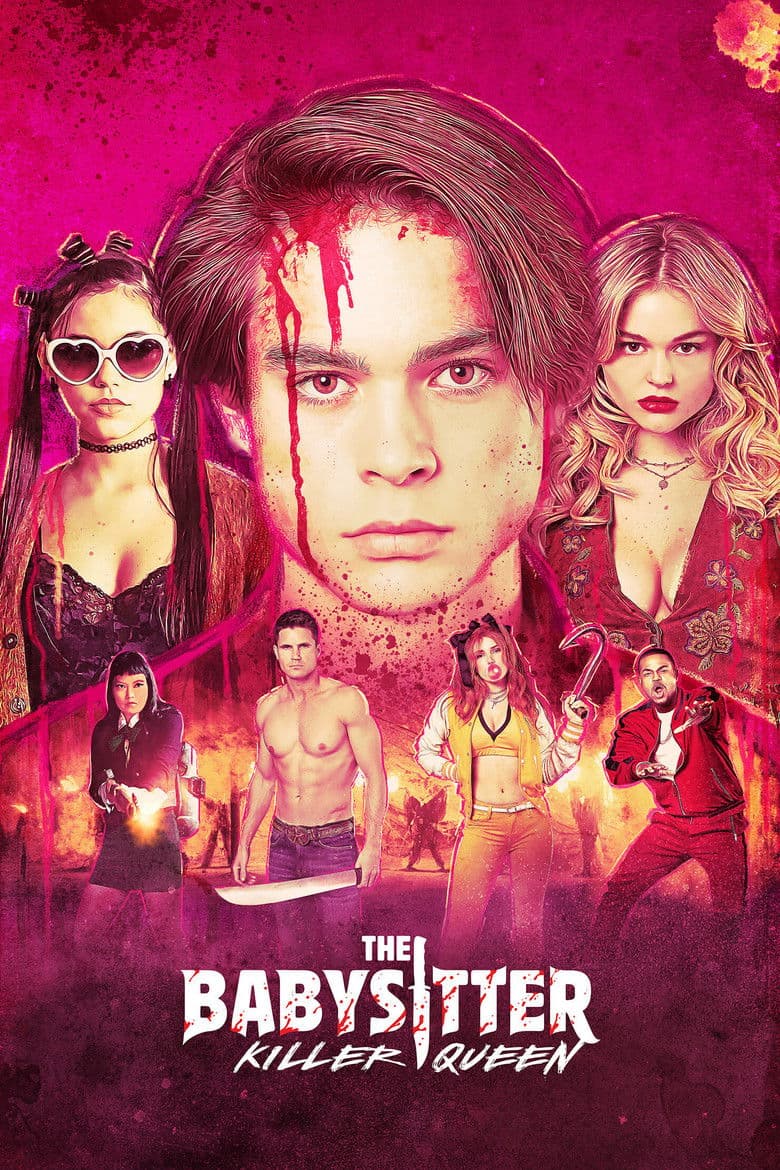
Two years after surviving a satanic cult, Cole Johnson is a junior who still cannot make his parents, school staff, or most classmates believe what happened. He leaves home with his friend Melanie for a lake party, but the night turns into another fight for his life. A new girl named Phoebe helps Cole escape across the lake and into an old family cabin. The film mixes bloody kills, crude jokes, teen romance, and loud pop-culture references.
Sex becomes part of the story because the cult needs the blood of an innocent virgin to complete its deal with the Devil. Cole and Phoebe's first sexual experience breaks that rule, so the cultists lose the power they wanted. The movie also drops short jokes about female power, Plan B, Hispanic identity, and black identity. Those lines appear in quick comedy moments, while the main story focuses on trauma, bullying, love, and the danger of taking shortcuts to fame or success.
Community feedback
Was our 22% Woke rating accurate?
Breakdown
These are the editorial factors and ratings behind our score for The Babysitter: Killer Queen.
Woke representation / casting
Not present. The movie shows a mixed modern teen group, but it does not make race, gender, or diversity a story message. No casting choice is framed as an identity statement.
0%
Woke political dialogue
The film includes a few direct identity or activist-style jokes. John says that the future is female, another line uses Plan B as a contraception joke, and John shouts a black-power slogan while dying. A character also calls Phoebe the Hispanic version of himself. These moments are short comedy lines, not a continuing political debate.
21%
Identity-driven story themes
Not present. The plot uses teen romance, bullying, trauma, and social-media ambition, but it does not build a story around race, sex, gender, or queer identity.
0%
Western institutional / cultural critique
The film turns sex before marriage into a joke that defeats the cult's virginity rule. Cole and Phoebe have sex, and that act makes his blood fail the ritual because he is no longer innocent. McG said the scene was meant to flip the Christian idea that premarital sex is bad. The parents and school staff also dismiss Cole as crazy, but that part serves the horror plot rather than a broad attack on institutions.
24%
Woke character or canon changes
Not relevant. The sequel changes Bee from an apparent killer into a secret protector and makes Melanie a villain. Those are plot twists, not identity or representation changes.
0%
Anti-woke backlash and complaints
Movieguide, a Christian family-review site, flags the film's “future is female” line, Plan B joke, and Queer Eye reference as feminist or homosexual content. That is a real but niche right-leaning complaint, not proof that the film promotes those views. The separate X research found no anti-woke reaction, organized campaign, review-bombing, or large-account backlash.
8%
Creator track record context
Cached context gives the writers scores from 0 to 23, with McG at 20 and Brian Duffield at 23. The cached producer scores run from 0 to 13, while the casting directors score 36 and 23 for general inclusive-casting discussion. The stored records show no strong activist or identity-focused pattern tied to this film, so the creator signal is mild.
15%
Production
Movie · 2017
When Cole stays up past his bedtime, he discovers that his hot babysitter is part of a Satanic cult that will stop at nothing to keep him quiet.
Movie · 2024
A family's vacation to a remote getaway takes an unexpected turn when they discover the present-day implications of the island's cannibalistic past.
Movie · 2017
Real zombies arrive and terrorize the crew of a zombie film being shot in an abandoned warehouse, said to be the site of military experiments on humans.
Movie · 2022
Legendary rock band Foo Fighters move into an Encino mansion steeped in grisly rock and roll history to record their much anticipated 10th album.
Movie · 2017
Ten years ago, over forty people were brutally torn to pieces in Louisiana’s Honey Island Swamp. Over the past decade, lone survivor Andrew’s claims that local legend Victor…
Movie · 2024
A live broadcast of a late-night talk show in 1977 goes horribly wrong, unleashing evil into the nation's living rooms.
Movie · 2019
Columbus, Tallahassee, Wichita, and Little Rock move to the American heartland as they face off against evolved zombies, fellow survivors, and the growing pains of the snarky…
Movie · 2022
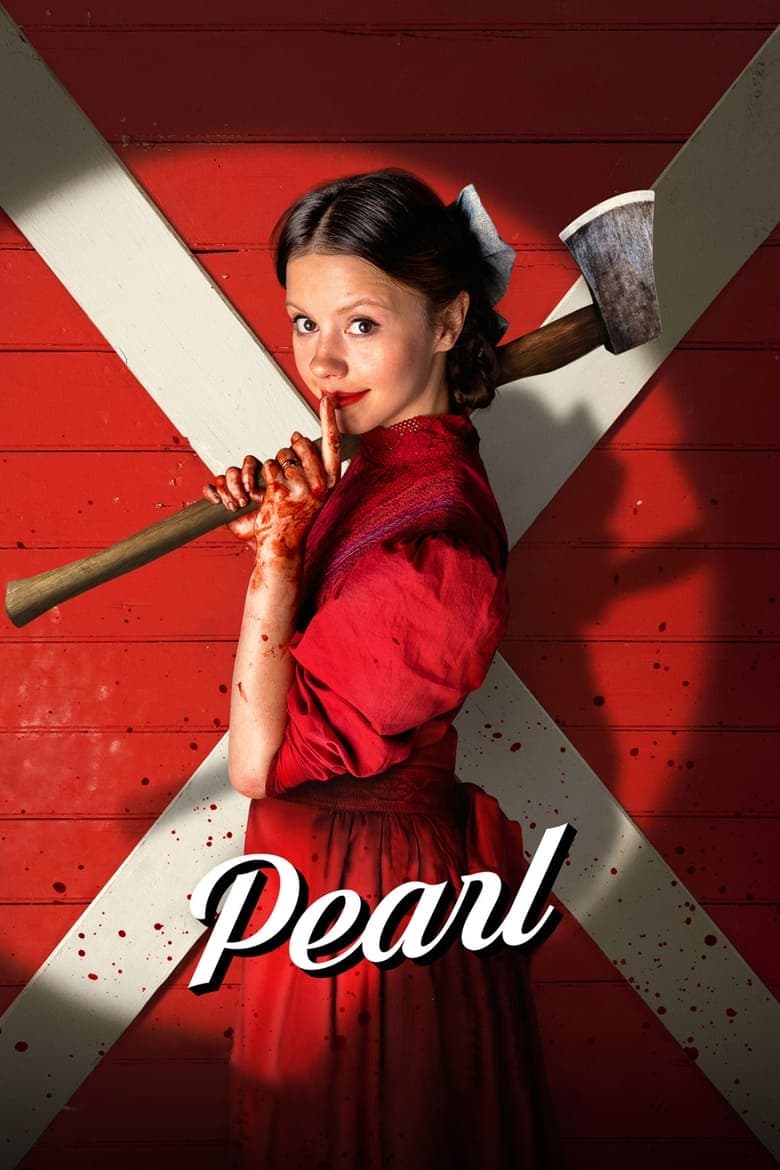
Trapped on her family’s isolated farm, Pearl must tend to her ailing father under the bitter and overbearing watch of her devout mother.
