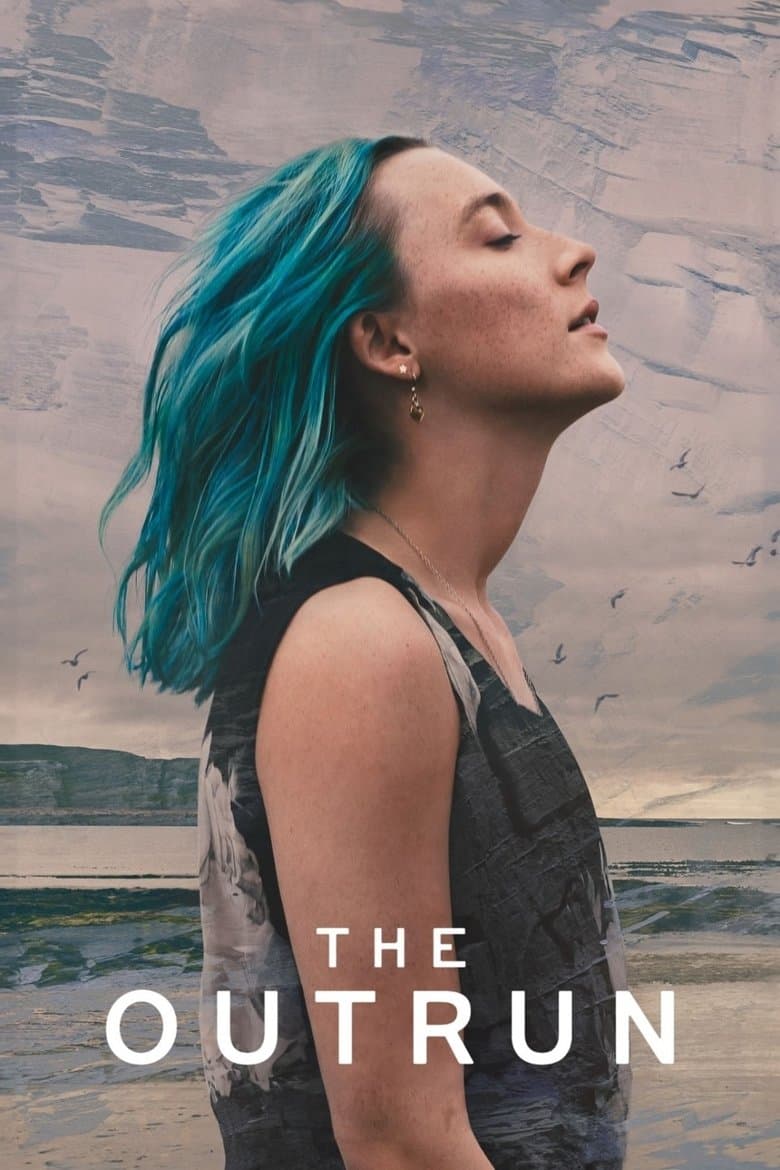
Rona is 29 and fresh out of rehab. She goes back to the Orkney Islands off Scotland, where she grew up. Years in London left her deep in alcohol trouble, a broken romance, and hard memories. The film jumps between past and present as she tries to stay sober. The mood is raw, quiet, and close to nature, with wild islands and rough weather matching her fight to heal.
This is mainly a personal recovery story, not a politics movie. The clear social notes are small: London friends and Rona’s boyfriend Daynin are cast with a modern mixed group, including a major black supporting actor as her partner, and her mother’s strong Christian faith sits in uneasy tension with Rona’s pain. A night attack after heavy drinking is part of her rock-bottom path into rehab. Healing comes through isolation, bird work, and the land—not through identity lectures. Most viewers would notice the addiction and landscape first; the mild diversity and family-faith friction are background, not the point of the film.
Community feedback
Was our 33% Woke rating accurate?
Breakdown
These are the editorial factors and ratings behind our score for The Outrun.
Woke representation / casting
Lead is a white woman in a true-story recovery role. Supporting London life includes a prominent black boyfriend (Paapa Essiedu) and other mixed city casting. Race is visible but not explained as a plot need and is not sold as a diversity campaign. Fits modern London more than quota-style “hero scientist/leader” signaling. Noticeable to careful viewers, not the film’s main sell.
25%
Woke political dialogue
Talk centers on drinking, shame, rehab, family pain, and getting sober. There is personal heat with the mother’s faith during a bad moment, not campaign-style activist speeches about race, gender systems, or politics. Normal viewers hear a recovery story, not a lecture.
12%
Identity-driven story themes
Core themes are addiction, mental illness in the family, loneliness, and healing through wild nature and bird work. A sexual assault after a blackout is rock-bottom trauma from the source story, not a MeToo manifesto. No LGBTQ plotline. Light “woman rebuilding her life” energy without identity-politics framing.
22%
Western institutional / cultural critique
The mother’s evangelical Christianity is kept at arm’s length; Rona and her father treat prayer with scorn or distance, and faith is linked to escape the way alcohol is. That is a mild jab at traditional religion inside a family story, not a broad attack on the West, capitalism, or patriarchy.
38%
Woke character or canon changes
Not present in this title.
0%
Anti-woke backlash and complaints
No solid public wave of anti-woke, anti-DEI, or “agenda” complaints about this title. Coverage stayed on performance, addiction realism, and Orkney scenery.
0%
Creator track record context
Cached key producers and the art-side credit sit near 0. Ronan (star/producer) brings a moderate classic-liberal/feminist public record (~30), which softens the overall crew signal without making the project feel activist-led.
15%
Production
Movie · 2024
On the brink of the Second World War, a young Norwegian man's drive to resist the Nazis sets a new course for his future – and the future of his country.
Movie · 2020
A man refuses all assistance from his daughter as he ages and, as he tries to make sense of his changing circumstances, he begins to doubt his loved ones, his own mind and even…
Movie · 2017
Members of the Granite Mountain Hotshots battle deadly wildfires to save an Arizona town.
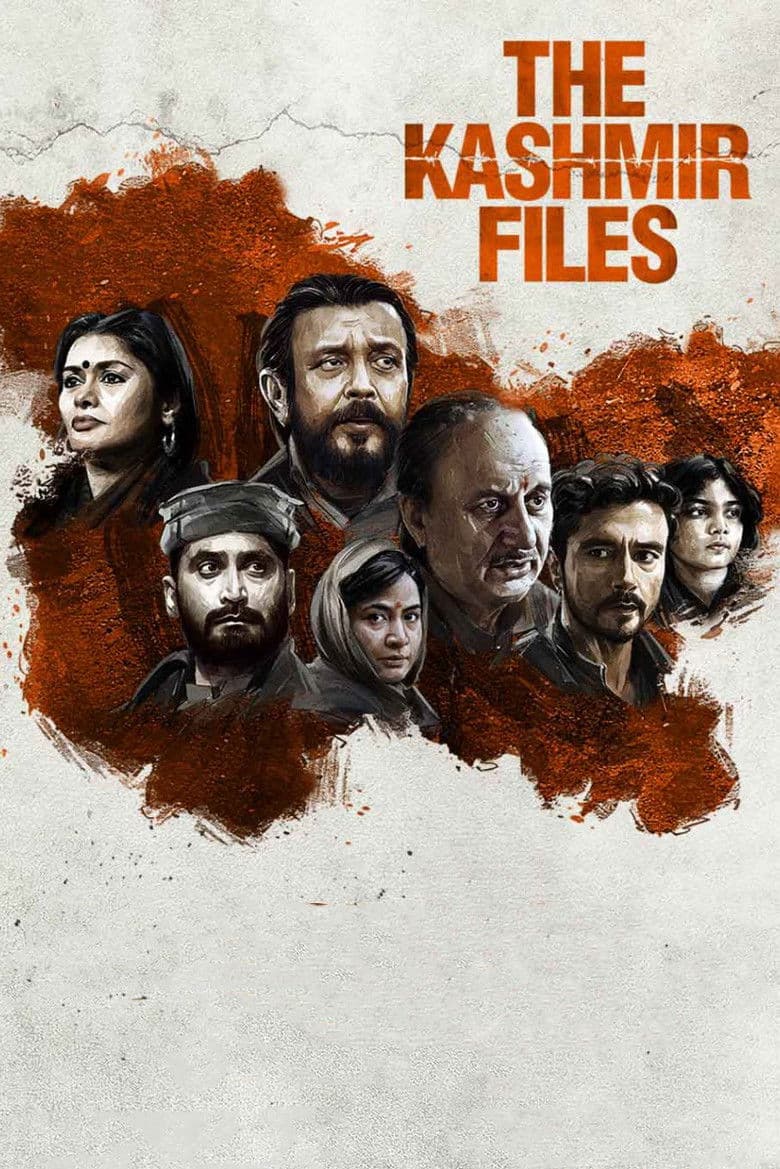
Movie · 2022
Based on a true tragedy, the emotionally triggering film sheds light on the plight of Kashmiri Pandits (Hindus), a religious minority in the 1990s Kashmir valley, who were…
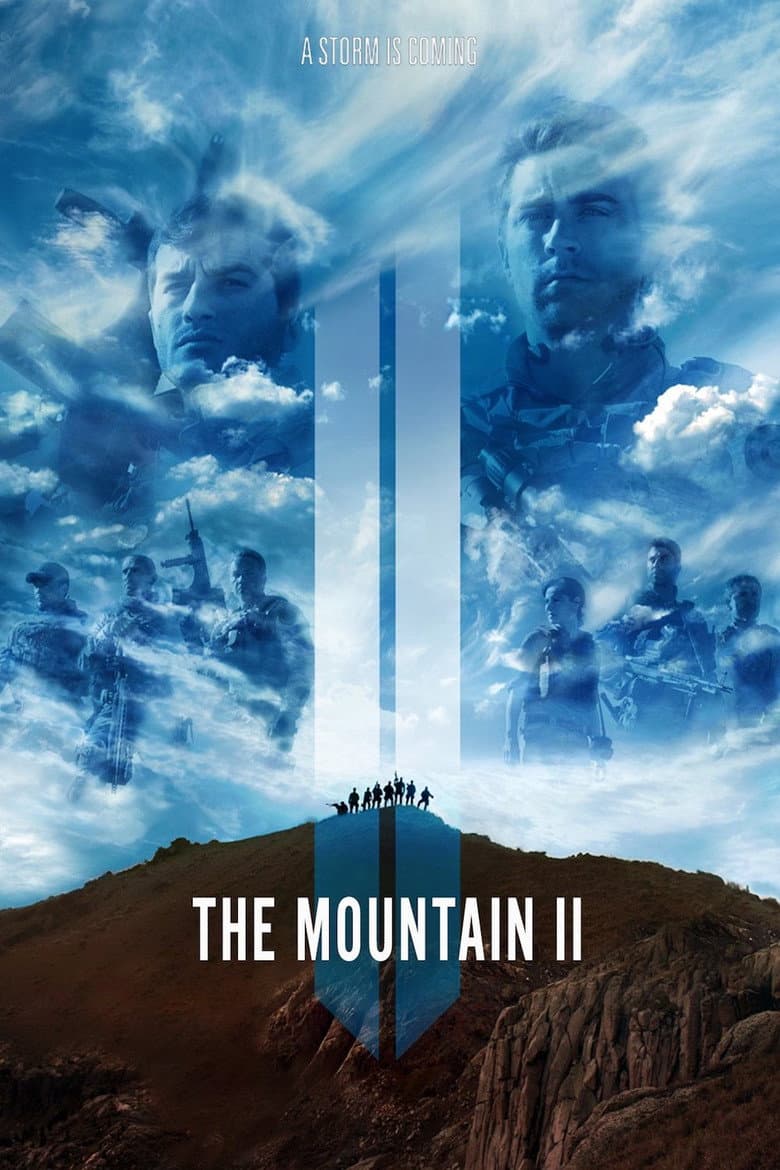
Movie · 2016
In a desolate war zone where screams of the innocent echo, on the very line between disaster and valor, 7 Maroon Berets will dance with death.
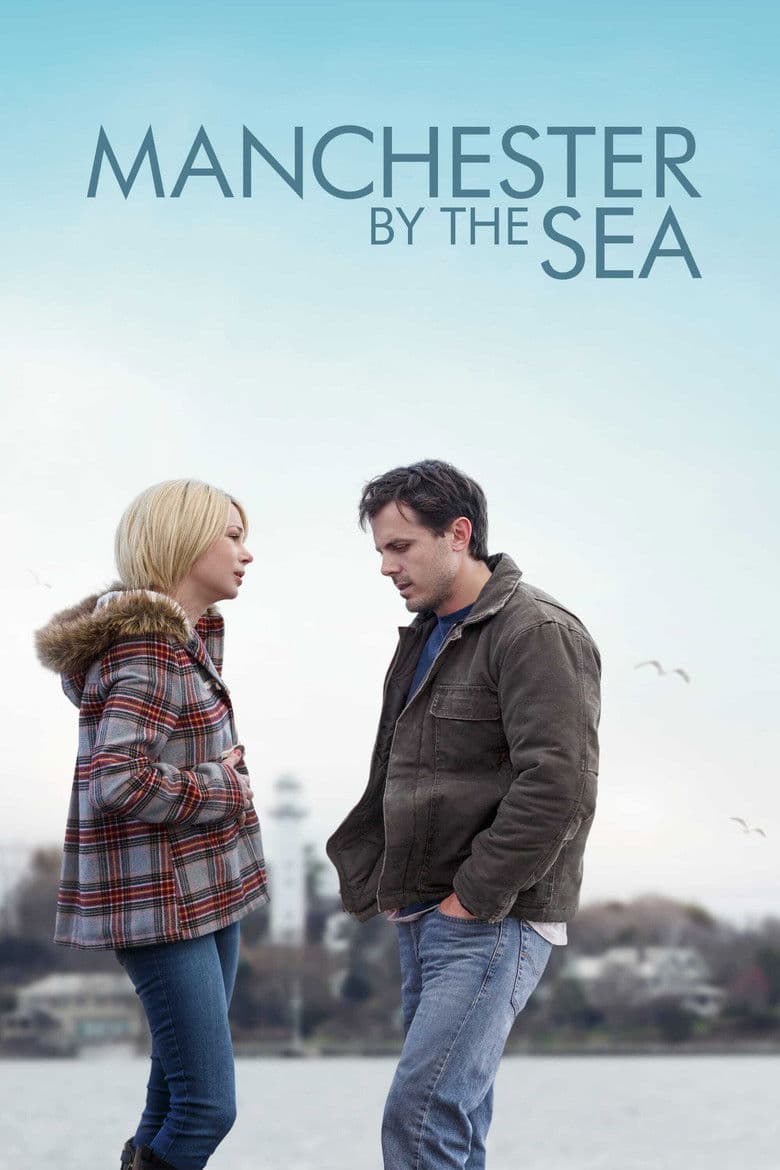
Movie · 2016
After his older brother passes away, Lee Chandler is forced to return home to care for his 16-year-old nephew.
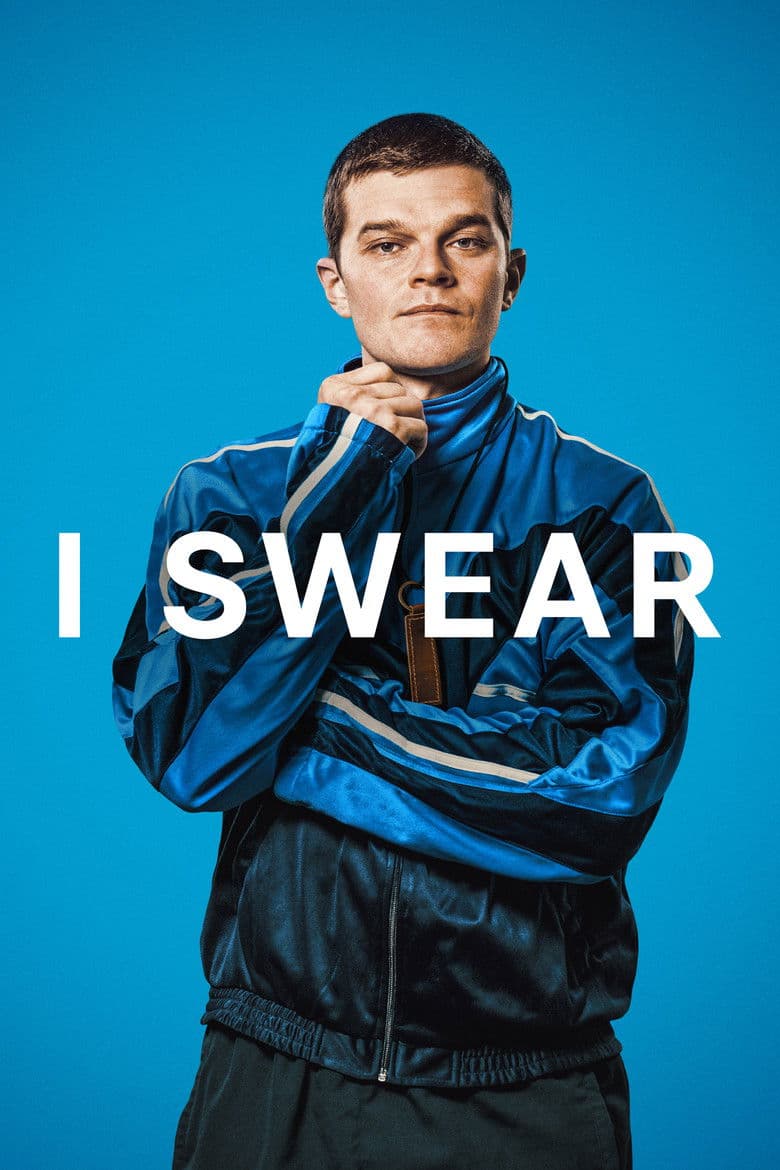
Movie · 2025
Diagnosed with Tourette Syndrome at 15, John Davidson navigates his way against the odds through troubled teenage years and into adulthood, finding inspiration in the kindness of…
Movie · 2016
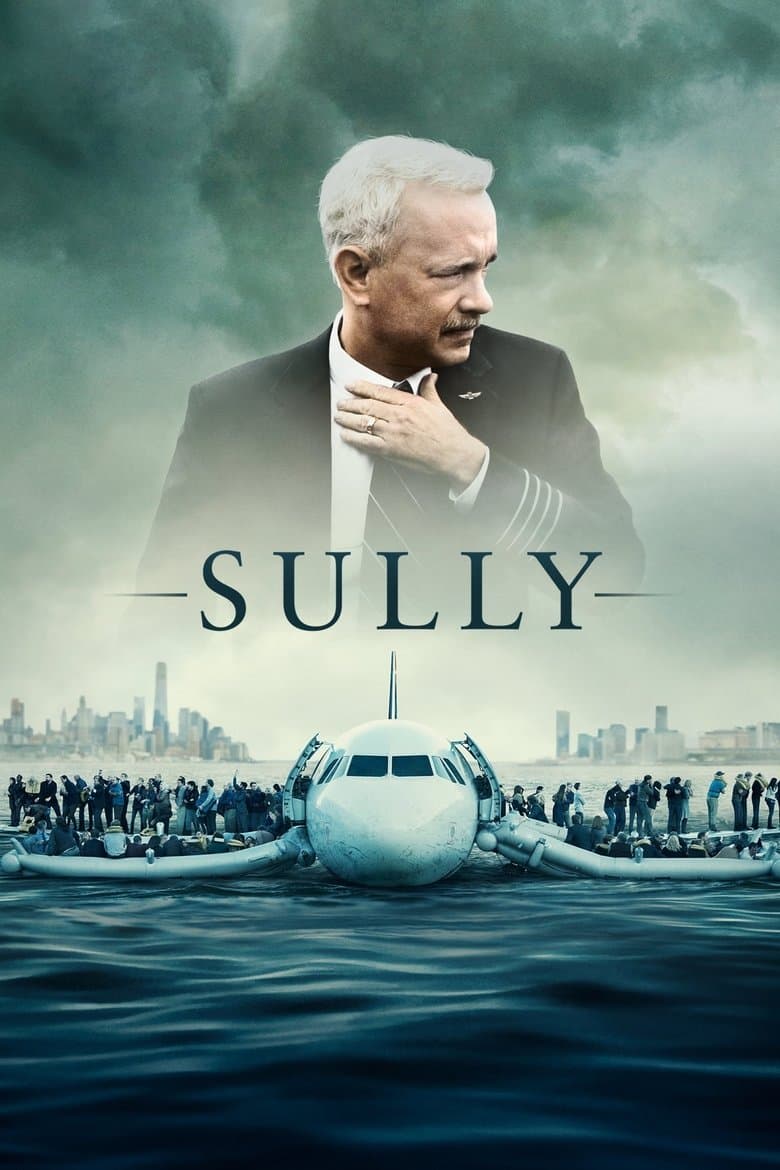
On 15 January 2009, the world witnessed the 'Miracle on the Hudson' when Captain 'Sully' Sullenberger glided his disabled plane onto the Hudson River, saving the lives of all 155…
