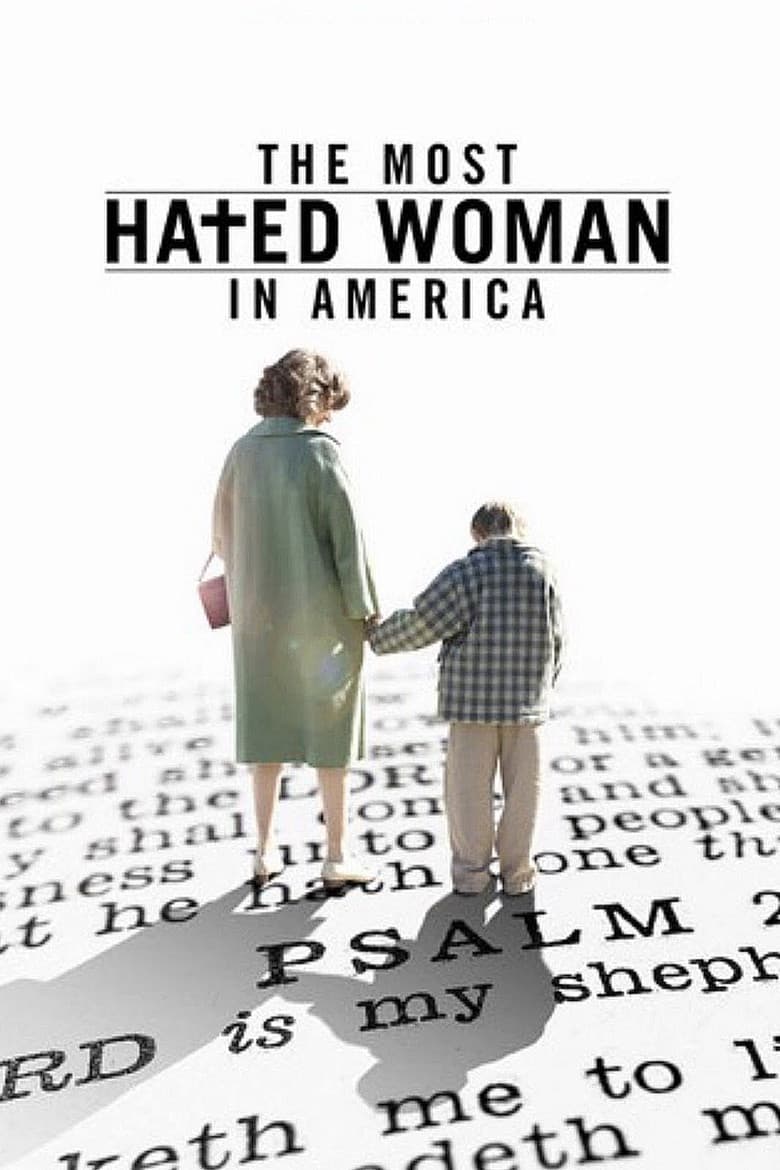
Madalyn Murray O’Hair is a sharp-tongued single mother in 1950s Baltimore who refuses to let her son say a school prayer. She takes the fight to court and wins a Supreme Court ruling that blocks forced Bible reading in public schools. She then builds American Atheists in Texas while raising her sons and fighting with people around her. The story moves between her public rise and the 1995 kidnapping that ends with her, her son, and her granddaughter being murdered, so the tone shifts from dark humor to grim crime drama.
The film makes atheism, church and state, school prayer, and freedom of belief the center of its conflict. O’Hair speaks against organized religion again and again, and the film shows her as both a strong rights fighter and a harsh, self-serving leader. It also gives her a major female activist role and presents her refusal of traditional family and religious rules as part of her public identity. These ideas run through the whole story, but the film also undercuts them by showing her greed, family damage, and the way both sides turn belief into a money-making fight.
Community feedback
Was our 46% Woke rating accurate?
Breakdown
These are the editorial factors and ratings behind our score for The Most Hated Woman in America.
Woke representation / casting
Not present. The main cast matches the real people and the American setting. The film does not turn casting into a message about racial or gender representation.
0%
Woke political dialogue
Madalyn repeatedly argues that public schools and government should stay free of religious control. She attacks the Bible, Jesus, preachers, and forced prayer in speeches, interviews, and debates. The film also uses talk about civil rights, atheism, and freedom of belief. The language belongs to a past culture fight, so it is more anti-religious and historical than modern DEI politics.
40%
Identity-driven story themes
The film builds its main story around a woman who turns a personal fight over prayer into a national movement. Madalyn leads protests, wins a Supreme Court case, runs American Atheists, and dominates public debates. The film treats her refusal of religious and family rules as part of her identity. It also shows her greed, cruelty, and family damage, which keeps the theme from becoming a simple empowerment story.
45%
Western institutional / cultural critique
The film repeatedly attacks religious control of schools and public life, and it mocks Christian preaching and Bible belief. It also compares O’Hair’s atheist movement with televangelism and shows both turning belief into spectacle and money. The family conflict presents strict religious tradition as a source of pressure. The film turns some criticism back on O’Hair, so its message is mixed.
35%
Woke character or canon changes
Not relevant. The movie compresses the case and uses a combined reporter, but it does not change the real person’s race, sex, sexuality, or public role.
0%
Anti-woke backlash and complaints
One Reddit viewer called the film’s female-empowerment and “girl boss” ideas ham-fisted. The same viewer objected to what they saw as an anti-capitalist message about the American dream. The separate X pass found no anti-woke posts, and larger news coverage did not show a broad backlash.
10%
Creator track record context
O’Haver’s listed score is 35, and his early queer-centered film adds some identity context. Turner’s listed score is 18, and her record has only limited identity-focused work. Producer Elizabeth Banks has the highest listed score at 52 because of her public Democratic, abortion-rights, and gun-control support. The other producers and casting directors have low listed scores, so the wider crew record is mixed.
30%
Production

Movie · 2016
Nate Foster, a young, idealistic FBI agent, goes undercover to take down a radical white supremacy terrorist group.
Movie · 2017
After seven months have passed without a culprit in her daughter's murder case, Mildred Hayes makes a bold move, painting three signs leading into her town with a controversial…
Movie · 2025
Two of New York's most notorious organized crime bosses, Frank Costello and Vito Genovese, vie for control of the city's streets.
Movie · 2016
A divorced dad and his ex-con brother resort to a desperate scheme in order to save their family's farm in West Texas.
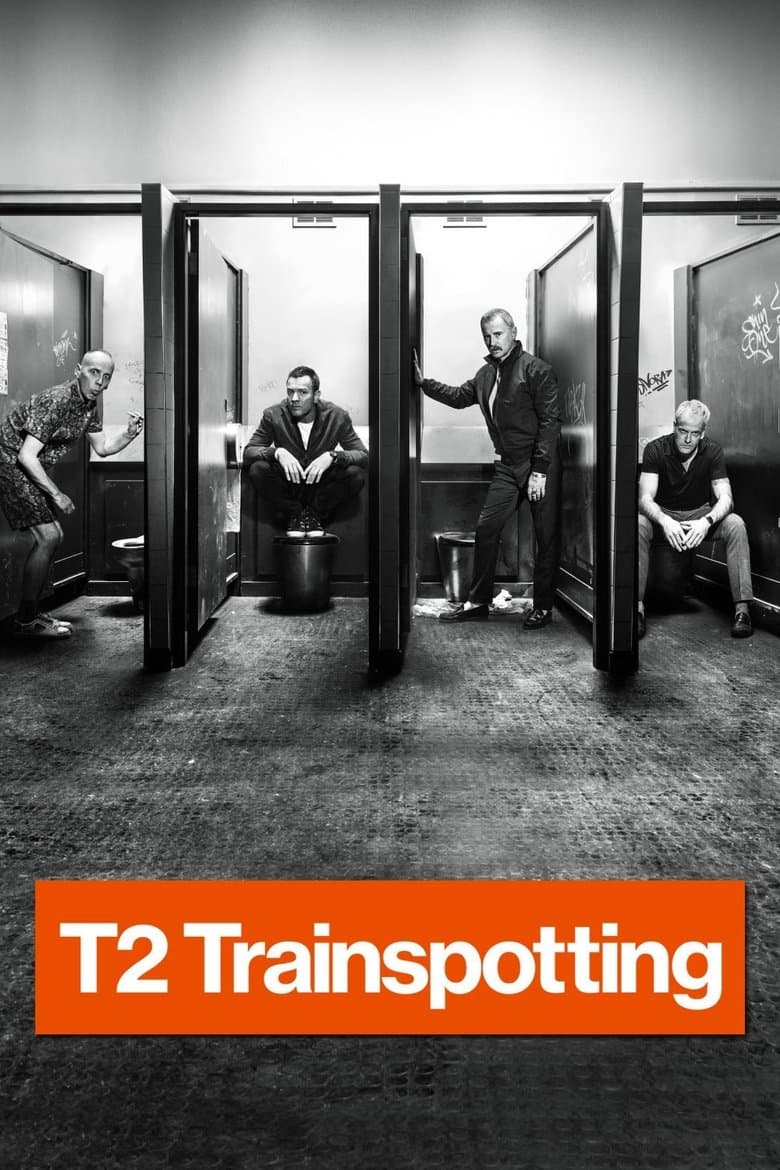
Movie · 2017
After 20 years abroad, Mark Renton returns to Scotland and reunites with his old friends Sick Boy, Spud and Begbie.
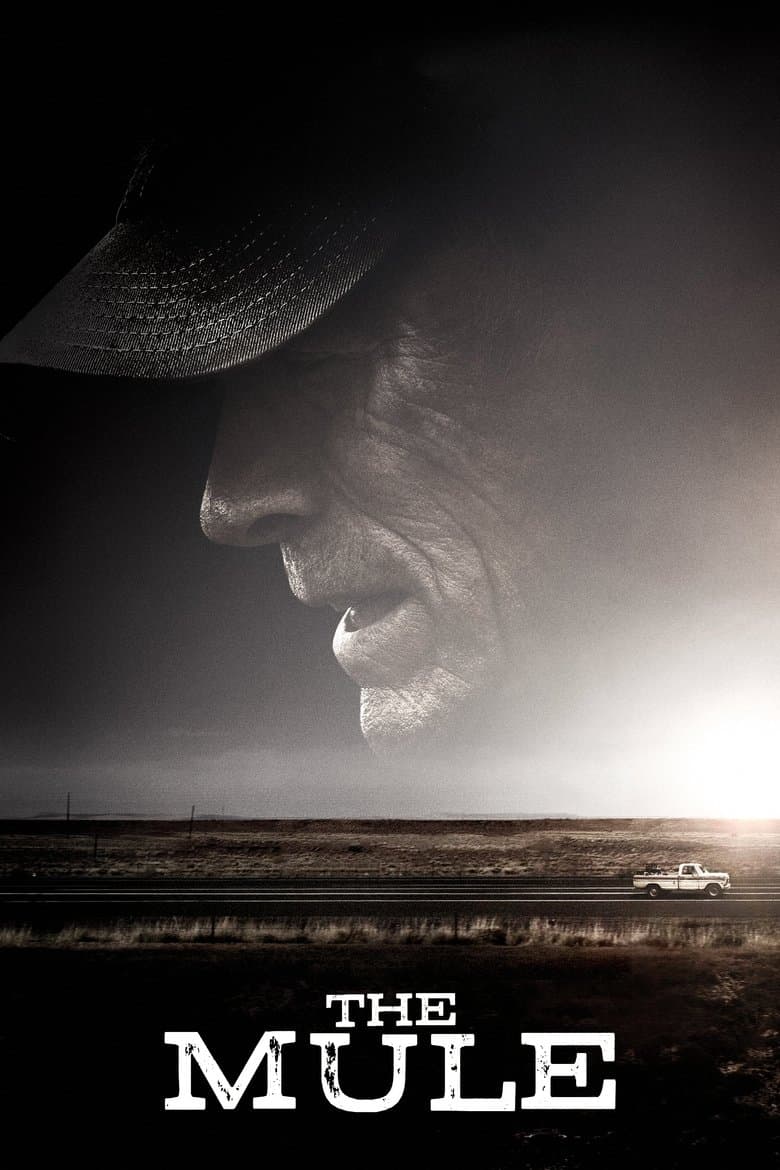
Movie · 2018
Earl Stone, a man in his eighties, is broke, alone, and facing foreclosure of his business when he is offered a job that simply requires him to drive.
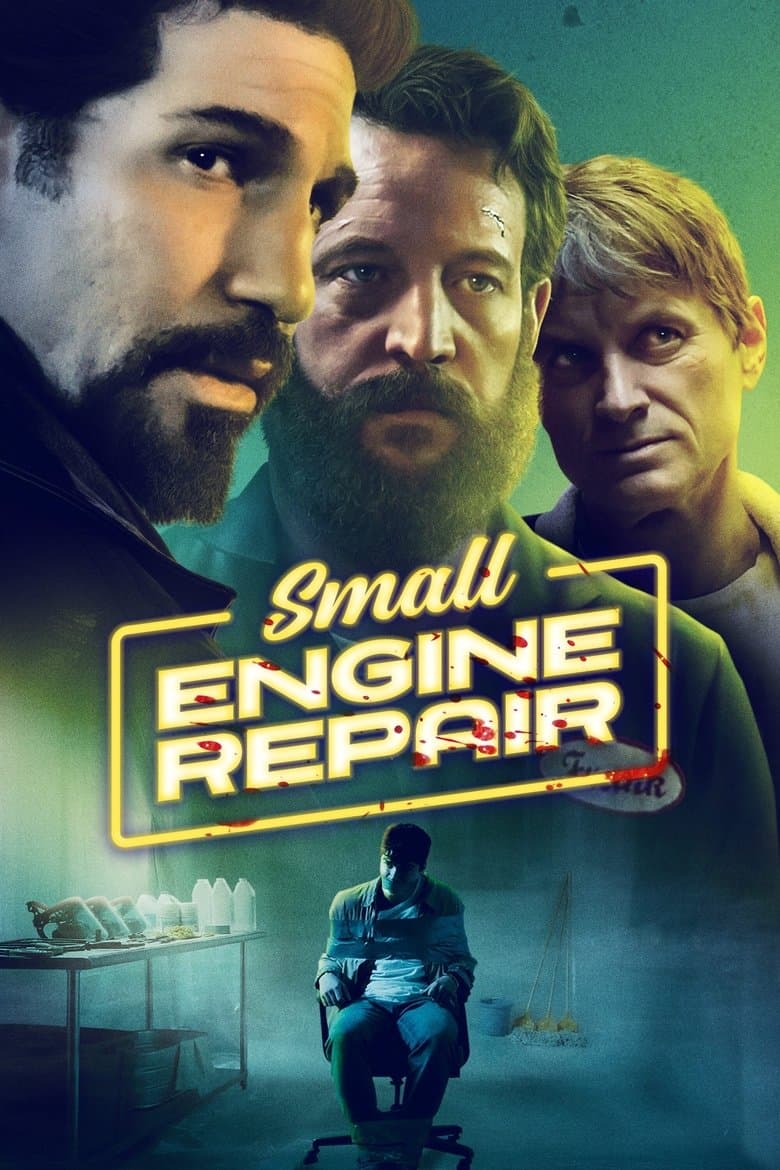
Movie · 2021
The seemingly casual reunion of three old friends at an out-of-the-way repair shop masks a hidden agenda fuelled by the arrival of a privileged young yuppie.
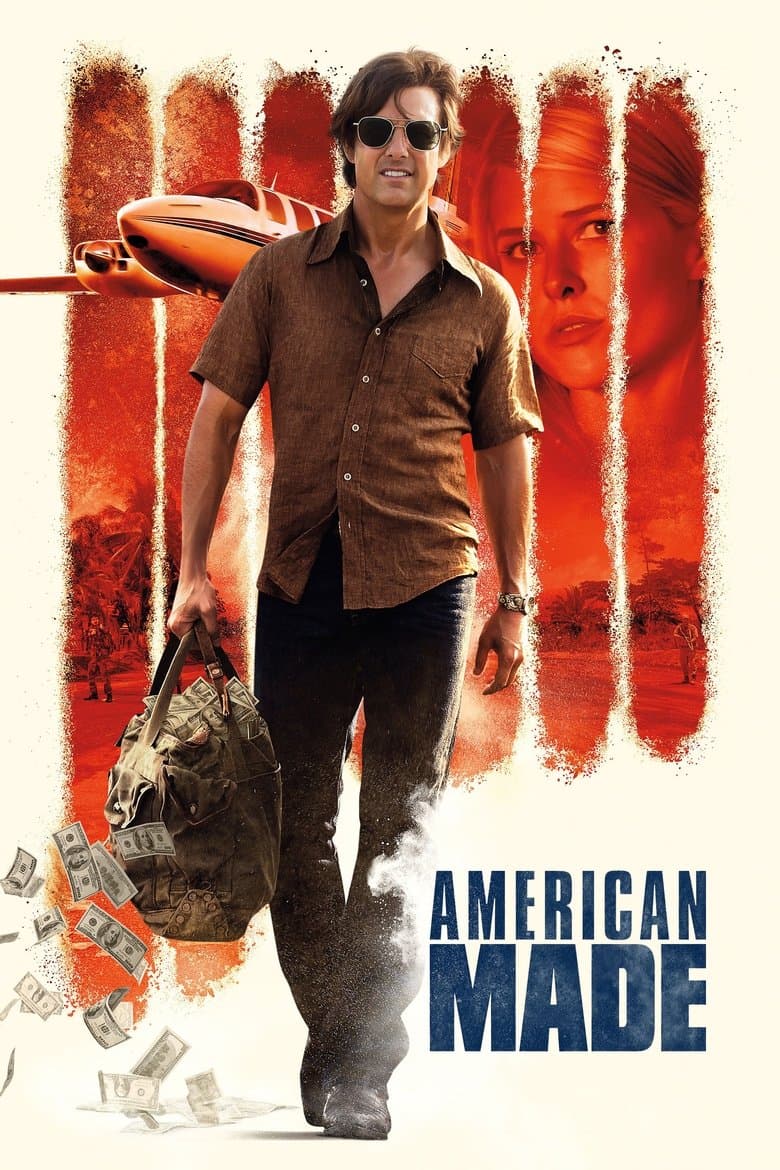
Movie · 2017
The true story of pilot Barry Seal, who transported contraband for the CIA and the Medellin cartel in the 1980s.
