
In 1993, Cameron Post is a teenager in a small town who is caught kissing her girlfriend at prom. Her aunt sends her to God’s Promise, a Christian center that claims it can cure same-sex attraction. The camp uses prayer and group sessions while its strict rules make the teens feel ashamed of their desires. Cameron tries to follow the rules, but she grows close to Jane and Adam and begins to resist the adults around her. The film keeps a calm, funny tone even when the story turns frightening and sad.
Cameron’s lesbian identity drives every major part of the plot. The film presents the camp’s effort to change her sexuality as cruel, dishonest, and harmful. Cameron, Jane, and Adam make a family of their own while they protect one another and plan to escape. Adam is a native two-spirit teen, and Jane is an amputee who hides pot in her prosthetic leg. These characters make identity, self-acceptance, and rejection of forced change central to the film’s message.
Community feedback
Was our 87% Woke rating accurate?
Breakdown
These are the editorial factors and ratings behind our score for The Miseducation of Cameron Post.
Woke representation / casting
The main group centers a lesbian lead, a native two-spirit teen, and an amputee young woman. These are prominent roles, and interviews frame the project around a queer female viewpoint, activism, and a diverse cast. The Native and disability details are tied to the characters and the camp’s story, so the choices do not look like random identity swaps. The repeated identity focus and public representation framing support a clear but not dominant score.
42%
Woke political dialogue
The camp repeatedly calls same-sex attraction a sin and tells teens that homosexuality is not a real identity. Dr. Marsh and Reverend Rick use religious language and group slogans to pressure the teens to change. The film shows these claims as false and harmful, but it does not spend much time on elections, laws, or party politics. The repeated identity and faith-based speeches make this a mild recurring factor.
30%
Identity-driven story themes
Cameron’s lesbian identity drives the central conflict from the opening scene through the ending. The camp tries to erase her sexuality, while Cameron and her friends reject shame and protect their identities. The film treats their friendship as a source of freedom and treats conversion therapy as abuse. Queer identity, self-acceptance, and resistance to forced change are the movie’s main themes.
94%
Western institutional / cultural critique
God’s Promise is a Christian institution that uses prayer, therapy, and adult authority to control gay teenagers. The adults call same-sex attraction sinful and treat family obedience and heterosexuality as the correct path. The film shows these religious and family structures as harmful when they deny a teen’s identity. Reverend Rick receives some sympathy, and the movie avoids making every Christian person a cartoon villain, so the critique stays focused on the camp and its beliefs.
62%
Woke character or canon changes
Not relevant. The film adapts Emily M. Danforth’s novel without an identity-driven rewrite of an established character or real historical figure. Its main changes shorten the book and focus on the camp.
0%
Anti-woke backlash and complaints
A small X account later called the film “anti-Christian” and joked that Hollywood “turns you gay.” The account tied Moretz’s role to conversion-therapy content, but it had low engagement and did not start a wider campaign. A Christian Post opinion piece also criticized coverage of the film as anti-Christian. No broad woke or DEI pile-on, boycott, or review-bomb campaign appeared in the checked material.
14%
Creator track record context
Desiree Akhavan has an established queer-centered body of work and directed this film. Cecilia Frugiuele and Emily M. Danforth also have repeated LGBTQ-focused work. Several producers have backed queer or underrepresented projects, although their personal public profiles are more limited. This pattern strongly matches the film’s central subject.
82%
Production

Movie · 2022
London, 1953. Mr. Williams, a veteran civil servant, is an important cog within the city's bureaucracy as it struggles to rebuild in the aftermath of World War II.

Movie · 2016
After his older brother passes away, Lee Chandler is forced to return home to care for his 16-year-old nephew.

Movie · 2023
The story of J. Robert Oppenheimer's role in the development of the atomic bomb during World War II.
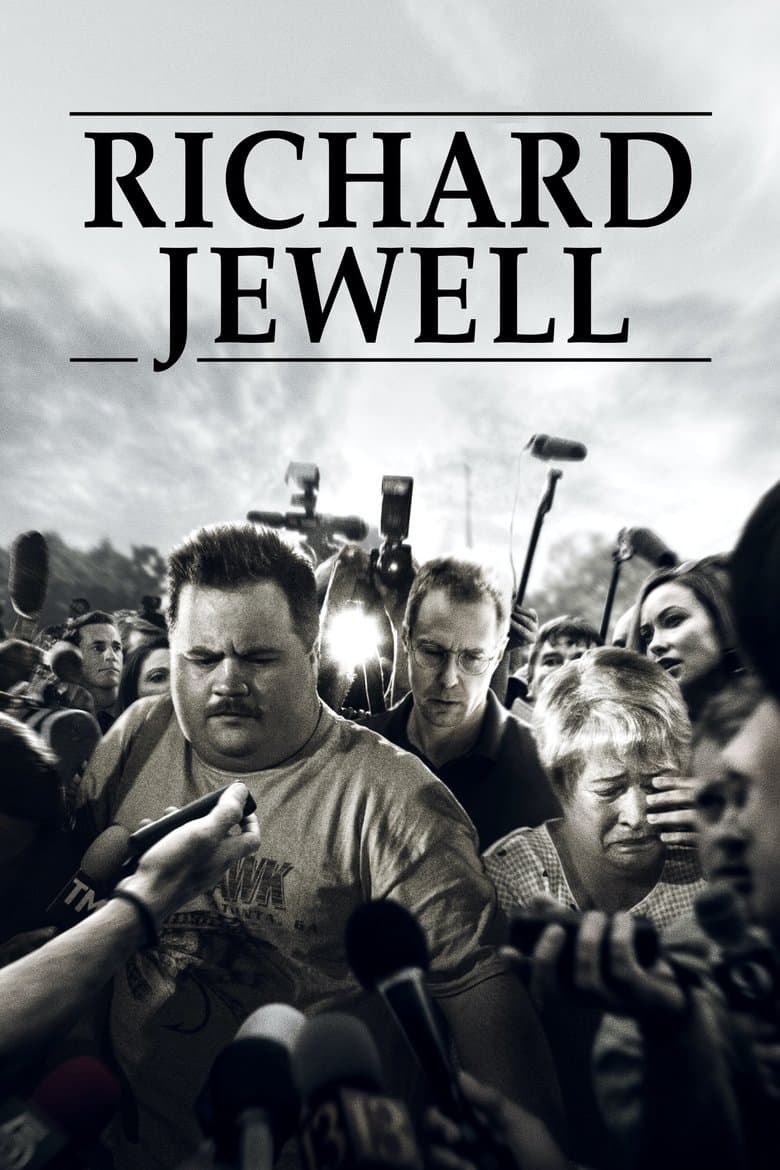
Movie · 2019
Richard Jewell thinks quick, works fast, and saves hundreds, perhaps thousands, of lives after a domestic terrorist plants several pipe bombs and they explode during a concert…

Movie · 2022
Based on a true tragedy, the emotionally triggering film sheds light on the plight of Kashmiri Pandits (Hindus), a religious minority in the 1990s Kashmir valley, who were…

Movie · 2026
While people across 1990s Iraq struggle to survive the war and food shortages, Saddam Hussein requires each school in the country to prepare a cake to celebrate his birthday.
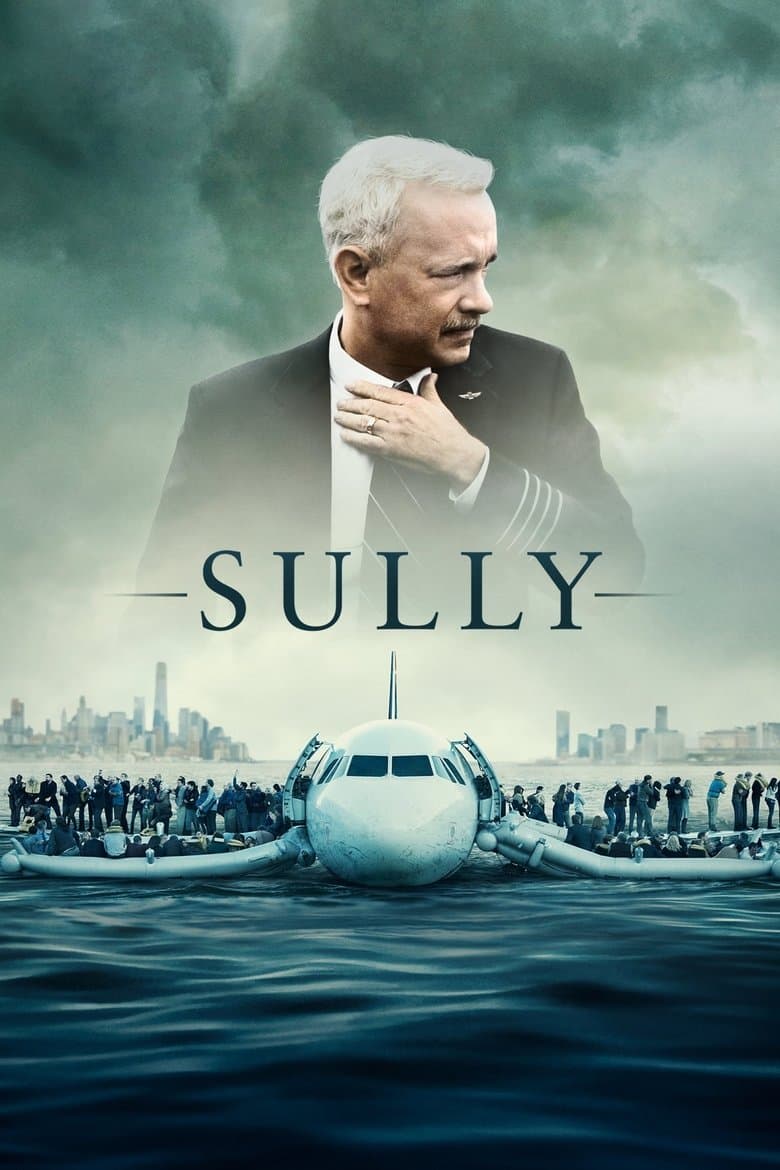
Movie · 2016
On 15 January 2009, the world witnessed the 'Miracle on the Hudson' when Captain 'Sully' Sullenberger glided his disabled plane onto the Hudson River, saving the lives of all 155…

Movie · 2023
The true story of the inseparable Von Erich brothers, who made history in the intensely competitive world of professional wrestling in the early 1980s.
