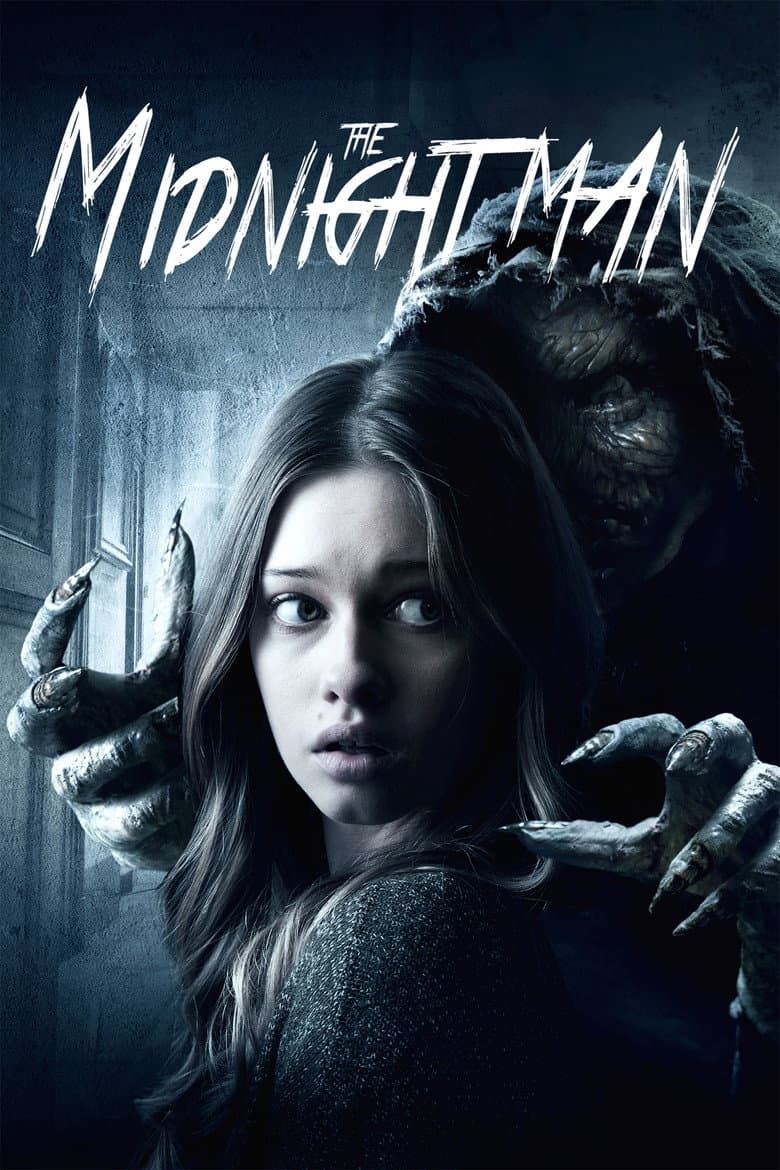
Alex Luster cares for her grandmother, Anna, in an old family house. Alex and Miles find a sealed box in the attic that explains a midnight game. The game summons the Midnight Man, a creature that turns private fears into deadly visions. The story begins in 1953 and follows the same evil into Alex’s present night of hiding, panic, and attacks.
The film focuses on family trauma, dementia, suicide, guilt, and harm passed from one generation to the next. Anna survives the game as a child, but its damage shapes her life and reaches Alex. Alex, Miles, Kelly, and Dr. Harding try to survive by learning the creature’s rules. The movie does not show clear woke politics, identity themes, institutional criticism, or anti-woke conflict. Its visible themes come from supernatural danger, family pain, and childhood guilt.
Community feedback
Was our 2% Woke rating accurate?
Breakdown
These are the editorial factors and ratings behind our score for The Midnight Man.
Woke representation / casting
Not present. The film has a female lead and several women in major roles, but it does not present those choices as a diversity or identity statement. The small family and friend group serves the horror plot rather than a representation-first design.
0%
Woke political dialogue
Not present. The dialogue explains the game, family history, and personal fears. It does not push modern identity, DEI, or activist ideas.
0%
Identity-driven story themes
Not present. The story is about a supernatural game and harm passed through a family. It does not make race, gender, sexuality, or group identity the source of the conflict.
0%
Western institutional / cultural critique
Not present. The story stays inside a haunted house and its family curse. It does not attack modern institutions, men as a class, religion, capitalism, or traditional social rules.
0%
Woke character or canon changes
Not relevant. The movie remakes Rob Kennedy’s 2013 Irish horror film and keeps the game, the girl-centered setup, and the family curse. No identity-related change to an established character or real event is part of the story.
0%
Anti-woke backlash and complaints
Not present. The separate X check found no anti-woke posts about this title. Other audience and review comments focus on pacing, scares, gore, and the ending rather than woke, DEI, or identity politics complaints.
0%
Creator track record context
Travis Zariwny and Rob Kennedy have horror-centered careers and no sustained activist or DEI profile in the available records. Producer Cassian Elwes has supported gender-parity efforts, and Phyllis Laing has backed Indigenous-led film and television work. Most of the other listed producers and casting directors have commercial records without a clear activist pattern, so this context is a small supporting signal.
9%
Production

Movie · 2024
A live broadcast of a late-night talk show in 1977 goes horribly wrong, unleashing evil into the nation's living rooms.
Movie · 2022
Trapped on her family’s isolated farm, Pearl must tend to her ailing father under the bitter and overbearing watch of her devout mother.
Movie · 2016
Lorraine and Ed Warren travel to north London to help a single mother raising four children alone in a house plagued by malicious spirits.
Movie · 2025
Following the death of their father, a brother and sister are sent to live with a foster mother, only to learn that she is hiding a terrifying secret.
Movie · 2023
Still reeling from the tragic death of their mother, a teenage girl and her younger sister find themselves plagued by a sadistic presence in their house and struggle to get their…
Movie · 2016
Rebecca must unlock the terror behind her little brother's experiences that once tested her sanity, bringing her face to face with a supernatural spirit attached to their mother.
Movie · 2023
Eight year old Peter is plagued by a mysterious, constant tapping from inside his bedroom wall—one that his parents insist is all in his imagination.
Movie · 2017
Several years after the tragic death of their little girl, a doll maker and his wife welcome a nun and several girls from a shuttered orphanage into their home, soon becoming the…
