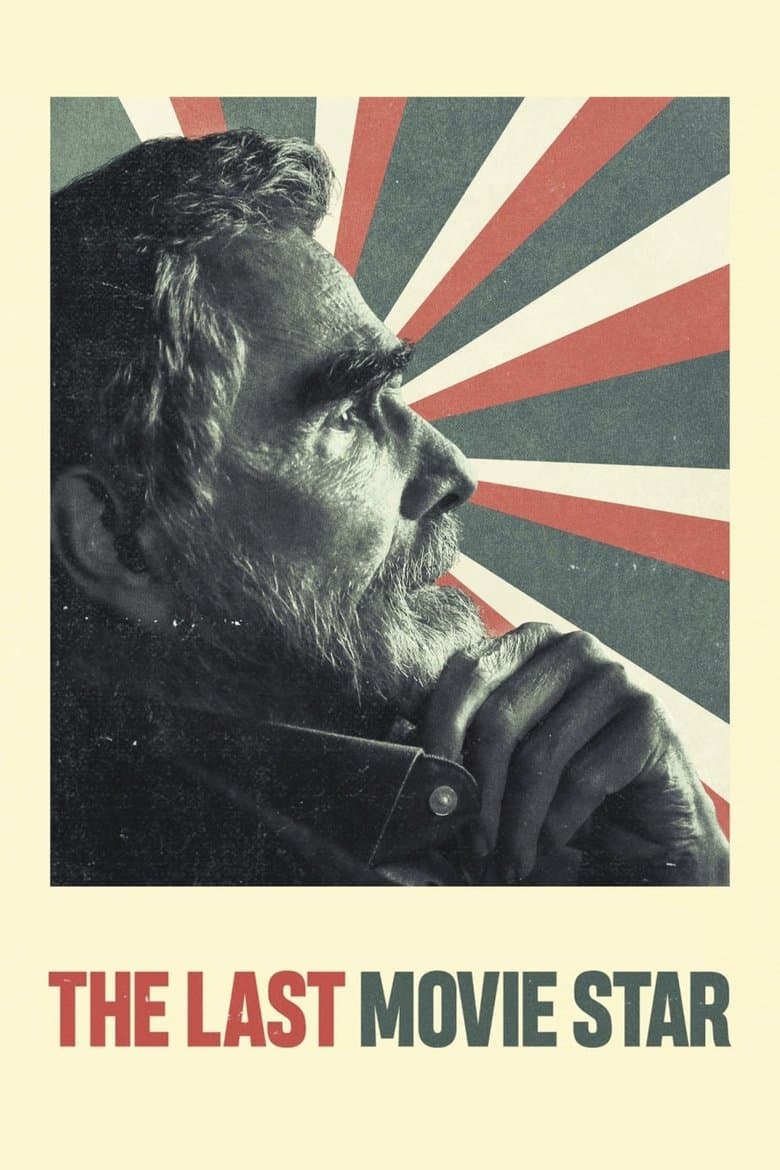
Vic Edwards is an aging movie star who expects a grand award at a Nashville film festival. He instead finds a cheap event, a dirty car, and a young driver named Lil who barely knows his work. Vic pulls Lil into a trip to Knoxville, where he visits his childhood home, his old football field, and the wife he left behind. The story mixes sharp jokes with sad memories about fame, pride, regret, growing old, and the need to admit past wrongs.
Lil is dealing with depression, anxiety, past self-harm, thoughts of suicide, and a boyfriend who treats her badly. She speaks plainly about mental illness while Vic first answers her with an old-fashioned “pull yourself up by your bootstraps” view. Her story supports treatment, honesty, and leaving a bad relationship, and the film presents her as an independent young woman who slowly learns to trust herself. These ideas form an important side story, but Vic’s aging, lost love, and search for peace remain the main focus.
Community feedback
Was our 33% Woke rating accurate?
Breakdown
These are the editorial factors and ratings behind our score for The Last Movie Star.
Woke representation / casting
The film gives Lil a large supporting role beside Vic, and interview coverage calls her a strong representation of young women. The cast otherwise fits a modern Nashville story and does not form a diversity-first group. The movie does not make race, sexuality, or identity the reason for its main casting choices.
16%
Woke political dialogue
Lil says that depression is a mental illness and not simply a bad mood. She talks about treatment, self-harm, and past thoughts of suicide. Vic answers with a “pick yourself up by your bootstraps” view, and Lil pushes back. The film gives this modern mental-health message a clear scene, but it does not turn the movie into a wider political debate.
25%
Identity-driven story themes
Lil’s side story centers on depression, anxiety, self-harm, suicidal thoughts, and a boyfriend who treats her badly. She moves toward honesty, treatment, and leaving that relationship. The film presents her as a young woman learning that vulnerability can be part of strength. This thread shapes the road trip and her bond with Vic, but Vic’s aging and regret remain the main story.
42%
Western institutional / cultural critique
Vic’s womanizing and neglect of his first wife are treated as serious mistakes. Lil calls out his self-centered behavior, and Vic later admits that he hurt women while chasing fame. The film criticizes his personal macho habits, but it does not attack family life, Christianity, capitalism, or Western institutions.
15%
Woke character or canon changes
Not relevant. The film is an original story about fictional characters and does not change established characters, canon, or real historical figures.
0%
Anti-woke backlash and complaints
Not present. The supplied X pass found no anti-woke reaction, and broader audience and news searches found no documented complaints that the film pushes woke or DEI content.
0%
Creator track record context
Adam Rifkin has a creator score of 4/100, and his work is mainly independent genre films and comedies. Most listed creators have low scores and no clear activist pattern. Bobbi Sue Luther is the main higher outlier at 55/100 because she has backed several stories about black life and representation. Brandon Henry Rodriguez has a score of 18/100, and public biographies describe a focus on diversity and inclusion in casting. The overall team gives a mild background signal rather than a strong activist signal.
10%
Production

Movie · 2016
After his older brother passes away, Lee Chandler is forced to return home to care for his 16-year-old nephew.
Movie · 2019
Richard Jewell thinks quick, works fast, and saves hundreds, perhaps thousands, of lives after a domestic terrorist plants several pipe bombs and they explode during a concert…
Movie · 2025
Diagnosed with Tourette Syndrome at 15, John Davidson navigates his way against the odds through troubled teenage years and into adulthood, finding inspiration in the kindness of…
Movie · 2016
WWII American Army Medic Desmond T. Doss, who served during the Battle of Okinawa, refuses to kill people and becomes the first Conscientious Objector in American history to…
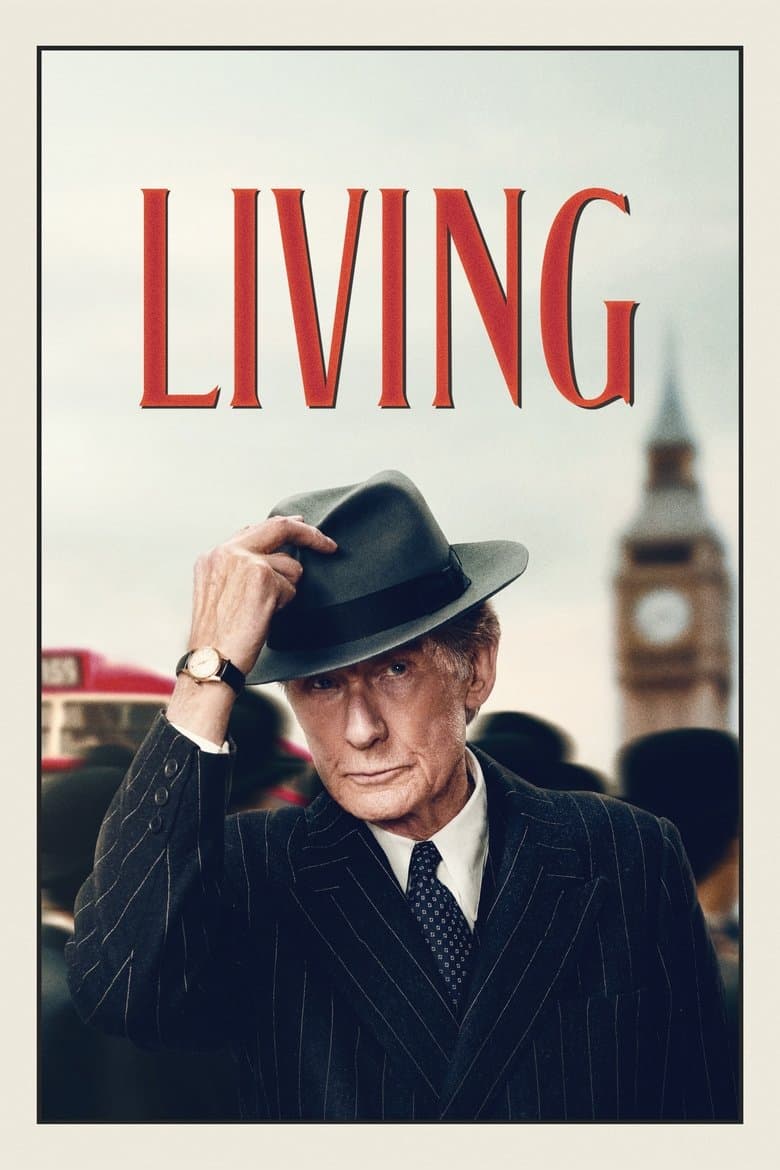
Movie · 2022
London, 1953. Mr. Williams, a veteran civil servant, is an important cog within the city's bureaucracy as it struggles to rebuild in the aftermath of World War II.
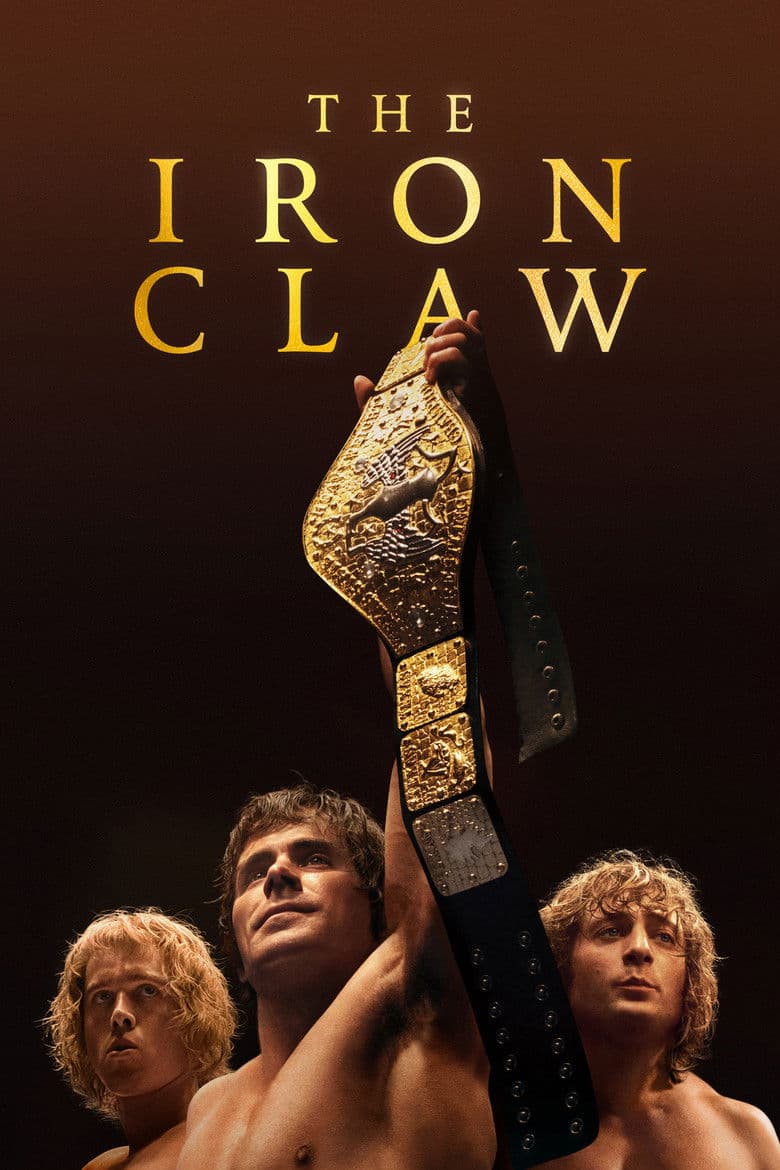
Movie · 2023
The true story of the inseparable Von Erich brothers, who made history in the intensely competitive world of professional wrestling in the early 1980s.
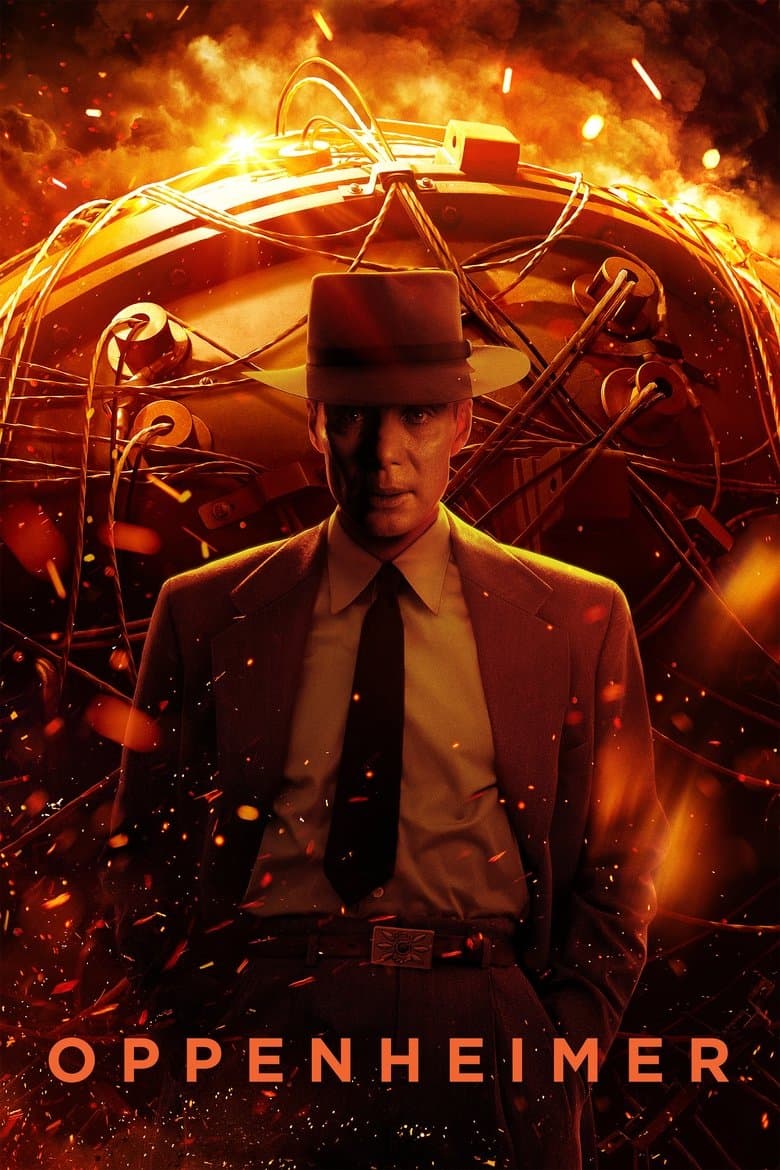
Movie · 2023
The story of J. Robert Oppenheimer's role in the development of the atomic bomb during World War II.
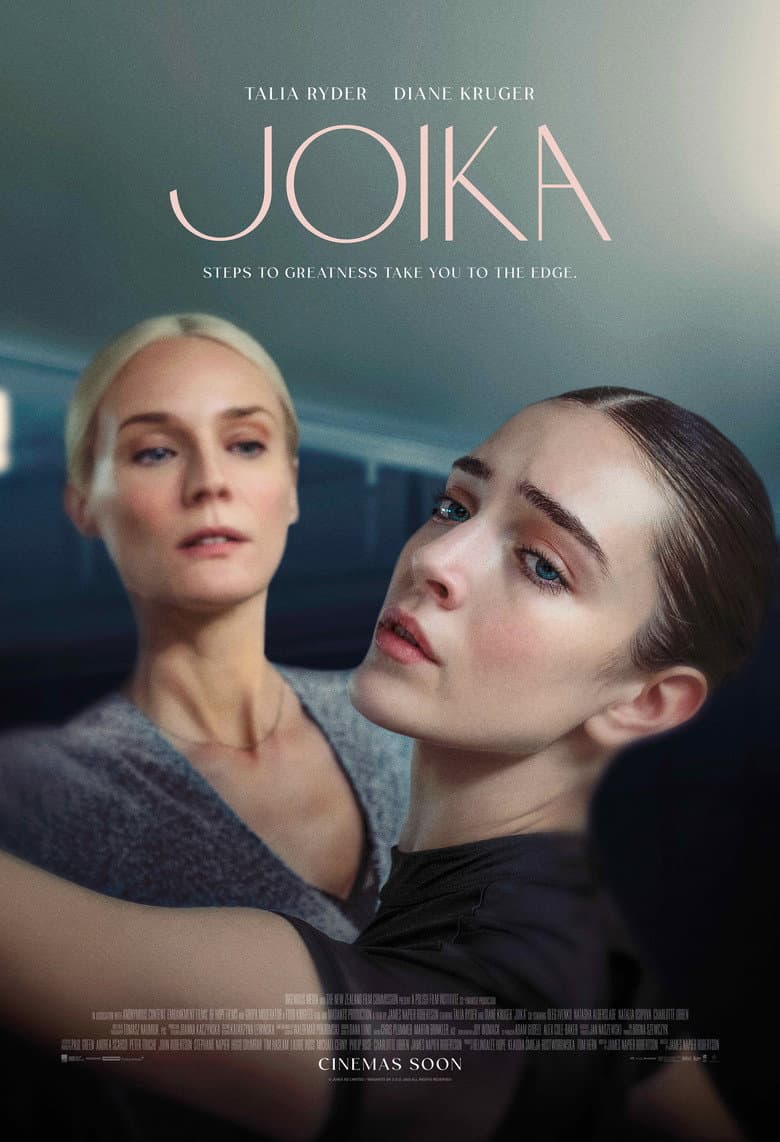
Movie · 2023
American ballet dancer Joy Womack is accepted into Moscow's infamously tough Bolshoi Ballet Academy, with the dream of becoming a great ballerina.
