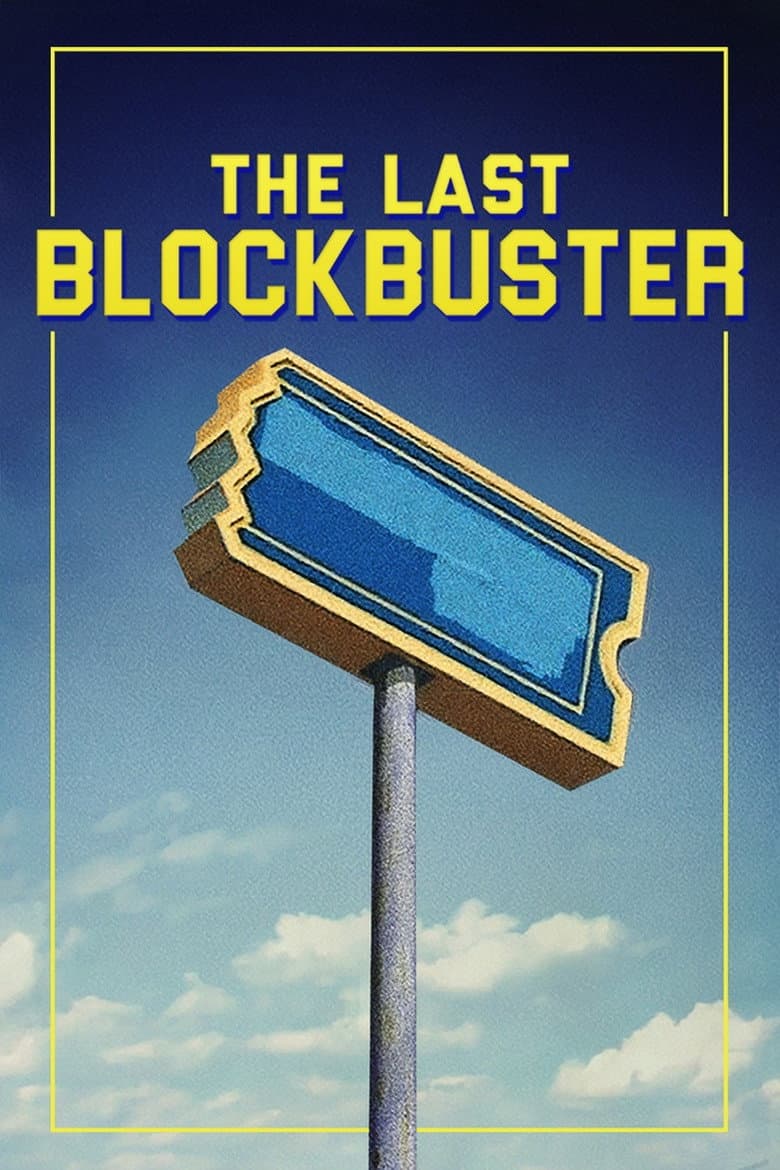
This documentary follows Sandi Harding, the manager of the last open Blockbuster Video store in Bend, Oregon. The film looks at how the big Blockbuster chain grew, made big mistakes, and shut down almost everywhere. It also shows how this one small store keeps going while streaming takes over. The tone is warm, funny, and full of old video-store memories.
The story is about movie-rental nostalgia, community, and a real small-town store that refused to die. Viewers hear famous people talk about Friday-night trips to rent tapes and DVDs. The film explains how Blockbuster beat smaller stores, then failed after bad leadership and money problems. Sandi’s hard work and love of movies sit at the center. The main ideas are memory, physical media, and keeping a fun local hangout alive—not modern identity politics or activist messaging.
Community feedback
Was our 6% Woke rating accurate?
Breakdown
These are the editorial factors and ratings behind our score for The Last Blockbuster.
Woke representation / casting
Sandi Harding is the real longtime store manager, not a diversity hire. Interview guests are mostly known comedians and actors tied to movie-store culture. A few non-white faces appear (for example Ron Funches), but race and gender are not sold as the point. Casting looks like real people and 90s/2000s entertainment contacts, not quota-style signaling.
0%
Woke political dialogue
Talk is about late fees, renting tapes, corporate deals, bad CEOs, Netflix, and keeping the Bend store open. There is no clear activist lecture on race, gender, sexuality, or modern identity politics. Business history talk stays at the level of company mistakes and streaming change.
0%
Identity-driven story themes
Core themes are nostalgia, community, physical movies, and one small store’s survival. Identity politics, queer storylines, race-first arcs, or girlboss messaging are not the plot engine. Sandi’s “Blockbuster Mom” role is about real work and local care, not an identity campaign.
5%
Western institutional / cultural critique
The film notes Blockbuster crushed many mom-and-pop stores, then fell after bad management and debt. Lloyd Kaufman and others jab at big corporate video culture. That is ordinary business and retail history, not modern activist framing about patriarchy, whiteness, colonial guilt, or anti-conservative culture war. Mild corporate-failure critique only.
10%
Woke character or canon changes
Not relevant. This is a real-world documentary about a store and a company, not an adaptation that rewrites fictional or historical figures for identity reasons.
0%
Anti-woke backlash and complaints
No meaningful anti-woke or right-leaning campaign treats this title as woke DEI propaganda. Public talk centers on nostalgia and irony. Pro-DEI notes that it is “too white” or lacks diversity do not count here.
0%
Creator track record context
Cached scores for Morden, Kamm, Gilbert, and Skousen are all 0/100. Their known work is indie docs, comedy, craft, and non-activist film work, matching this film’s nostalgia focus.
0%
Production
Movie · 2016
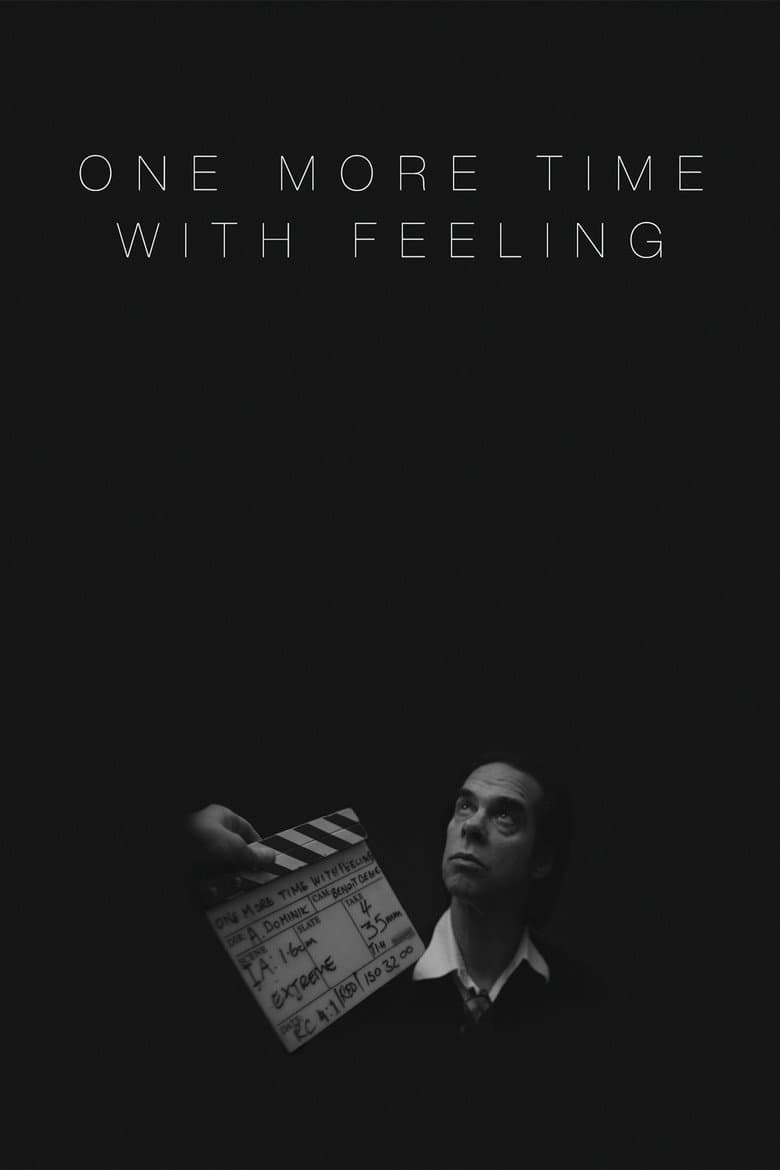
Andrew Dominik's One More Time With Feeling is a remarkable black and white documentary which chronicles the creation of Nick Cave & The Bad Seeds' album Skeleton Tree.
Movie · 2021
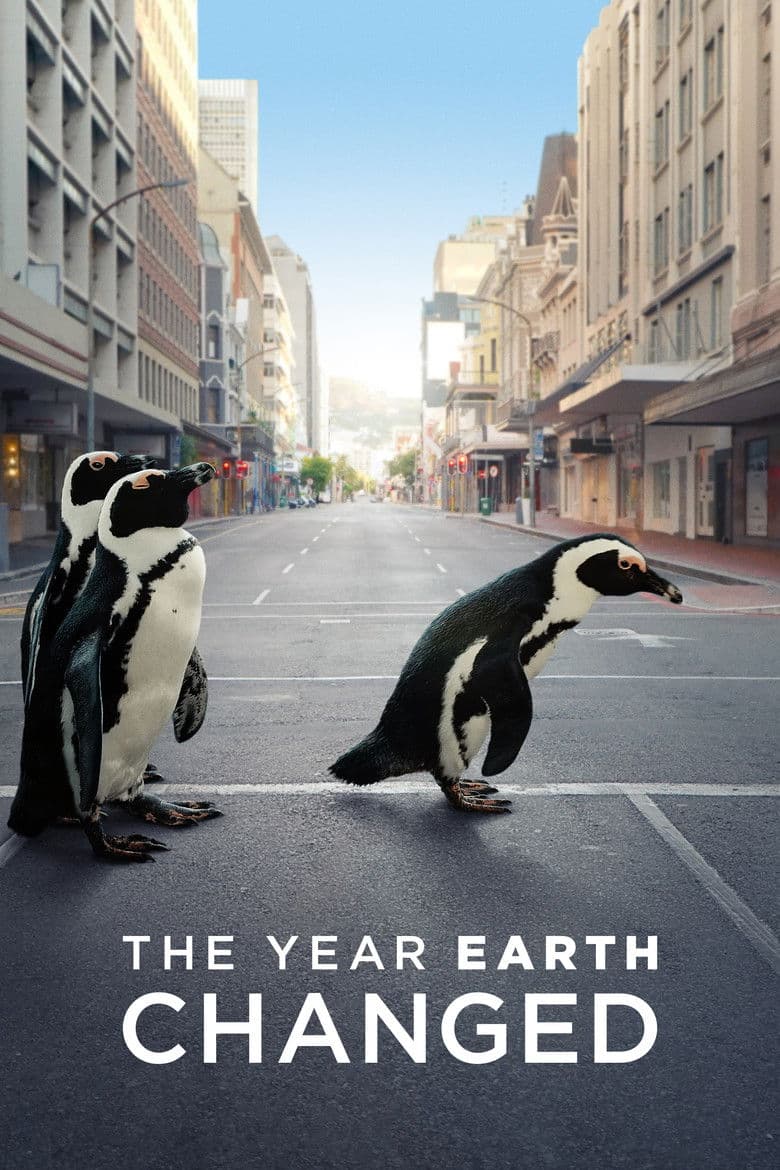
Never-before-seen footage shows how our living in lockdown opened the door for nature to bounce back and thrive.
Movie · 2018
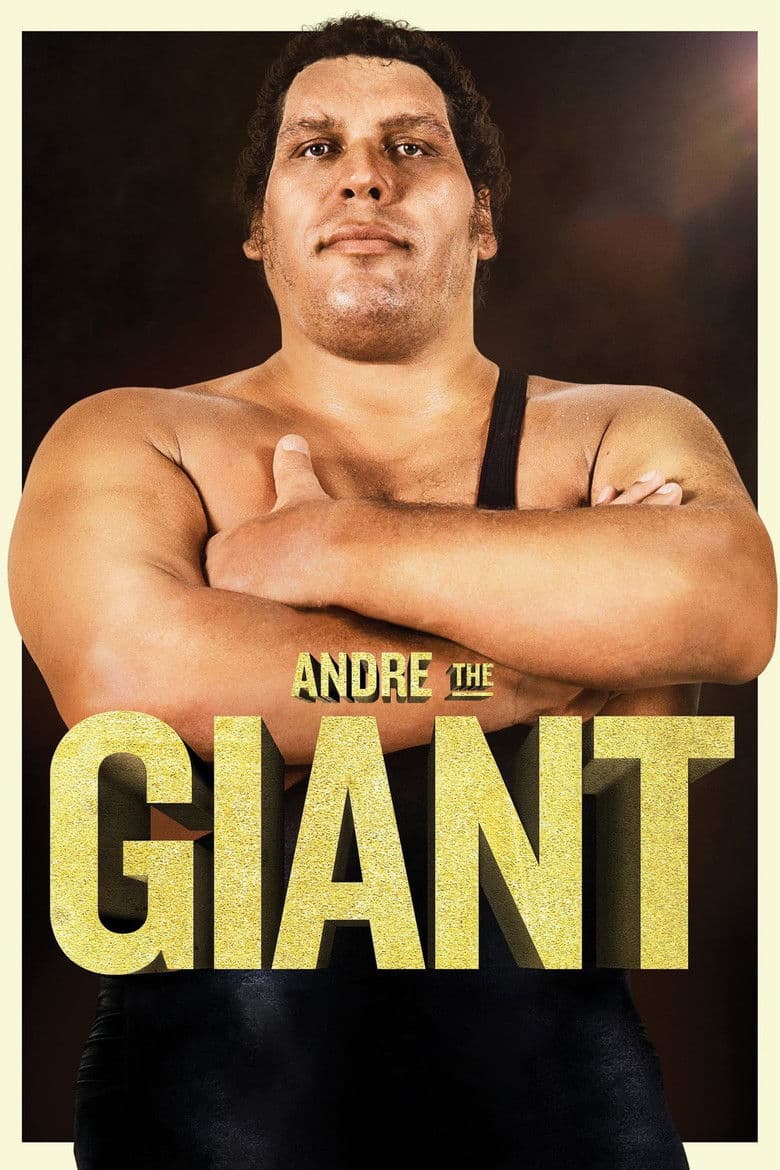
An ambitious and wide-ranging documentary exploring Andre’s upbringing in France, his celebrated career in WWE, and his forays in the entertainment world.
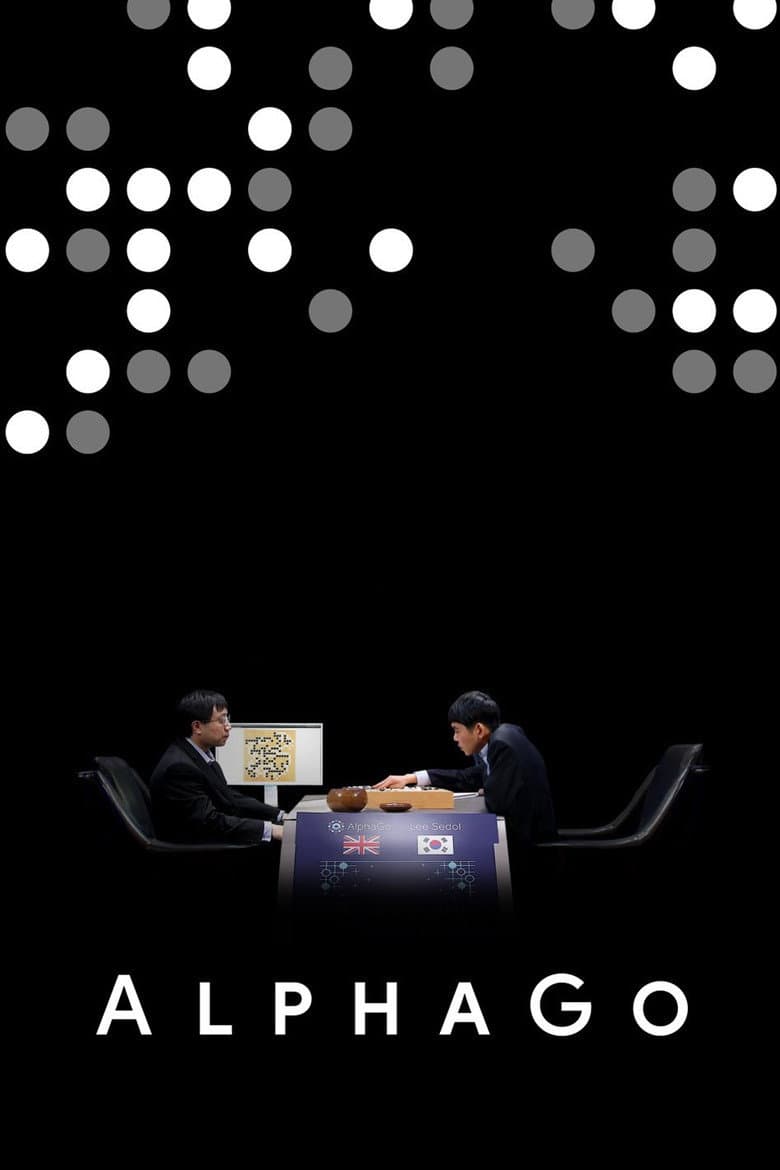
Movie · 2017
The ancient Chinese game of Go has long been considered a grand challenge for artificial intelligence. Yet in 2016, Google's DeepMind team announced that they would be taking on…
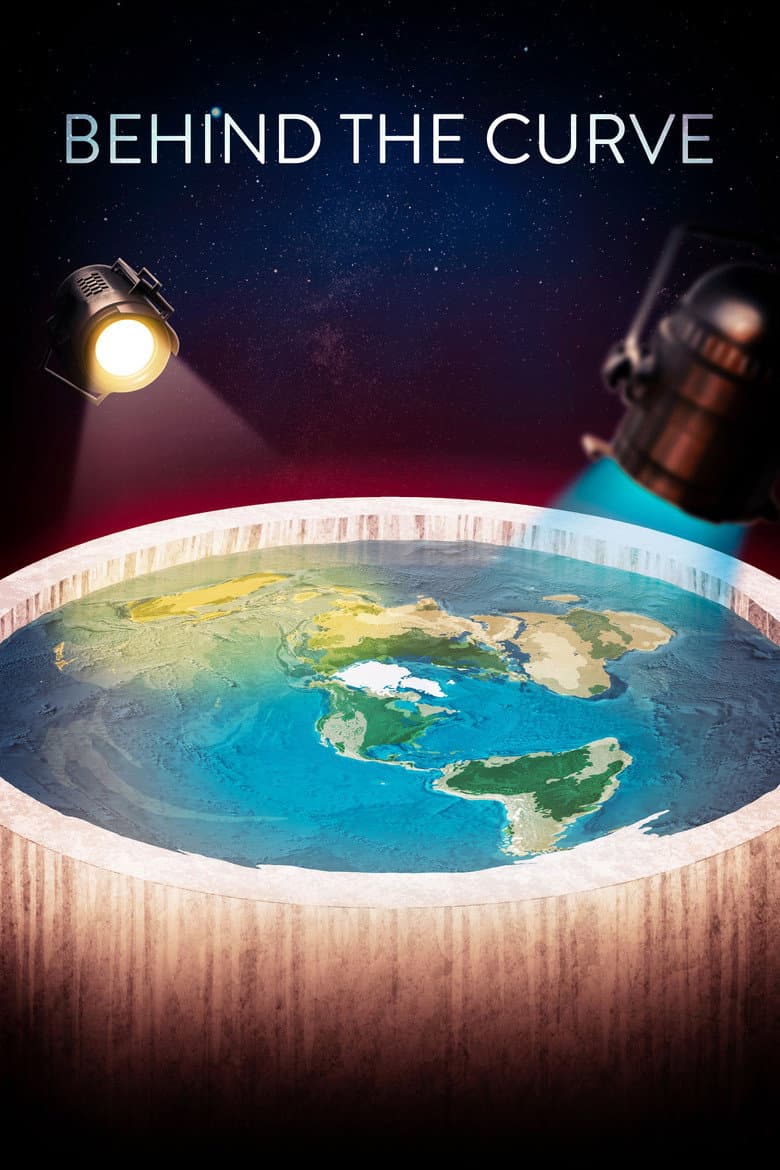
Movie · 2018
Meet the growing, worldwide community of theorists who defend the belief that the Earth is flat while living in a society who vehemently rejects it.
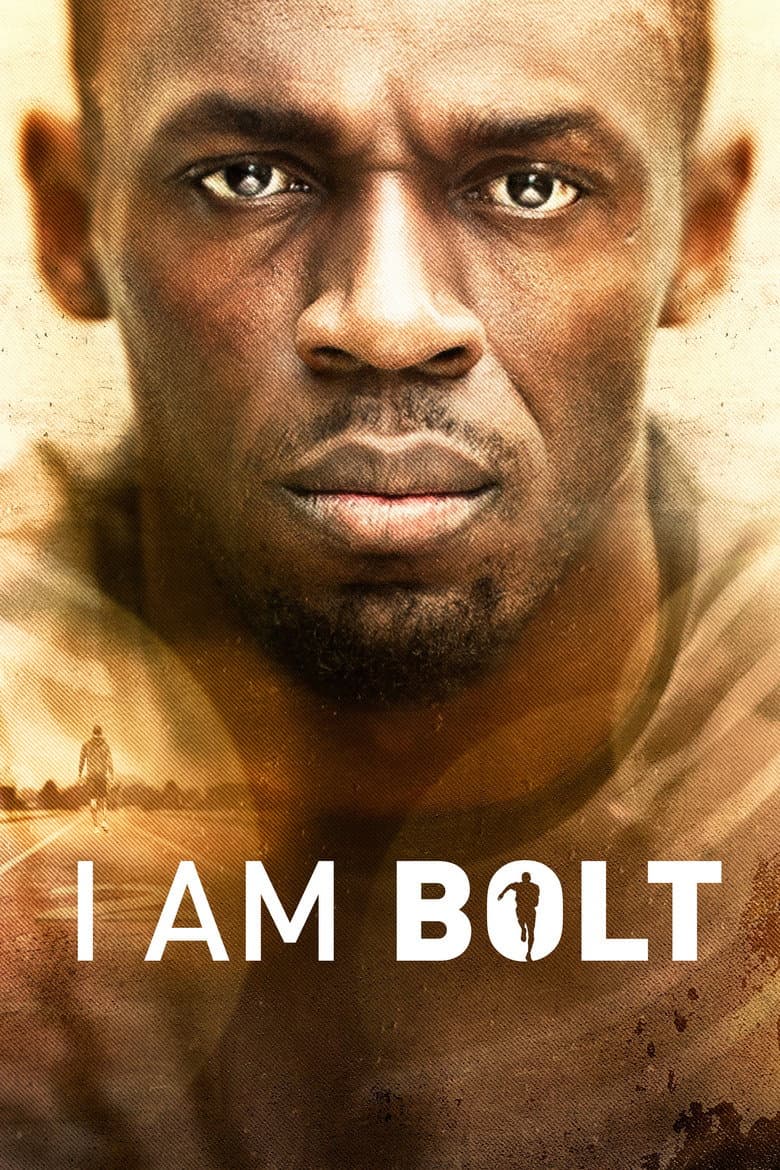
Movie · 2016
Fully authorized, access-all-areas feature doc on the hugely charismatic and globally adored Usain Bolt – officially the fastest man alive.
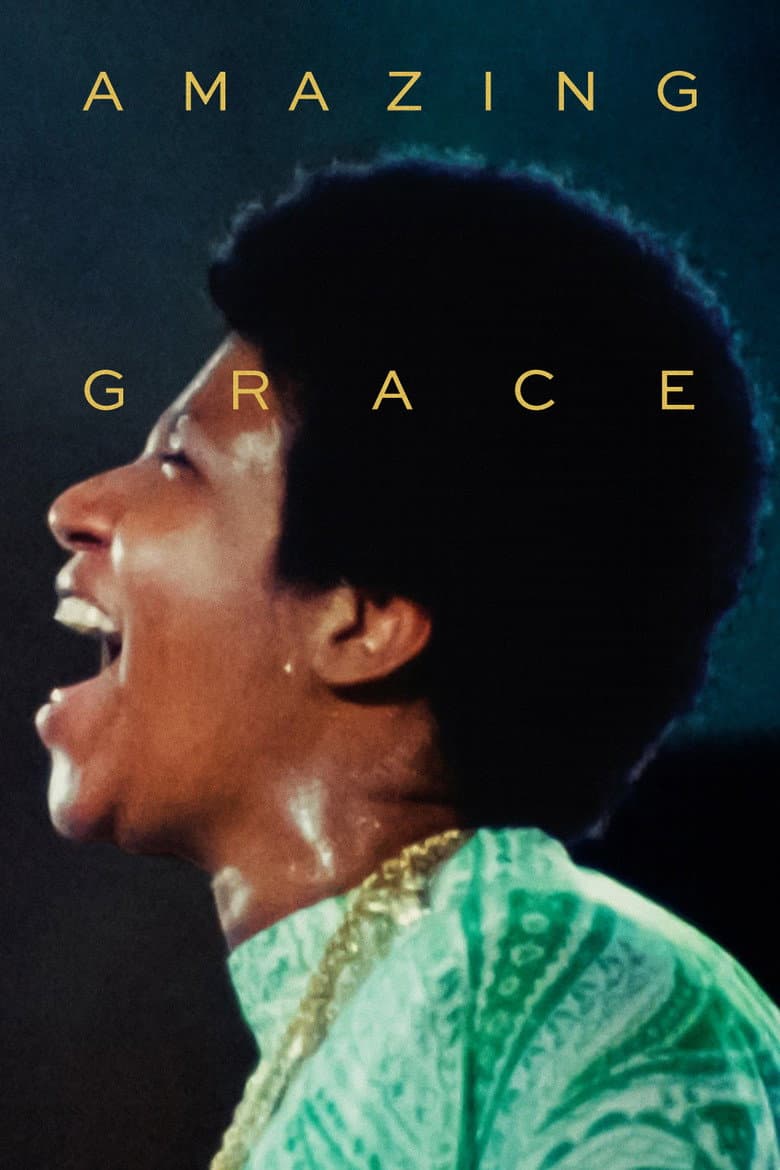
Movie · 2018
A behind-the-scenes documentary about the recording of Aretha Franklin's best-selling album finally sees the light of day more than four decades after the original footage was…
Movie · 2022
Does infinity exist? Can we experience the Infinite? In an animated film (created by artists from 10 countries) the world's most cutting-edge scientists and mathematicians go in…
