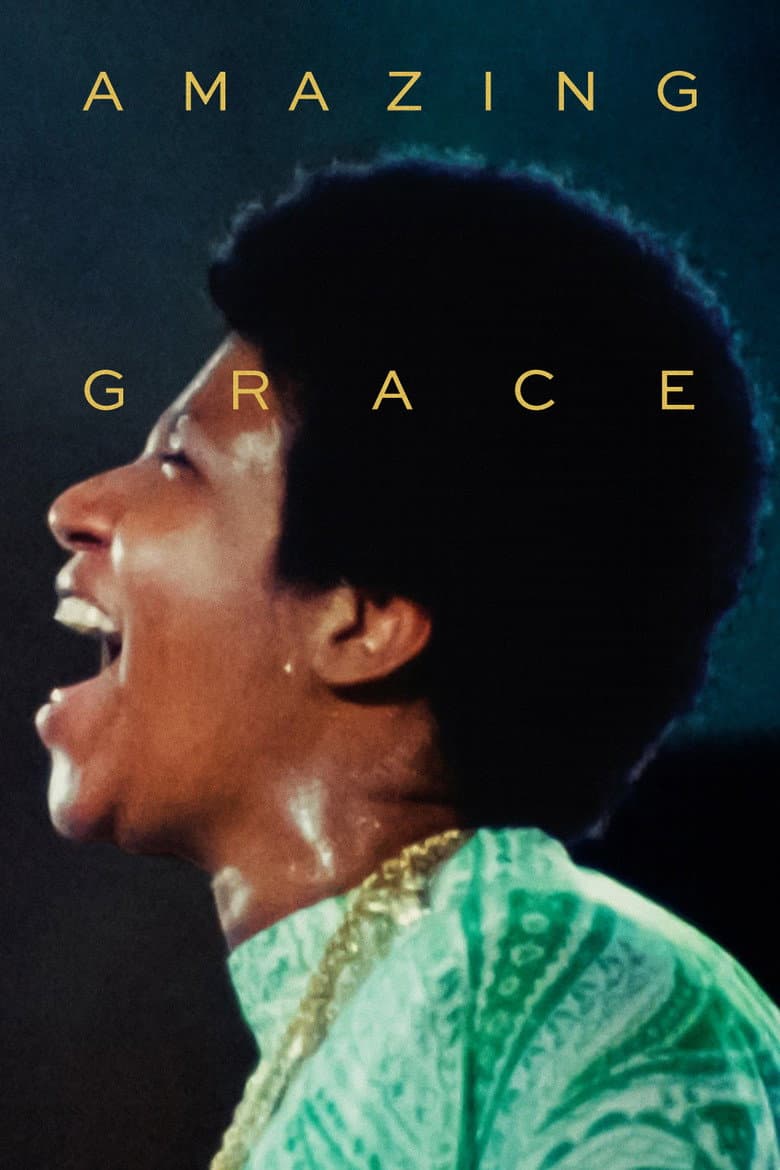
Amazing Grace follows Aretha Franklin as she records a gospel album over two nights in a small Baptist church in Los Angeles in 1972. She sings with the Southern California Community Choir, pianist James Cleveland, a band, and the people in the pews. The live recording creates pressure as the singers perform under hot lights while cameras and sound equipment crowd the church. The mood is warm, intense, and deeply religious, with the crowd clapping, crying, dancing, and joining the music.
The film shows a black artist leading a black church choir and congregation during the real concert. Aretha stands at the pulpit, plays piano, and carries many songs while James Cleveland guides the service and her father watches from the crowd. The concert joins gospel tradition with Aretha’s skill and draws energy from the choir and the people in the pews. The main message is that faith, family roots, and music can bring a room together.
Community feedback
Was our 6% Woke rating accurate?
Breakdown
These are the editorial factors and ratings behind our score for Amazing Grace.
Woke representation / casting
Not present. The film uses real footage of Aretha Franklin, a black church choir, and a Los Angeles congregation at the actual 1972 concert. The identity of the performers comes from the real event.
0%
Woke political dialogue
Not present. The spoken words are short introductions, worship calls, and comments around the songs. The film does not include modern identity politics or activist speeches.
0%
Identity-driven story themes
Not present. The film centers a real gospel service and Aretha Franklin’s musical roots. It celebrates faith, family, and musical skill rather than modern identity politics or activist goals.
0%
Western institutional / cultural critique
Not present. The film does not attack family life, Christianity, traditional values, or Western institutions. Its focus stays on music and worship.
0%
Woke character or canon changes
Not relevant. The film uses real concert footage and does not rewrite a fictional character, canon, or historical identity.
0%
Anti-woke backlash and complaints
Not present. No specific anti-woke or right-leaning complaints were found in the reviewed coverage. Public discussion centers on the music, faith, and the legal fight over release rights.
0%
Creator track record context
Spike Lee brings the clearest activist and race-focused history among the named creators. Several producers have worked on films about race, LGBTQ people, or other less-heard groups. Sydney Pollack and Alan Elliott are better known for liberal issue awareness and music work than for identity campaigns. This gives the project a mild creator-context signal, while the concert itself stays focused on gospel music.
31%
Production

Movie · 2017
The ancient Chinese game of Go has long been considered a grand challenge for artificial intelligence. Yet in 2016, Google's DeepMind team announced that they would be taking on…
Movie · 2016
Andrew Dominik's One More Time With Feeling is a remarkable black and white documentary which chronicles the creation of Nick Cave & The Bad Seeds' album Skeleton Tree.
Movie · 2021
Never-before-seen footage shows how our living in lockdown opened the door for nature to bounce back and thrive.
Movie · 2018
Meet the growing, worldwide community of theorists who defend the belief that the Earth is flat while living in a society who vehemently rejects it.
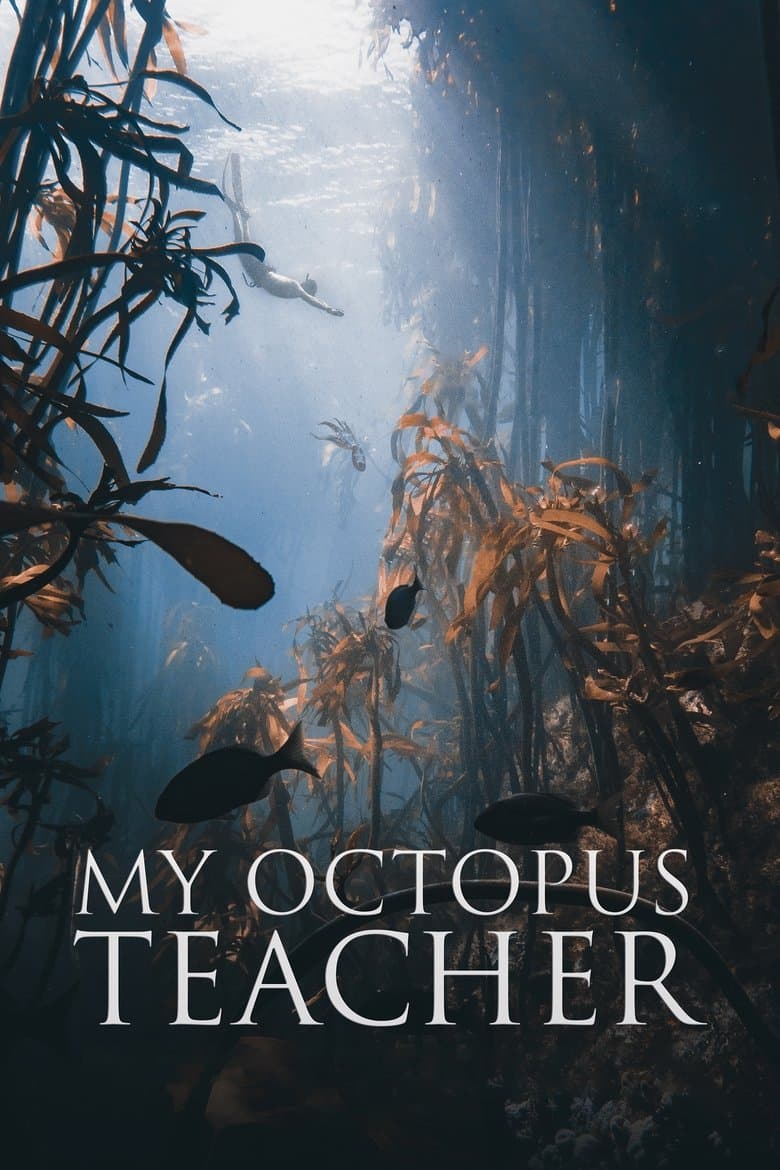
Movie · 2020
After years of swimming every day in the freezing ocean at the tip of Africa, Craig Foster meets an unlikely teacher: a young octopus who displays remarkable curiosity.
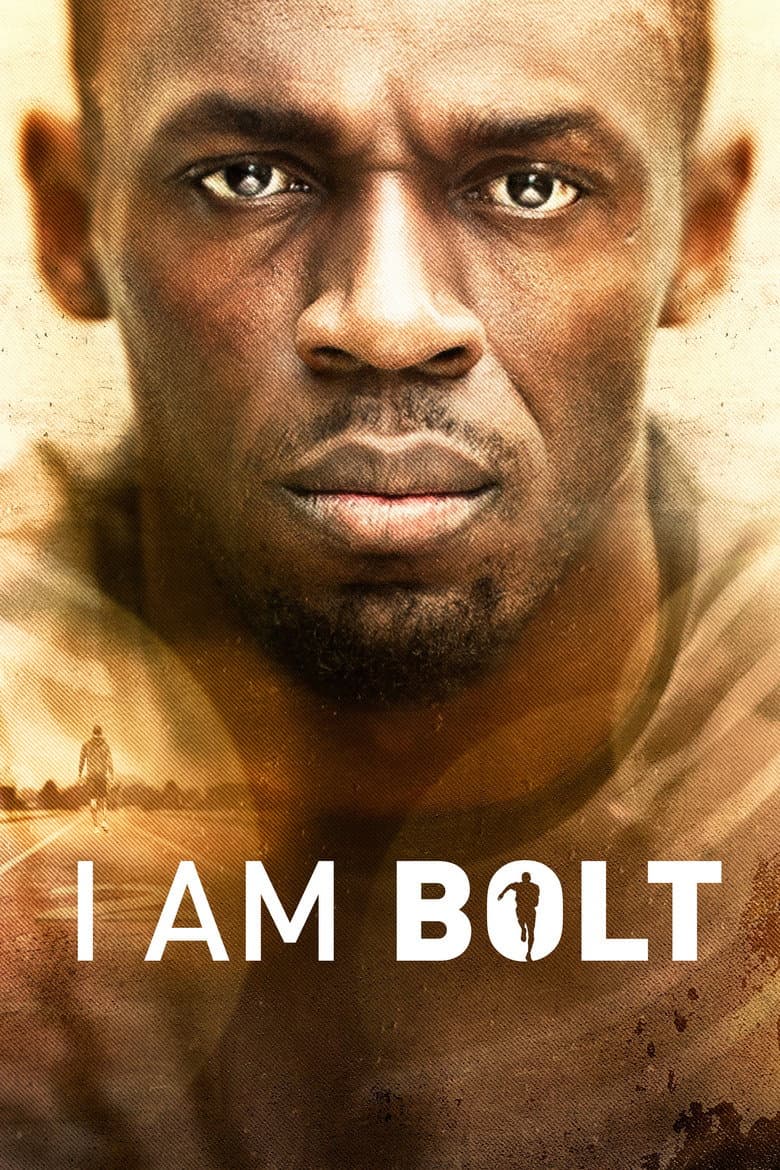
Movie · 2016
Fully authorized, access-all-areas feature doc on the hugely charismatic and globally adored Usain Bolt – officially the fastest man alive.
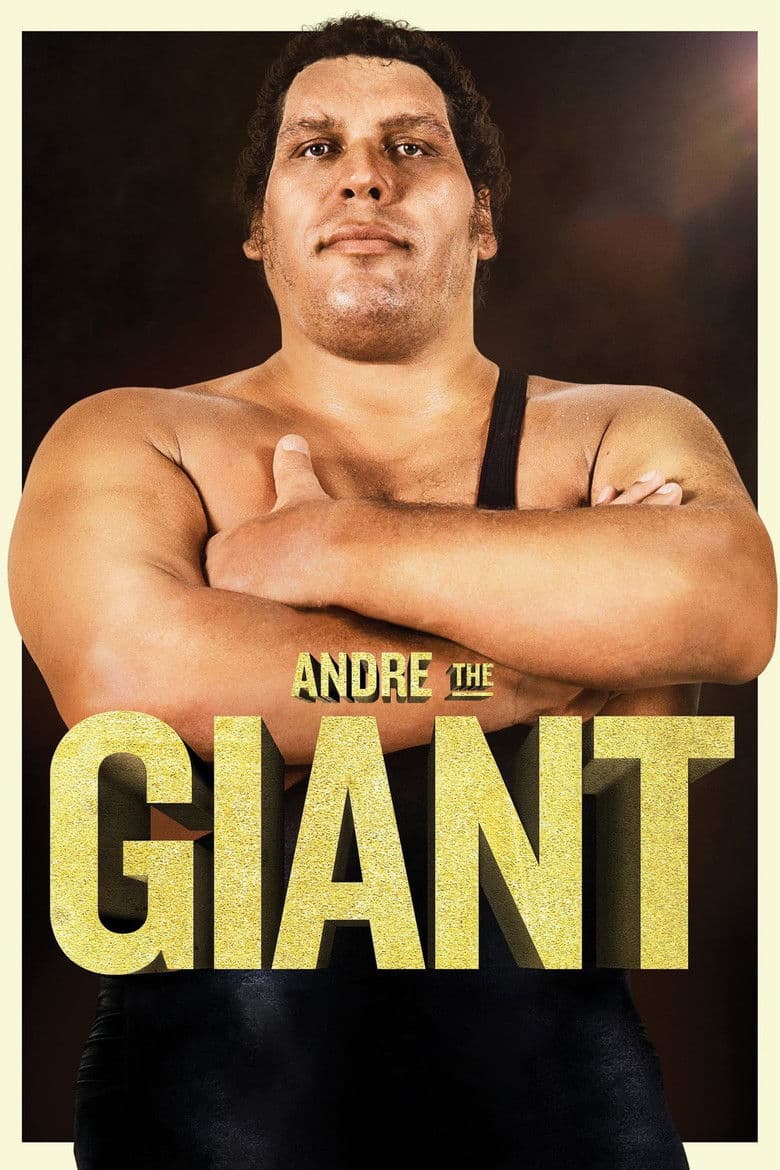
Movie · 2018
An ambitious and wide-ranging documentary exploring Andre’s upbringing in France, his celebrated career in WWE, and his forays in the entertainment world.
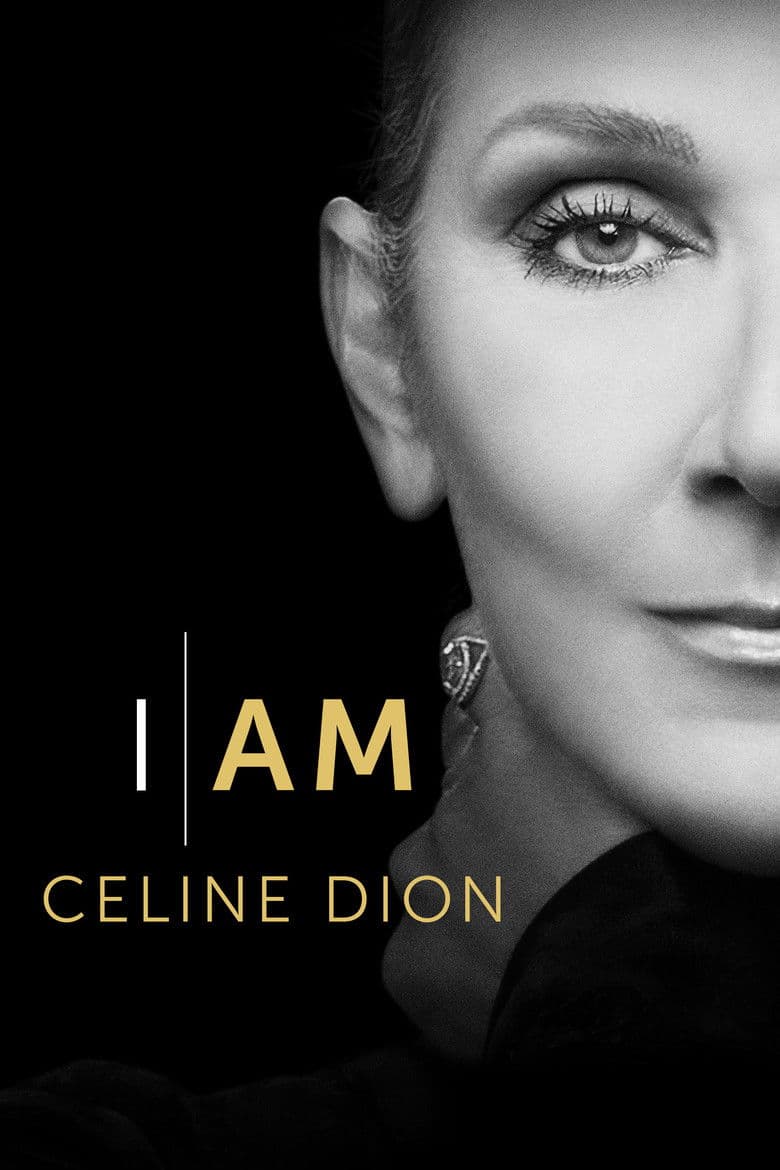
Movie · 2024
A raw and honest behind-the-scenes look at the iconic superstar's struggle with a life-altering illness. Serving as a love letter to her fans, this inspirational documentary…
