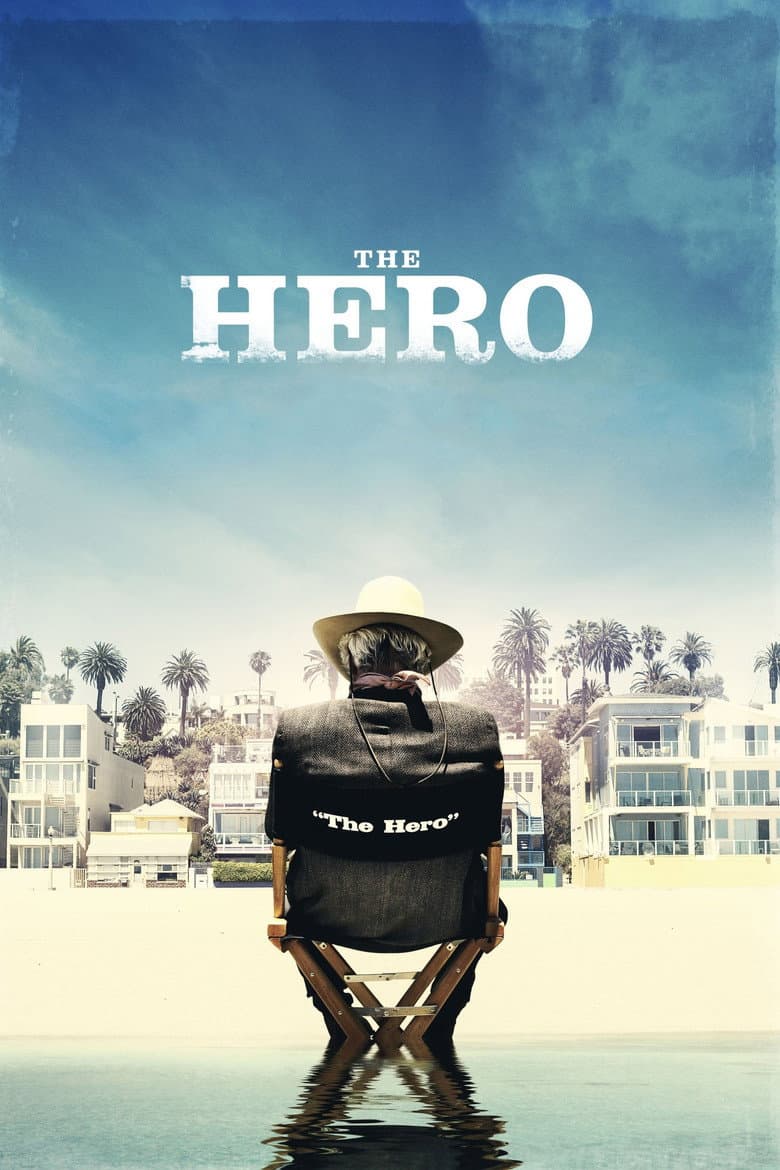
Lee Hayden is a former Western movie star who now records barbecue sauce ads, smokes marijuana, and spends much of his time alone. A cancer diagnosis forces him to face the damage he caused in his marriage and his relationship with his daughter. He starts dating Charlotte, a young stand-up comic, while chasing one last acting job and a better place in his own memory. The film is a quiet, sometimes funny drama about age, regret, illness, and the wish to leave a good name behind.
The film has little direct political or activist material. A short comedy-club scene includes a female comic saying that she married a woman, but no queer character or relationship drives the story. Charlotte also jokes about older men and openly pursues Lee, yet the movie does not build this into a wider lesson about gender or power. Most of the story stays with Lee's selfish choices, his fear of death, his failed family life, and his slow effort to value people more than fame.
Community feedback
Was our 16% Woke rating accurate?
Breakdown
These are the editorial factors and ratings behind our score for The Hero.
Woke representation / casting
Not present. The main roles follow the film's Los Angeles story and are not presented as a diversity lineup. The brief appearances by Ali Wong and Cameron Esposito do not carry a casting message about race, gender, or sexuality.
0%
Woke political dialogue
A brief stand-up segment includes a woman saying that she married a woman and making jokes about same-sex marriage and IVF. The lines are part of a comedy act and do not ask the audience to support a political cause. The rest of the dialogue stays on aging, sex, drugs, family, and work.
12%
Identity-driven story themes
A short comedy-club scene gives a female comic a same-sex marriage line and treats it as a normal part of her act. The scene is separate from Lee's struggle and does not shape his family, work, or illness. The main story is about mortality, regret, family repair, and fame.
12%
Western institutional / cultural critique
Not present. The film shows Hollywood forgetting an aging actor, but it does not turn that problem into a modern activist attack on Western culture. It does not blame patriarchy, Christianity, capitalism, or traditional family life.
0%
Woke character or canon changes
Not relevant. The film is an original story about fictional people. It does not change an established character, source story, or historical event.
0%
Anti-woke backlash and complaints
Not present. The reviewed coverage contains no notable anti-woke or right-leaning complaint about the film. Audience criticism focused on the slow plot, weak side characters, and age-gap romance instead.
0%
Creator track record context
Brett Haley has a mild interest in representation, but the cached record shows little separate political activism. Jackie Kelman Bisbee has the strongest socially engaged history among the producers, with work about incarceration, disability rights, health care, and unequal treatment. Theodora Dunlap and Lance Acord also have repeated socially aware projects, while Marc Basch and most other producers have little public activist record. This gives the title a mild creator-context signal, but the film itself does not use those main social themes.
35%
Production
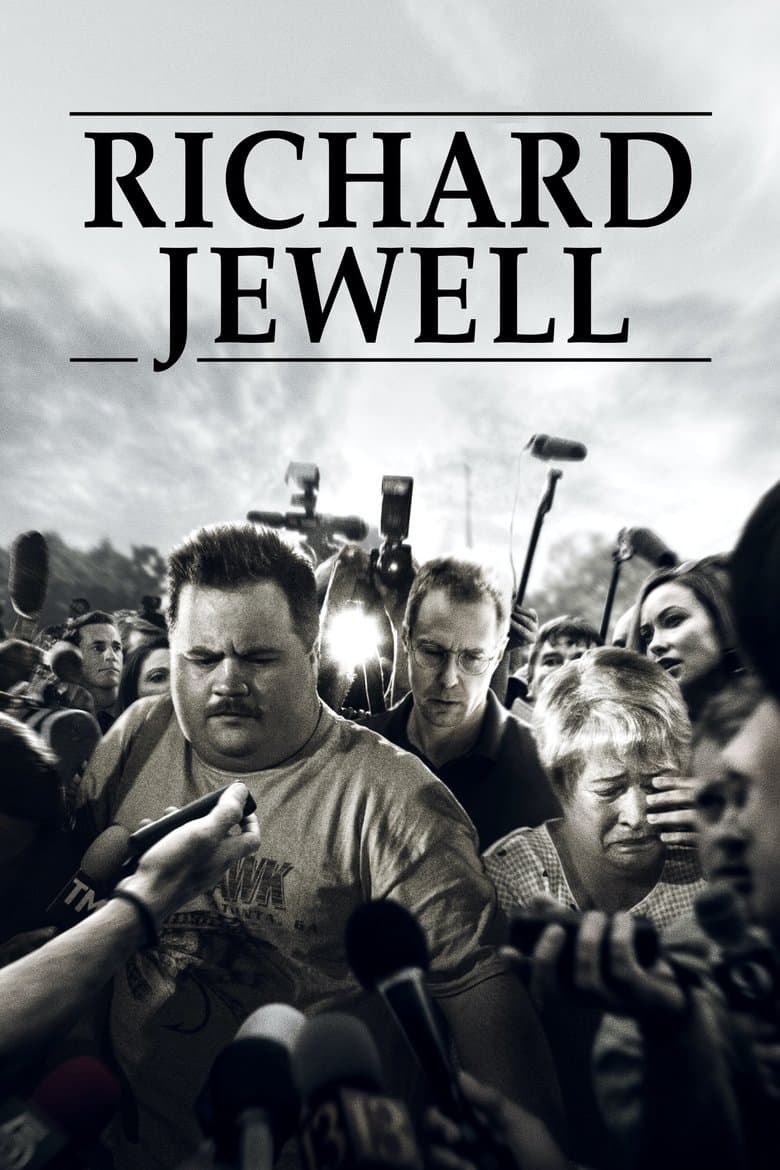
Movie · 2019
Richard Jewell thinks quick, works fast, and saves hundreds, perhaps thousands, of lives after a domestic terrorist plants several pipe bombs and they explode during a concert…

Movie · 2016
After his older brother passes away, Lee Chandler is forced to return home to care for his 16-year-old nephew.
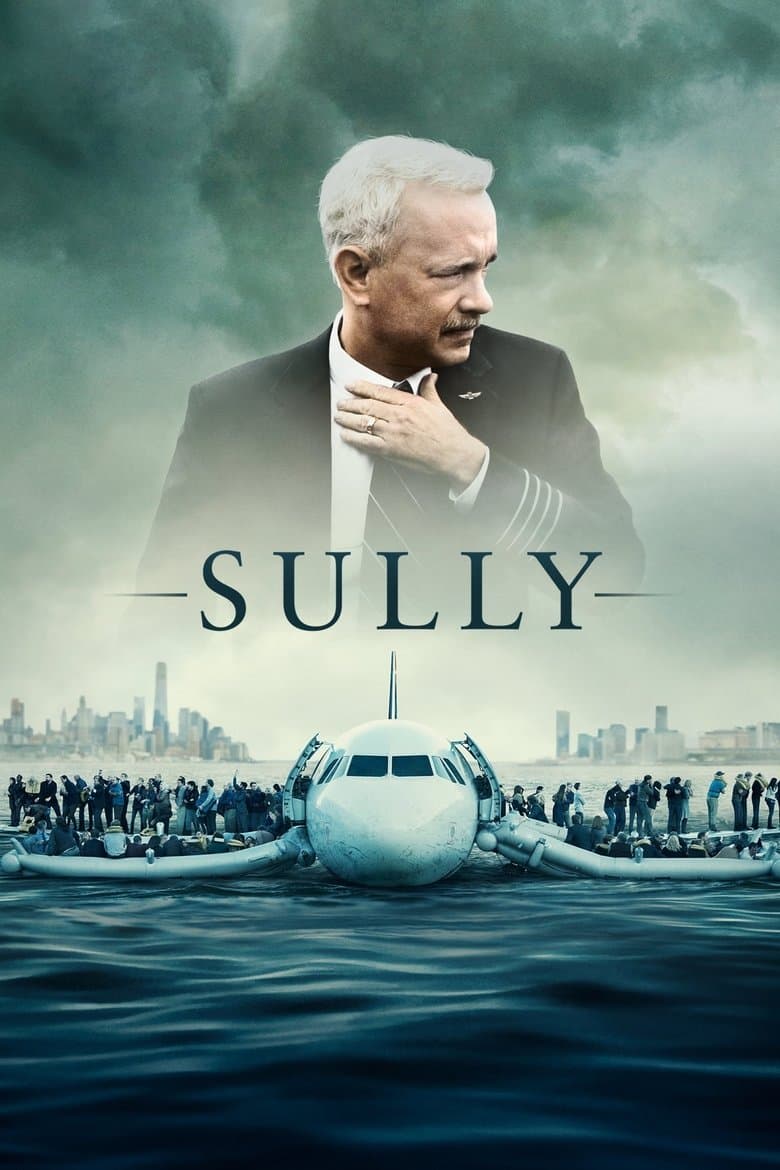
Movie · 2016
On 15 January 2009, the world witnessed the 'Miracle on the Hudson' when Captain 'Sully' Sullenberger glided his disabled plane onto the Hudson River, saving the lives of all 155…
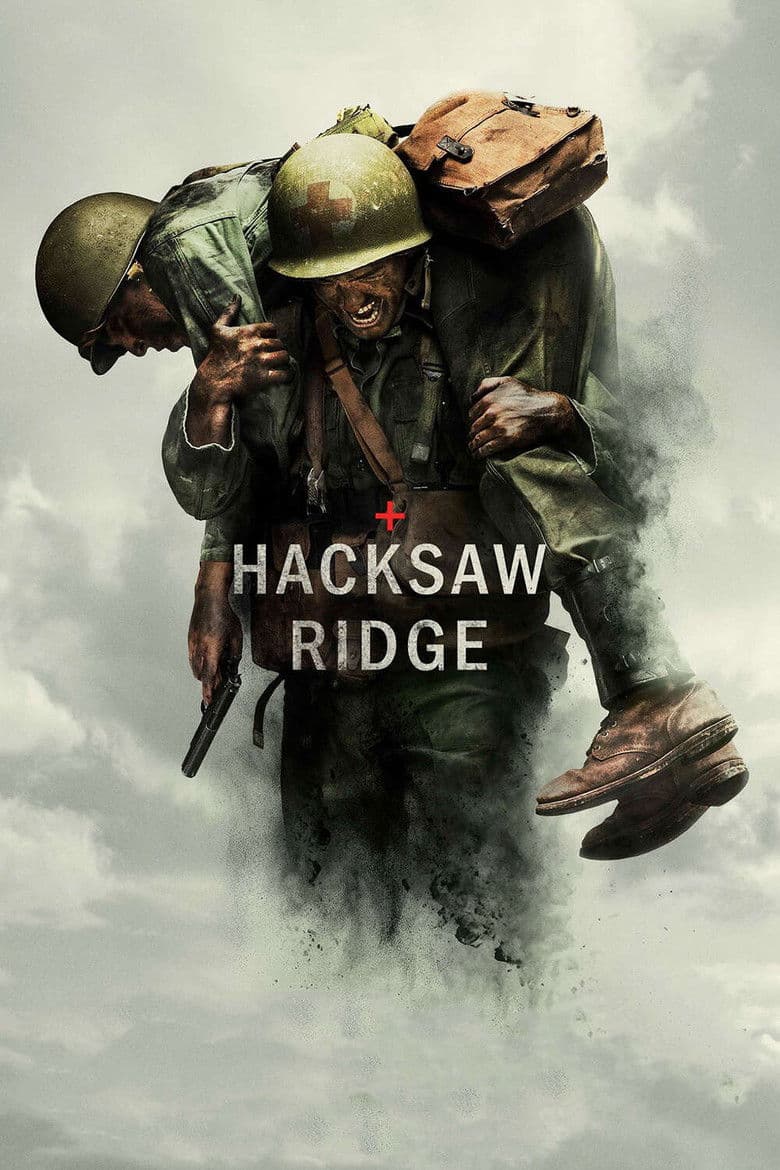
Movie · 2016
WWII American Army Medic Desmond T. Doss, who served during the Battle of Okinawa, refuses to kill people and becomes the first Conscientious Objector in American history to…
Movie · 2025
Diagnosed with Tourette Syndrome at 15, John Davidson navigates his way against the odds through troubled teenage years and into adulthood, finding inspiration in the kindness of…
Movie · 2017
In 1950, amidst the ravages of the Korean War, Sergeant Süleyman stumbles upon a a half-frozen little girl, with no parents and no help in sight and he risks his own life to save…
Movie · 2017
Members of the Granite Mountain Hotshots battle deadly wildfires to save an Arizona town.
Movie · 2024
On the brink of the Second World War, a young Norwegian man's drive to resist the Nazis sets a new course for his future – and the future of his country.
