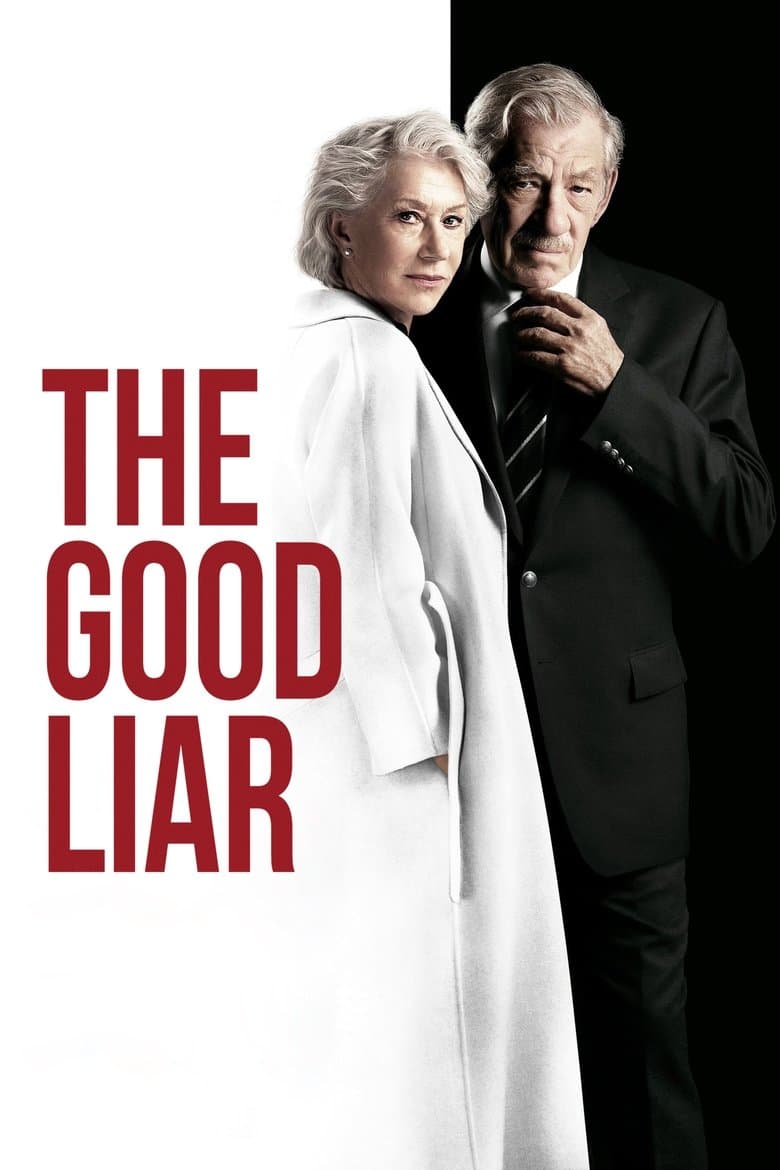
Roy Courtnay is an older con man who meets wealthy widow Betty McLeish on a dating site in 2009 London. He plans to use charm, fake advisers, and a shared bank account to steal her savings. Betty’s grandson Stephen doubts Roy, and a trip to Berlin opens an old secret. The movie is a dark crime story with lies, danger, and a late change in who holds the power.
The story later shows that Betty knew Roy in wartime Berlin, when he raped her and helped ruin her family. Betty’s planned revenge turns the ending into a woman taking control from a male abuser. Stephen is revealed to have a male partner, but this takes little time and does not drive the plot. The Nazi past mainly explains Betty’s personal loss and revenge.
Community feedback
Was our 30% Woke rating accurate?
Breakdown
These are the editorial factors and ratings behind our score for The Good Liar.
Woke representation / casting
Stephen is revealed to be the male partner of Betty’s real grandson. The film keeps this relationship in a small part of the ending. The lead roles are an older English man and woman in present-day London. The cast does not show a larger identity-driven pattern.
10%
Woke political dialogue
Not present. The characters do not give modern political speeches. The Nazi references are part of the backstory.
0%
Identity-driven story themes
Betty takes control over Roy after he assaulted her as a teen and betrayed her family. The ending makes her revenge against a male abuser important to the final plot. Director Bill Condon said that #MeToo became part of the discussion around the story. The film treats the abuse as Betty’s personal trauma and revenge.
32%
Western institutional / cultural critique
Not present. Roy is an individual criminal, and the movie does not blame men or Western culture as a group. The Nazi material supports Betty’s personal past and revenge.
0%
Woke character or canon changes
Not relevant. The film adapts a novel and has no known identity-driven change to established characters or canon.
0%
Anti-woke backlash and complaints
One small online review called the ending a feminist revenge story and tied it to #MeToo. That review said the assault plot turns the Nazi-era setting into a gender-politics message. Most audience posts discussed the twists, acting, and plot holes instead. The film did not create a broad anti-woke backlash.
12%
Creator track record context
Bill Condon has a repeated record of queer and gender-identity stories. Lucy Bevan has supported wider diversity and disability representation in casting. Aaron L. Gilbert has spoken about diversity and inclusion. Jeffrey Hatcher and Nicholas Searle have much lower stored creator scores.
44%
Production
Movie · 2019
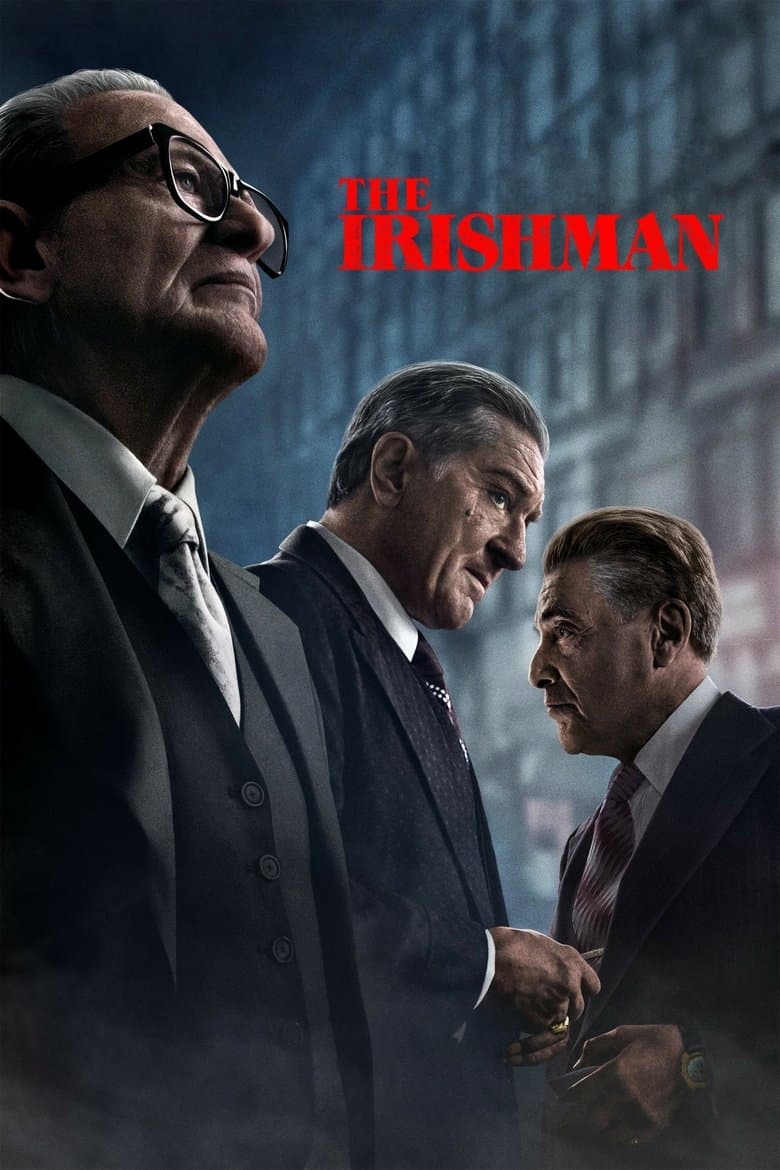
Pennsylvania, 1956. Frank Sheeran, a war veteran of Irish origin who works as a truck driver, accidentally meets mobster Russell Bufalino.

Movie · 2019
Istanbul Police Department homicide detectives encounter a murder nothing like they’ve seen before.Commissioners Emin, Salih, Asuman and deputy Alaattin begin investigating.But…
Movie · 2025
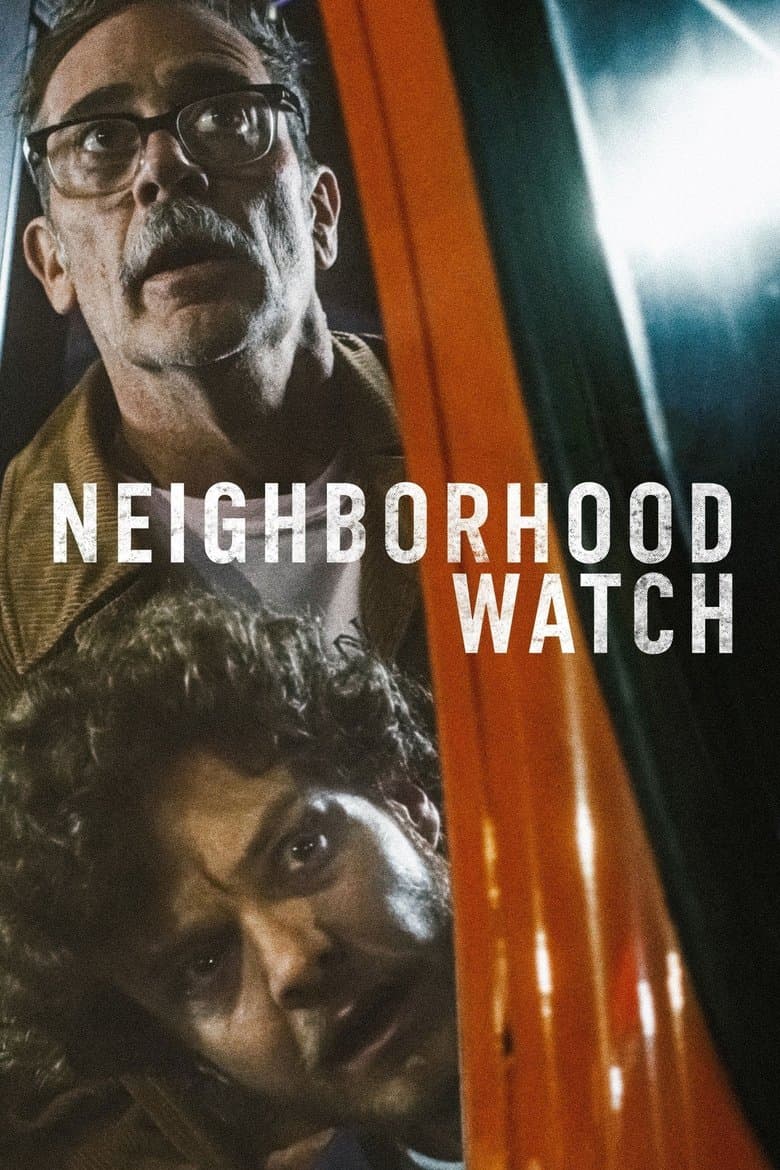
When a mentally ill young man thinks he witnesses an abduction and the police refuse to believe him, he reluctantly turns to his next door neighbor – a bitter, retired security…
Movie · 2017
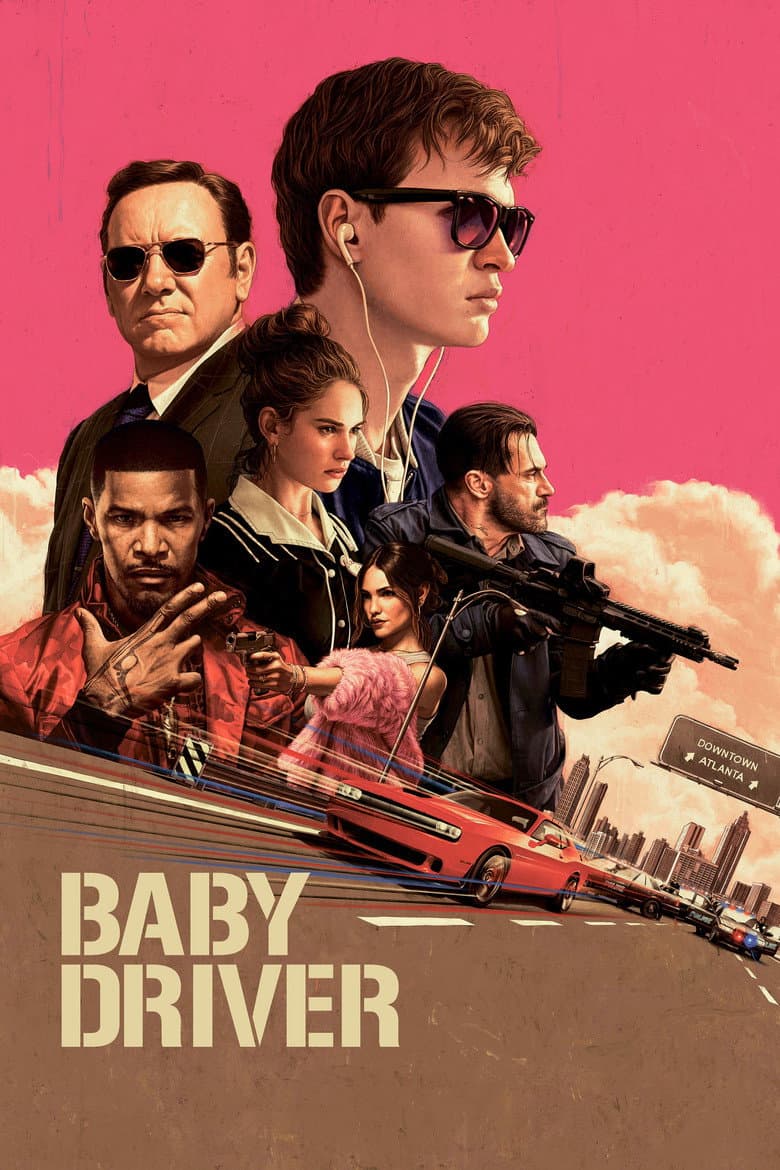
After being coerced into working for a crime boss, a young getaway driver finds himself taking part in a heist doomed to fail.
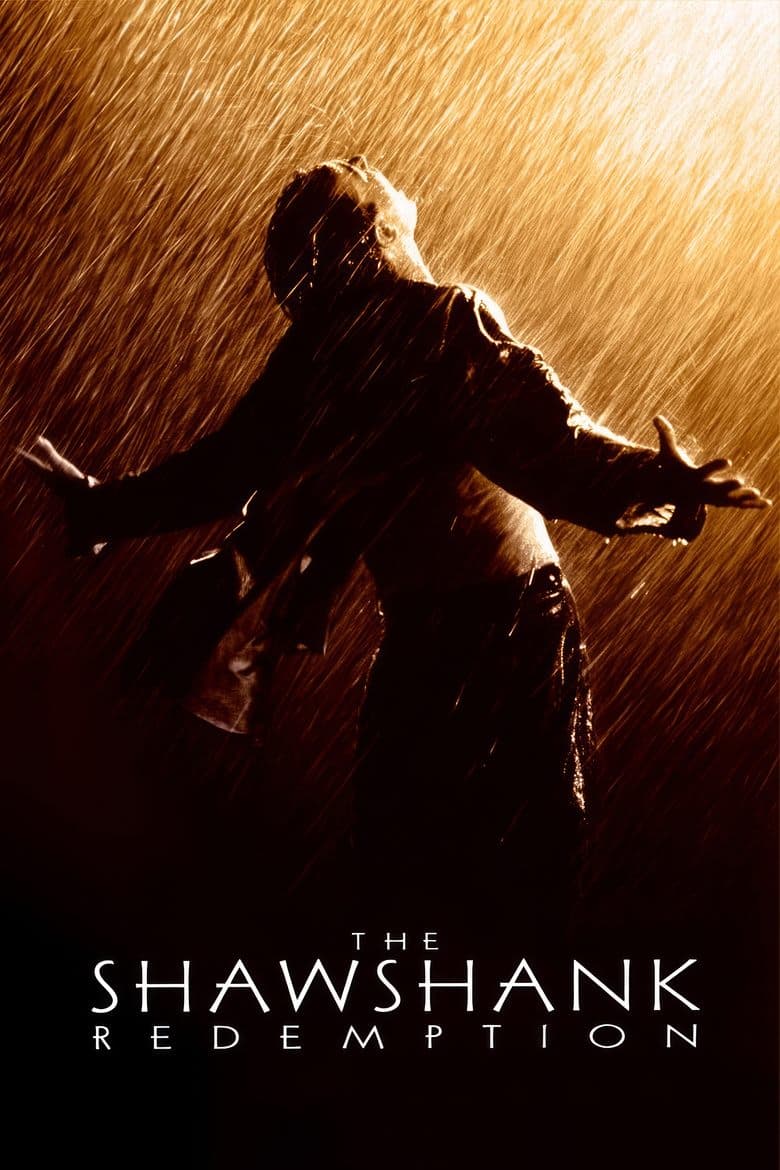
Movie · 1994
Imprisoned in the 1940s for the double murder of his wife and her lover, upstanding banker Andy Dufresne begins a new life at the Shawshank prison, where he puts his accounting…
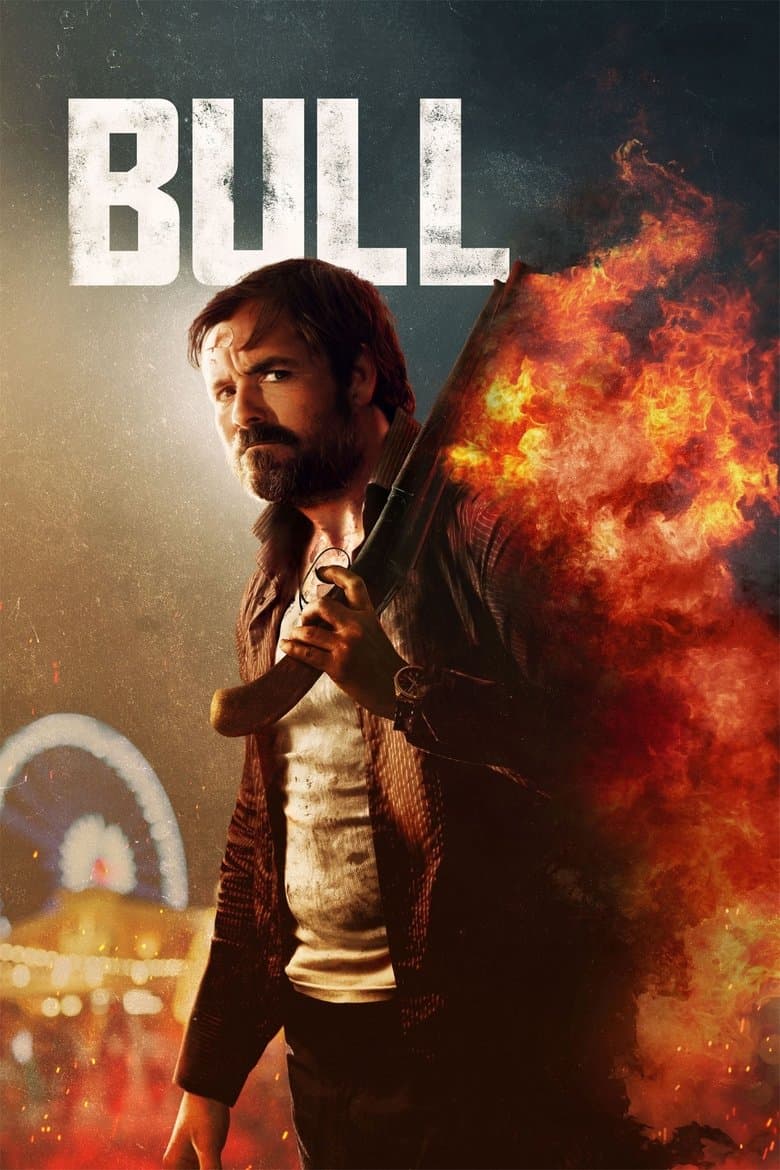
Movie · 2021
Ten years after he was last seen, a vicious mob enforcer returns home to find his son and methodically track down the gang that double-crossed him.

Movie · 2024
In this twisting documentary, a mechanic tries online dating for the first time and meets a woman who takes romantic obsession to a deadly extreme.
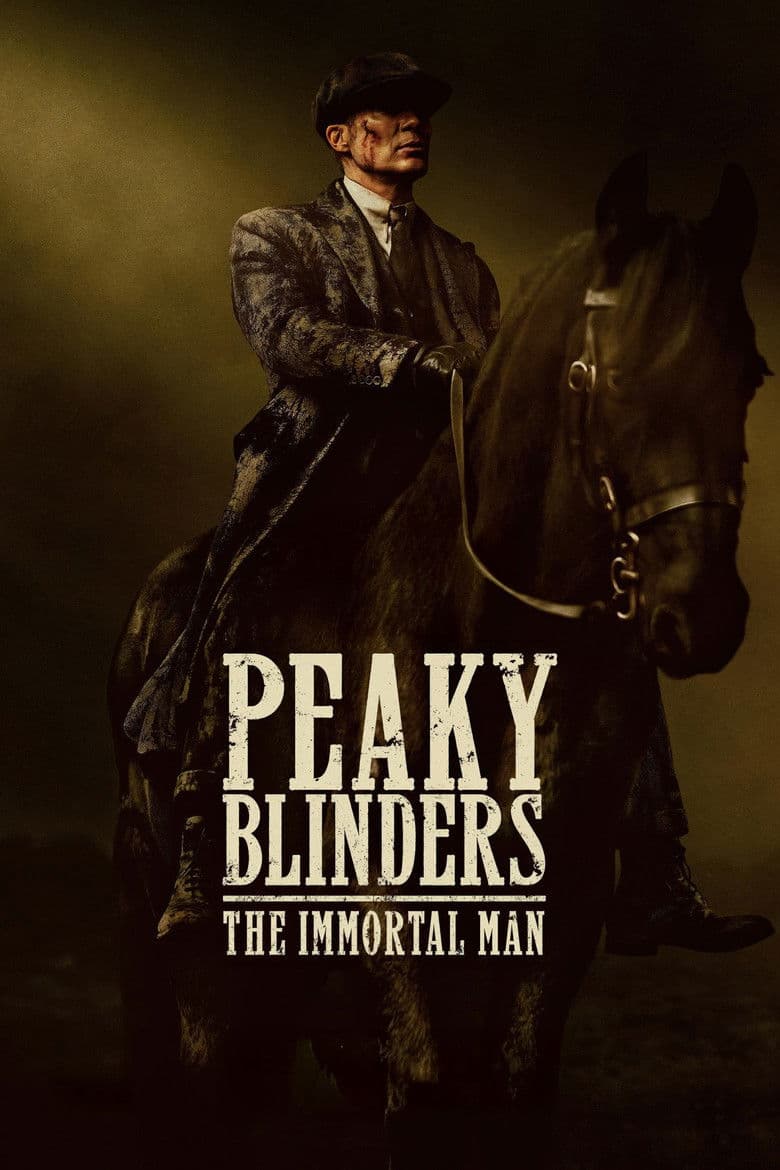
Movie · 2026
After his estranged son gets embroiled in a Nazi plot, self-exiled gangster Tommy Shelby must return to Birmingham to save his family — and his nation.
