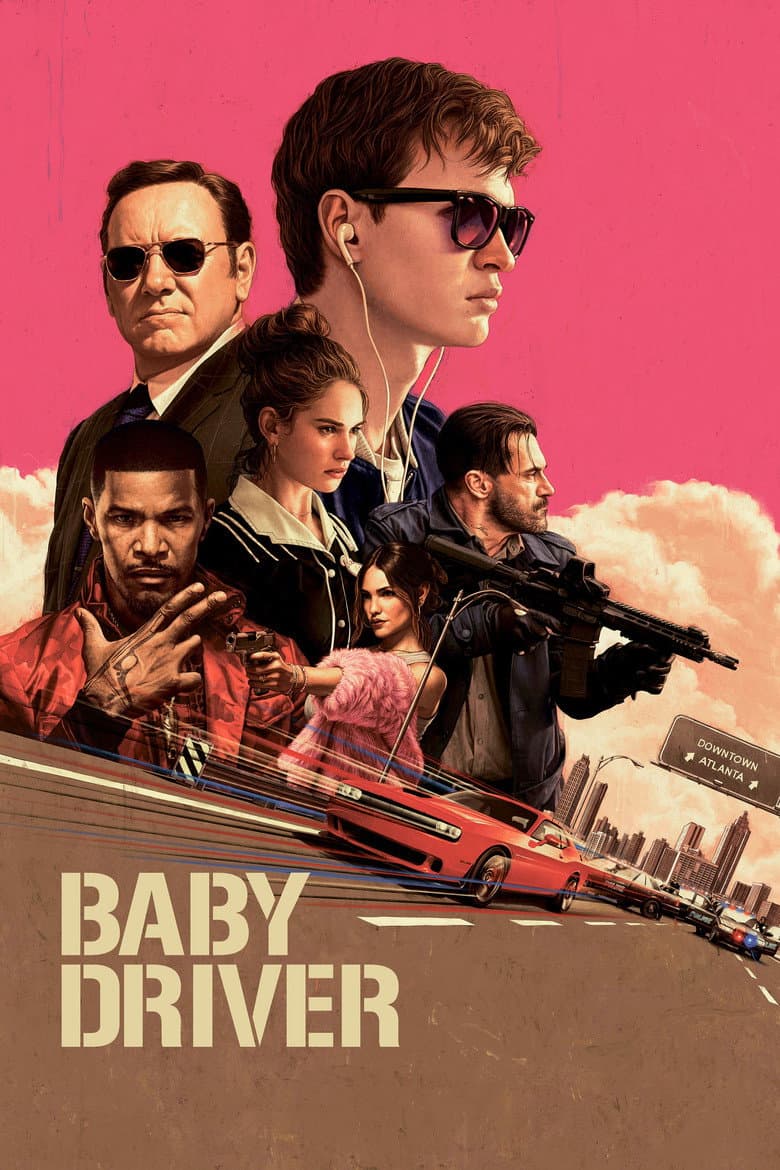
Baby Driver follows a young Atlanta getaway driver named Baby, who uses music to control the ringing in his ears after a childhood crash. A crime boss forces him to keep driving until he pays an old debt. Baby wants to leave the robbery life and start over with Debora, a diner waitress, but the final job pulls him into a violent chase. The movie feels fast and playful at first, but it grows darker as Baby faces the harm caused by his choices.
Darling is the only woman in the main robbery crew, and she works as Buddy's equal partner in crime. Her skill gives the movie a small empowerment signal, but the story treats her as one part of a violent crime plot. Baby's hearing problem and Joseph's deafness shape the music and family parts of the story. The main themes are guilt, loyalty, love, escape, and the chance to change.
Community feedback
Was our 14% Woke rating accurate?
Breakdown
These are the editorial factors and ratings behind our score for Baby Driver.
Woke representation / casting
Darling is the only woman in the main four-person bank robbery crew. The film shows her carrying guns, joining robberies, and standing as Buddy's equal partner. Eiza González said she did not want Darling to be a side piece, and press coverage framed the role as a push against action-film machismo. The story keeps this signal small because it does not make race or gender a main subject.
18%
Woke political dialogue
Not present. No political, activist, or identity-focused dialogue appears in the film. Conversations stay grounded in heist planning, personal backstories, relationships, and practical crime elements.
0%
Identity-driven story themes
Not present. The narrative drives through individual trauma from a childhood crash, music as personal escape and focus, romantic connection, moral redemption, and consequences of crime. No plotlines or arcs center on race, gender, sexuality, or social identity politics.
0%
Western institutional / cultural critique
Not present. The story shows crime world dynamics and personal fallout in straightforward genre terms without modern activist framing around systemic issues, patriarchy, capitalism, or cultural institutions. Standard heist conflict, not reframed ideologically.
0%
Woke character or canon changes
Not relevant. This is an original screenplay by Edgar Wright with no changes to established characters, canon, source material, or historical figures for identity or DEI reasons.
0%
Anti-woke backlash and complaints
Not present. No significant public, social media, or news complaints accused the film of advancing woke, DEI, or identity politics messaging. Reception treated it as apolitical entertainment; any discussion stayed on style or unrelated actor issues.
0%
Creator track record context
Edgar Wright's stored creator score is 36/100, based on mild liberal views and some interest in female-led stories. Nira Park's stored score is 45/100 because of work that supports underrepresented talent. Darrin Prescott and most of the other stored producer profiles have low scores and no known activist record. The film itself does not build a political or identity-driven message from this background.
27%
Production

Movie · 2025
Newly released from prison and marked for death by unrelenting enemies, Nate must now protect his estranged 9-year-old daughter, Polly, at all costs.
Movie · 2017
Quan is a humble London businessman whose long-buried past erupts in a revenge-fueled vendetta when the only person left for him to love – his teenage daughter – dies in an Irish…
Movie · 2024
The adoptive son of the Adattu family, Marco, sets off on a ruthless quest for vengeance after his brother is brutally murdered, finding only betrayal, loss and unimaginable…
Movie · 2018
A gritty crime saga which follows the lives of an elite unit of the LA County Sheriff's Dept. and the state's most successful bank robbery crew as the outlaws plan a seemingly…
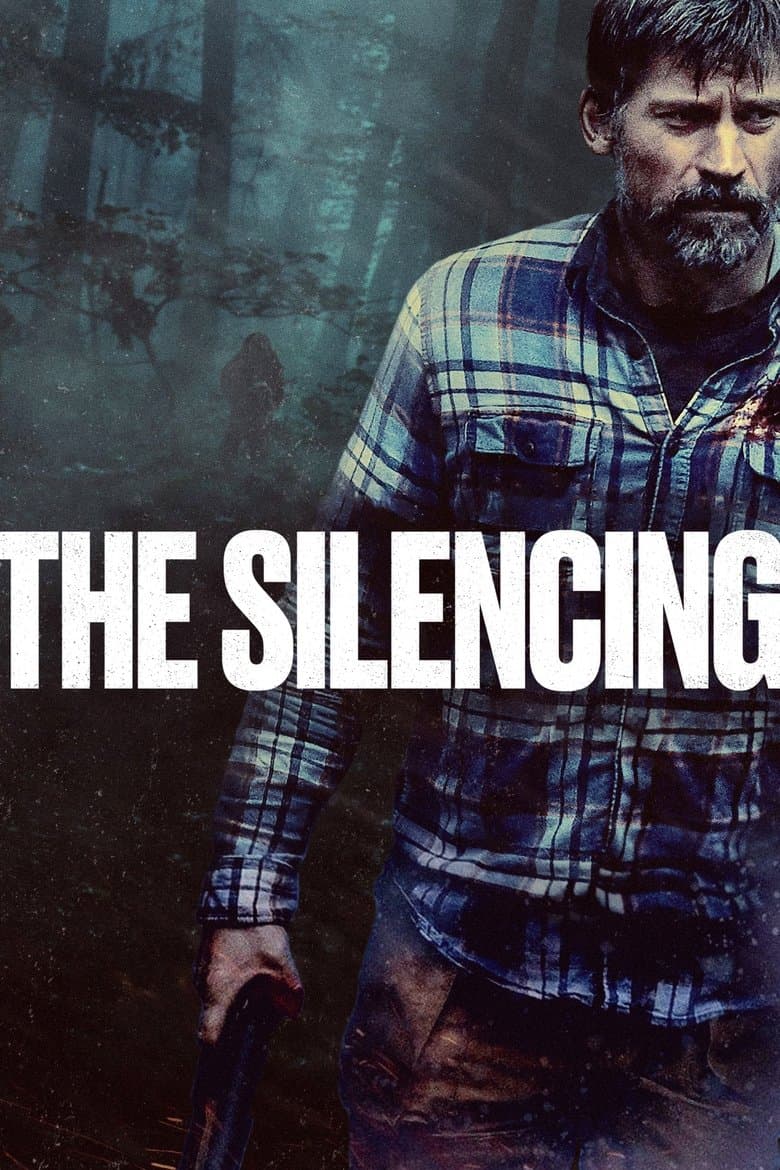
Movie · 2020
A reformed hunter becomes involved in a deadly game of cat and mouse when he and the local sheriff set out to track a vicious killer who may have kidnapped his daughter years ago.
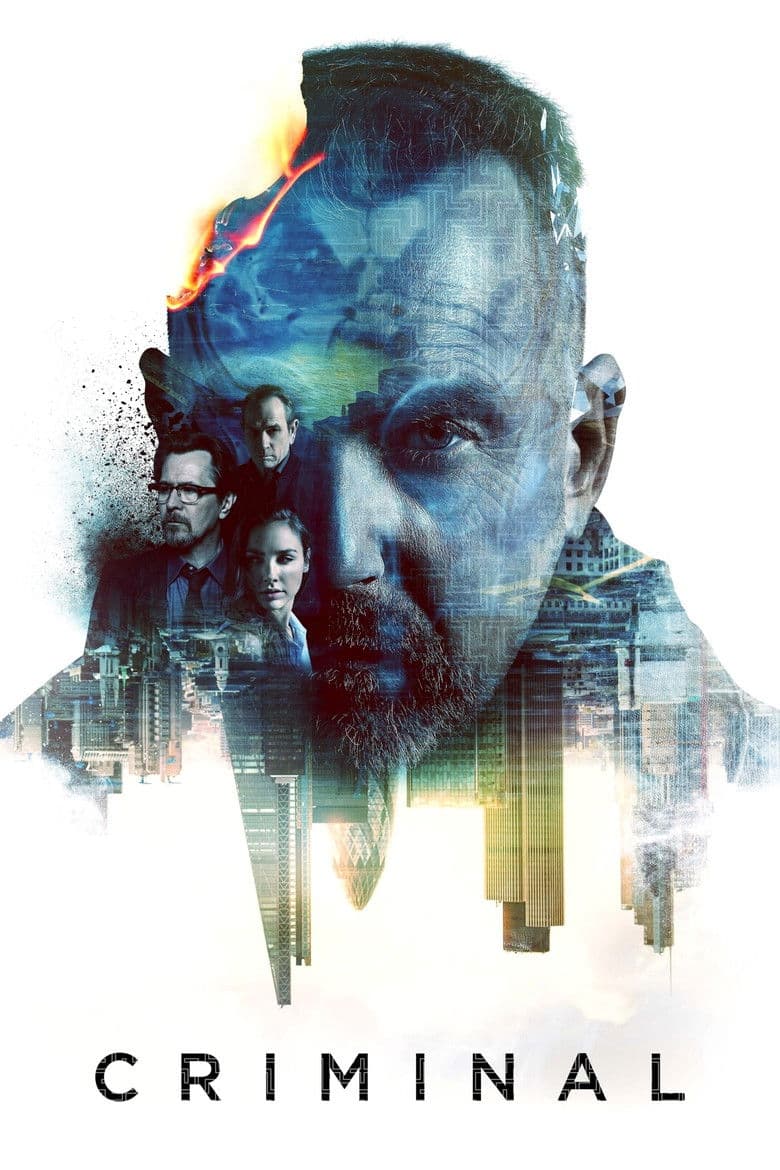
Movie · 2016
CIA Agent Bill Pope is on a mission to track down a shadowy hacker named 'The Dutchman'. When he gets mysteriously killed, an experimental procedure transfers his memories into a…
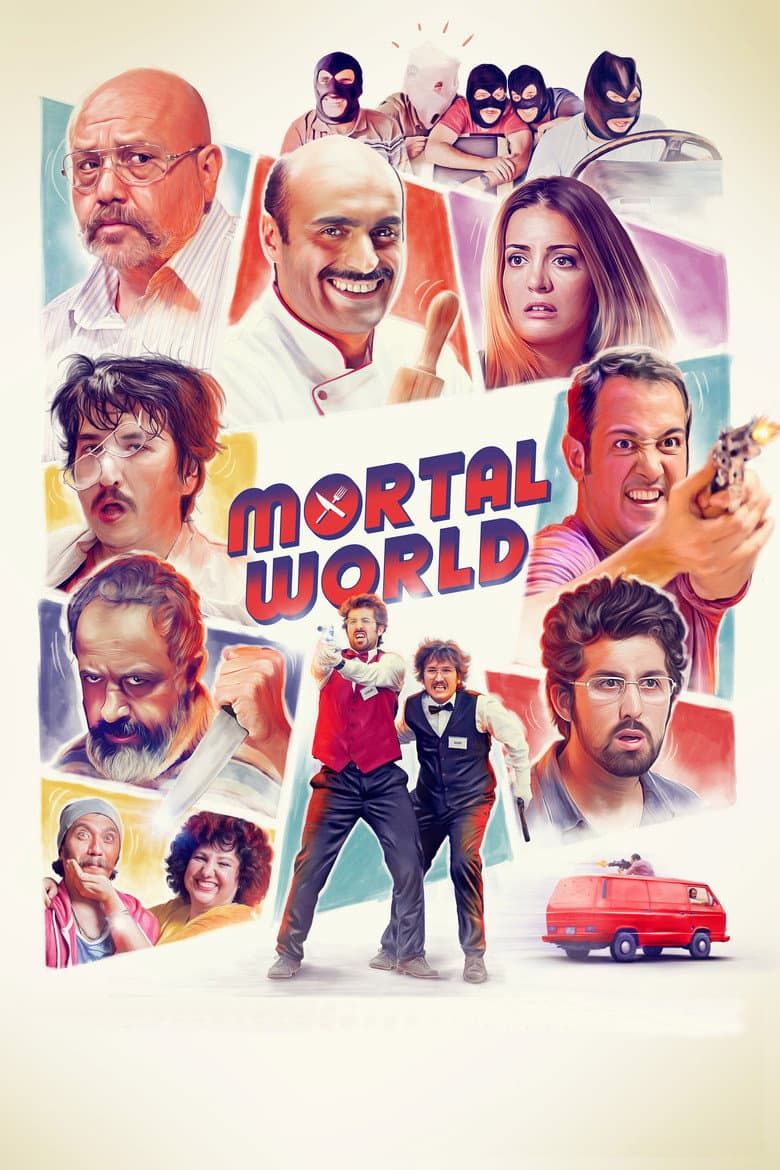
Movie · 2018
Mermer family, who has been managing a restaurant called “Anatolian flavors” in Haydarpasa train station for generations, consist of 8 members.
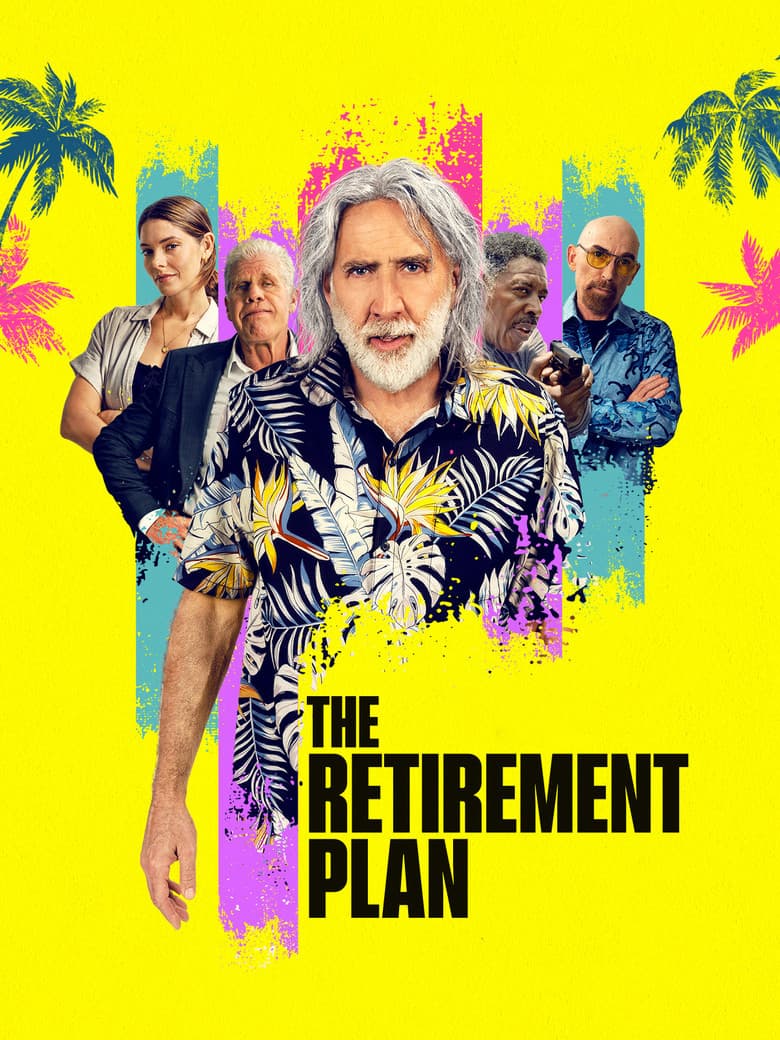
Movie · 2023
When Ashley and her young daughter Sarah get caught up in a criminal enterprise that puts their lives at risk, she turns to the only person who can help: her estranged father…
