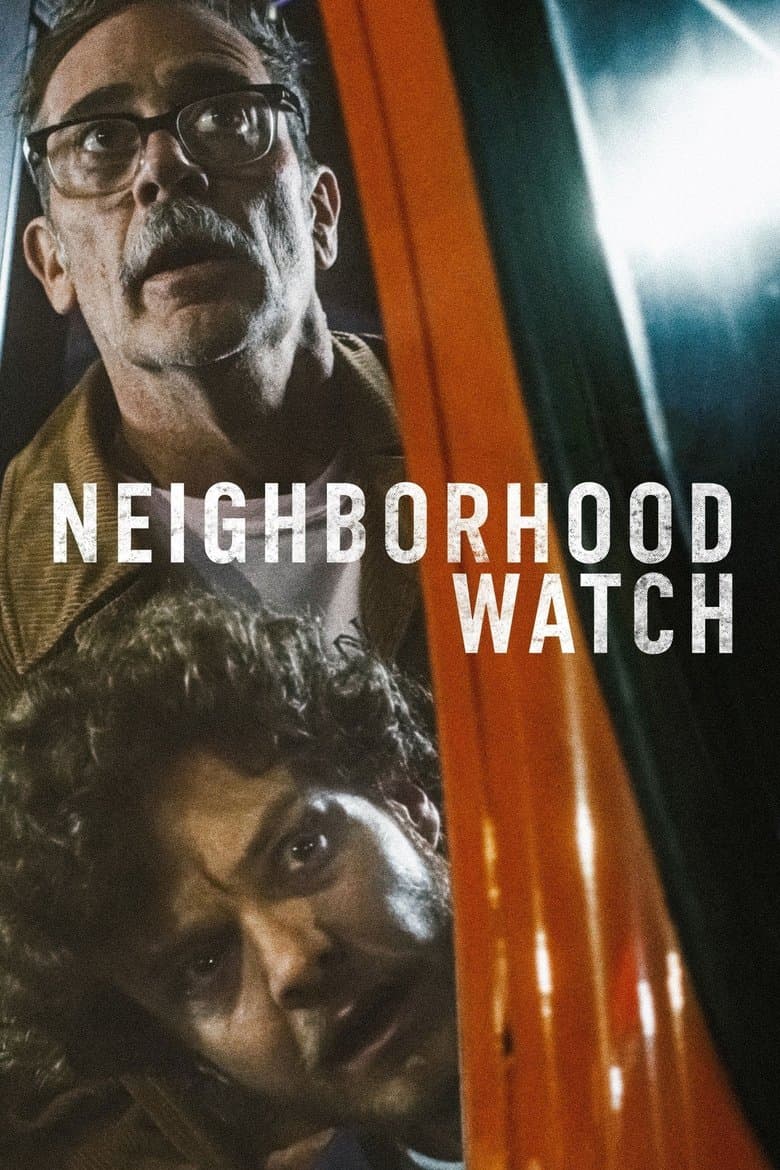
Neighborhood Watch follows Simon McNally, a young man living with serious mental illness after years in a hospital. He thinks he sees a woman forced into a van in Homewood, Alabama, but his past makes the police doubt him. Simon asks Ed Deerman, a bitter retired campus security guard, to help him search for the woman. The film mixes a tense crime mystery with dry humor, violence, and a growing bond between two lonely men.
The movie gives its main attention to Simon’s hallucinations, family pain, and struggle to be trusted. It treats him as a full person who can act bravely, while showing how fear and memory can make his view of events hard to judge. Ed begins as a harsh and lonely man, but their search teaches him to respect Simon and care about his future. Detective Glover first dismisses Simon, then shows concern, and the ending gives their search an emotional payoff.
Community feedback
Was our 1% Woke rating accurate?
Breakdown
These are the editorial factors and ratings behind our score for Neighborhood Watch.
Woke representation / casting
Not present. The film mainly centers on two White men and a White sister, with a female detective and varied background roles. The story and publicity do not make race, gender, disability, or diversity a casting message.
0%
Woke political dialogue
Not present. The dialogue centers on the missing woman, Simon’s symptoms, family pain, and the two men’s search. It does not give activist speeches about politics, identity, or social systems.
0%
Identity-driven story themes
Not present. Simon’s mental illness and past abuse shape his actions, but the story treats them as one man’s personal struggle. The abduction mystery and friendship do not become a message about race, gender, sexuality, or modern identity politics.
0%
Western institutional / cultural critique
Not present. The police first doubt Simon because of his mental health record, which creates the main obstacle. The film later shows Detective Glover as concerned and helpful, so it does not present police or Western institutions as broad enemies.
0%
Woke character or canon changes
Not relevant. The film is an original story with no established characters, source material, or historical figures being changed.
0%
Anti-woke backlash and complaints
Not present. The separate X search found no anti-woke reaction, and web coverage found no credible complaints that the movie pushes woke, DEI, or left-wing politics. Audience talk mostly covers the two leads, mental illness, and the small release.
0%
Creator track record context
Duncan Skiles and Sean Farley have recorded scores of 5/100 and no documented activist work. Greg Lauritano has a recorded score of 18/100 and produced Fairyland, a drama about a queer family and the AIDS era. The other listed producers have scores from 3/100 to 5/100 and no documented identity or activist pattern. This gives the film a very weak creator track record context.
6%
Production
Movie · 2019
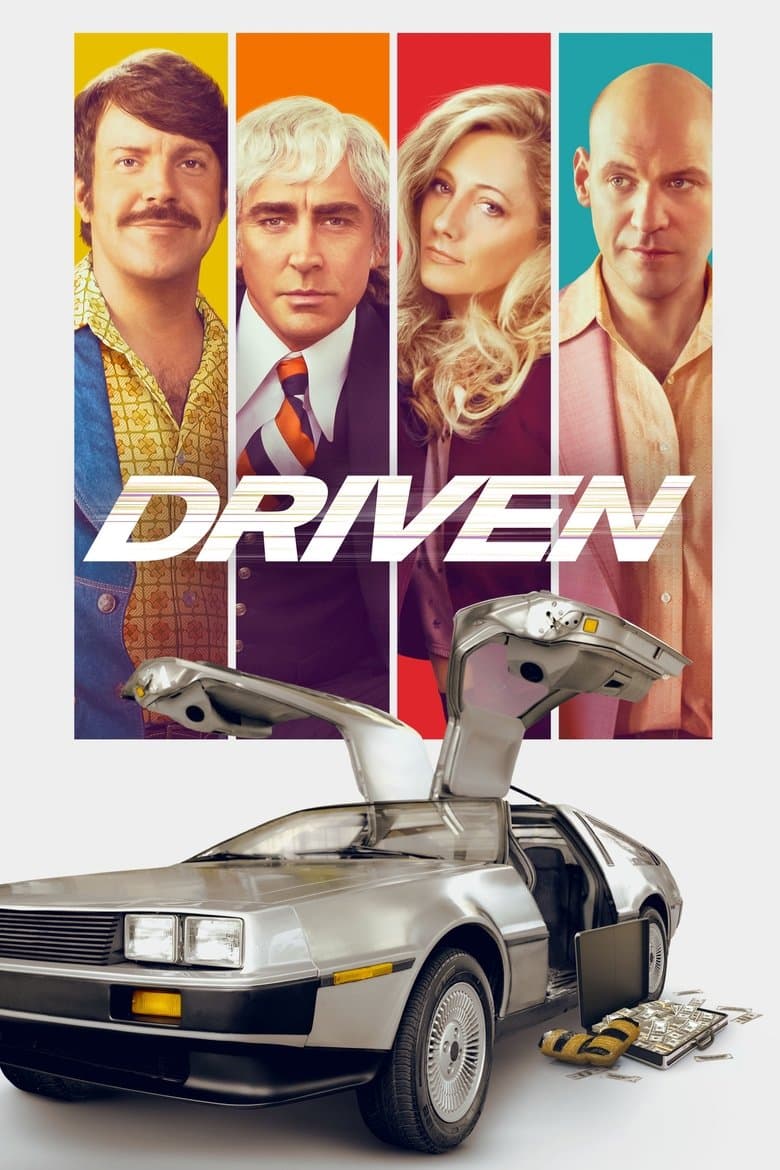
FBI informant Jim Hoffman lures troubled automobile magnate John DeLorean to an undercover sting for cocaine trafficking.
Movie · 2021
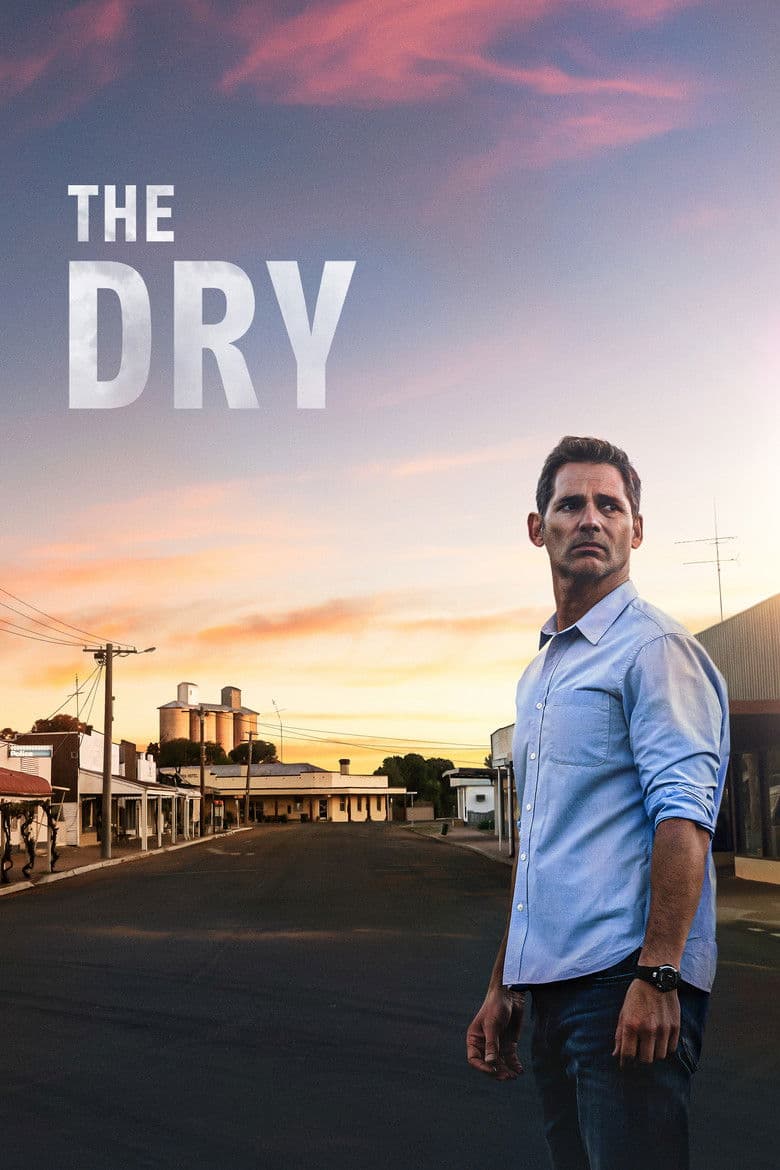
Aaron Falk returns to his drought-stricken hometown to attend a tragic funeral. But his return opens a decades-old wound - the unsolved death of a teenage girl.

Movie · 2019
During the 1980s, a failed stand-up comedian is driven insane and turns to a life of crime and chaos in Gotham City while becoming an infamous psychopathic crime figure.
Movie · 2025
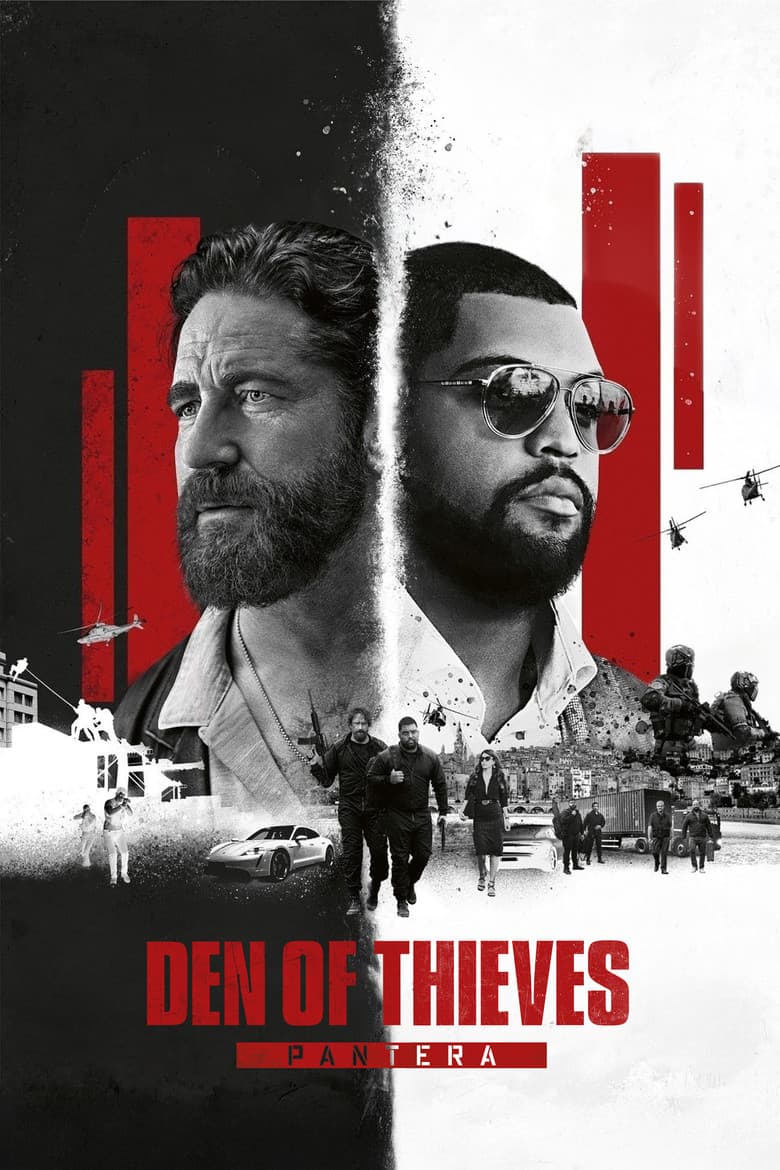
Big Nick is back on the hunt in Europe and closing in on Donnie, who is embroiled in the treacherous and unpredictable world of diamond thieves and the infamous Panther mafia, as…
Movie · 2024
When his family is murdered, a deaf-mute named Boy escapes to the jungle and is trained by a mysterious shaman to repress his childish imagination and become an instrument of…

Movie · 2016
A group of teens break into a blind man's home thinking they'll get away with the perfect crime. They're wrong.
Movie · 2023
A small, wealthy family in New York City gets progressively torn apart by secrets, lies, and the theft that orchestrates all of it.
Movie · 2015
An idealistic FBI agent is enlisted by a government task force to aid in the escalating war against drugs at the border area between the U.S. and Mexico.
