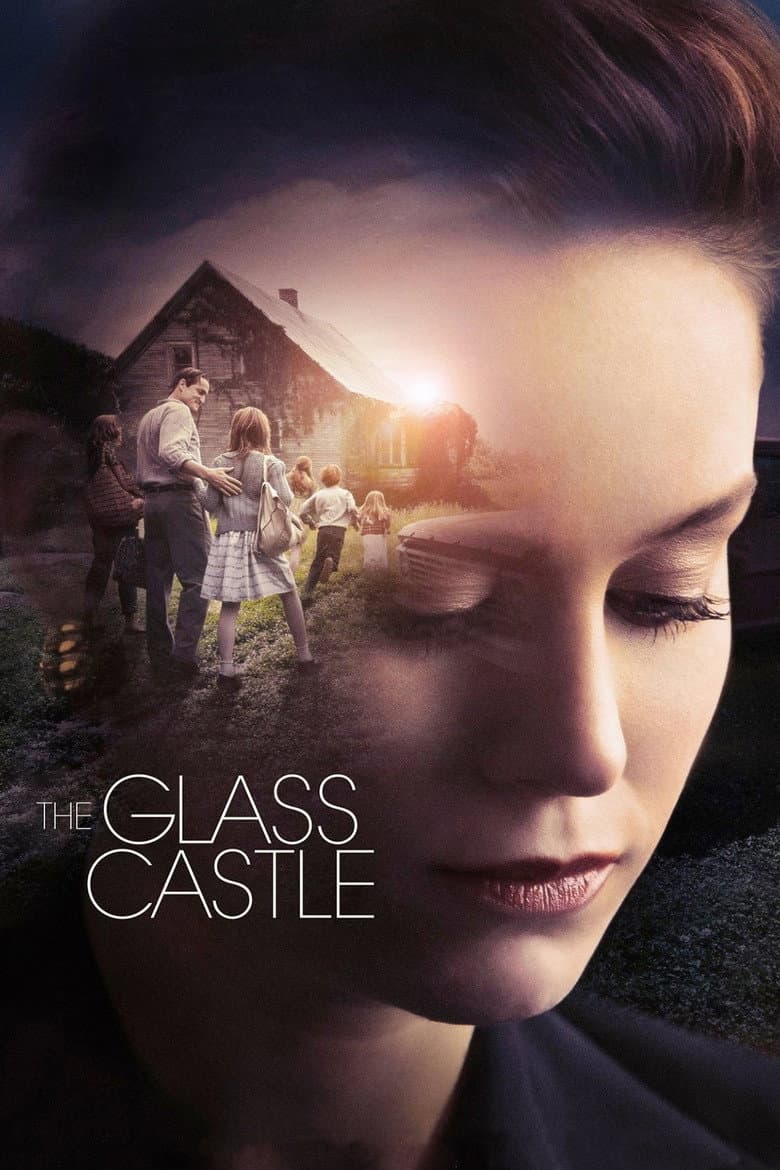
The Glass Castle follows Jeannette Walls from childhood to adulthood. She grows up with three siblings in a poor, nomadic family led by an alcoholic father and a careless mother. The family moves through desert towns, small cities, and Welch, West Virginia, before Jeannette builds a new life in New York. The tone shifts between painful family drama, strange humor, and warm memories.
Jeannette learns to protect herself and her siblings when the adults fail them. Her father teaches science and bold dreams, but his drinking brings fear, hunger, and broken promises. Her mother values art and freedom more than steady parenting. The story focuses on survival, family loyalty, personal independence, and the difficult choice to forgive deeply flawed parents.
Community feedback
Was our 4% Woke rating accurate?
Breakdown
These are the editorial factors and ratings behind our score for The Glass Castle.
Woke representation / casting
Not present. The main family is shown as white because the movie tells Jeannette Walls’s real family story. The film does not use diversity-focused casting language or a repeated identity pattern.
0%
Woke political dialogue
Not present. Characters discuss poverty, family, work, and survival. They do not give modern activist speeches about identity politics.
0%
Identity-driven story themes
Not present. The story centers on family neglect, poverty, independence, and forgiveness. It does not build its message around race, sex, sexuality, or DEI.
0%
Western institutional / cultural critique
Not present. The film shows parents who fail their children and a family that rejects normal rules. It does not attack men, religion, family life, or Western institutions through modern activist messaging.
0%
Woke character or canon changes
Not relevant. The film adapts a real memoir. Its changes, such as expanding Jeannette’s first husband, serve the movie’s structure rather than an identity or political goal.
0%
Anti-woke backlash and complaints
Not present. No anti-woke reaction was found in the separate X research pass. Available complaints focus on abuse, sentimentality, and the film’s handling of the memoir.
0%
Creator track record context
Destin Daniel Cretton’s earlier film Short Term 12 centers empathy for troubled teenagers. Mike Drake has supported inclusion-minded hiring and racial-justice stories. Most other cached creators have little or no activist record, so this context is limited.
18%
Production
Movie · 2017
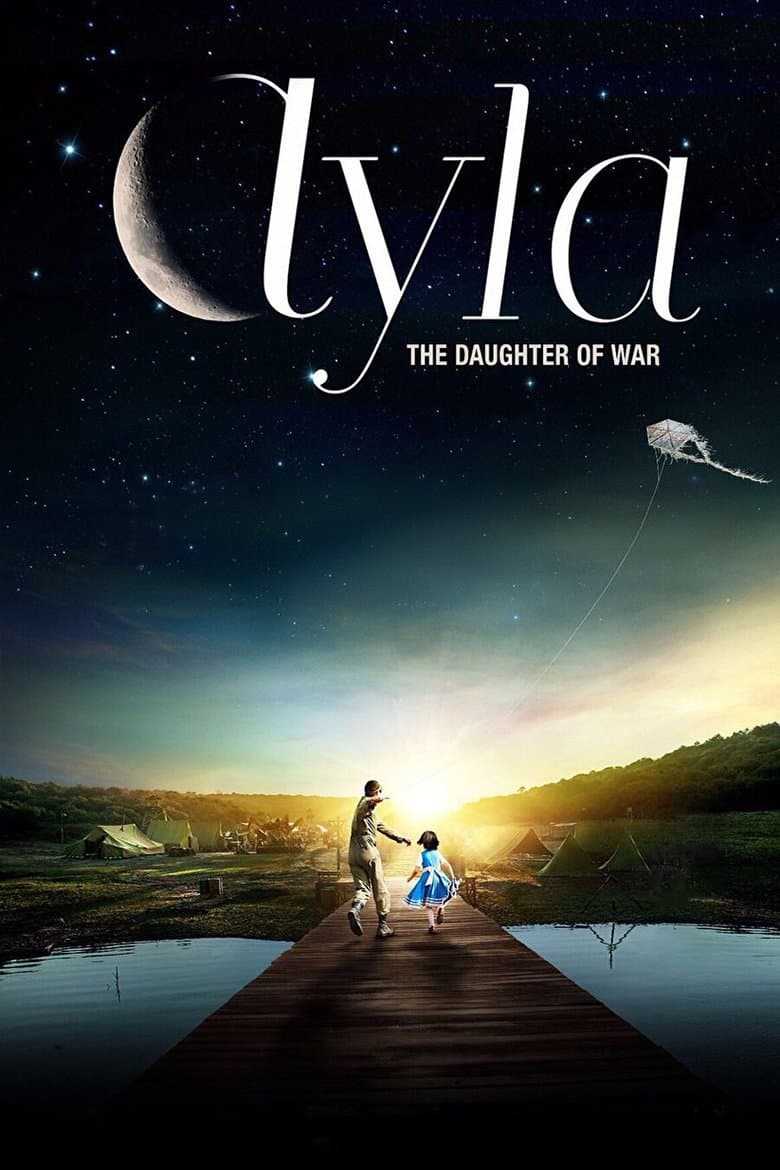
In 1950, amidst the ravages of the Korean War, Sergeant Süleyman stumbles upon a a half-frozen little girl, with no parents and no help in sight and he risks his own life to save…
Movie · 2016
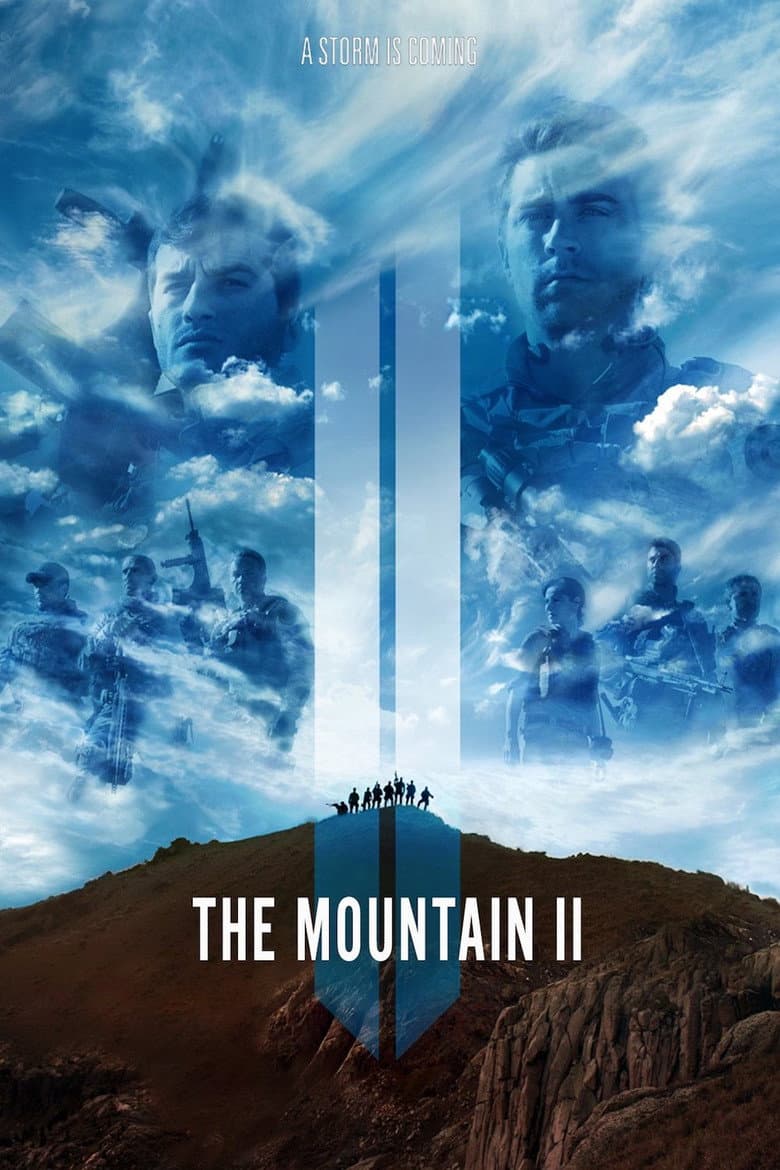
In a desolate war zone where screams of the innocent echo, on the very line between disaster and valor, 7 Maroon Berets will dance with death.
Movie · 2019
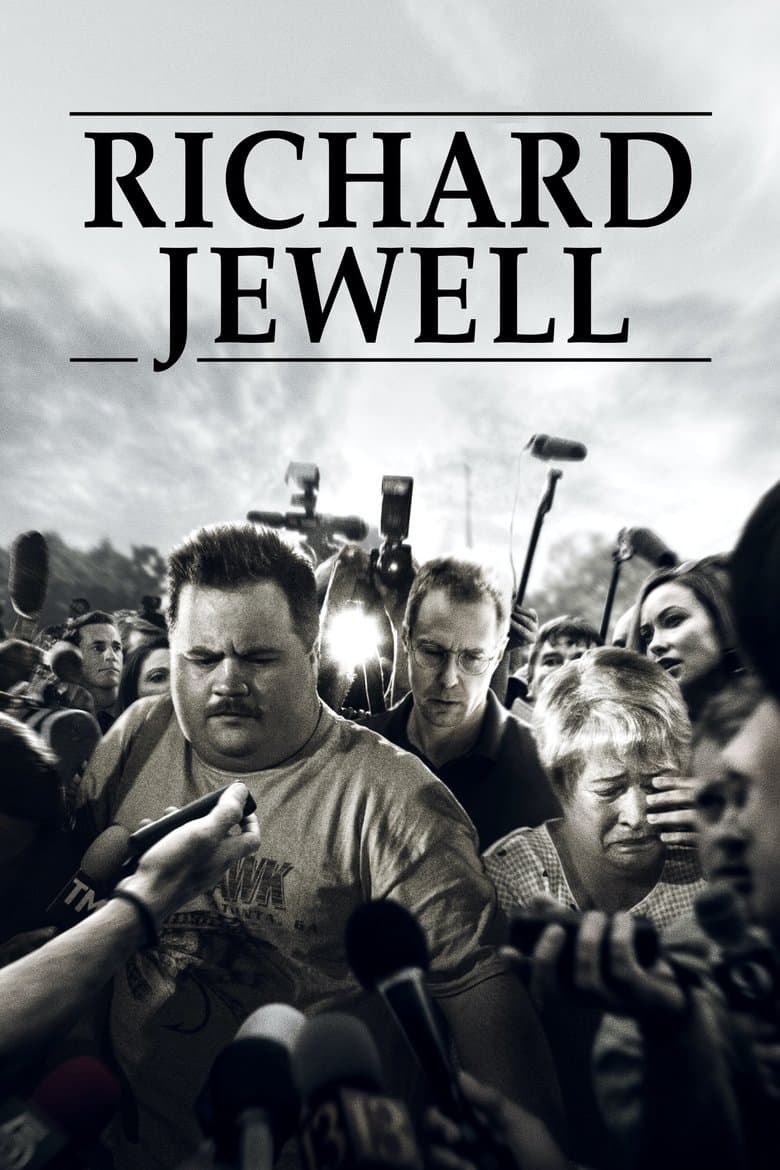
Richard Jewell thinks quick, works fast, and saves hundreds, perhaps thousands, of lives after a domestic terrorist plants several pipe bombs and they explode during a concert…
Movie · 2016
On 15 January 2009, the world witnessed the 'Miracle on the Hudson' when Captain 'Sully' Sullenberger glided his disabled plane onto the Hudson River, saving the lives of all 155…
Movie · 2020
A man refuses all assistance from his daughter as he ages and, as he tries to make sense of his changing circumstances, he begins to doubt his loved ones, his own mind and even…
Movie · 2016
WWII American Army Medic Desmond T. Doss, who served during the Battle of Okinawa, refuses to kill people and becomes the first Conscientious Objector in American history to…
Movie · 2017
Members of the Granite Mountain Hotshots battle deadly wildfires to save an Arizona town.
Movie · 2016
After his older brother passes away, Lee Chandler is forced to return home to care for his 16-year-old nephew.
