
Iris is a New York writer and teacher whose quiet life changes after her friend and mentor Walter dies by suicide. Walter leaves her Apollo, a huge Great Dane, even though her small rent-controlled building bans dogs. Iris tries to find Apollo another home while facing eviction threats, writer's block, and grief. The movie mixes dry humor with sadness as the woman and dog slowly learn to trust each other.
Iris is a single woman in her fifties who does not need a husband, children, or a new romance to give her life meaning. The story questions Walter's charm by showing his affairs with students, several marriages, and the damage he left behind. A writing-class debate asks whether female characters must be extraordinary, and a brief party scene includes a married same-sex couple. These ideas support female independence and criticism of male entitlement, but they remain beside the larger story about grief, memory, writing, and finding a new purpose through Apollo.
Community feedback
Was our 37% Woke rating accurate?
Breakdown
These are the editorial factors and ratings behind our score for The Friend.
Woke representation / casting
Not present. Iris and Walter are White, and the supporting cast fits a modern New York setting. The film does not frame its cast choices as a wider diversity message.
0%
Woke political dialogue
A writing-class scene asks whether a female character can be ordinary instead of exceptional. A male student admits that his female characters mostly appear in sex scenes. Iris and Walter call a fairy tale a rape fantasy during an early talk about Apollo. The film also mentions that Walter left teaching after misconduct reports.
29%
Identity-driven story themes
Iris is a single woman in her fifties who does not need marriage or children to make her life complete. The story treats her choice as valid instead of a problem that must be fixed. The women around Walter compare their different losses and question his treatment of younger students. A brief same-sex married couple appears at a party, but the story does not follow them. Iris also learns to value her own writing instead of living only as Walter's helper, while the film keeps these ideas beside the larger story about grief and Apollo.
34%
Western institutional / cultural critique
Walter is shown as a famous male teacher and writer who slept with students and left several women hurt. The film treats his charm as part of the problem rather than a full excuse. The women in his life discuss his affairs, his misconduct, and the loss of his teaching job. Iris slowly stops treating Walter's work and wishes as more important than her own life. This is a recurring side story, but grief and the dog remain the main focus.
35%
Woke character or canon changes
Not relevant. The movie keeps Iris, Walter, and Apollo as the book's main characters. It does not change a known character's identity or rewrite a real person.
0%
Anti-woke backlash and complaints
Not present. The available reaction focused on the dog, grief, performances, and pacing. The supplied X pass found no anti-woke complaints, boycotts, defenses, or review bombing tied to this film.
0%
Creator track record context
Scott McGehee has a cached score of 22 because a past film made a gay son's identity and family acceptance central. Sigrid Nunez has a cached score of 28 for criticism of Trump and themes about feminism, race, and class. Naomi Watts has a cached score of 69 for public support of transgender youth and LGBTQ rights. David Siegel, Scotty Anderson, and most producers have low cached scores, while Avy Kaufman has a moderate score. This is mixed context, and the film itself is mainly about grief and a dog.
34%
Production
Movie · 2023
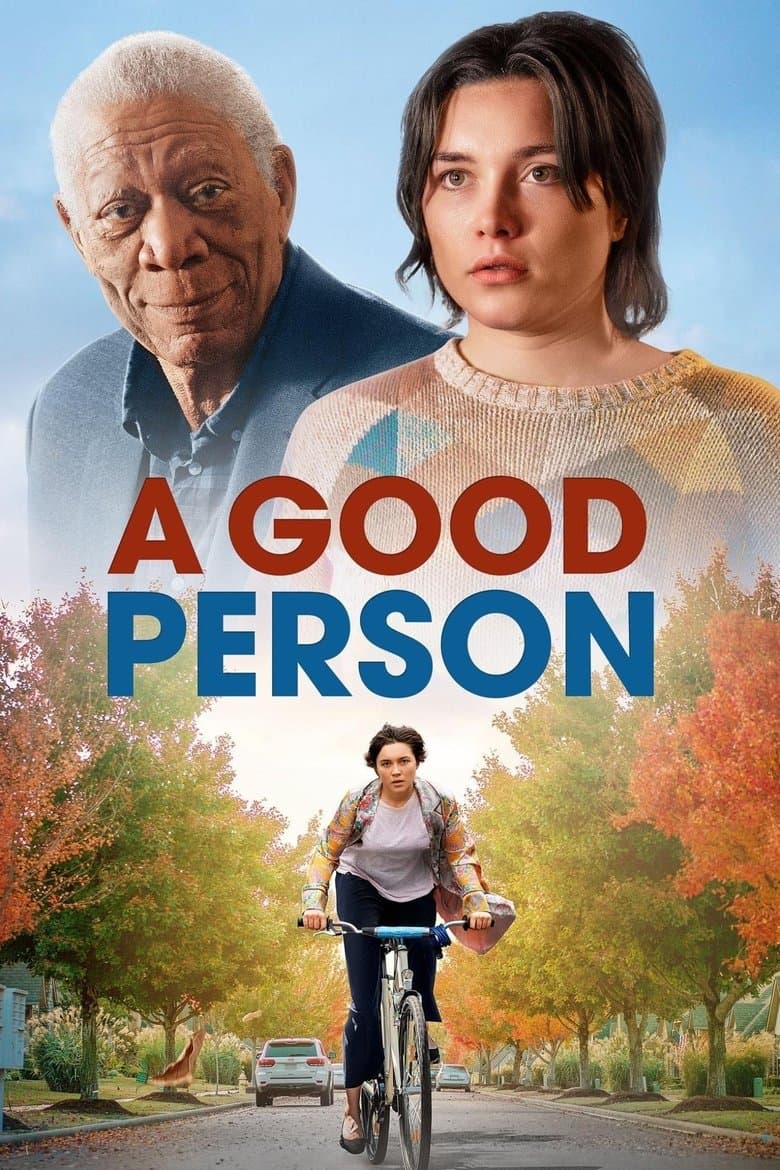
Allison's life falls apart following her involvement in a fatal accident. The unlikely relationship she forms with her would-be father-in-law helps her live a life worth living.

Movie · 2020
Scott has been a case of arrested development ever since his firefighter father died when he was seven. He's now reached his mid-20s having achieved little, chasing a dream of…

Movie · 2025
1984; Michael Larson, an unemployed ice-cream truck driver from Ohio, steps onto the game show "Press Your Luck" harboring a secret: the key to endless amounts of money.
Movie · 2018
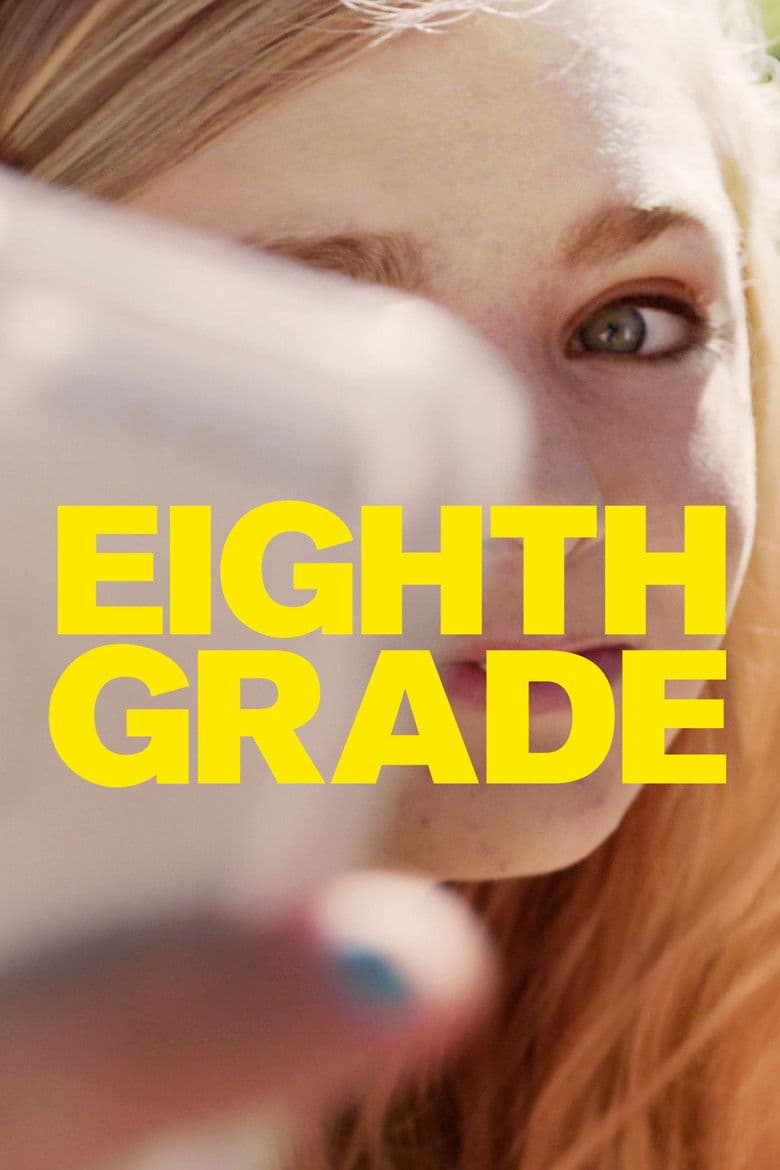
Thirteen-year-old Kayla endures the tidal wave of contemporary suburban adolescence as she makes her way through the last week of middle school — the end of her thus far…

Movie · 2024
Emotions run high when three estranged sisters reunite in a cramped New York City apartment to watch over their ailing father during his final days.
Movie · 2018
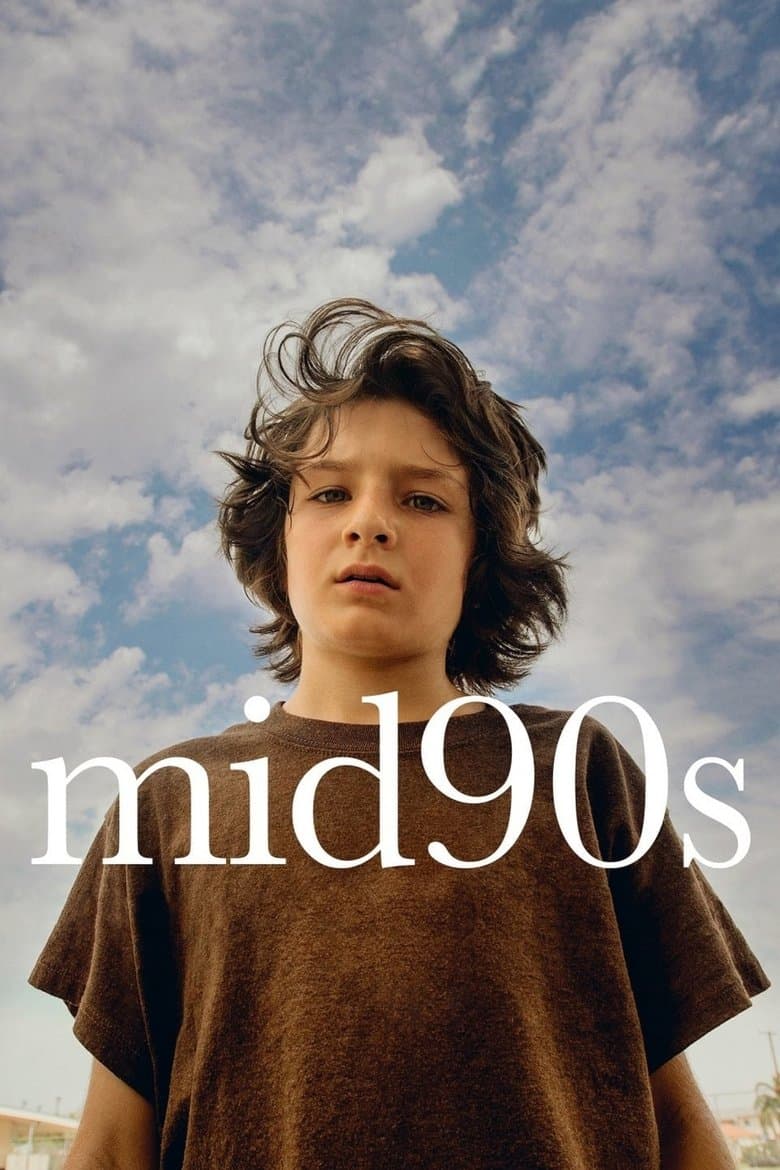
In 1990s Los Angeles, a 13-year-old spends his summer navigating between a troubled home life and a crew of new friends he meets at a skate shop.
Movie · 2025
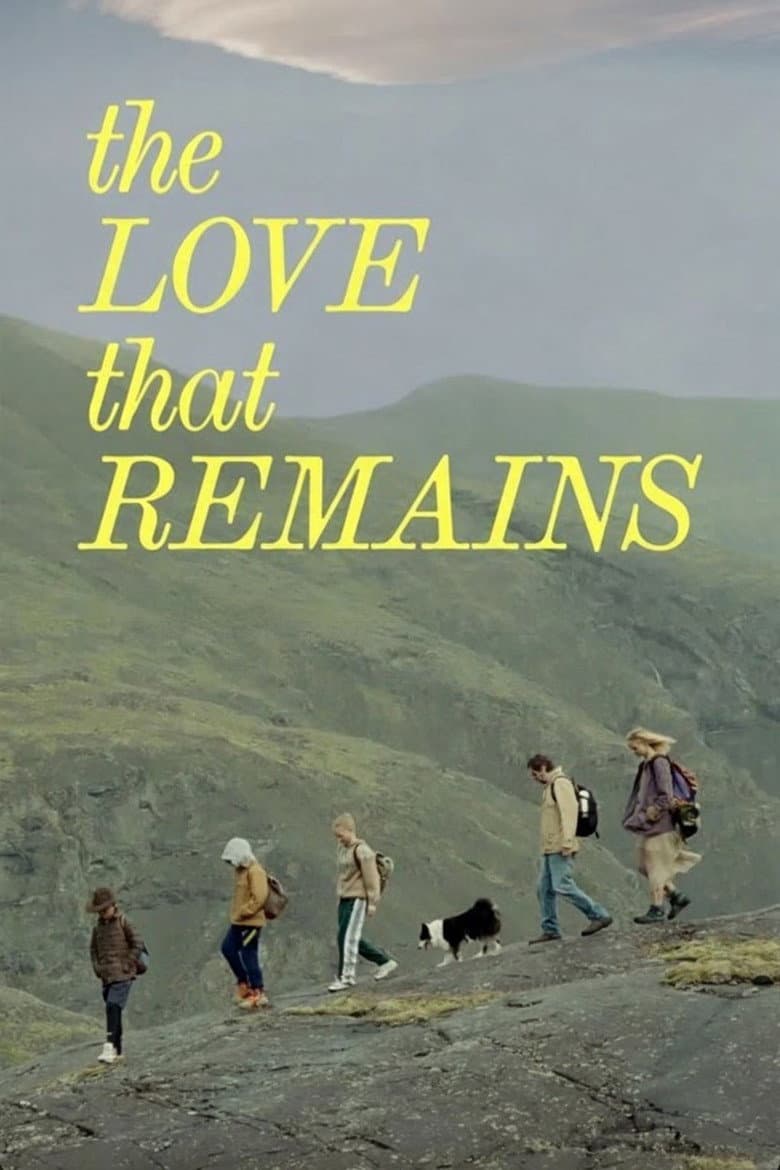
Tenderly captures a year in the life of a family as the parents navigate their separation. Through both playful and heartfelt moments, the film portrays the bittersweet essence of…

Movie · 2019
An unlikely friendship between two neighbors becomes an unexpectedly emotional journey when the younger man is diagnosed with terminal cancer.
