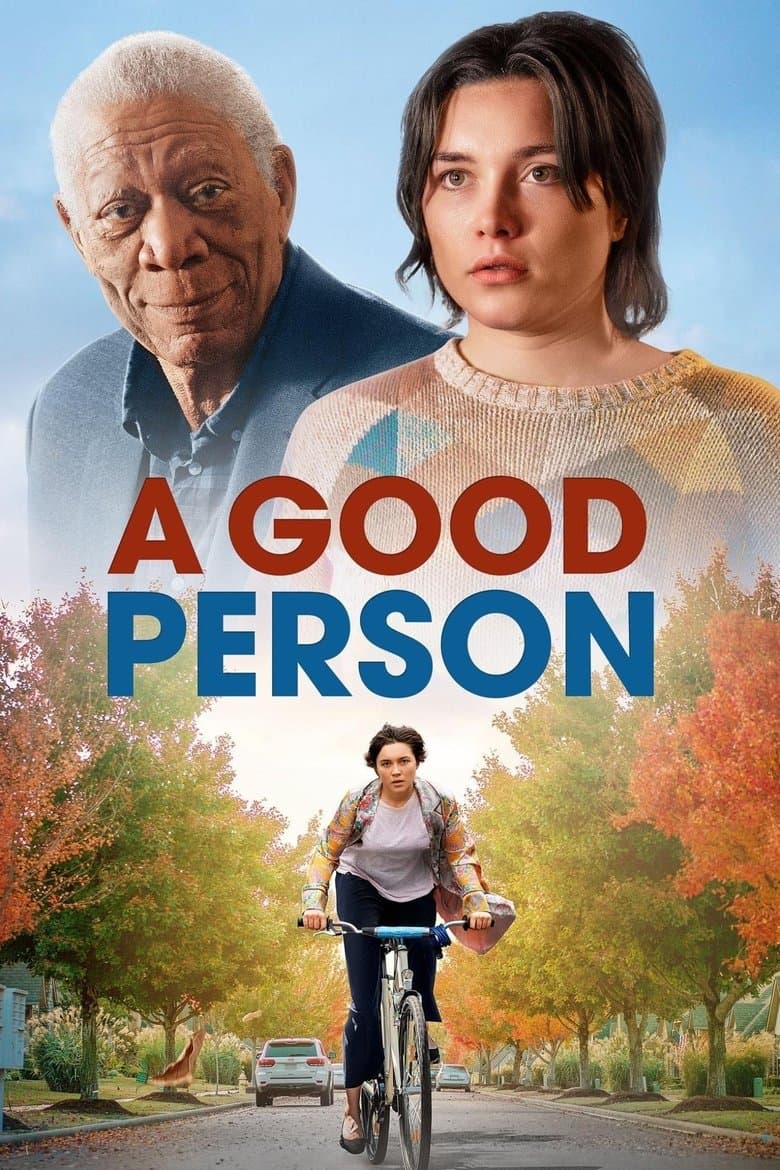
Allison is a young saleswoman for a drug company whose life changes after she looks at her phone while driving and causes a crash that kills her future sister-in-law and her husband. A year later, she lives with her mother and struggles with painkiller and alcohol addiction. Daniel, the dead woman’s father, raises his angry teenage granddaughter Ryan while carrying his own grief and past failures. Allison meets Daniel at an Alcoholics Anonymous meeting, and their tense friendship gives both of them a path toward recovery. The film is a sad, sometimes funny drama about loss, blame, and forgiveness.
The story follows personal guilt, addiction, grief, and the hard work of recovery. Allison is a white woman, while Daniel, Ryan, and Allison’s former fiancé Nathan are black, and their family ties drive the main conflict. Allison is a flawed lead who makes serious mistakes, loses control, and must accept help, so her arc is about responsibility rather than female power. The film also criticizes drug sales rewards that help push pain medicine. Its hopeful ending comes from forgiveness, honest talks, and daily choices to live better.
Community feedback
Was our 7% Woke rating accurate?
Breakdown
These are the editorial factors and ratings behind our score for A Good Person.
Woke representation / casting
Not present. The movie places a white woman beside a mostly black family in a present-day New Jersey story. The cast choices fit the family and setting, and the film does not present them as a diversity message.
0%
Woke political dialogue
Not present. The dialogue deals with grief, drug addiction, family damage, and recovery. The anger at drug sales practices is a warning about pain medicine, not a wider identity or party message.
0%
Identity-driven story themes
Not present. The main arc asks whether Allison and Daniel can accept blame and keep living after terrible loss. Race, gender, sexuality, and representation do not shape the story’s central message.
0%
Western institutional / cultural critique
Not present. The film criticizes drug marketing and shows the damage caused by addiction. It does not turn that issue into a modern activist attack on family, faith, gender roles, or Western culture.
0%
Woke character or canon changes
Not relevant. The film is an original story about fictional people. It does not change established characters, canon, or real historical figures.
0%
Anti-woke backlash and complaints
Not present. The supplied X pass found no anti-woke reaction or named complaints. Web and audience coverage focused on the acting, addiction, grief, and writing.
0%
Creator track record context
Christine Vachon and Pamela Koffler have strong histories of producing queer and social-justice films. Zach Braff and Florence Pugh have milder progressive context in the cached notes. Title-related interviews frame this movie around Braff’s personal grief, opioid addiction, and recovery. The film itself does not use the strongest identity focus seen in the two producers’ past work.
34%
Production

Movie · 2023
Single mom Flora is at a loss about what to do with her rebellious teenage son, Max. Her efforts to keep him out of trouble lead to a beat-up acoustic guitar, a washed-up LA…

Movie · 2019
An unlikely friendship between two neighbors becomes an unexpectedly emotional journey when the younger man is diagnosed with terminal cancer.

Movie · 2020
Four stagnant high school teachers decide to test out a theory that maintaining a constant level of intoxication will improve their overall lives.
Movie · 2024
Pansy is a woman so full of rage that every interaction she has devolves into lashing out, whether at her utterly cowed husband and son, or random strangers who have the temerity…
Movie · 2019
The story of Mötley Crüe and their rise from the Sunset Strip club scene of the early 1980s to superstardom.
Movie · 2017
Matt Ryder is convinced to drive his estranged and dying father Benjamin Ryder cross country to deliver four old rolls of Kodachrome film to the last lab in the world that can…
Movie · 2018
Thirteen-year-old Kayla endures the tidal wave of contemporary suburban adolescence as she makes her way through the last week of middle school — the end of her thus far…
Movie · 2023
A comedy set on New Year’s Eve 1999 in a luxurious hotel in the Swiss Alps where the lives of various guests and those who work for them intersect.
