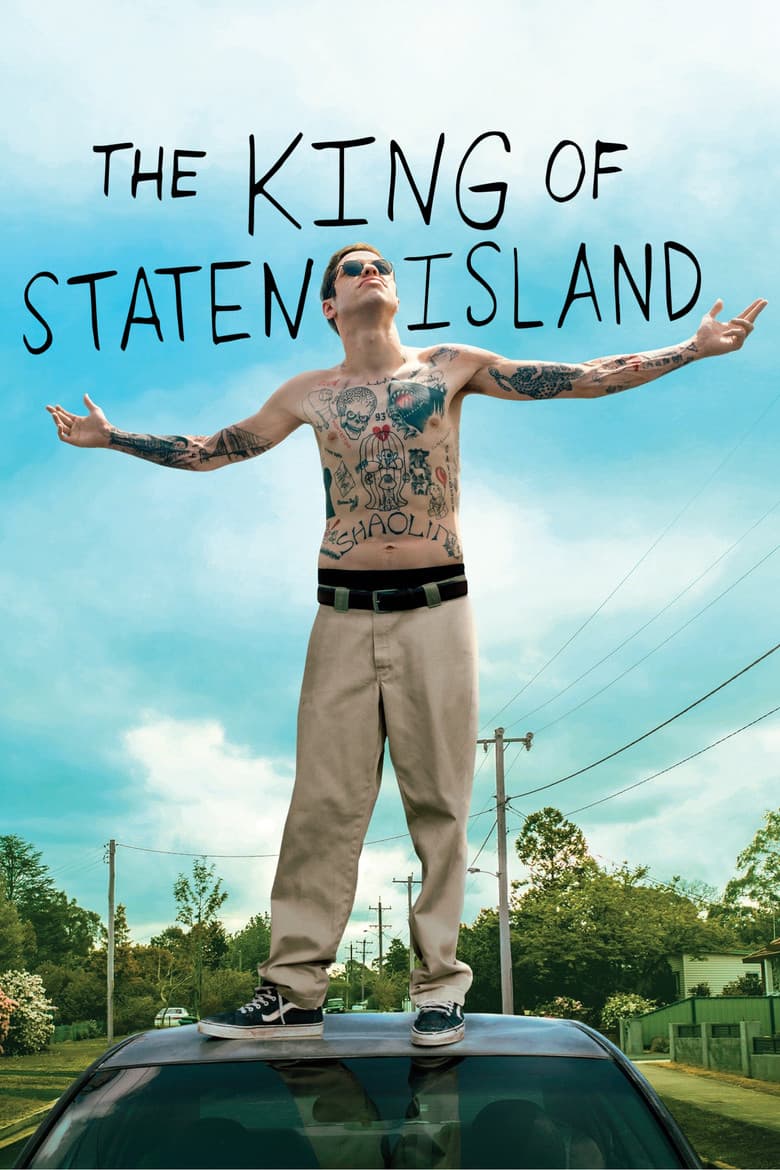
Scott Carlin is a 24-year-old Staten Island man who still lives with his mother after his firefighter father died when Scott was a child. Scott spends his days smoking weed, making bad tattoos, and hanging out with friends while he avoids work and adult duties. His life changes when his sister leaves for college and his mother starts dating Ray, another firefighter. The film mixes rough jokes with family drama as Scott faces grief, anger, and the fear of losing his old life.
The film centers on personal pain rather than public causes or group identity. Scott must stop using his father’s death as a reason to stay stuck and must accept help from his mother, his friends, and the firefighters. Margie sets limits, Kelsey plans a future in city work, and Ray pushes Scott toward useful action. The ending points to work, family ties, and small acts of courage as the way Scott begins to grow up.
Community feedback
Was our 4% Woke rating accurate?
Breakdown
These are the editorial factors and ratings behind our score for The King of Staten Island.
Woke representation / casting
Not present in this title.
0%
Woke political dialogue
Not present. Dialogue stays on personal grief, family fights, crude jokes about sex, drugs, and daily frustrations. No activist speeches, identity arguments, systemic critiques, or modern political lectures appear.
0%
Identity-driven story themes
Not present. The plot follows one man's grief over his father's 9/11 death, mental health struggles, aimlessness, and slow growth through family and relationships. Themes stay individual and personal rather than group identity, oppression narratives, or social justice framing.
0%
Western institutional / cultural critique
Not present. Firefighters and first responders receive respectful, heroic treatment linked to the father's memory and a positive new male role model. The story supports personal responsibility and emotional growth without activist attacks on masculinity, family, institutions, or Western norms.
0%
Woke character or canon changes
Not relevant. This is an original semi-autobiographical story with no established characters, source material, or historical figures changed for ideological reasons.
0%
Anti-woke backlash and complaints
Not present. No meaningful public backlash, social media campaigns, or news coverage accused the film of pushing woke, DEI, identity politics, or left-wing messaging. Discussions stayed on humor, length, and emotional tone.
0%
Creator track record context
Judd Apatow is mainly known for broad raunchy comedies and has little activist pattern. Dave Sirus has made progressive political comments and political satire. Pete Davidson has publicly supported transgender rights and criticized anti-trans remarks. Those facts add a mild creator-context signal, but the film tells a personal grief story rather than an identity campaign.
18%
Production
Movie · 2019
The story of Mötley Crüe and their rise from the Sunset Strip club scene of the early 1980s to superstardom.

Movie · 2020
Four stagnant high school teachers decide to test out a theory that maintaining a constant level of intoxication will improve their overall lives.

Movie · 2019
An unlikely friendship between two neighbors becomes an unexpectedly emotional journey when the younger man is diagnosed with terminal cancer.

Movie · 2016
An improv group deals with several crises, including the loss of their lease and one member hitting the big time.
Movie · 2022
Two lifelong friends find themselves at an impasse when one abruptly ends their relationship, with alarming consequences for both of them.
Movie · 2017
Steve Coogan and Rob Brydon embark on a road trip along the coast of Spain.
Movie · 2018
In 1990s Los Angeles, a 13-year-old spends his summer navigating between a troubled home life and a crew of new friends he meets at a skate shop.
Movie · 2017
Matt Ryder is convinced to drive his estranged and dying father Benjamin Ryder cross country to deliver four old rolls of Kodachrome film to the last lab in the world that can…
