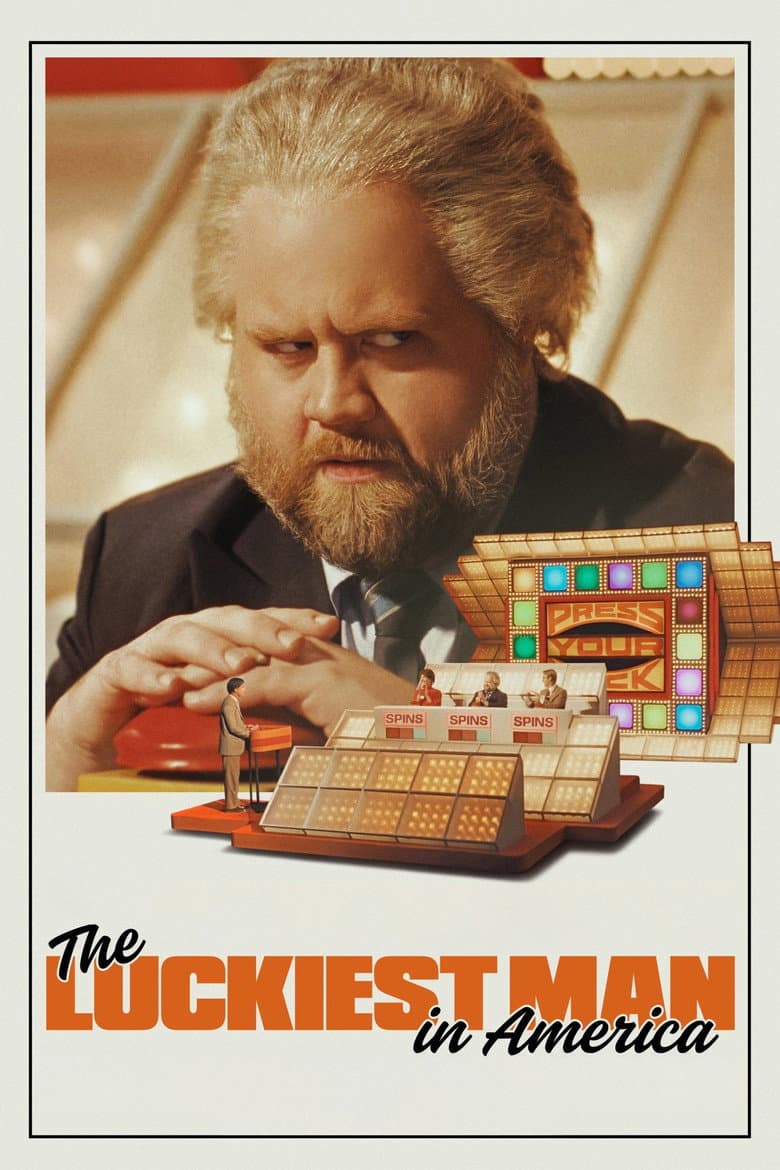
In 1984, Michael Larson drives from Ohio to Los Angeles to appear on Press Your Luck. The jobless ice-cream truck driver has studied the show's flashing board and plans to turn its secret patterns into a fortune. His winning streak soon scares the CBS staff, who must decide whether to stop him or turn his strange success into a hit story. The movie is a tense, odd comedy with a bright 1980s look and a sad family story underneath.
Michael wants the money to reach his wife Patricia and daughter Susie, but his plan also shows that he lies, cheats, and struggles to act like a normal husband and father. The television staff treats him as both a threat and a product, which makes the story an underdog fight against a business machine. The main ideas are luck, skill, family guilt, fame, and the false promise that anyone can get rich. The movie treats Michael as a strange underdog while leaving viewers to decide whether his win is clever, dishonest, or both.
Community feedback
Was our 14% Woke rating accurate?
Breakdown
These are the editorial factors and ratings behind our score for The Luckiest Man in America.
Woke representation / casting
Not present. The film uses a mixed cast for a Los Angeles television studio, including Black workers and white leads. The choices fit the setting and are not presented as a diversity message. No major role is built around identity.
0%
Woke political dialogue
Not present. The film uses lines about the little guy, “the man,” and the American Dream. Those lines support the underdog and media story, but they do not push modern identity, DEI, or activist ideas.
0%
Identity-driven story themes
Not present. Michael's conflict centers on money, family, lying, and fame. The movie does not build its story around race, gender, sexuality, or group rights.
0%
Western institutional / cultural critique
The movie shows CBS executives treating a poor contestant as both a threat and a product. The control room plans to sell him as the little guy who beats “the man” and uses the American Dream as an advertising story. This gives the film a mild anti-corporate message, but it does not attack Christianity, family life, conservatives, or Western culture.
15%
Woke character or canon changes
Not relevant. The film warns that some events and characters are fictionalized, and it changes parts of the true story for drama. No race, gender, sexuality, or hero-role change is clearly documented.
0%
Anti-woke backlash and complaints
Not present. The supplied X pass found no anti-woke complaints. Other public comments focus on pacing, the ending, and historical liberties, not DEI or identity politics.
0%
Creator track record context
Samir Oliveros has a mild record of culturally specific stories, but the supplied context shows no clear activist persona. Maggie Briggs has the strongest link to woke themes through Joyland, which centers a transgender performer and strict gender rules. Amanda Freedman and Paul Walter Hauser have some social or gender context, but neither has a strong identity-politics brand. The casting director also has a diversity-focused professional brand. This supports a modest creator context score, while this film itself stays focused on a game-show scam.
32%
Production

Movie · 2022
Two lifelong friends find themselves at an impasse when one abruptly ends their relationship, with alarming consequences for both of them.
Movie · 2018
Vignettes weaving together the stories of six individuals in the old West at the end of the Civil War. Following the tales of a sharp-shooting songster, a wannabe bank robber, two…

Movie · 2019
An unlikely friendship between two neighbors becomes an unexpectedly emotional journey when the younger man is diagnosed with terminal cancer.

Movie · 2016
An improv group deals with several crises, including the loss of their lease and one member hitting the big time.

Movie · 2017
Matt Ryder is convinced to drive his estranged and dying father Benjamin Ryder cross country to deliver four old rolls of Kodachrome film to the last lab in the world that can…
Movie · 2023
Two mismatched entrepreneurs – egghead innovator Mike Lazaridis and cut-throat businessman Jim Balsillie – joined forces in an endeavour that was to become a worldwide hit in…

Movie · 2020
A once-celebrated kid detective, now 31, continues to solve the same trivial mysteries between hangovers and bouts of self-pity.

Movie · 2024
Mismatched cousins David and Benji reunite for a tour through Poland to honor their beloved grandmother. The adventure takes a turn when the pair's old tensions resurface against…
