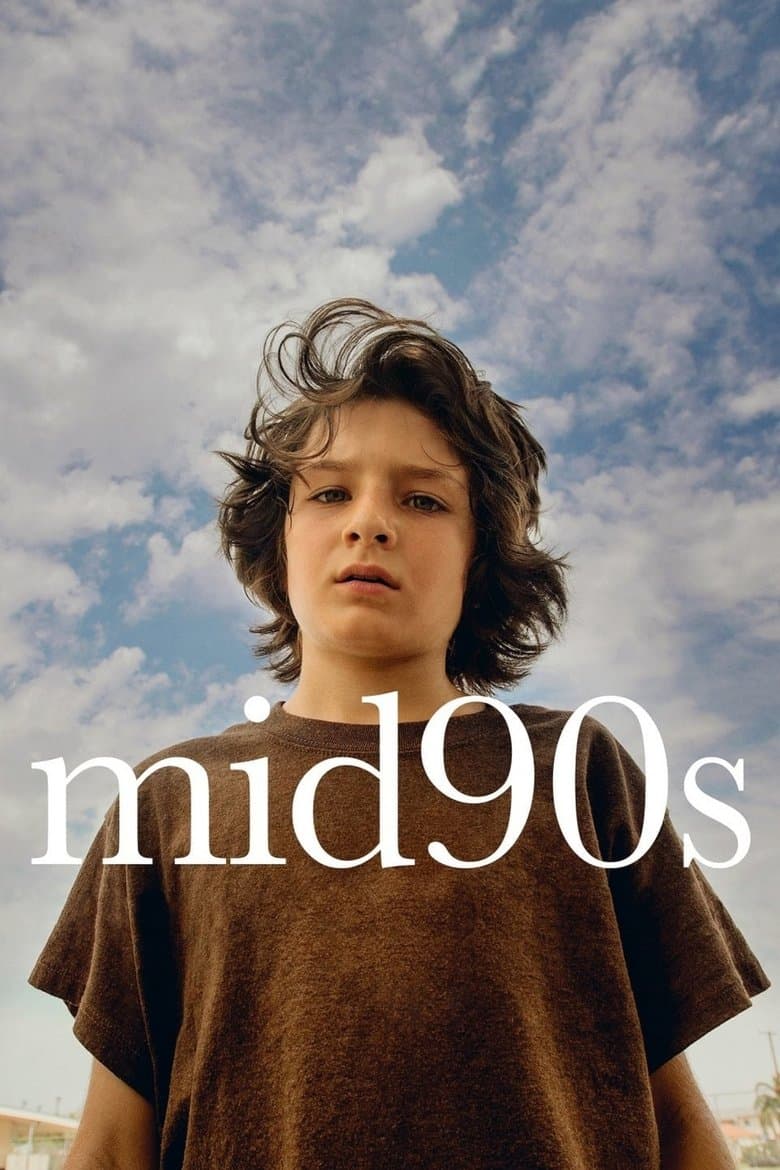
A lonely 13-year-old named Stevie lives in 1990s Los Angeles. His home life is violent and unstable. He escapes into an older Motor Avenue skate crew and finds both belonging and trouble. The story centers on friendship, abuse, risk, and how boys lived in that skate scene. Crude talk, drinking, and sex as status all sit in the period world the film rebuilds.
The movie does not run modern identity politics or DEI campaigning. Multiracial teenage skaters match the real mid-1990s L.A. scene, and women stay scarce by design rather than as empowerment casting. Male peer culture looks violent, shut down, and status-driven around sex. Some viewers notice that ugliness as a critique of how boys treated each other, but the film does not turn into a speech. The main engine remains friendship, danger, and belonging in a skate crew.
Community feedback
Was our 16% Woke rating accurate?
Breakdown
These are the editorial factors and ratings behind our score for mid90s.
Woke representation / casting
Not present. Multiracial teenage skaters in mid-1990s L.A. match the real scene. Hill cast actual skaters for authenticity. Women are scarce by design, not as empowerment or quota casting.
0%
Woke political dialogue
Not present. No activist speeches or modern identity politics. Talk is crude period banter, slurs, and skate-shop chatter.
0%
Identity-driven story themes
Not present. Core arc is friendship, abuse, risk, and belonging in a skate crew, not race, gender, or queer identity as the story engine.
0%
Western institutional / cultural critique
Male peer culture is shown as violent and emotionally shut down. Sex is treated like a status prize among the boys. Press and Hill often framed that ugliness as toxic masculinity and lessons to unlearn. Some viewers notice that tone without the film turning into a lecture.
28%
Woke character or canon changes
Not relevant. This is an original story, not an adaptation of known characters or history.
0%
Anti-woke backlash and complaints
Not present. No meaningful right-leaning or anti-woke campaign called the film DEI propaganda. Debate was mainly progressive discomfort with slurs and the young sex scene.
0%
Creator track record context
Cached scores for Hill, producers, and casting stay low on activism. This title’s press uses progressive talk about toxic masculinity and unlearning. That does not show a broader identity-politics career pattern.
12%
Production
Movie · 2023
Single mom Flora is at a loss about what to do with her rebellious teenage son, Max. Her efforts to keep him out of trouble lead to a beat-up acoustic guitar, a washed-up LA…
Movie · 2018
Vignettes weaving together the stories of six individuals in the old West at the end of the Civil War. Following the tales of a sharp-shooting songster, a wannabe bank robber, two…
Movie · 2019
An unlikely friendship between two neighbors becomes an unexpectedly emotional journey when the younger man is diagnosed with terminal cancer.
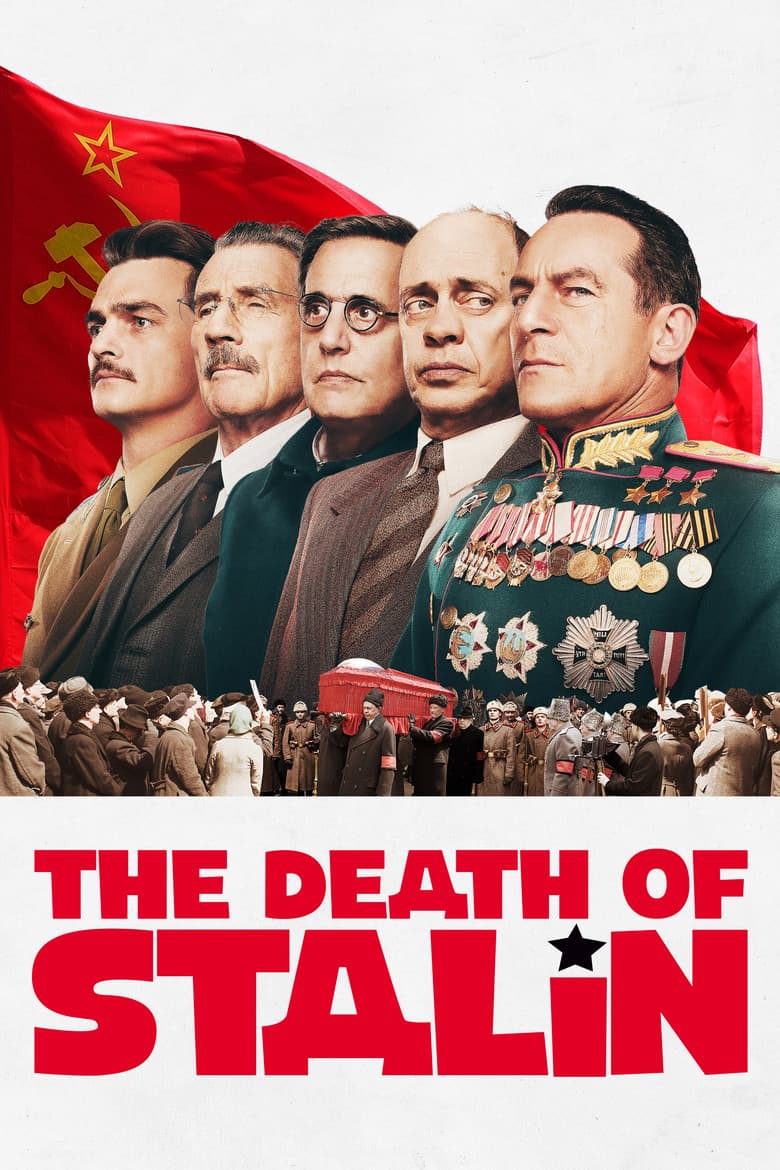
Movie · 2017
When dictator Joseph Stalin dies, his parasitic cronies square off in a frantic power struggle to become the next Soviet leader.
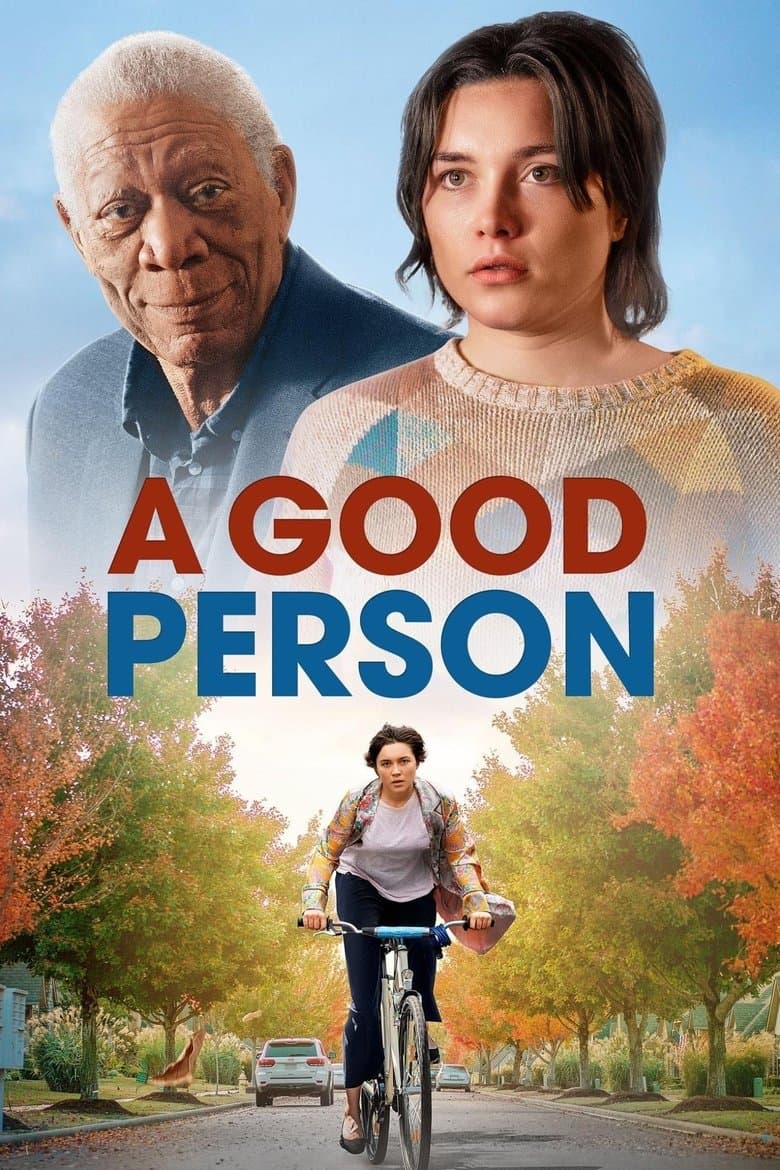
Movie · 2023
Allison's life falls apart following her involvement in a fatal accident. The unlikely relationship she forms with her would-be father-in-law helps her live a life worth living.
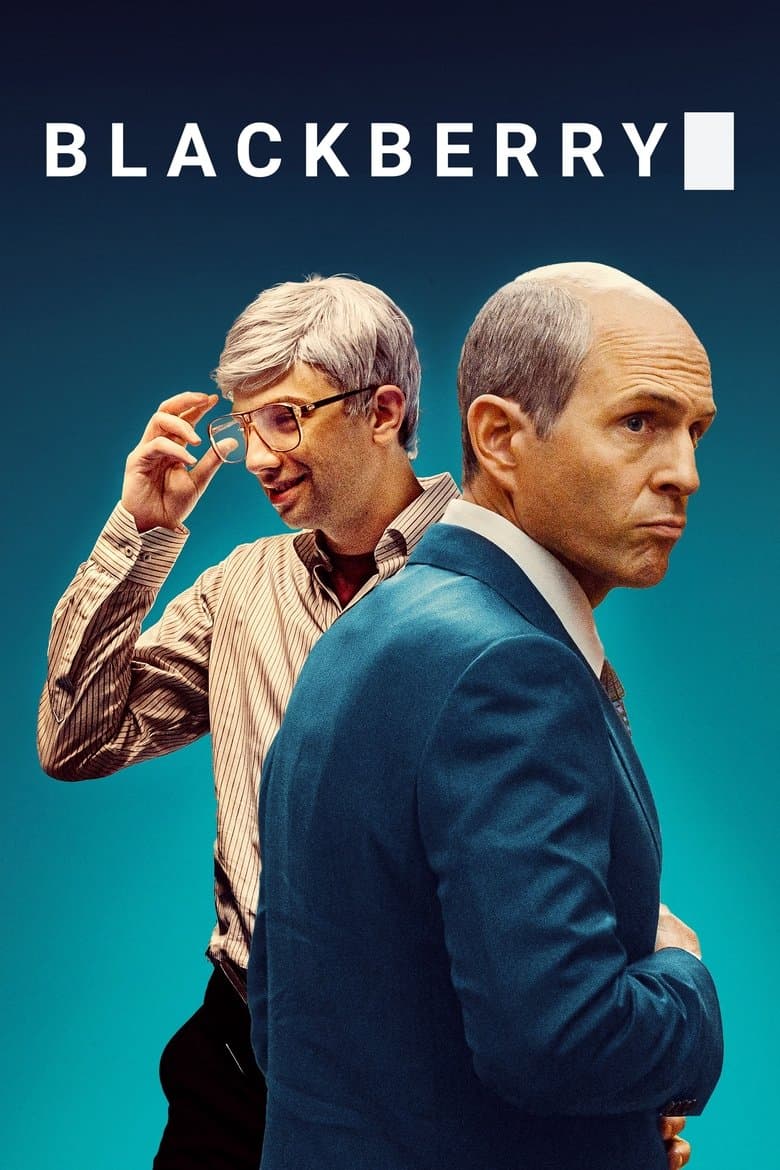
Movie · 2023
Two mismatched entrepreneurs – egghead innovator Mike Lazaridis and cut-throat businessman Jim Balsillie – joined forces in an endeavour that was to become a worldwide hit in…
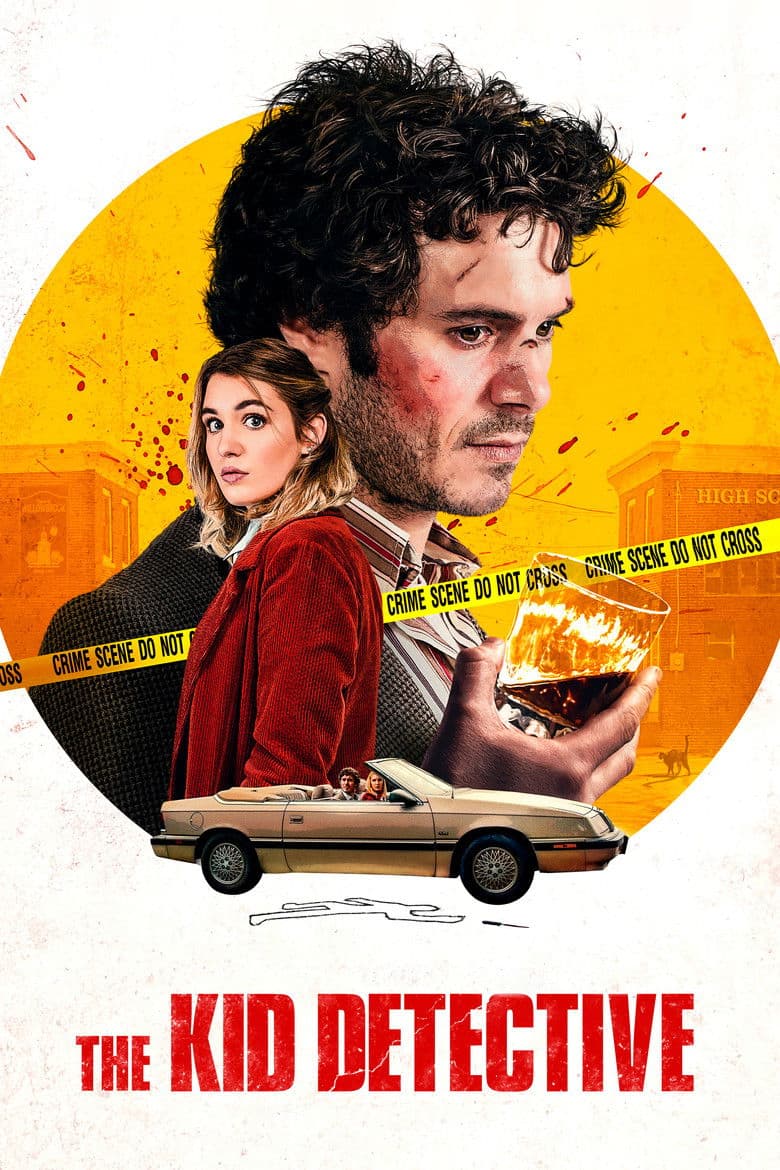
Movie · 2020
A once-celebrated kid detective, now 31, continues to solve the same trivial mysteries between hangovers and bouts of self-pity.
Movie · 2017
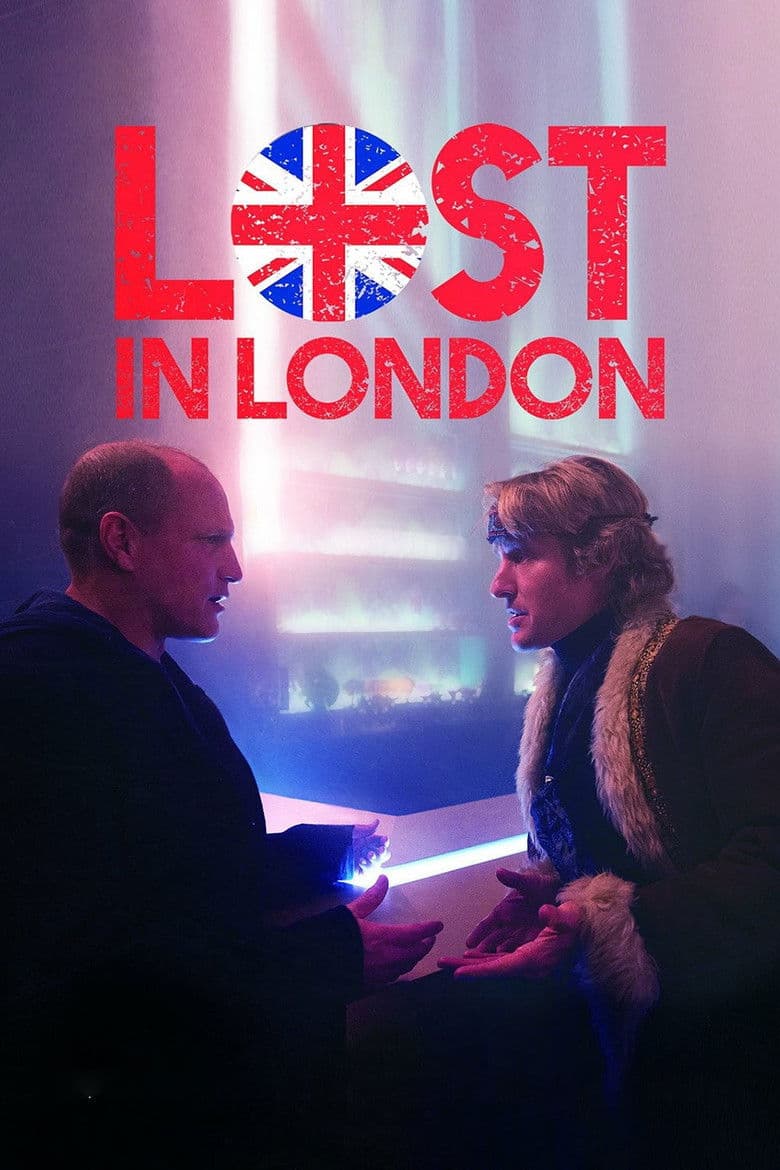
Within the course of a night, Woody Harrelson finds himself in a misadventure in London that winds him up in prison.
