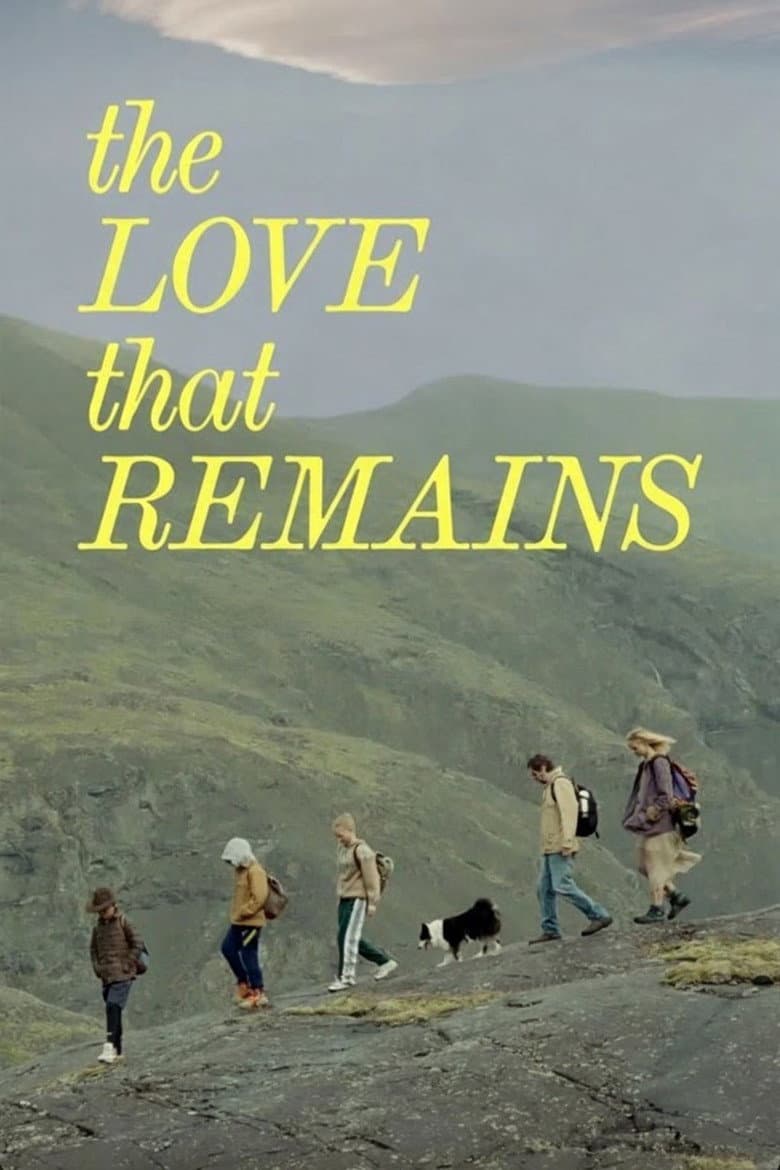
The Love That Remains follows Anna, an artist, and Magnús, a fisherman, through one year in the Icelandic countryside. The couple has separated, but they still share a home, three children, work, memories, and a stubborn bond. Their children and sheepdog move between both parents as the seasons change. The film uses quiet family scenes, strange dreams, dry jokes, and wide views of land and sea to show a breakup that is sad without becoming a loud fight.
The clearest woke element is a repeated focus on masculinity and male behavior. Magnús struggles with loneliness, lost status, sexual frustration, and the fading role of husband and father. His fight with an aggressive rooster, his repeated attempts to win Anna back, his work on a rough fishing boat, and a dream built around a giant rooster turn male pride and desire into recurring material. Anna sets firmer limits and builds her own art life, while the film treats the couple with both criticism and sympathy rather than giving a direct political speech.
Community feedback
Was our 26% Woke rating accurate?
Breakdown
These are the editorial factors and ratings behind our score for The Love That Remains.
Woke representation / casting
Not present. The film centers on an Icelandic family in Iceland, and the children’s roles are played by the director’s own children. The cast does not show an identity-first pattern or a diversity message.
0%
Woke political dialogue
Not present. One art dealer complains that political correctness hides the truth, and a ship captain complains about younger people being too sensitive. Those brief remarks are character talk, not a woke or activist message from the film.
0%
Identity-driven story themes
The film repeatedly examines masculinity inside a breakup story. Magnús feels cut off from his role as husband and father, and his loneliness, sexual frustration, and rough work life shape many scenes. His fight with the rooster, his attempts to regain Anna’s attention, and his giant-rooster nightmare turn male pride and desire into recurring symbols. Anna protects her space and returns to her art, but the film treats both people with sympathy.
30%
Western institutional / cultural critique
The film gives a mild modern critique of male entitlement and old family roles. Magnús keeps pushing for intimacy after Anna rejects him, and his anger toward the rooster becomes a joke about lost manhood. Anna also faces a self-important art dealer while building a separate creative life. These scenes question male pride and relationship habits, but the film does not blame patriarchy, capitalism, religion, or a Western institution.
28%
Woke character or canon changes
Not relevant. The film is an original story about a fictional family, so it does not alter established characters, canon, or real historical figures.
0%
Anti-woke backlash and complaints
Not present. No qualifying backlash was found. The supplied X pass found no anti-woke posts, and broader reviews and audience posts focus on pace, surreal images, and divorce rather than woke, DEI, or identity politics claims.
0%
Creator track record context
Hlynur Pálmason has a mild pattern of exploring masculinity in personal art films. He called this film a playful critique of masculinity and said he is fascinated by basic male needs and experiences. His work is not mainly built around activist, DEI, or identity-first campaigns.
18%
Production
Movie · 2023
Single mom Flora is at a loss about what to do with her rebellious teenage son, Max. Her efforts to keep him out of trouble lead to a beat-up acoustic guitar, a washed-up LA…
Movie · 2023
Leo and Angela Russo live a simple life in Queens, surrounded by their overbearing Italian-American family. When their son finds success on his high school basketball team, Leo…
Movie · 2017
When dictator Joseph Stalin dies, his parasitic cronies square off in a frantic power struggle to become the next Soviet leader.

Movie · 2024
Mismatched cousins David and Benji reunite for a tour through Poland to honor their beloved grandmother. The adventure takes a turn when the pair's old tensions resurface against…
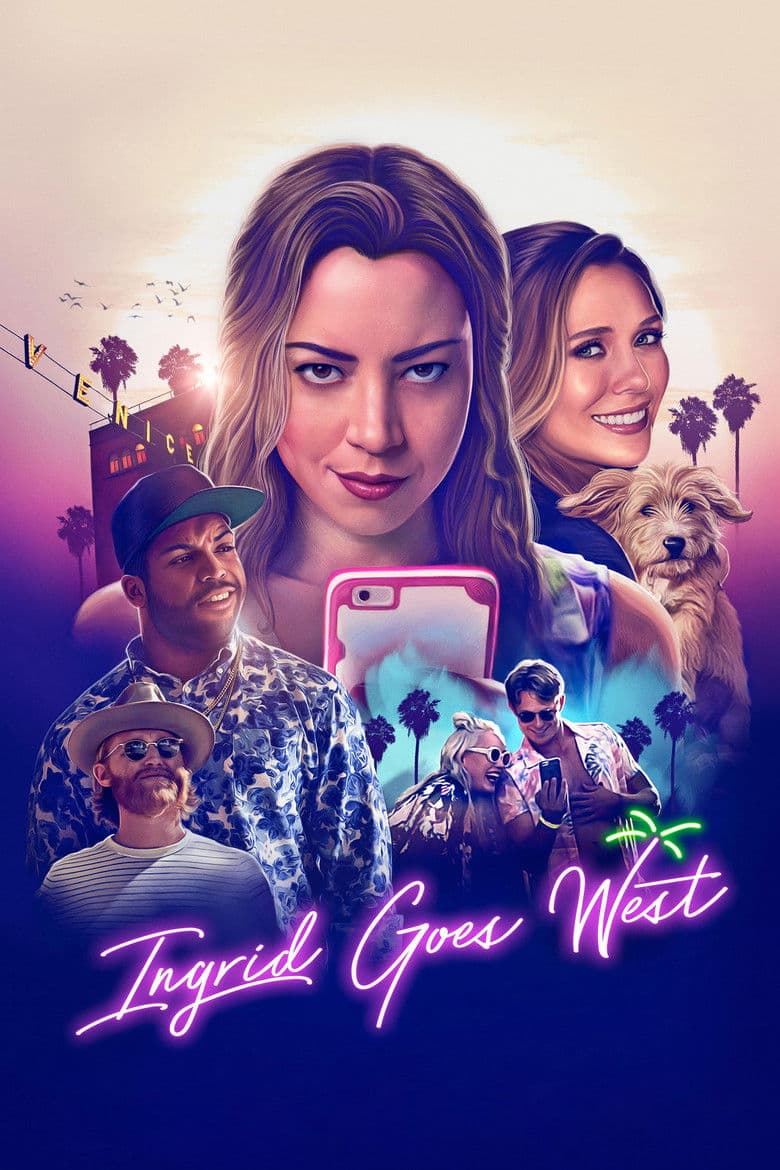
Movie · 2017
Ingrid becomes obsessed with a social network star named Taylor Sloane who seemingly has a perfect life. But when Ingrid decides to drop everything and move west to be Taylor's…
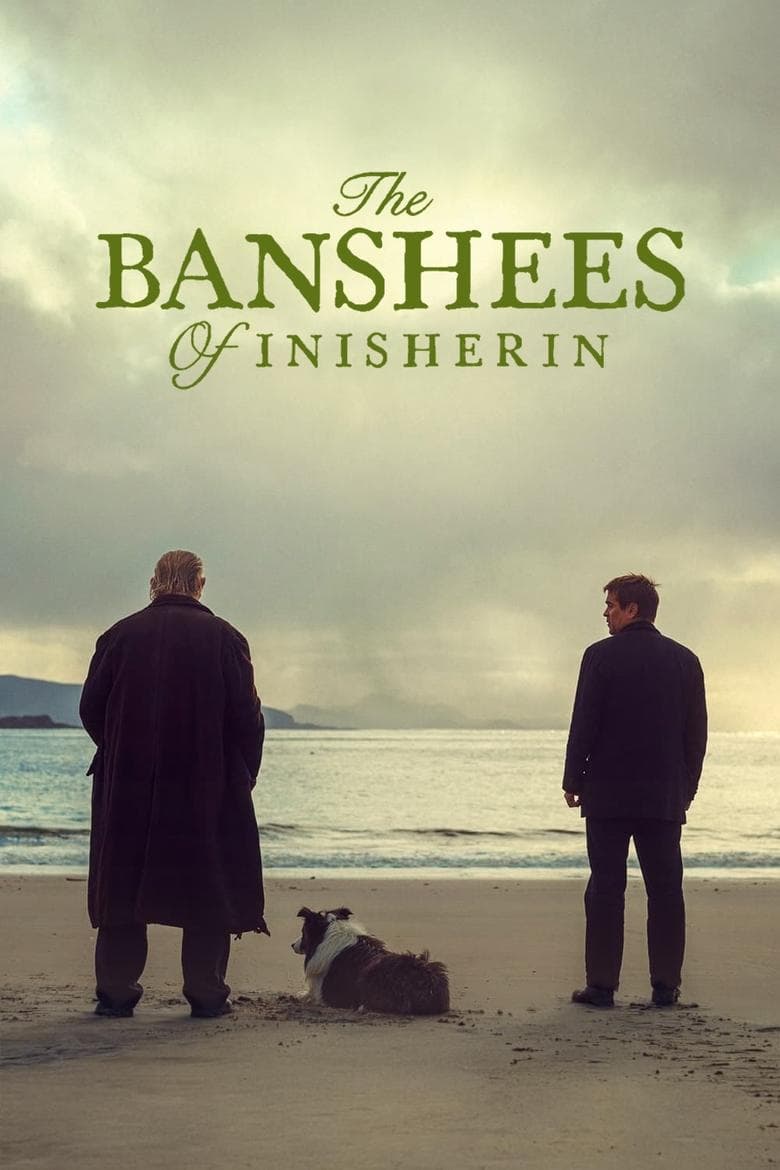
Movie · 2022
Two lifelong friends find themselves at an impasse when one abruptly ends their relationship, with alarming consequences for both of them.
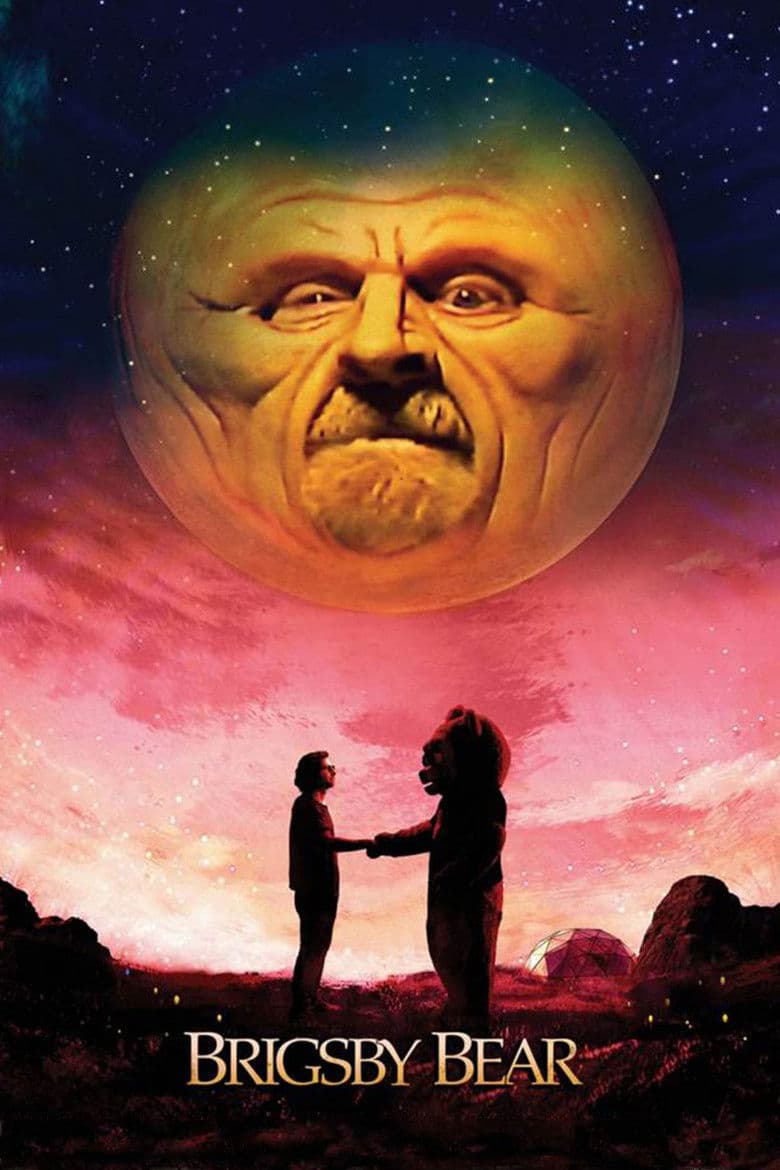
Movie · 2017
Brigsby Bear Adventures is a children's TV show produced for an audience of one: James. When the show abruptly ends, James's life changes forever, and he sets out to finish the…
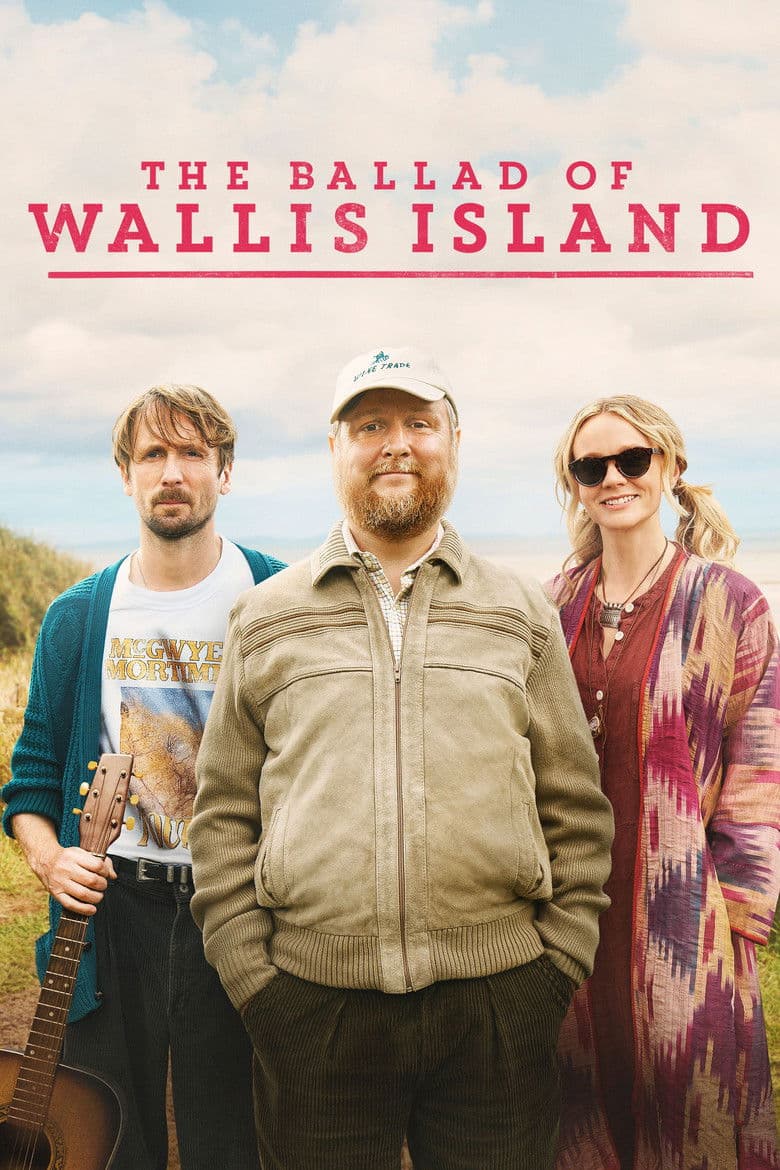
Movie · 2025
An eccentric lottery winner who lives alone on a remote island tries to make his fantasies come true by getting his favourite musicians to perform at his home.
