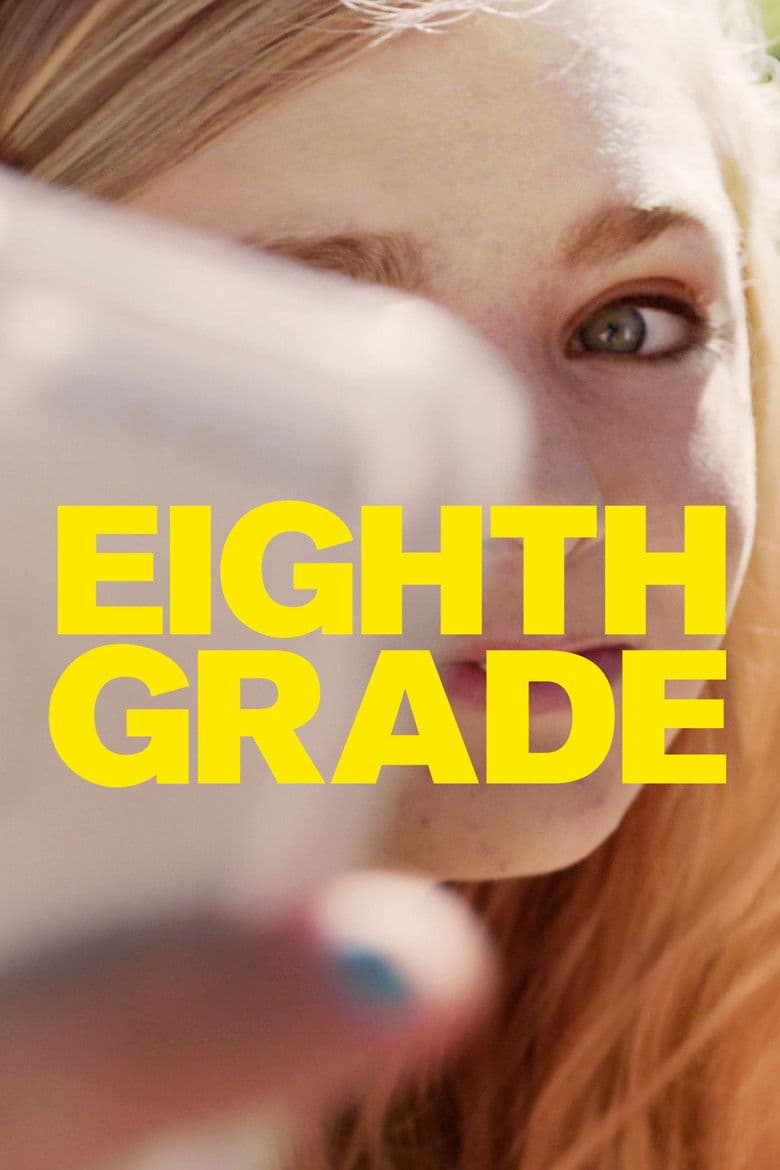
Kayla Day is an anxious thirteen-year-old who posts confident YouTube advice that almost nobody watches. She limps through the last week of a lonely middle-school year while her phone, her panic, and her crush fill most of her days. The film also shows her single dad’s awkward love and one car-ride truth or dare that turns predatory. The main ideas are social media, teen self-consciousness, distance between parent and child, and learning consent the hard way. The story stays personal and close to her daily life.
This is not a film built on party politics, DEI messaging, or identity-swap drama. Talk on screen is teen awkwardness, vlog pep talks, and small talk, not activist slogans. The core remains Kayla’s anxiety and social-media performance, with a coercive older-boy scene that many viewers link to consent awareness. Soft notes include sex ed that never prepares her for real pressure, phones as isolating noise, and a matter-of-fact school-shooter drill. Her father is caring and central, not framed as a toxic patriarch.
Community feedback
Was our 18% Woke rating accurate?
Breakdown
These are the editorial factors and ratings behind our score for Eighth Grade.
Woke representation / casting
Not present. Contemporary suburban New York middle school with a white lead and dad and ordinary mixed-race classmates that match a normal public-school mix, not a quota-style diversity push.
0%
Woke political dialogue
Not present. Dialogue is teen awkwardness, vlog pep talks, and small talk with no activist monologues, identity slogans, or political lectures.
0%
Identity-driven story themes
The core story is Kayla’s anxiety, social media performance, and a coercive older boy scene. Many viewers and critics connect that scene to consent awareness. Burnham also chose a girl lead after finding teen girls’ vlogs more open. That is a light progressive gender and consent flavor inside a personal coming-of-age film, not a race or queer identity plot.
20%
Western institutional / cultural critique
The film lightly shows sex ed that never prepares Kayla for real pressure. Phones and social media act as isolating background noise, and a school shooter drill appears as ordinary school life. Father Mark is caring and central, not a toxic patriarch target. There is no anti-Christian or broad anti-Western thesis.
12%
Woke character or canon changes
Not relevant. as an original screenplay with no source characters or historical figures rewritten for identity politics.
0%
Anti-woke backlash and complaints
Not present. No sustained anti-woke campaign treating the film as DEI propaganda. Friction was mainly the R rating and whether middle-schoolers should see it, not ideology charges.
0%
Creator track record context
Writer-director Bo Burnham is known for anxiety, internet culture, and meta-comedy rather than activist filmmaking. Producers and casting directors are described as low in social-justice creative-team profiles. That is supporting context, not a social-justice driven team.
24%
Production
Movie · 2017
Matt Ryder is convinced to drive his estranged and dying father Benjamin Ryder cross country to deliver four old rolls of Kodachrome film to the last lab in the world that can…
Movie · 2017
When dictator Joseph Stalin dies, his parasitic cronies square off in a frantic power struggle to become the next Soviet leader.
Movie · 2018
Vignettes weaving together the stories of six individuals in the old West at the end of the Civil War. Following the tales of a sharp-shooting songster, a wannabe bank robber, two…

Movie · 2023
Single mom Flora is at a loss about what to do with her rebellious teenage son, Max. Her efforts to keep him out of trouble lead to a beat-up acoustic guitar, a washed-up LA…
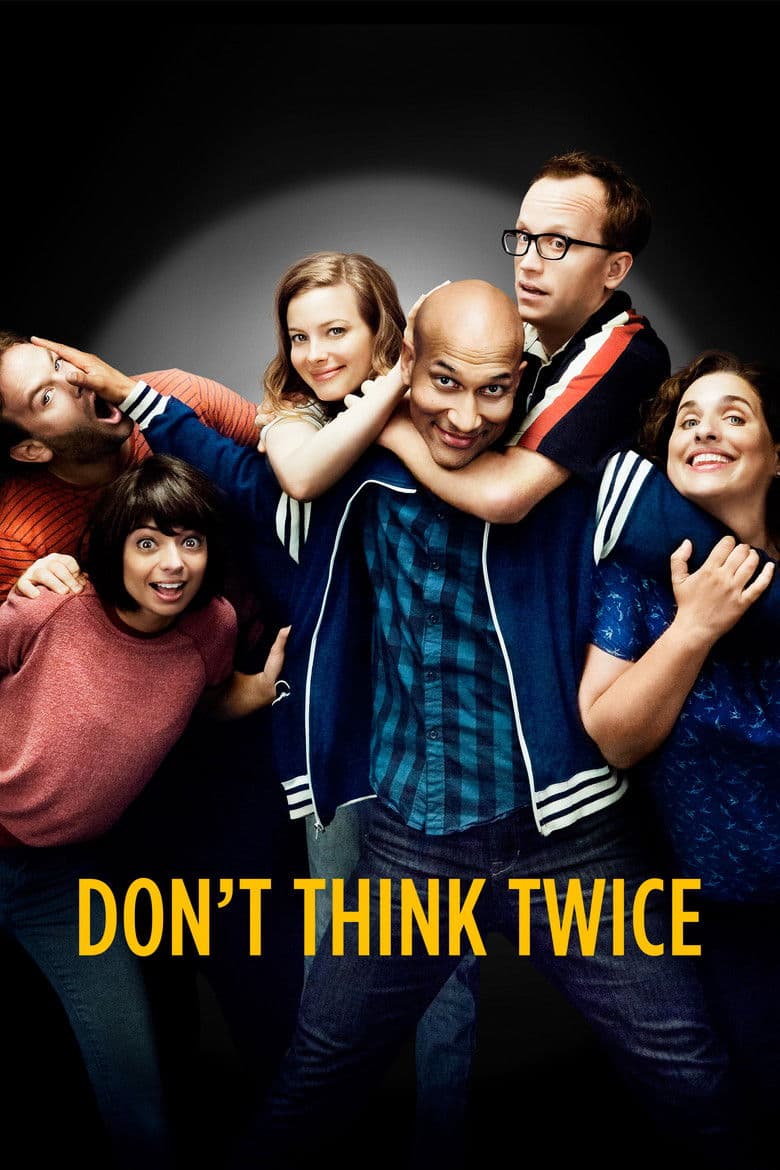
Movie · 2016
An improv group deals with several crises, including the loss of their lease and one member hitting the big time.
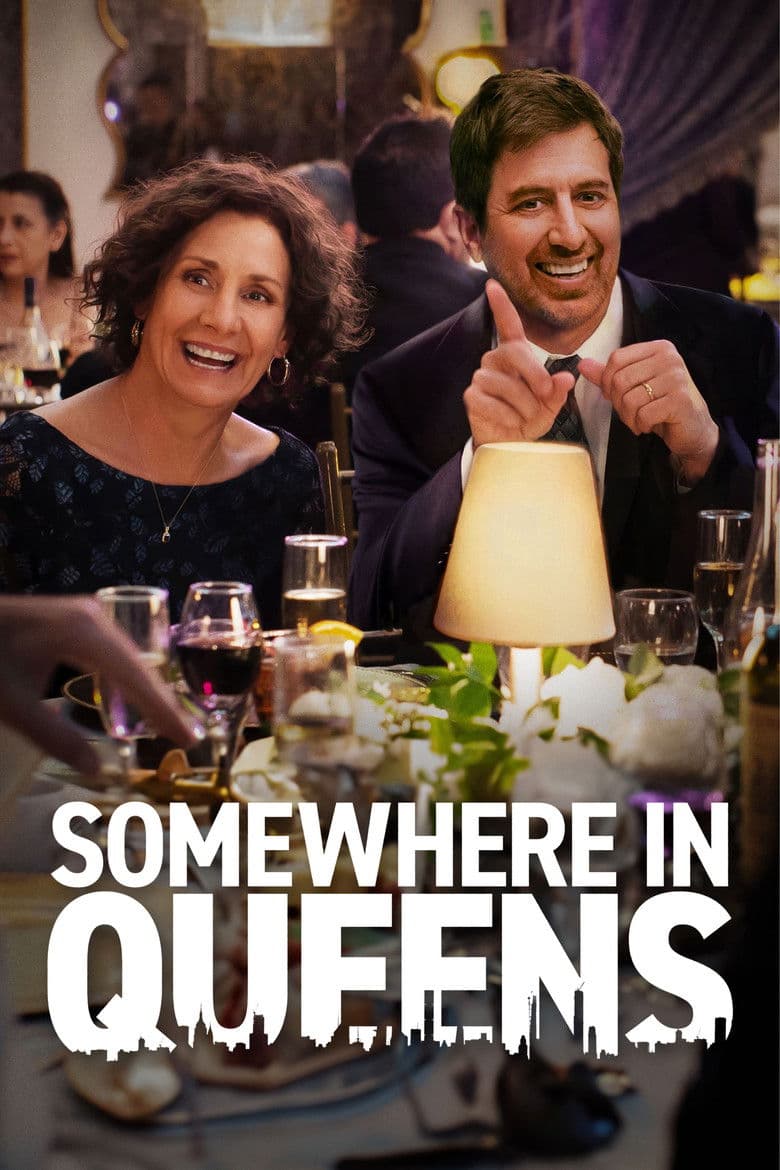
Movie · 2023
Leo and Angela Russo live a simple life in Queens, surrounded by their overbearing Italian-American family. When their son finds success on his high school basketball team, Leo…
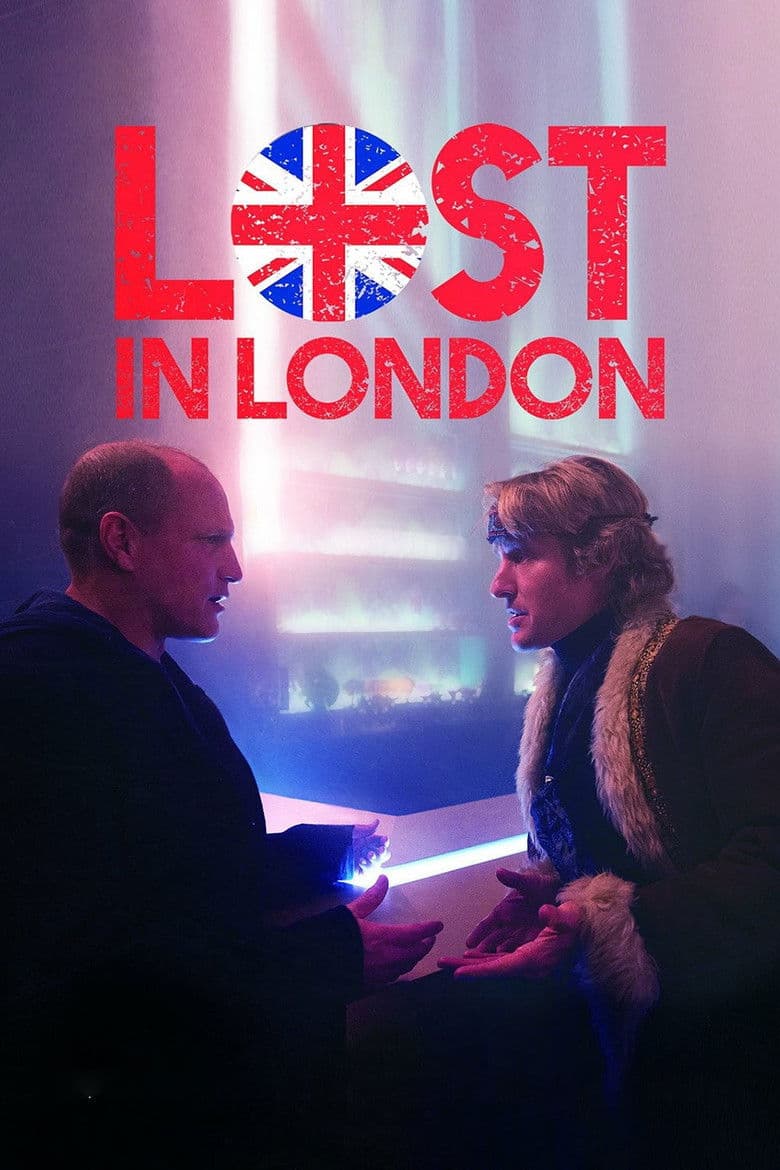
Movie · 2017
Within the course of a night, Woody Harrelson finds himself in a misadventure in London that winds him up in prison.
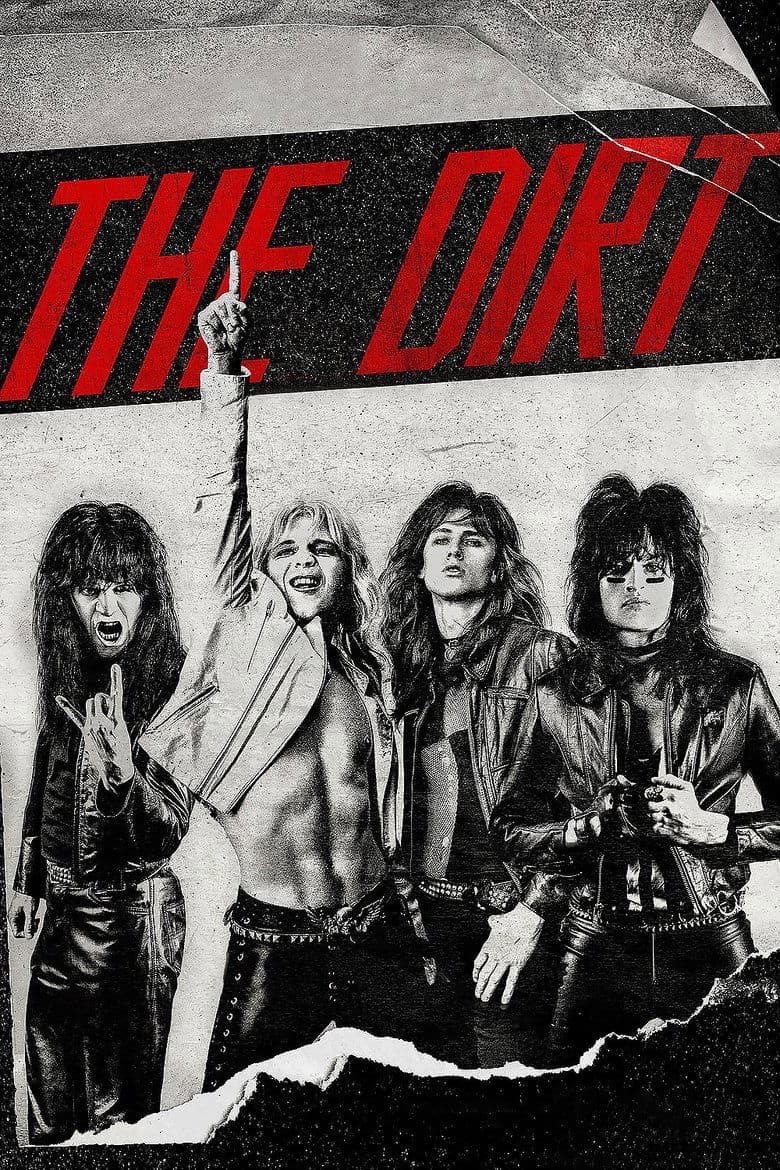
Movie · 2019
The story of Mötley Crüe and their rise from the Sunset Strip club scene of the early 1980s to superstardom.
