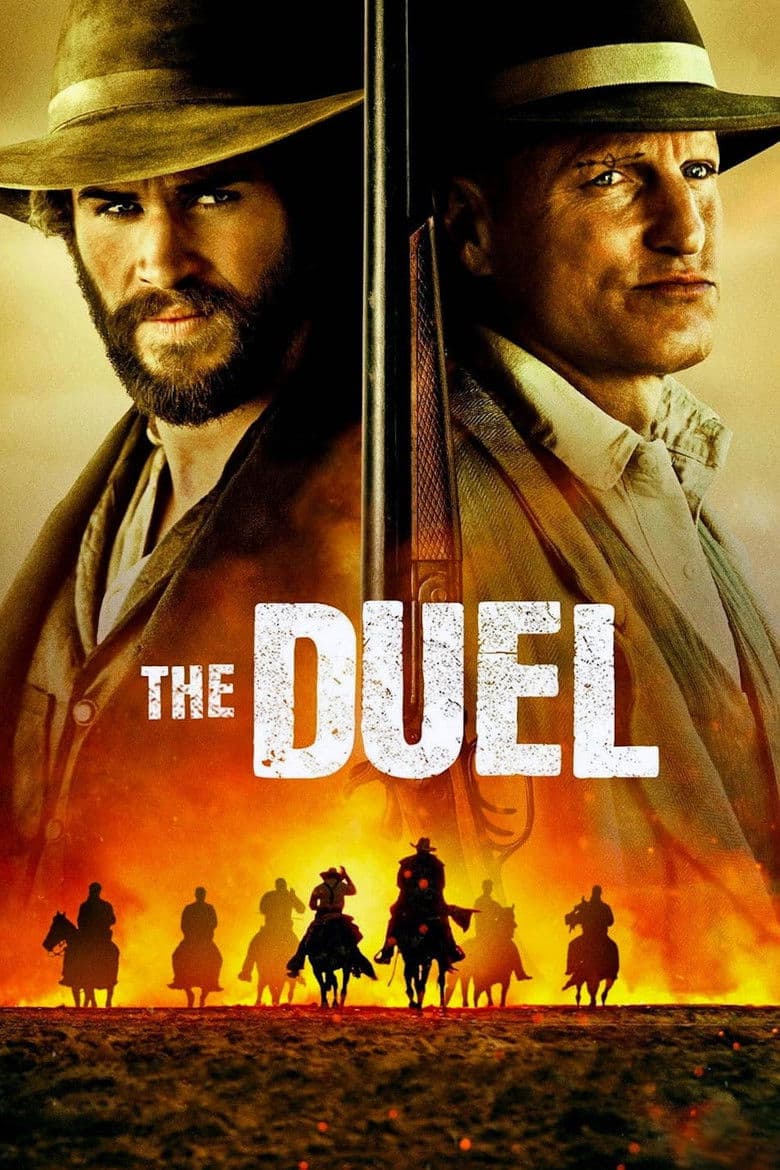
The Duel follows David Kingston, a Texas Ranger who enters a remote town near the Rio Grande in the 1880s. He must learn who is killing Mexican people while hiding that town leader Abraham Brant once killed David’s father in a knife fight. Brant is a preacher, mayor, and feared ruler who draws David and his Mexican wife Marisol into his violent world. The film has a grim, bloody western tone with revenge, cult horror, and strange supernatural hints.
The film makes racist violence against Mexican people a central part of the mystery. Wealthy visitors pay to hunt Mexican victims, and the town protects the system through fear, religion, and local power. The story also shows men using power to control women, including Marisol and a badly abused prostitute. These ideas stay tied to the town’s murders, cult, and revenge plot instead of becoming a separate speech.
Community feedback
Was our 38% Woke rating accurate?
Breakdown
These are the editorial factors and ratings behind our score for The Duel.
Woke representation / casting
Not present. The film gives Marisol a Brazilian actor as a Mexican wife and includes a Mexican general, but those choices fit the Texas border story. Major power roles remain mainly white men, and the movie does not use a clear representation-first casting pattern.
0%
Woke political dialogue
Not present. The dialogue includes racist talk about Mexican people and religious talk from the preacher, but it does not push modern identity politics, DEI, or activist ideas.
0%
Identity-driven story themes
The film makes the deaths of Mexican people the main mystery and shows white townsmen killing them because of their identity. The film treats this racism as evil, not as a neutral part of the setting. It also links the town’s rule to abuse of women, male control, and fear of outsiders. These themes return through the investigation, Marisol’s danger, the prostitute’s abuse, and the final violence.
46%
Western institutional / cultural critique
The film shows Abraham as a preacher and town ruler who mixes religion, law, money, and violence. It shows local people and officials failing to stop a racist killing system. The story links his power to male control, fear of outsiders, and abuse of women. The historical setting keeps the critique focused on a corrupt town, but the film repeatedly attacks the systems that let Abraham rule.
44%
Woke character or canon changes
Not relevant. The movie is an original western and does not adapt a known character, franchise, book, or real historical person.
0%
Anti-woke backlash and complaints
Not present. No clear anti-woke backlash is tied to this film. Public comments mostly discuss the confusing plot, violent scenes, pacing, and the ending.
0%
Creator track record context
The director and writer have very low recorded woke scores and no clear activist record. Most producers and casting staff also have low recorded scores. Aaron Gilbert and Natalie Marciano have some diversity or women-centered work, but those signals are limited. The creator group gives mild background support for a woke reading, not a strong track record.
18%
Production
Movie · 2017
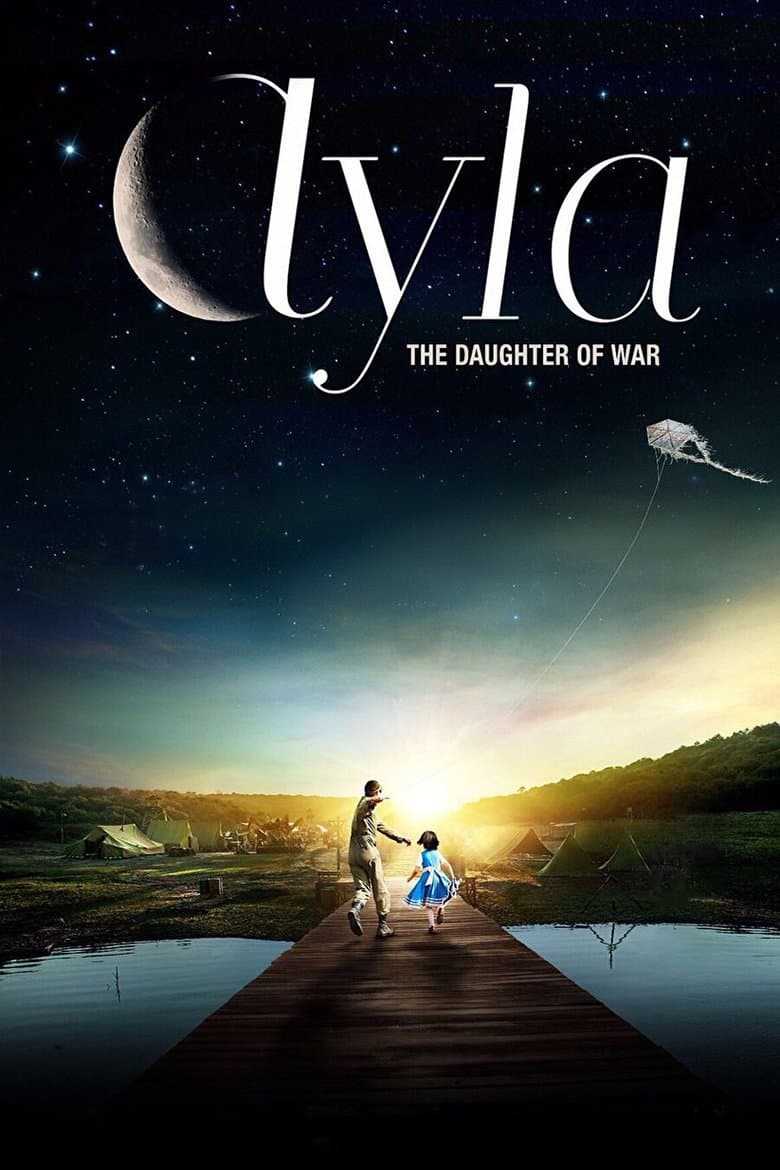
In 1950, amidst the ravages of the Korean War, Sergeant Süleyman stumbles upon a a half-frozen little girl, with no parents and no help in sight and he risks his own life to save…
Movie · 2020
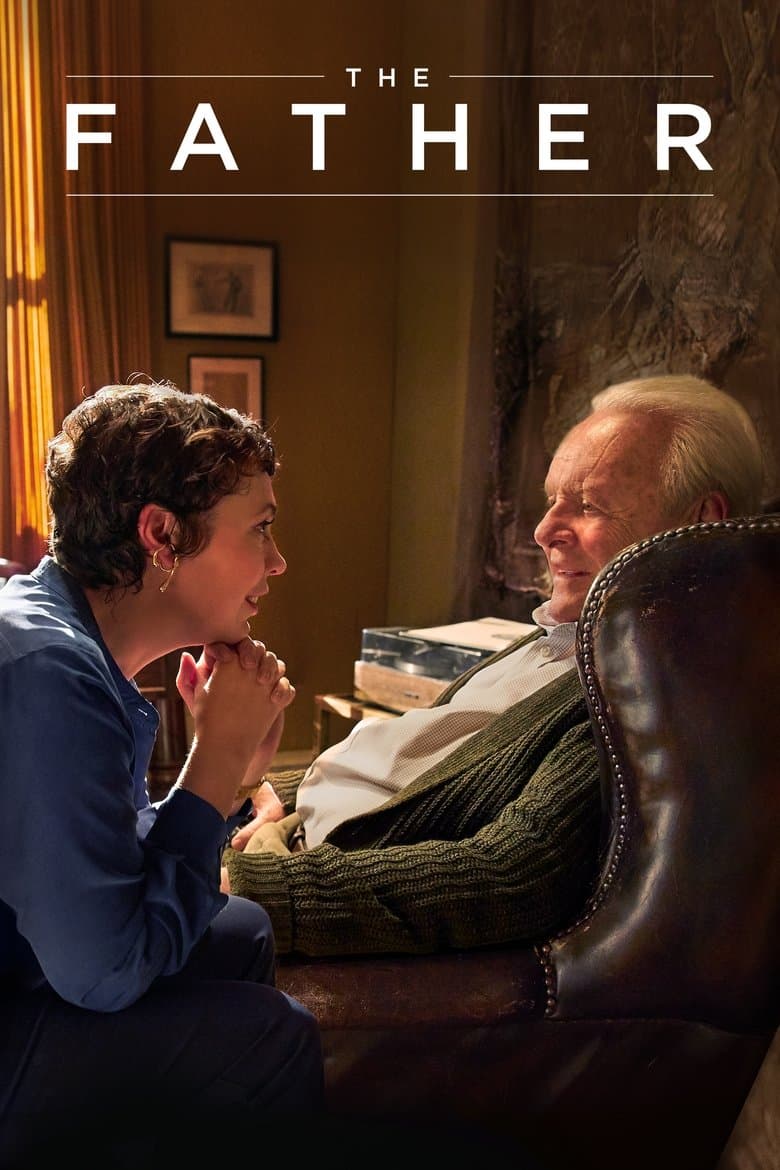
A man refuses all assistance from his daughter as he ages and, as he tries to make sense of his changing circumstances, he begins to doubt his loved ones, his own mind and even…
Movie · 2017
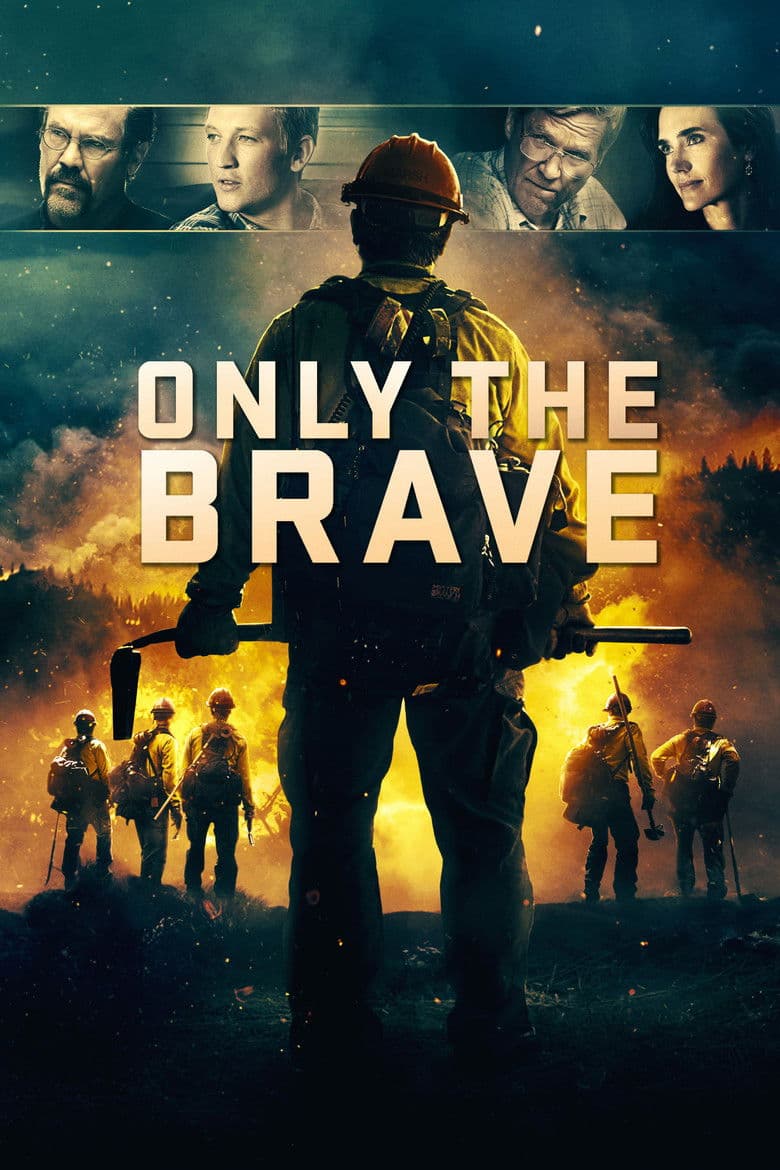
Members of the Granite Mountain Hotshots battle deadly wildfires to save an Arizona town.
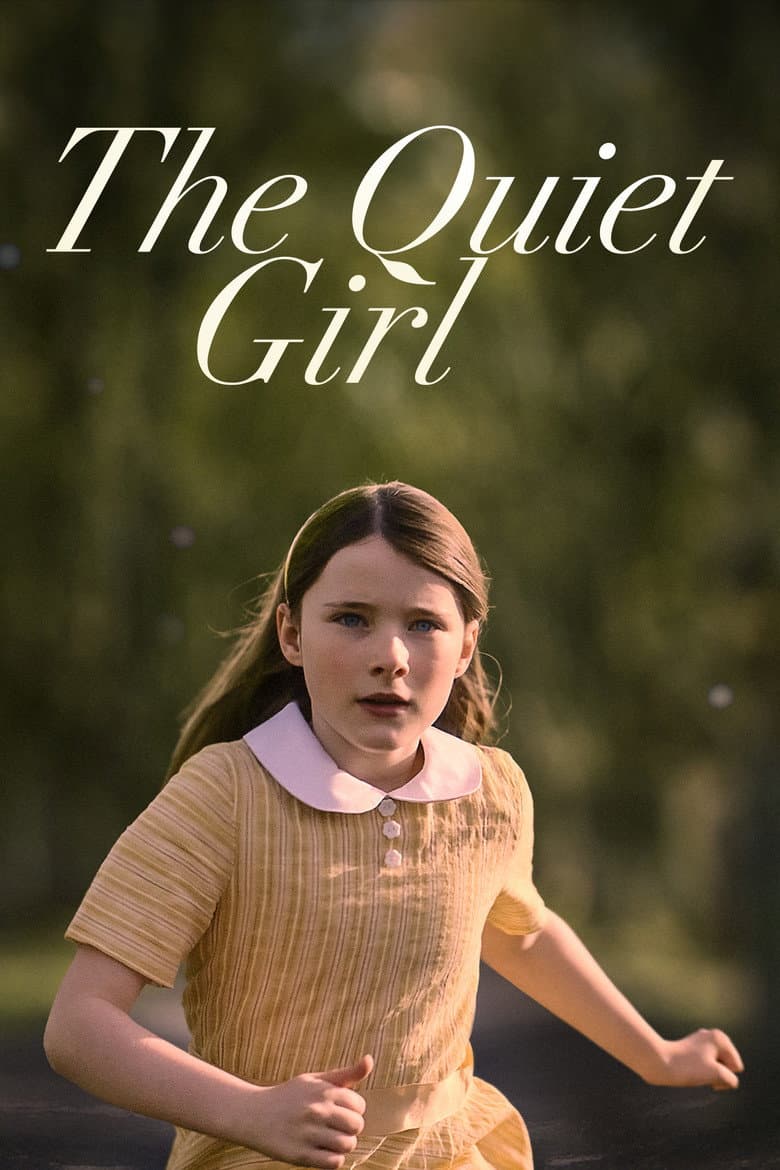
Movie · 2022
A quiet, neglected girl is sent away from her dysfunctional family to live with relatives for the summer. She blossoms in their care, but in this house where there are meant to be…
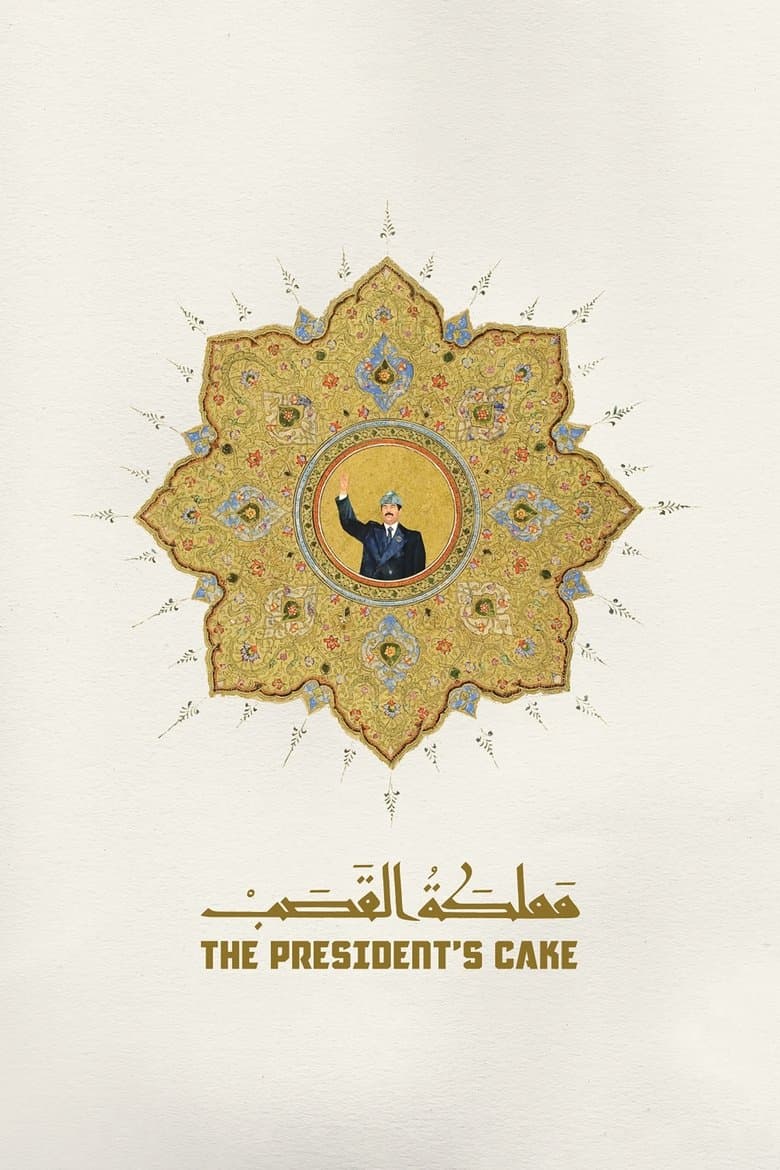
Movie · 2026
While people across 1990s Iraq struggle to survive the war and food shortages, Saddam Hussein requires each school in the country to prepare a cake to celebrate his birthday.
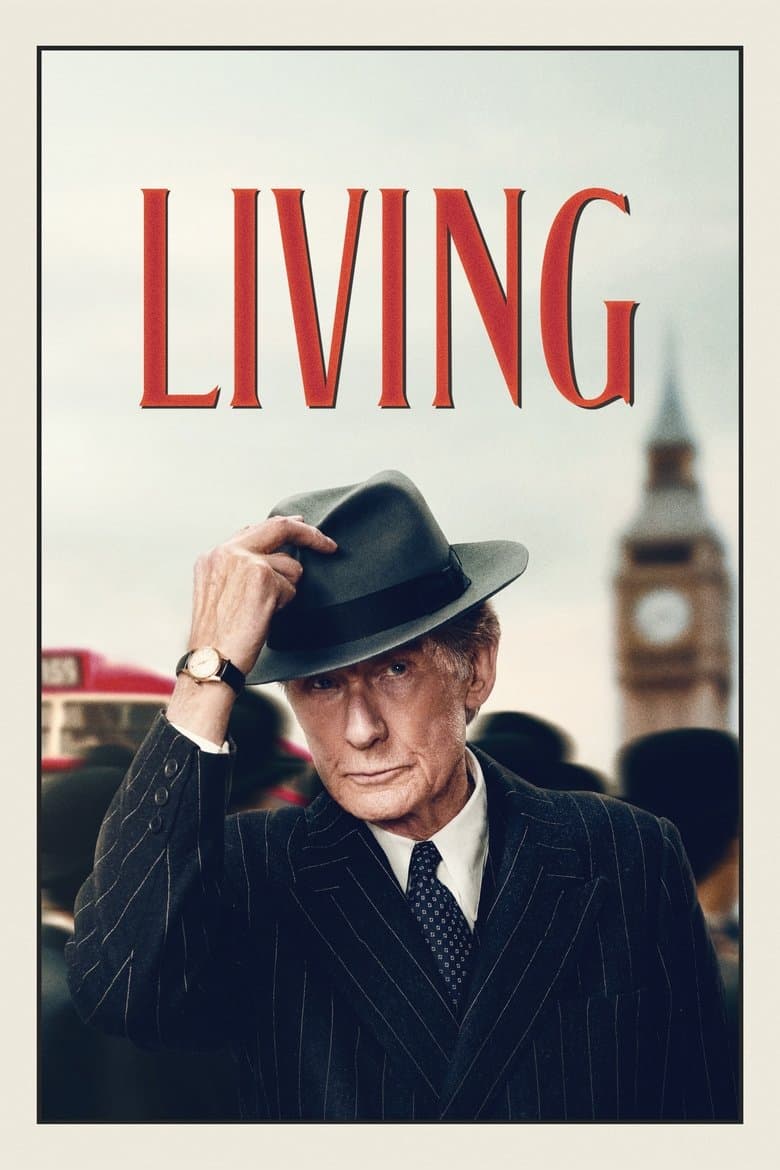
Movie · 2022
London, 1953. Mr. Williams, a veteran civil servant, is an important cog within the city's bureaucracy as it struggles to rebuild in the aftermath of World War II.
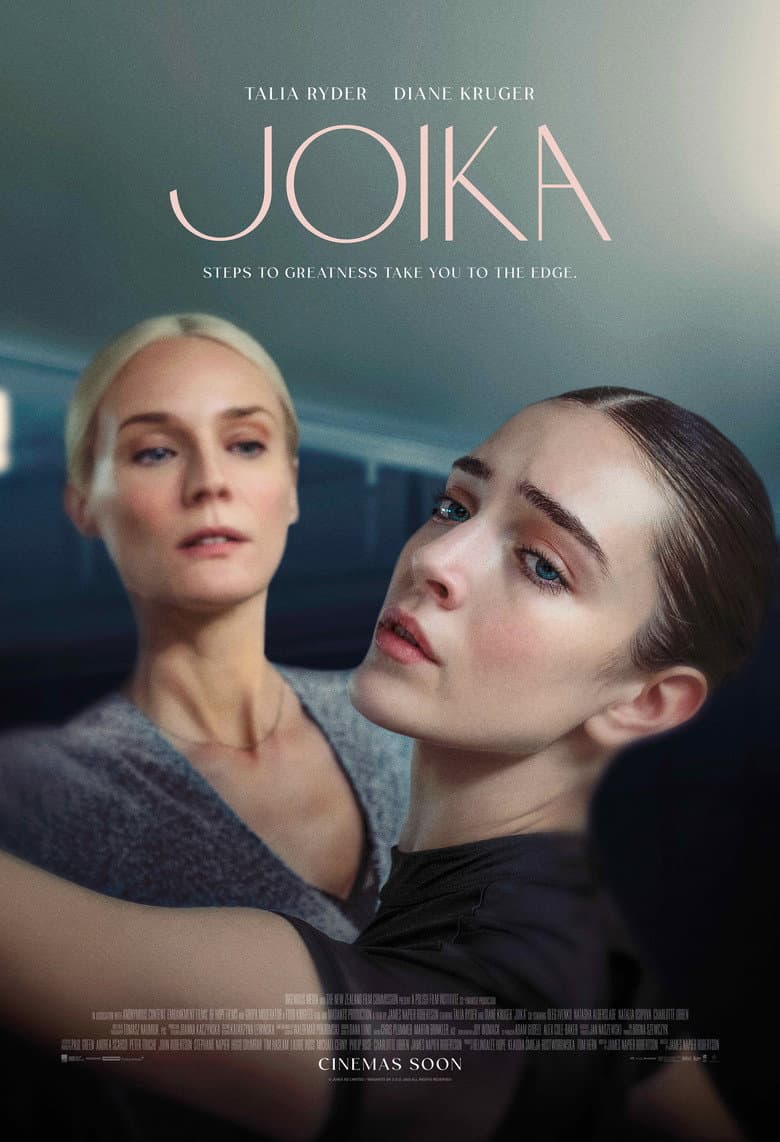
Movie · 2023
American ballet dancer Joy Womack is accepted into Moscow's infamously tough Bolshoi Ballet Academy, with the dream of becoming a great ballerina.
Movie · 2025
A logger leads a life of quiet grace as he experiences love and loss during an era of monumental change in early 20th-century America.
