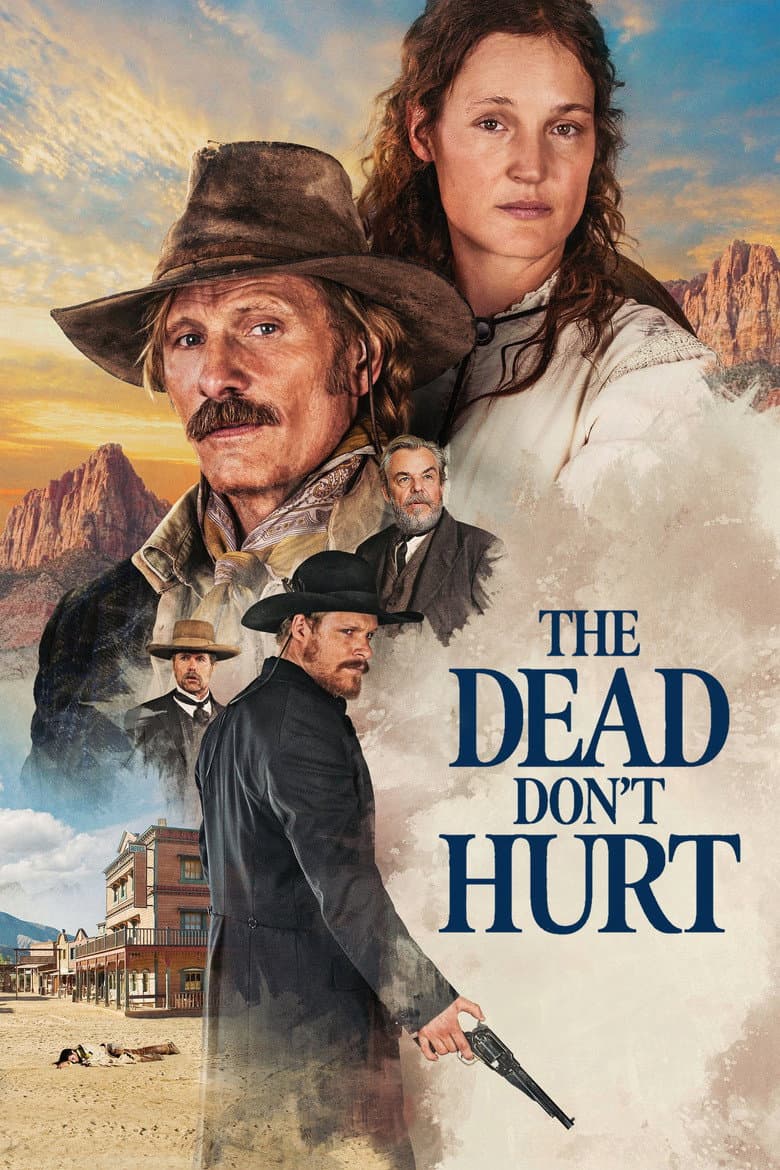
Vivienne Le Coudy is a French-Canadian woman who wants a free life on the Nevada frontier in the 1860s. She meets Holger Olsen, a Danish carpenter, and builds a home with him near Elk Flats. Holger leaves to fight for the Union during the Civil War, so Vivienne must work and protect herself in a town ruled by a corrupt mayor and a rich rancher. The film has a slow and sad western tone as it follows love, betrayal, sexual assault, revenge, and forgiveness.
The film puts Vivienne at the center instead of treating her as a hero’s partner. Her independence, her choice to earn her own money, and her refusal to accept unwanted attention shape the story. The film shows how powerful men protect a violent son and how Vivienne lives with the harm he causes, so its identity-driven story themes focus on female agency, male entitlement, and the suffering of women. The film gives these ideas real weight, but it uses a historical frontier story rather than modern activist speeches or a broad political campaign.
Community feedback
Was our 47% Woke rating accurate?
Breakdown
These are the editorial factors and ratings behind our score for The Dead Don't Hurt.
Woke representation / casting
The film centers a French-Canadian woman and a Danish immigrant man instead of the usual Anglo-American couple. The town includes Mexican and Chinese characters and uses French, Danish, Spanish, and English. Mortensen said he wanted cultural, language, and racial diversity and presented the leads as a break from typical western casting. The setting makes these choices historically plausible, so the representation emphasis is noticeable but limited.
22%
Woke political dialogue
Not present. The film contains no modern activist speeches or identity-politics debate. Holger’s brief statement about fighting slavery belongs to the Civil War setting.
0%
Identity-driven story themes
The film makes Vivienne’s independence, sexual assault, and choice of how to live the center of its plot. The story presents male entitlement and women’s long struggle as repeated themes, not background details. The film’s press material connects Vivienne’s world to oppression today and calls her a woman outside existing social structures. The movie still tells a personal historical story, so the theme is strong but not the only subject.
55%
Western institutional / cultural critique
The film shows a corrupt mayor and rich rancher using local law to protect their power. The story joins that abuse of law to Weston’s male entitlement and the limited choices available to Vivienne. The film’s press material links these power structures to a wider pattern of oppression that still exists today. The movie does not attack Christianity or ordinary family life.
42%
Woke character or canon changes
Not relevant. The film is an original historical western, not an adaptation of established characters or a known story.
0%
Anti-woke backlash and complaints
Not present. The separate X research found no anti-woke reaction or specific complaints. Wider coverage discussed the film’s feminist angle, pace, and out-of-order storytelling, not woke or DEI politics.
0%
Creator track record context
Viggo Mortensen has a long record of anti-war and progressive causes, but his public profile is more traditional left-wing than DEI or identity-focused activism. Producer Daniel Bekerman has publicly supported diversity and queer, Black, Indigenous, and women filmmakers. The other listed producers have little or no high-confidence evidence of activist or DEI positioning. This gives the title mild creator-context support without proving that every theme comes from activism.
30%
Production
Movie · 2016
After his older brother passes away, Lee Chandler is forced to return home to care for his 16-year-old nephew.
Movie · 2023
American ballet dancer Joy Womack is accepted into Moscow's infamously tough Bolshoi Ballet Academy, with the dream of becoming a great ballerina.
Movie · 2025
Diagnosed with Tourette Syndrome at 15, John Davidson navigates his way against the odds through troubled teenage years and into adulthood, finding inspiration in the kindness of…
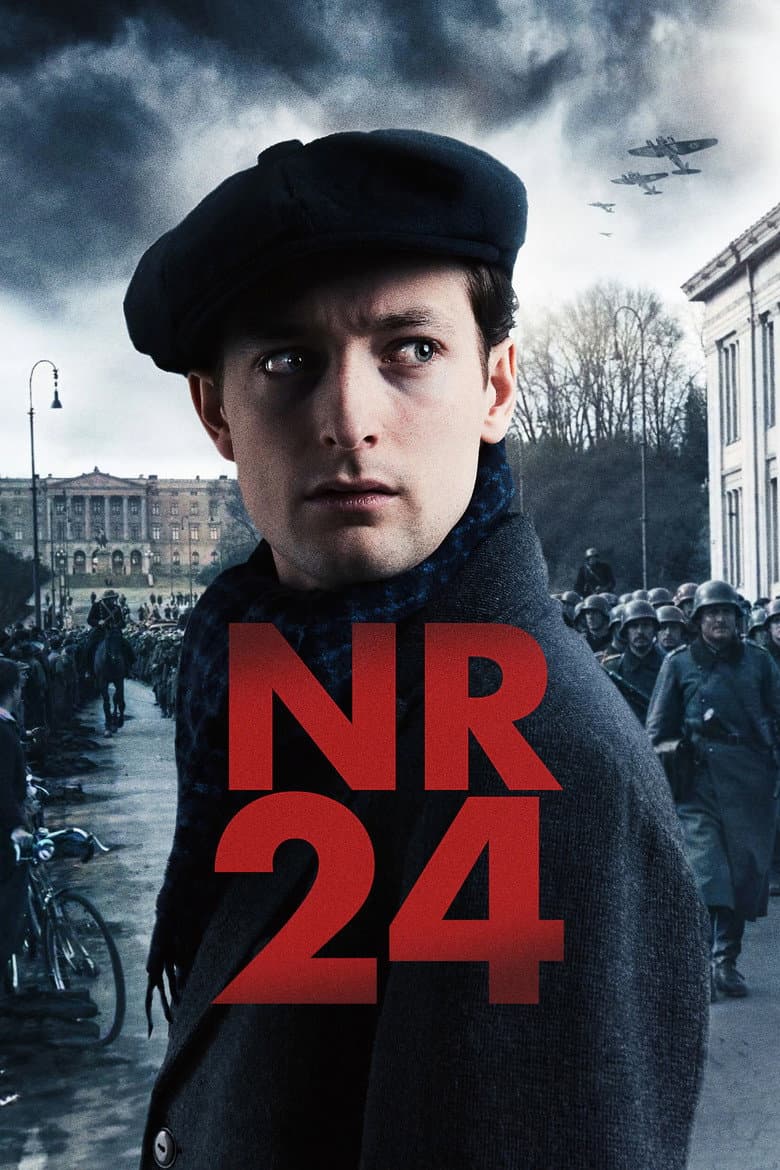
Movie · 2024
On the brink of the Second World War, a young Norwegian man's drive to resist the Nazis sets a new course for his future – and the future of his country.
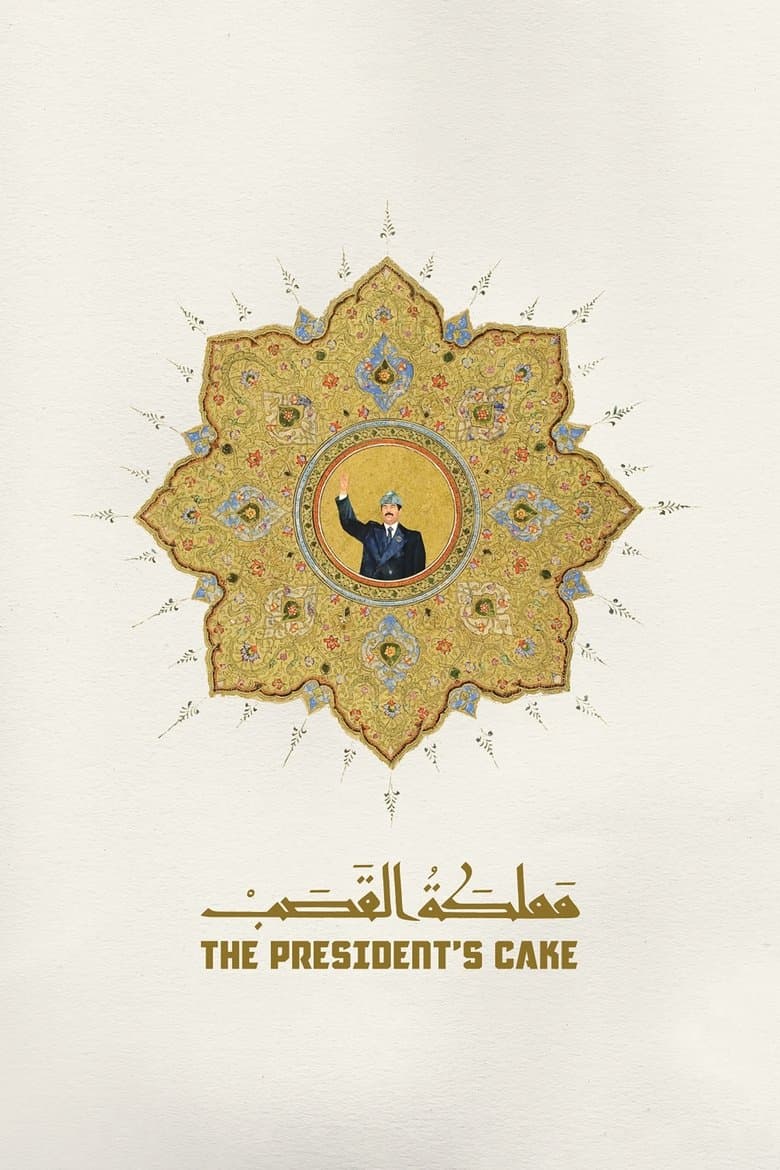
Movie · 2026
While people across 1990s Iraq struggle to survive the war and food shortages, Saddam Hussein requires each school in the country to prepare a cake to celebrate his birthday.
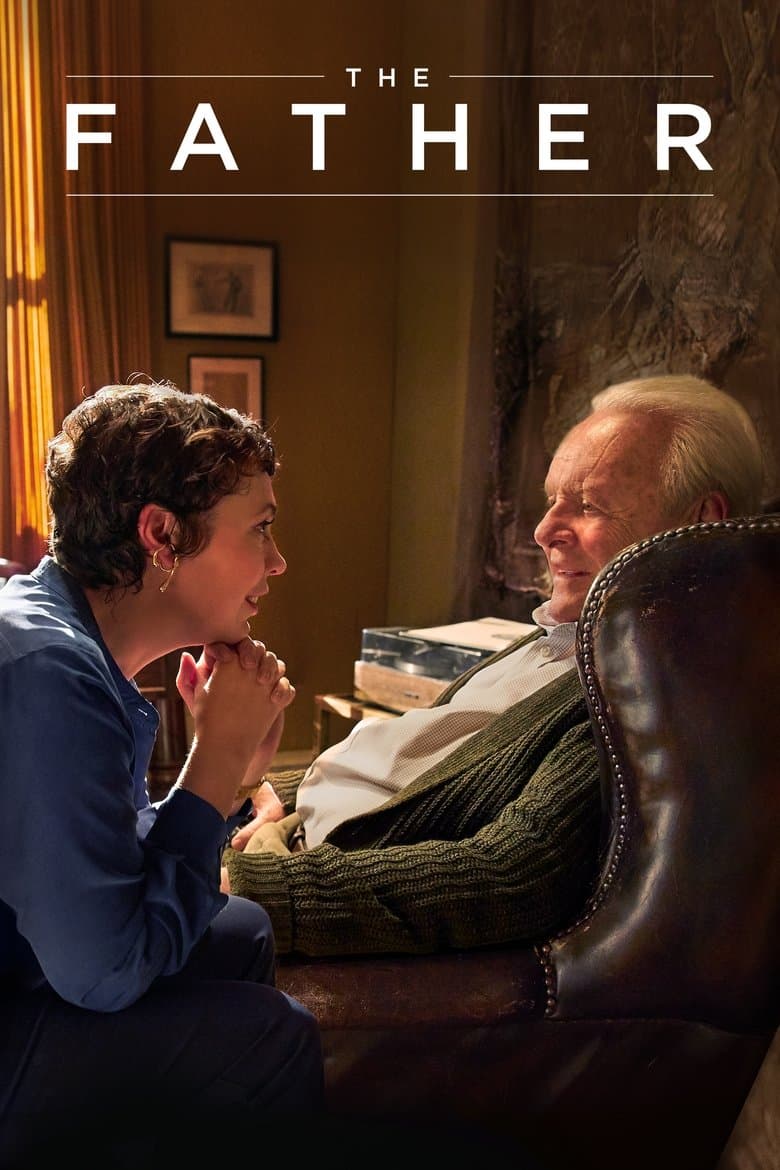
Movie · 2020
A man refuses all assistance from his daughter as he ages and, as he tries to make sense of his changing circumstances, he begins to doubt his loved ones, his own mind and even…

Movie · 2023
The story of J. Robert Oppenheimer's role in the development of the atomic bomb during World War II.
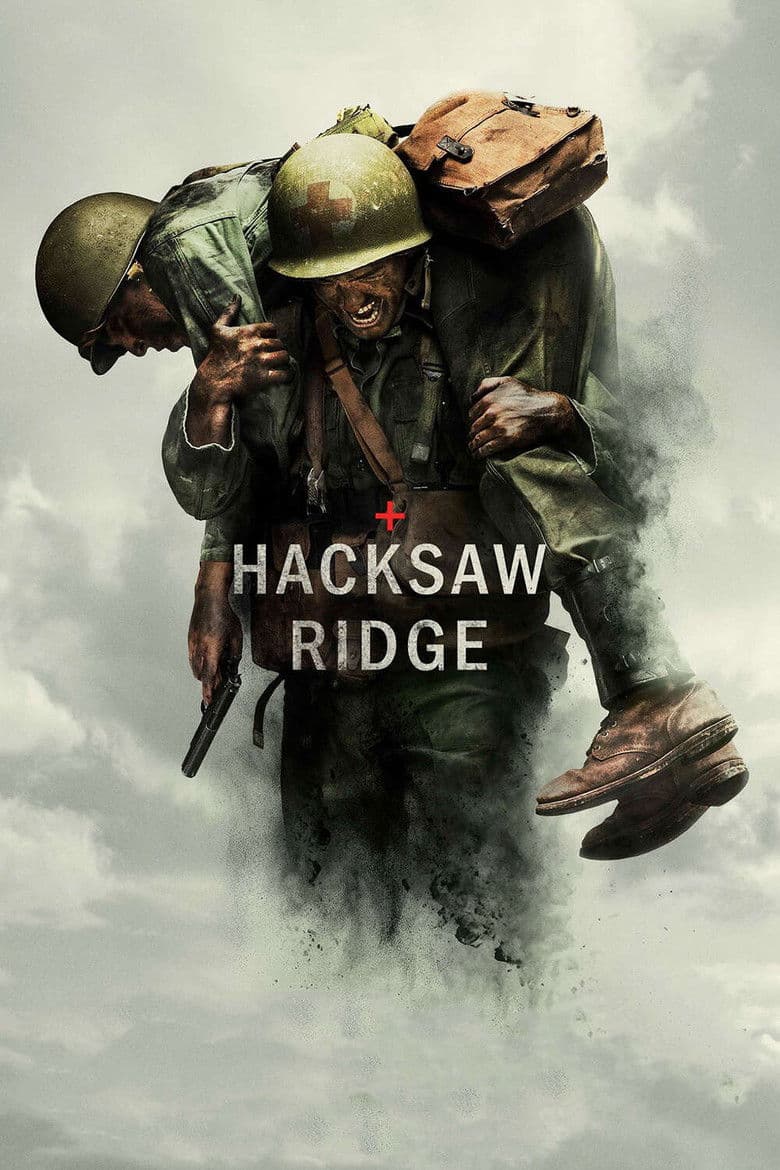
Movie · 2016
WWII American Army Medic Desmond T. Doss, who served during the Battle of Okinawa, refuses to kill people and becomes the first Conscientious Objector in American history to…
