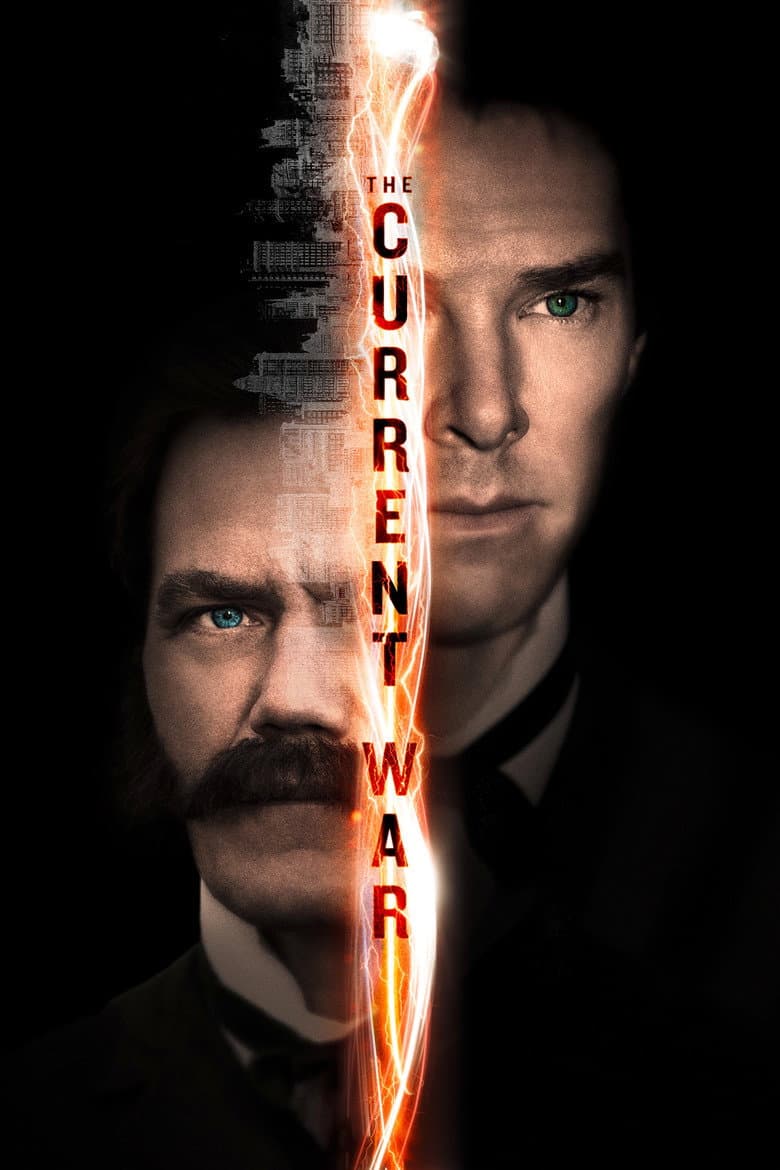
Thomas Edison and George Westinghouse fight over the kind of electricity that will power America. The story moves through late-1800s America, where company offices, newspapers, and public demonstrations shape the fight. Nikola Tesla joins the struggle after Edison rejects his ideas about alternating current. The tone is serious and fast, with business rivalry, family grief, public insults, and dangerous experiments.
The film presents Edison as a gifted but proud inventor who lets fame and fear drive him toward cruel tactics. Westinghouse acts as his calmer rival and tries to win through cheaper technology and fair business. Mary Edison and Marguerite Westinghouse shape the men’s choices, while Edison’s grief after Mary’s death deepens his anger. The film asks how ambition, fame, and fear can turn useful invention into a fight for control. It treats business, science, family, and public trust as parts of the same struggle.
Community feedback
Was our 4% Woke rating accurate?
Breakdown
These are the editorial factors and ratings behind our score for The Current War.
Woke representation / casting
Not present. The main roles are historical people from the late 1800s. The cast follows that story world, and the film does not frame casting as a diversity message.
0%
Woke political dialogue
Not present. The film shows newspaper attacks, court arguments, and business deals about electricity. Those scenes concern the period rivalry and do not use modern identity or activist language.
0%
Identity-driven story themes
Not present. Edison, Westinghouse, Tesla, and their families face ambition, grief, and rivalry. The film does not build its plot around race, gender, sexuality, or modern representation politics.
0%
Western institutional / cultural critique
Not present. The film shows companies, newspapers, investors, and the electric chair as parts of a historical business fight. It does not turn that conflict into a modern attack on Western culture, family life, religion, or capitalism.
0%
Woke character or canon changes
Not relevant. The movie fictionalizes and compresses a historical rivalry, but its changes serve the drama. No identity-driven rewrite of a known character or historical event is central to the story.
0%
Anti-woke backlash and complaints
Not present. The supplied X research found no anti-woke posts about the film. Broader coverage criticized pacing, history, Tesla’s role, and the troubled release, not woke or DEI ideas.
0%
Creator track record context
Alfonso Gomez-Rejon has a modest identity-focused context from Latino-centered work outside this film. Theo Park has supported greater diversity in casting. Adam Ackland’s company has backed female-led projects. Christina de Guzman has a stronger record centered on women, people of color, and queer storytellers. These signals are supporting context only because this film is a historical electricity rivalry without those themes.
20%
Production
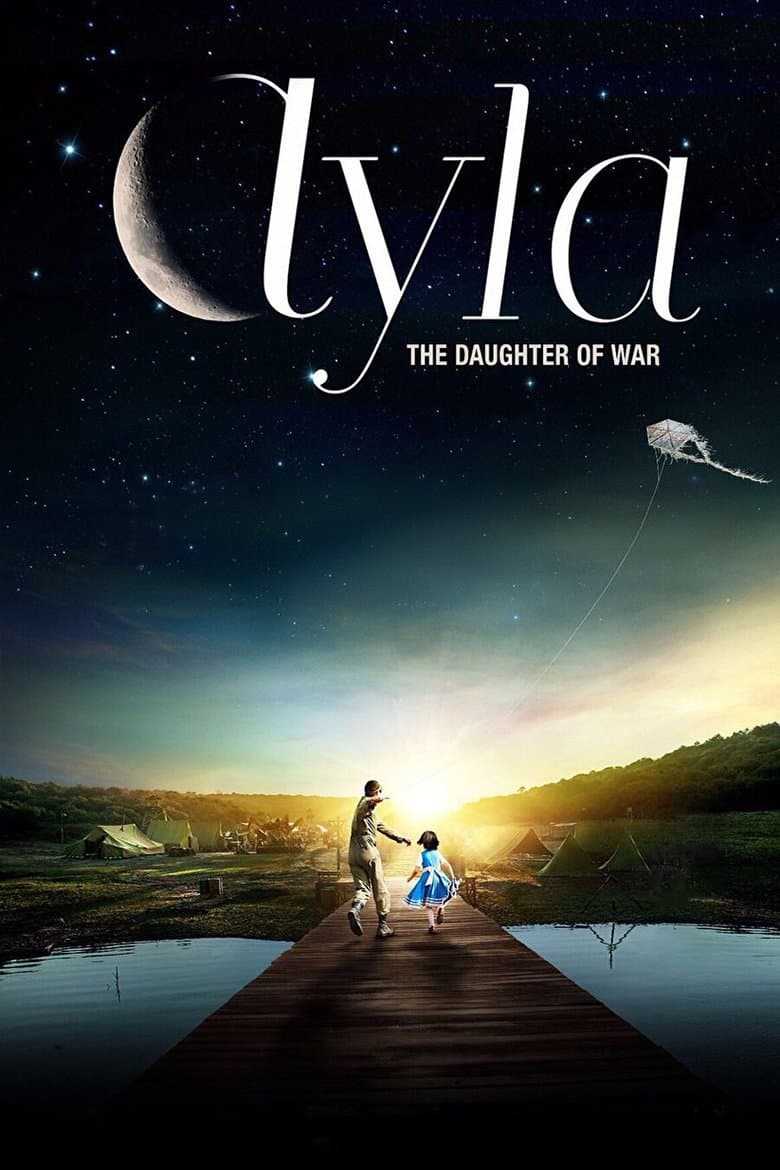
Movie · 2017
In 1950, amidst the ravages of the Korean War, Sergeant Süleyman stumbles upon a a half-frozen little girl, with no parents and no help in sight and he risks his own life to save…
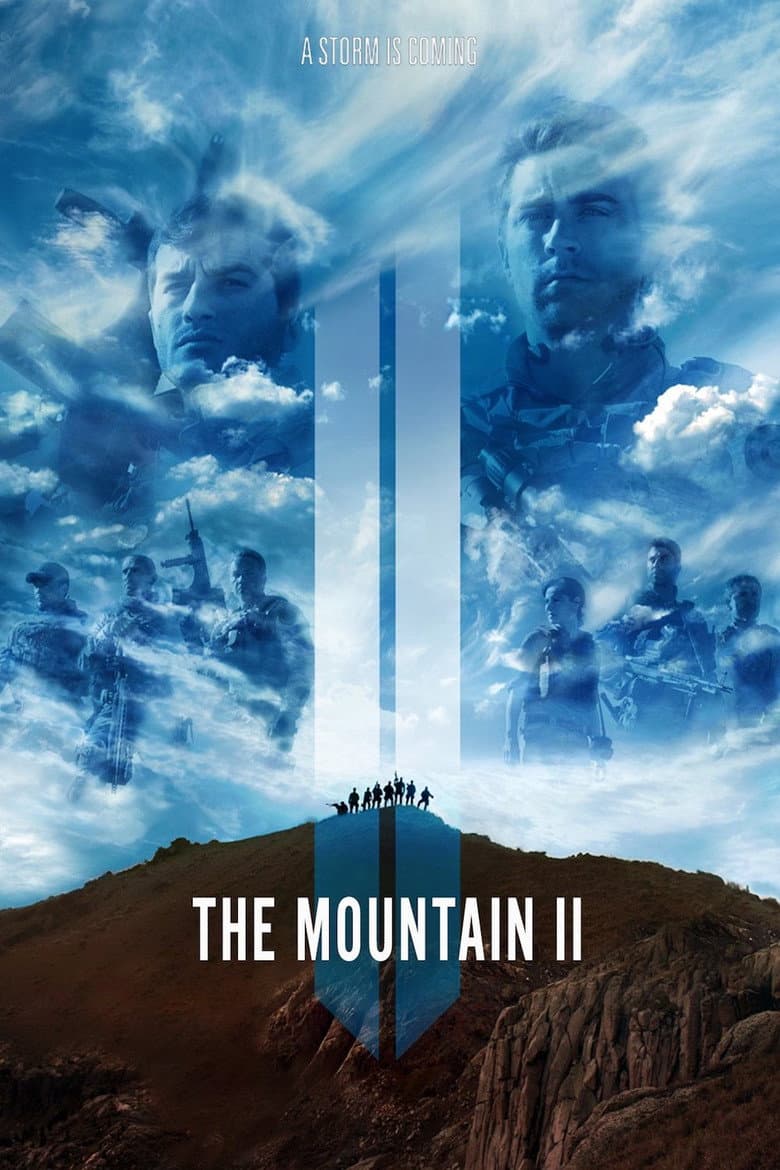
Movie · 2016
In a desolate war zone where screams of the innocent echo, on the very line between disaster and valor, 7 Maroon Berets will dance with death.
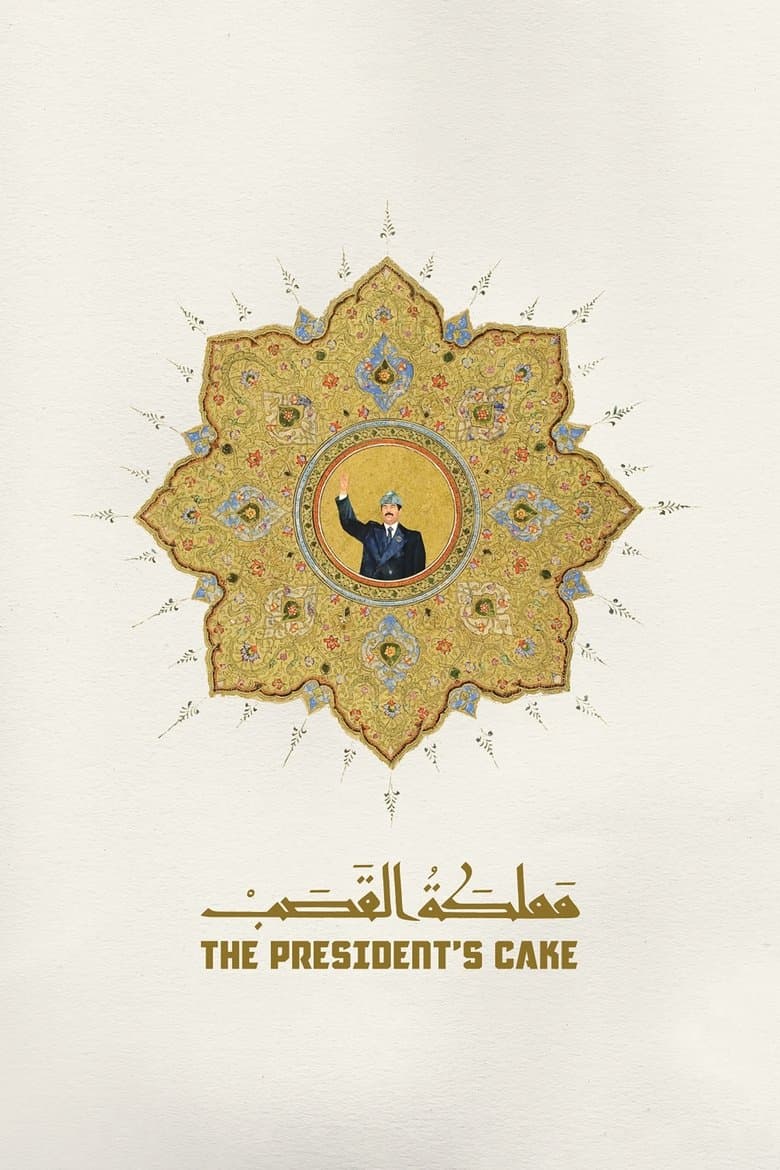
Movie · 2026
While people across 1990s Iraq struggle to survive the war and food shortages, Saddam Hussein requires each school in the country to prepare a cake to celebrate his birthday.
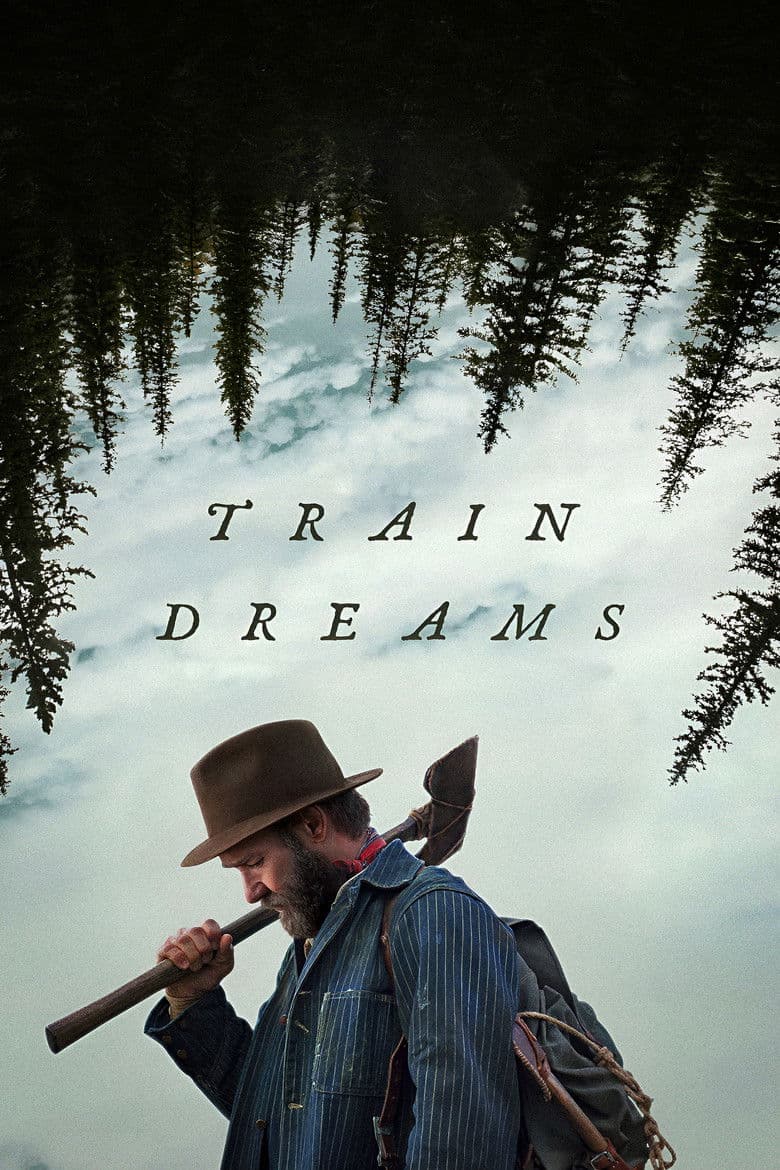
Movie · 2025
A logger leads a life of quiet grace as he experiences love and loss during an era of monumental change in early 20th-century America.
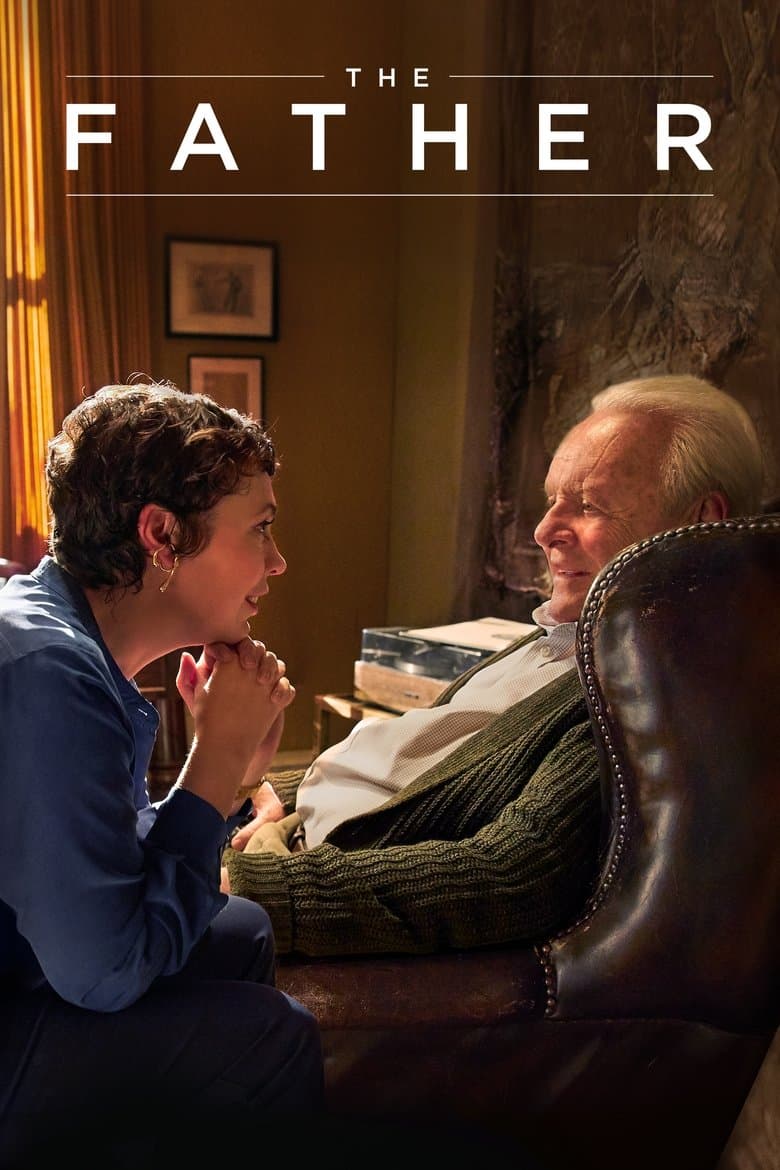
Movie · 2020
A man refuses all assistance from his daughter as he ages and, as he tries to make sense of his changing circumstances, he begins to doubt his loved ones, his own mind and even…
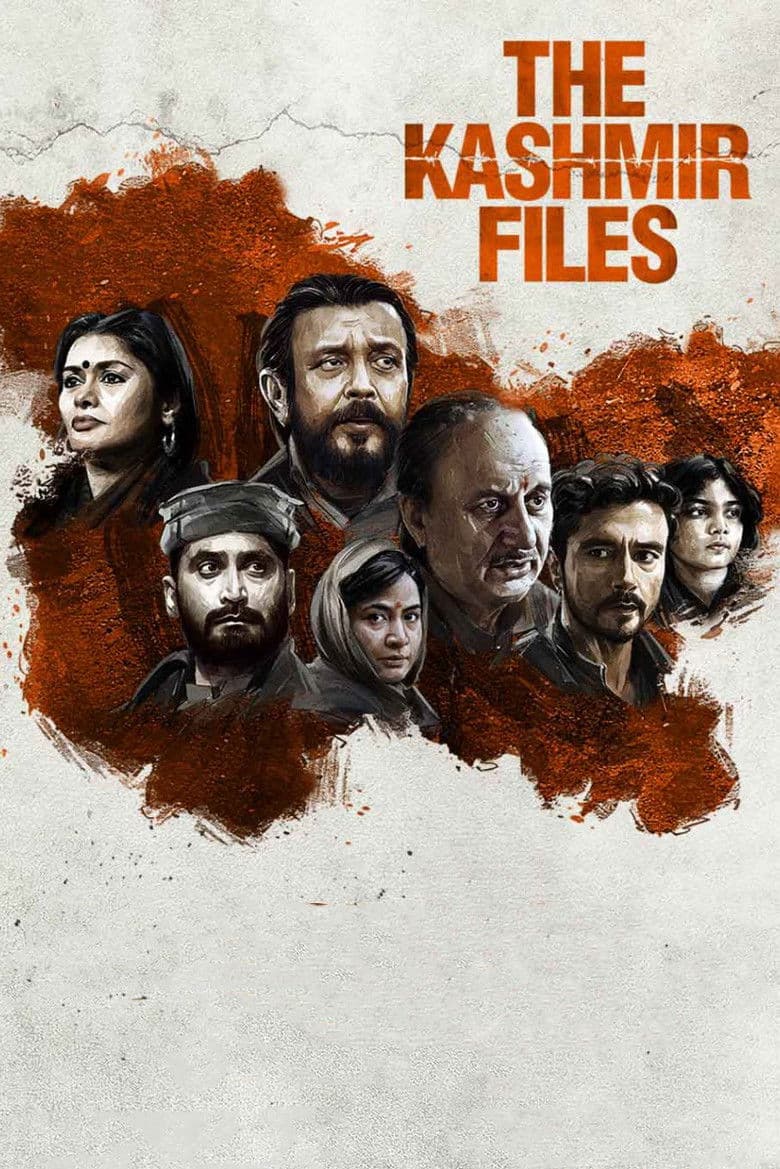
Movie · 2022
Based on a true tragedy, the emotionally triggering film sheds light on the plight of Kashmiri Pandits (Hindus), a religious minority in the 1990s Kashmir valley, who were…
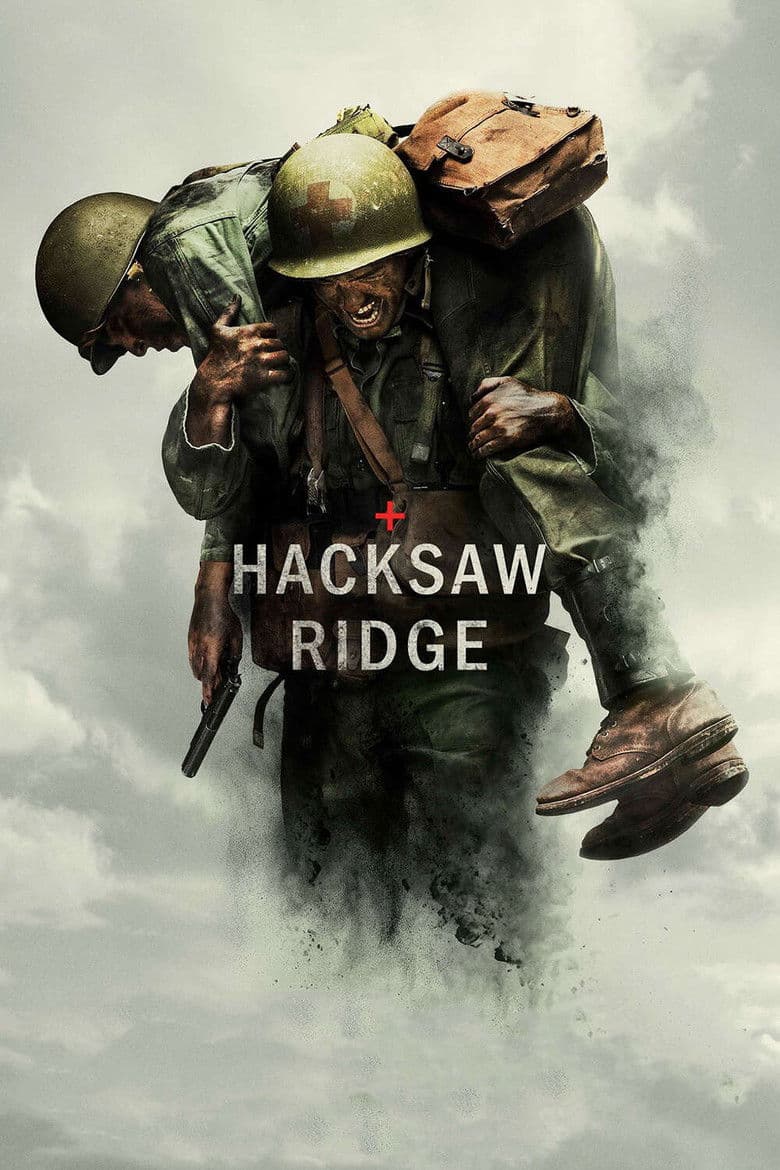
Movie · 2016
WWII American Army Medic Desmond T. Doss, who served during the Battle of Okinawa, refuses to kill people and becomes the first Conscientious Objector in American history to…

Movie · 2016
After his older brother passes away, Lee Chandler is forced to return home to care for his 16-year-old nephew.
