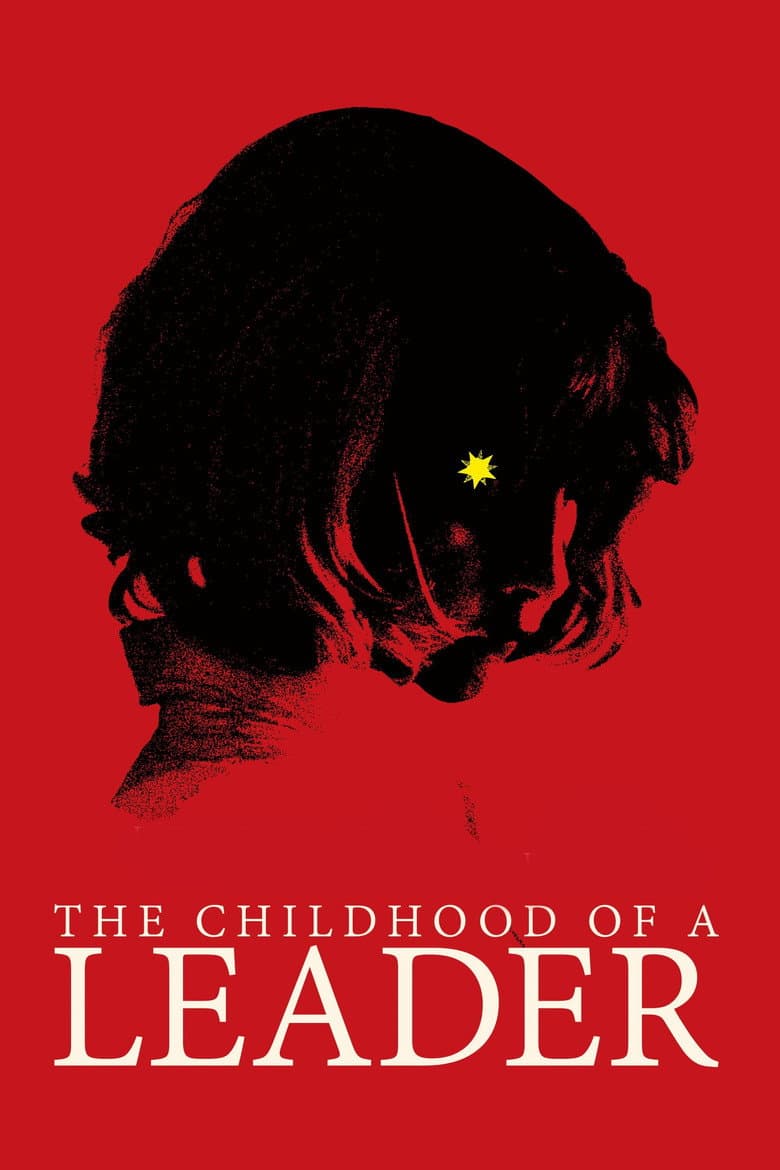
The film follows Prescott, a young American boy living with his parents in France after World War I. His father works with the American team shaping the Treaty of Versailles, while his mother tries to control a troubled home. Prescott answers rules, lessons, and adult lies with anger, tricks, and cruel acts. The story moves through three tantrums and ends by showing the kind of leader he becomes. The mood is cold, quiet, and frightening.
The film presents the family, the church, and the peace talks as failed forms of power. It links the boy’s hunger for control to an absent father, a distant mother, religious pressure, and adults who cannot make a fair peace. The film also shows a boy with long hair who is mistaken for a girl, and the detail feeds his anger and vanity. Its main warning concerns fascism, private cruelty, and the way broken adults can help create a tyrant.
Community feedback
Was our 26% Woke rating accurate?
Breakdown
These are the editorial factors and ratings behind our score for The Childhood of a Leader.
Woke representation / casting
Not present. The cast matches a wealthy American and European family in postwar France. The film does not frame its casting around diversity or identity.
0%
Woke political dialogue
Not present. The film includes prayer, treaty discussions, and arguments about power, but it does not use modern identity, DEI, or activist lines.
0%
Identity-driven story themes
Not present. The film focuses on fascism, family abuse, and religious conflict. Race, gender, sexuality, and representation do not drive the story.
0%
Western institutional / cultural critique
The film repeatedly shows the father as harsh male authority and the family as a damaged social unit. It shows church rituals and prayer as pressure that the boy rejects. It also links the peace talks to failed government and a bad settlement. These are critiques of family, religion, and Western power, but they stay inside a historical warning about fascism.
32%
Woke character or canon changes
Not relevant. The film loosely adapts Sartre’s story and creates a fictional leader. It does not make a race, gender, sexuality, or identity-based swap to an established character or real historical person.
0%
Anti-woke backlash and complaints
Not present. X research found no anti-woke reaction or specific complaints. Other reviews mainly argued about pacing, clarity, religion, or artistic style rather than DEI or identity politics.
0%
Creator track record context
Brady Corbet has a record of politically charged art about power, history, and national identity. Mona Fastvold has made queer and feminist stories in other films. Jean-Paul Sartre wrote political work about power and oppression. This background raises the context score, but the film itself is mainly a fascist period allegory.
49%
Production
Movie · 2019
Richard Jewell thinks quick, works fast, and saves hundreds, perhaps thousands, of lives after a domestic terrorist plants several pipe bombs and they explode during a concert…
Movie · 2017
Members of the Granite Mountain Hotshots battle deadly wildfires to save an Arizona town.

Movie · 2023
American ballet dancer Joy Womack is accepted into Moscow's infamously tough Bolshoi Ballet Academy, with the dream of becoming a great ballerina.
Movie · 2020
A man refuses all assistance from his daughter as he ages and, as he tries to make sense of his changing circumstances, he begins to doubt his loved ones, his own mind and even…

Movie · 2016
After his older brother passes away, Lee Chandler is forced to return home to care for his 16-year-old nephew.
Movie · 2016
WWII American Army Medic Desmond T. Doss, who served during the Battle of Okinawa, refuses to kill people and becomes the first Conscientious Objector in American history to…
Movie · 2024
On the brink of the Second World War, a young Norwegian man's drive to resist the Nazis sets a new course for his future – and the future of his country.
Movie · 2022
London, 1953. Mr. Williams, a veteran civil servant, is an important cog within the city's bureaucracy as it struggles to rebuild in the aftermath of World War II.
