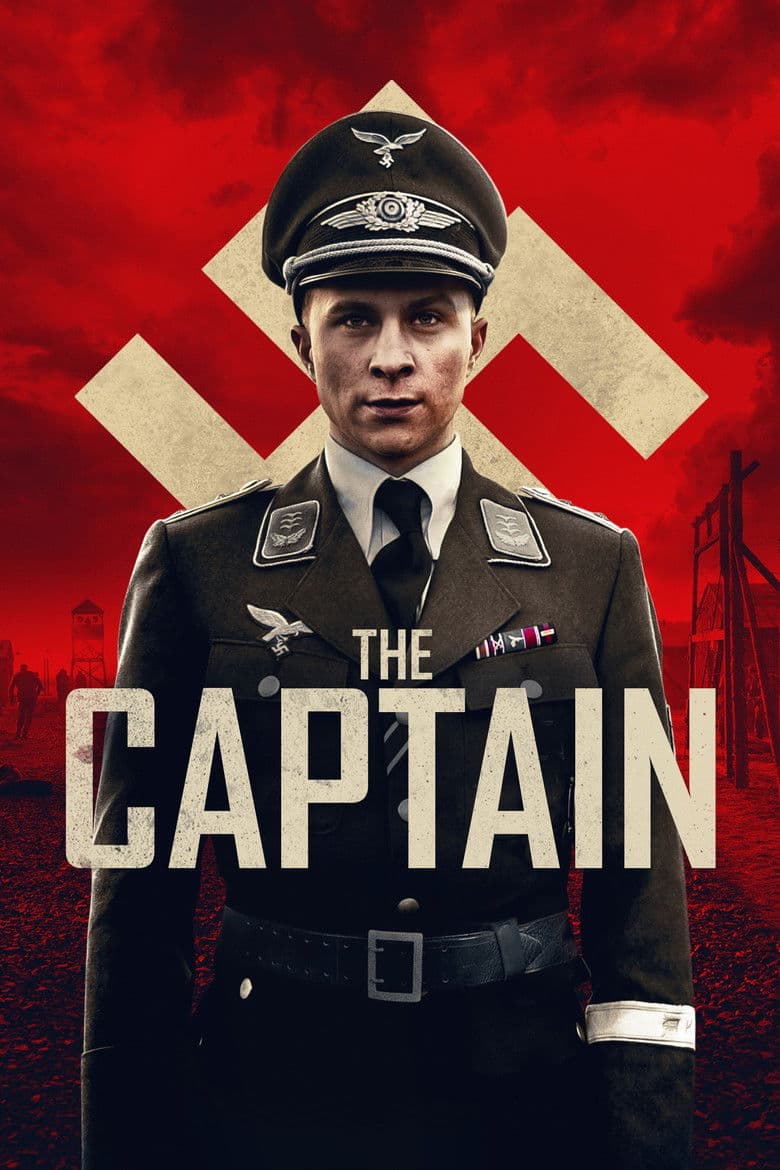
The Captain follows Willi Herold, a young German soldier who deserts near the end of World War II. He finds a lost Luftwaffe captain's uniform and uses it to avoid death. Other soldiers believe his orders, so he gathers a small group and takes control of a camp for German deserters. Herold soon turns fear and false rank into a rule built on killings. The story stays grim and shocking, with brief bursts of dark humor.
The film shows how a uniform can create power even when the person inside it has no real rank. Herold orders the killing of prisoners, and the men around him help because they want safety, food, or permission to act. Military papers and fear make cruel acts look legal to the people who carry them out. The story asks how ordinary people can support evil when a system rewards obedience. A short present-day ending links the old abuse of power to the danger of following a leader without question.
Community feedback
Was our 13% Woke rating accurate?
Breakdown
These are the editorial factors and ratings behind our score for The Captain.
Woke representation / casting
Not present. The main cast plays German soldiers, camp staff, and local civilians in 1945. The movie does not present diversity as a message or build major roles around identity.
0%
Woke political dialogue
Not present. The spoken lines concern Nazi orders, desertion, rank, and survival. The film contains no modern identity, gender, DEI, or activist speeches.
0%
Identity-driven story themes
Not present. The story explores false rank, obedience, and cruelty. It does not make race, sex, sexuality, or representation a central theme.
0%
Western institutional / cultural critique
The short present-day ending shows Herold's group bullying passersby in Nazi uniforms. The ending links the Nazi past to current public life and warns about blind trust in political power. The main story does not ridicule Christianity or attack modern family and gender norms.
16%
Woke character or canon changes
Not relevant. The film adapts a real historical figure and keeps the identity swap as the main plot event. Its changes concern timing and style, not race, sex, sexuality, or representation.
0%
Anti-woke backlash and complaints
Not present. Public discussion focused on Nazi crimes, harsh violence, power, and the film's ending. The supplied X pass found no anti-woke complaints, and no boycott or review-bombing wave appeared in the searched coverage.
0%
Creator track record context
Robert Schwentke's record is mainly commercial thrillers and historical films, with little public activism. Irene von Alberti and Frieder Schlaich have stronger records because of feminist, anti-racist, and migration-focused work. Anja Dihrberg has publicly supported more diverse casting. This is a mild background signal because the movie itself does not carry those themes.
27%
Production
Movie · 2019
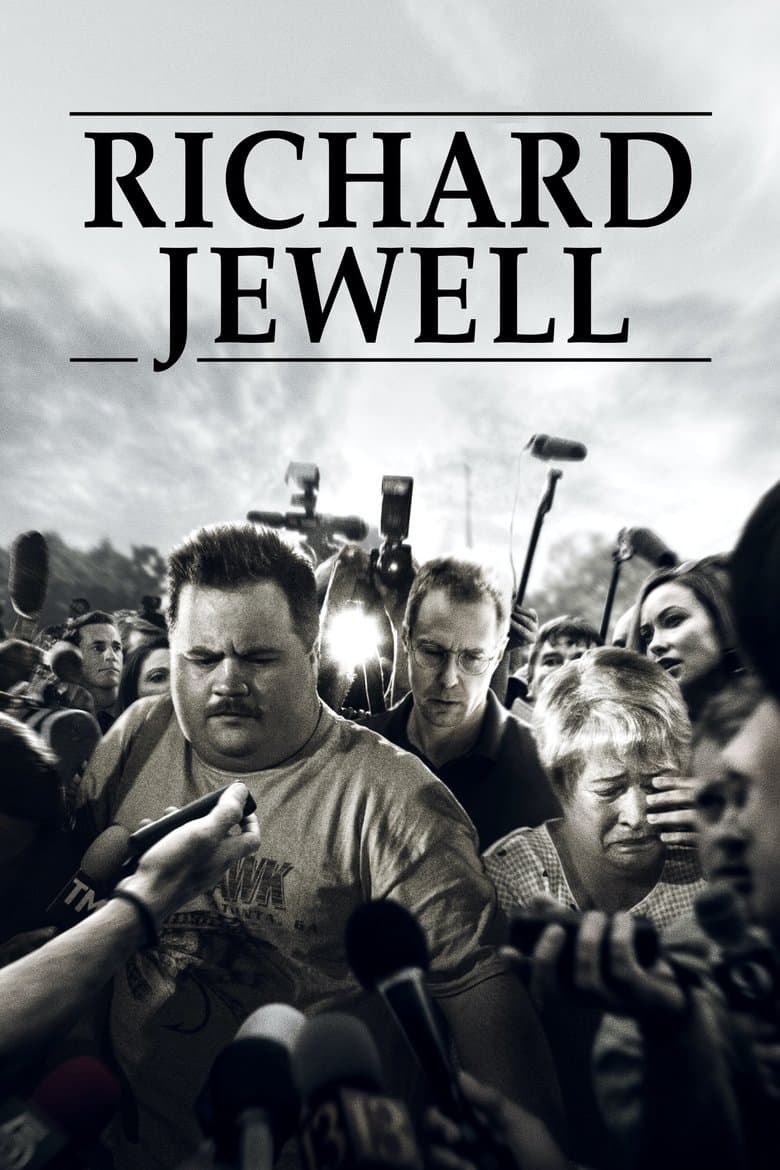
Richard Jewell thinks quick, works fast, and saves hundreds, perhaps thousands, of lives after a domestic terrorist plants several pipe bombs and they explode during a concert…
Movie · 2024
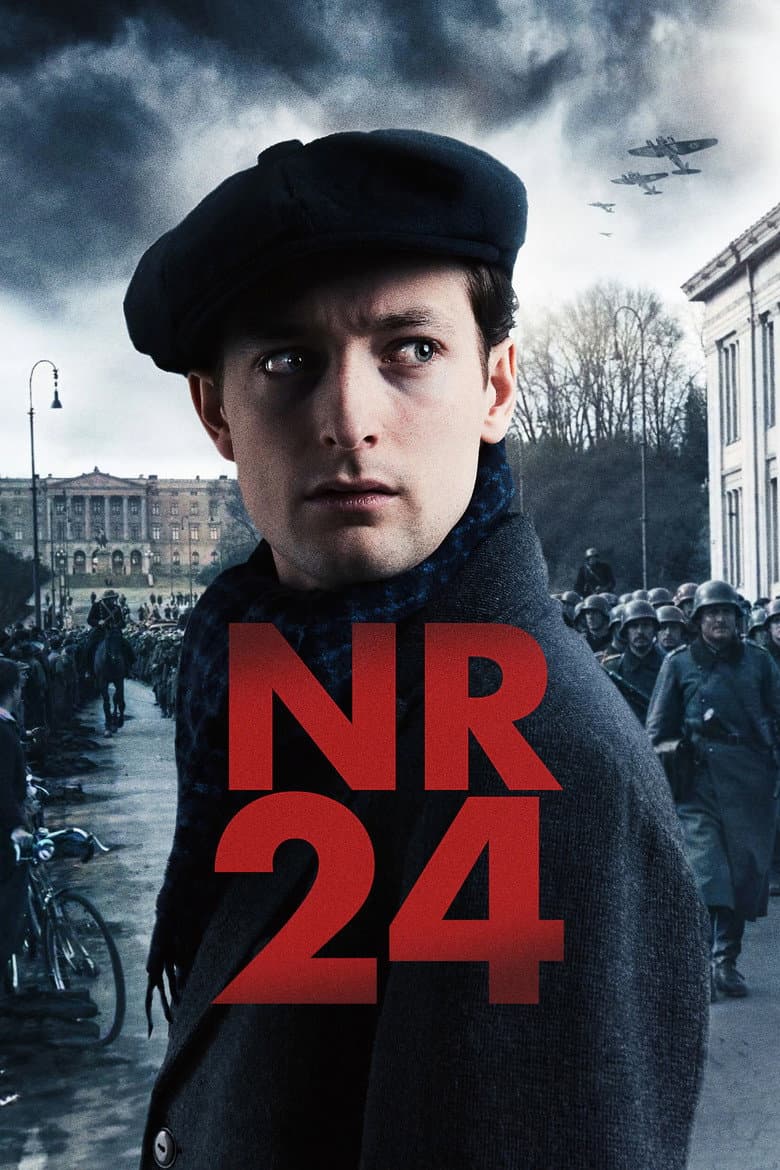
On the brink of the Second World War, a young Norwegian man's drive to resist the Nazis sets a new course for his future – and the future of his country.
Movie · 2022
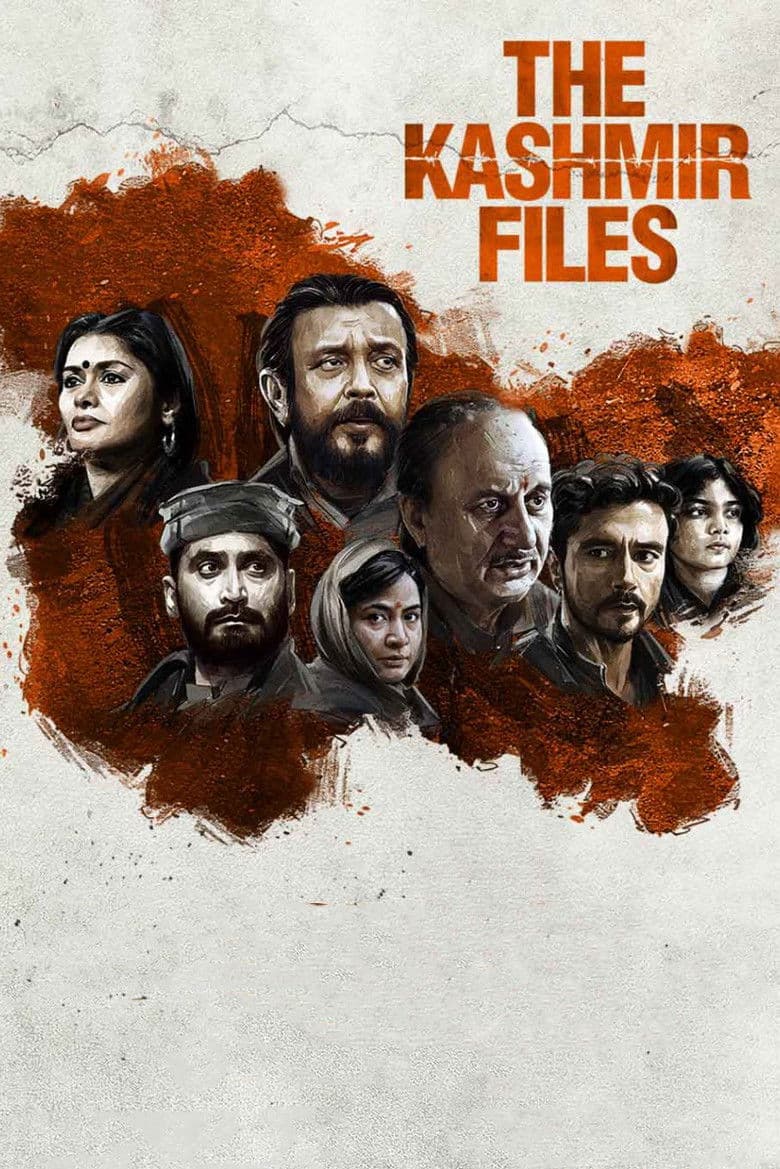
Based on a true tragedy, the emotionally triggering film sheds light on the plight of Kashmiri Pandits (Hindus), a religious minority in the 1990s Kashmir valley, who were…
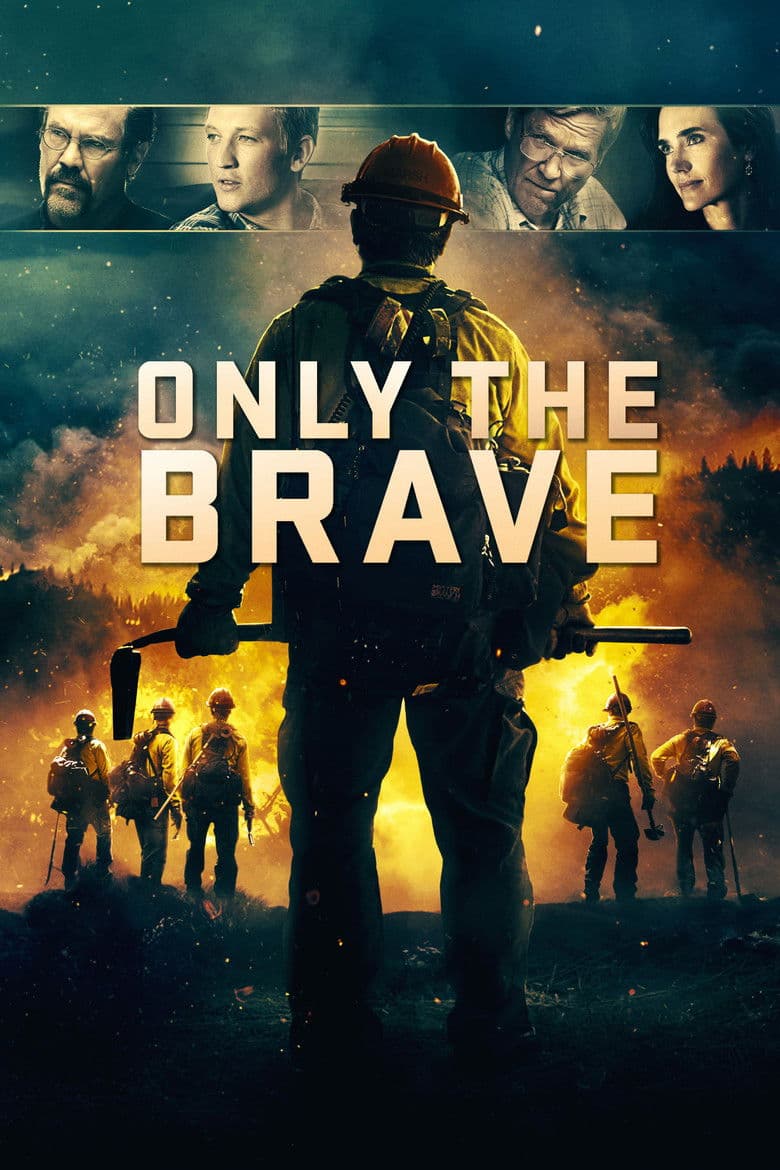
Movie · 2017
Members of the Granite Mountain Hotshots battle deadly wildfires to save an Arizona town.
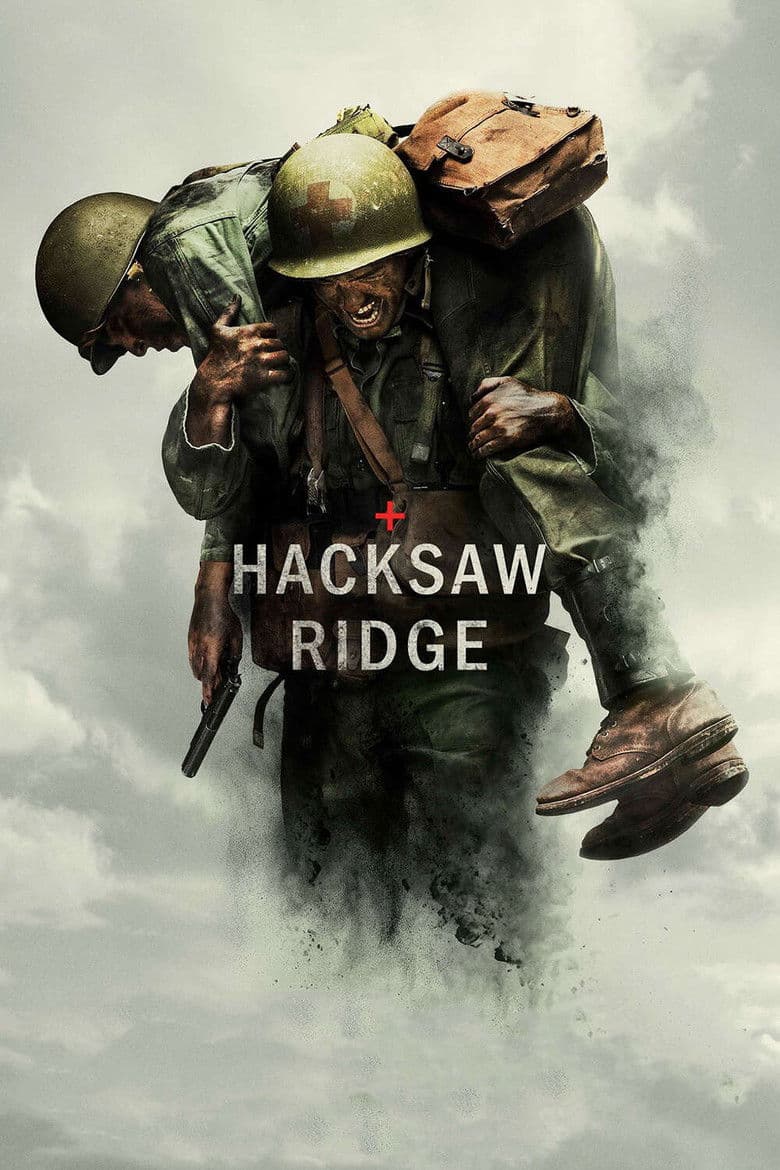
Movie · 2016
WWII American Army Medic Desmond T. Doss, who served during the Battle of Okinawa, refuses to kill people and becomes the first Conscientious Objector in American history to…
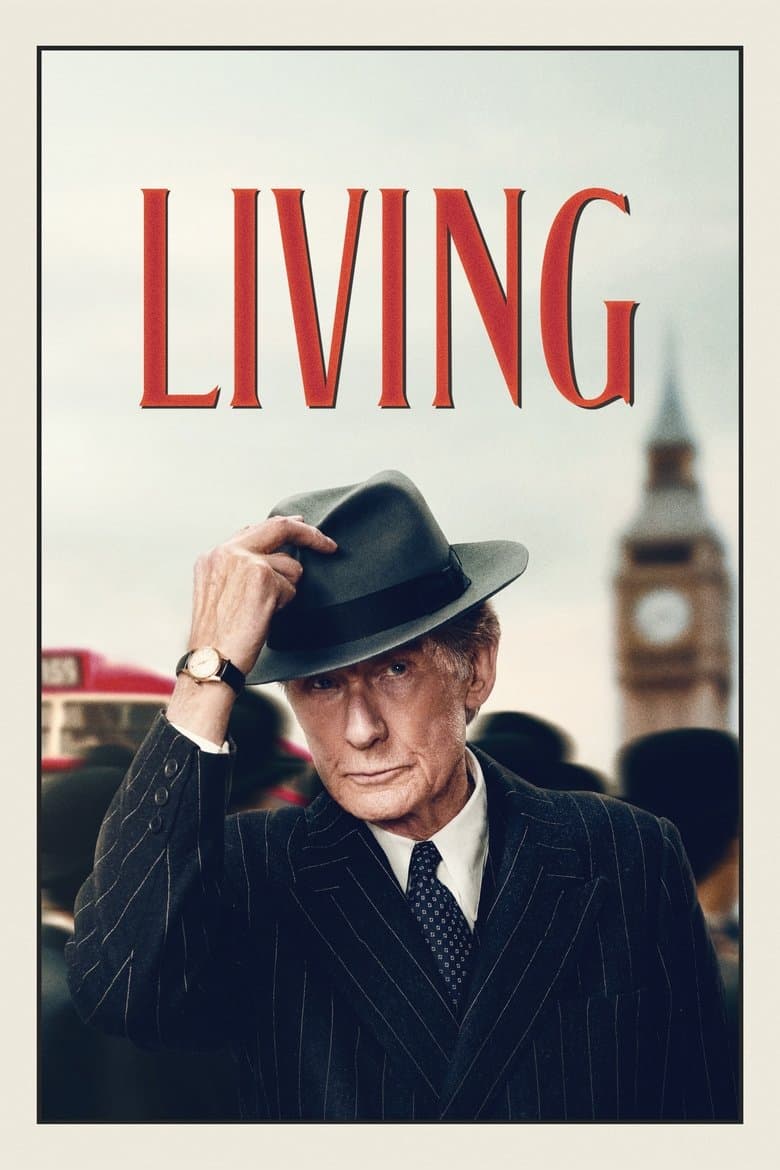
Movie · 2022
London, 1953. Mr. Williams, a veteran civil servant, is an important cog within the city's bureaucracy as it struggles to rebuild in the aftermath of World War II.

Movie · 2023
The story of J. Robert Oppenheimer's role in the development of the atomic bomb during World War II.
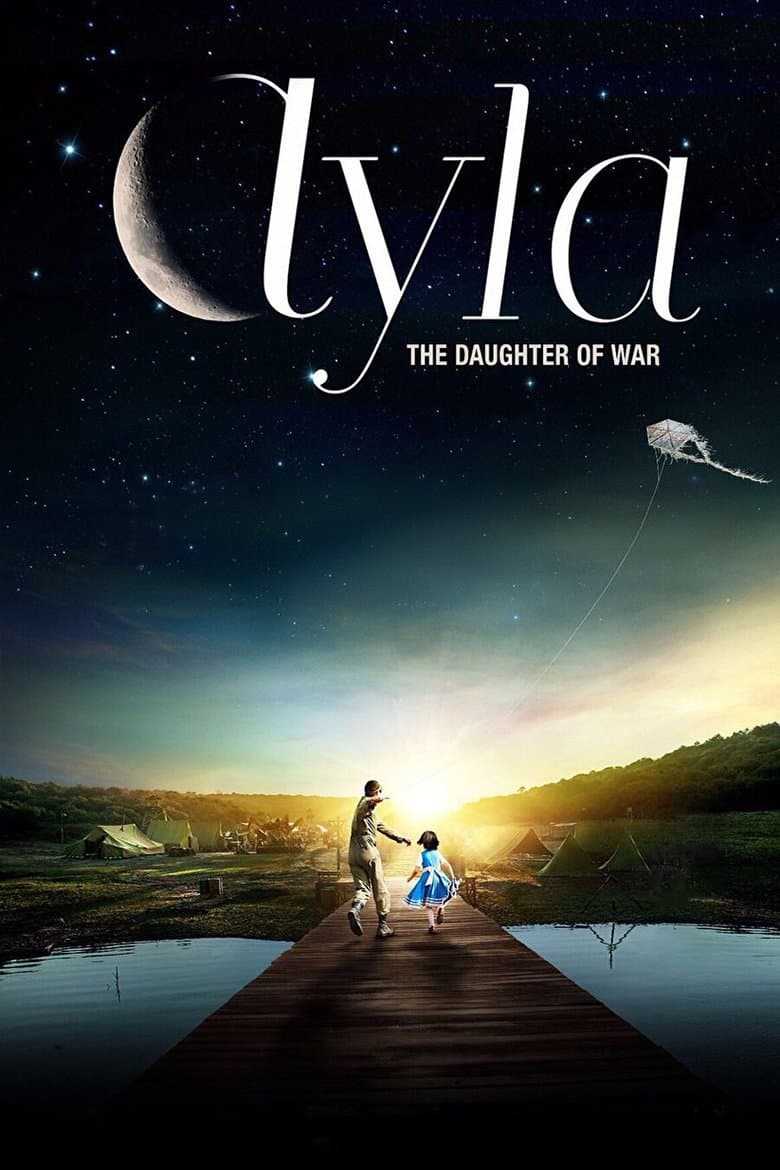
Movie · 2017
In 1950, amidst the ravages of the Korean War, Sergeant Süleyman stumbles upon a a half-frozen little girl, with no parents and no help in sight and he risks his own life to save…
