
Henry is a quiet New Orleans architect who loses his pregnant wife Penny in a sudden car crash. He feels empty and stops caring about his work and his home. He meets Millie, a homeless teenage girl who wants to build a raft and sail across the Atlantic to find her father. The film uses a sad but playful tone as the two strangers work around Henry’s house and in nearby yards. New Orleans gives the story a rough, warm, and strange backdrop.
Millie leads the raft project and often speaks with more courage and clear purpose than Henry. Penny also appears as a lively woman who pushes Henry to take risks and live with more feeling. Henry brings the building skill that makes Millie’s plan possible, but the two depend on each other. Their friendship stays non-romantic as they face death, poverty, fear, and broken family ties. The film ends by treating their shared journey as a way to heal and start again.
Community feedback
Was our 4% Woke rating accurate?
Breakdown
These are the editorial factors and ratings behind our score for The Book of Love.
Woke representation / casting
Not present. The film has a mostly white lead cast with black supporting characters in a modern New Orleans story. The film does not frame its casting as a diversity message or repeat identity-based lead choices.
0%
Woke political dialogue
Not present. No modern lines push DEI, identity politics, gender activism, or another activist cause. The dialogue mainly covers grief, family, work, and the raft.
0%
Identity-driven story themes
Not present. The plot uses Millie’s determination and Penny’s lively nature to tell a story about grief and healing. It does not argue about gender, race, sexuality, or group identity.
0%
Western institutional / cultural critique
Not present. The film shows grief, poverty, and family failure through its characters. It does not turn those problems into a repeated attack on Western institutions, men, Christianity, capitalism, or traditional social rules.
0%
Woke character or canon changes
Not relevant. This is an original drama about Henry and Millie, not a retelling of established characters or real historical events. No identity-based canon change is part of the film.
0%
Anti-woke backlash and complaints
Not present. No verified anti-woke complaints were found. X showed no anti-woke reaction, and other public discussion focused on weak writing, accents, or an unlikely friendship. No news or audience source tied the movie to DEI, identity politics, or left-wing messaging.
0%
Creator track record context
Bill Purple and Robbie Pickering have little public evidence of activist or DEI work. Jessica Biel and Michelle Purple have public work tied to women’s health and strong female voices. Kirstin Winkler has Stonewall in her producing history, but her record is mixed and not defined by identity politics. Most of the other listed producers have little public activist or DEI history. This gives mild supporting context, not proof of the film’s message.
20%
Production

Movie · 2022
A quiet, neglected girl is sent away from her dysfunctional family to live with relatives for the summer. She blossoms in their care, but in this house where there are meant to be…

Movie · 2017
Members of the Granite Mountain Hotshots battle deadly wildfires to save an Arizona town.

Movie · 2026
While people across 1990s Iraq struggle to survive the war and food shortages, Saddam Hussein requires each school in the country to prepare a cake to celebrate his birthday.
Movie · 2020
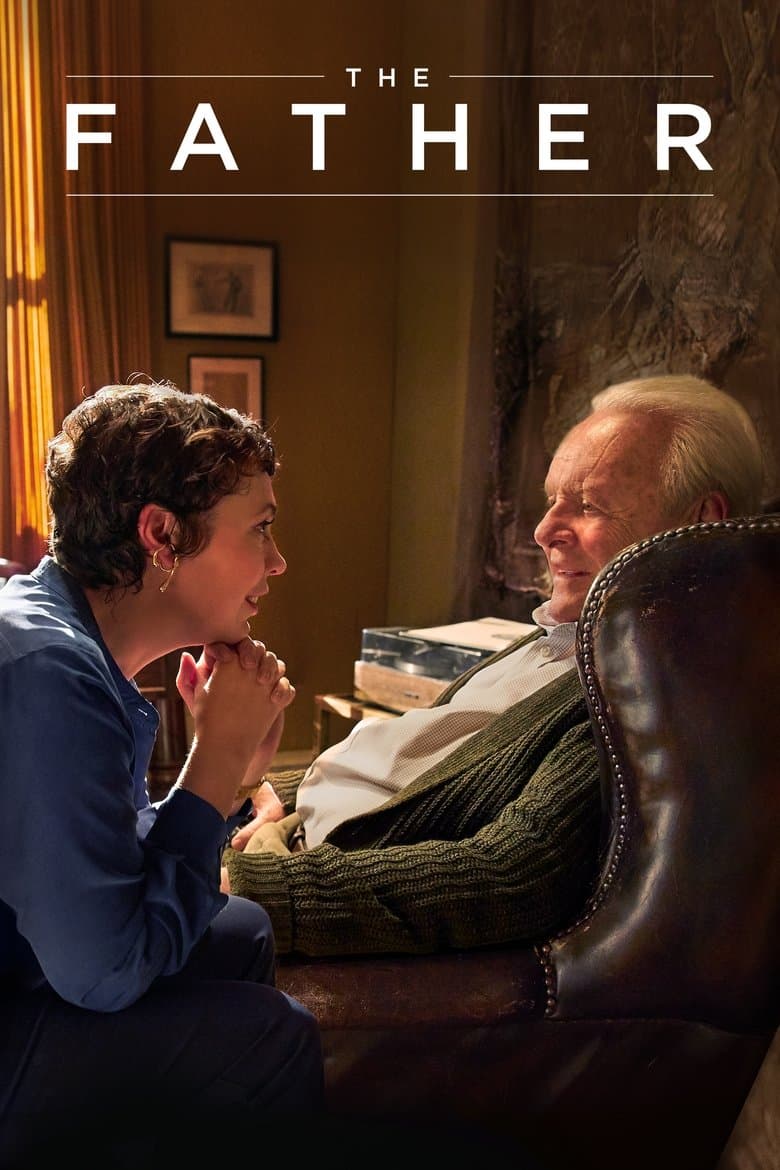
A man refuses all assistance from his daughter as he ages and, as he tries to make sense of his changing circumstances, he begins to doubt his loved ones, his own mind and even…

Movie · 2017
In 1950, amidst the ravages of the Korean War, Sergeant Süleyman stumbles upon a a half-frozen little girl, with no parents and no help in sight and he risks his own life to save…

Movie · 2016
After his older brother passes away, Lee Chandler is forced to return home to care for his 16-year-old nephew.

Movie · 2024
On the brink of the Second World War, a young Norwegian man's drive to resist the Nazis sets a new course for his future – and the future of his country.
Movie · 2022
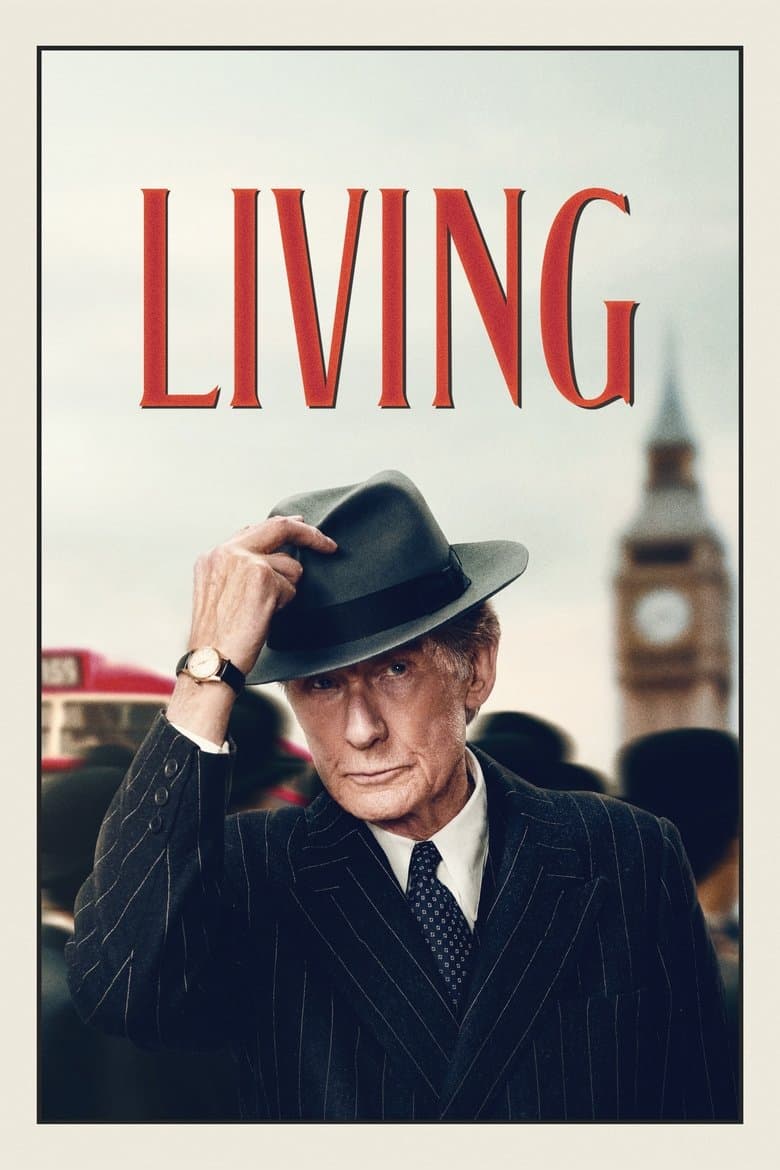
London, 1953. Mr. Williams, a veteran civil servant, is an important cog within the city's bureaucracy as it struggles to rebuild in the aftermath of World War II.
