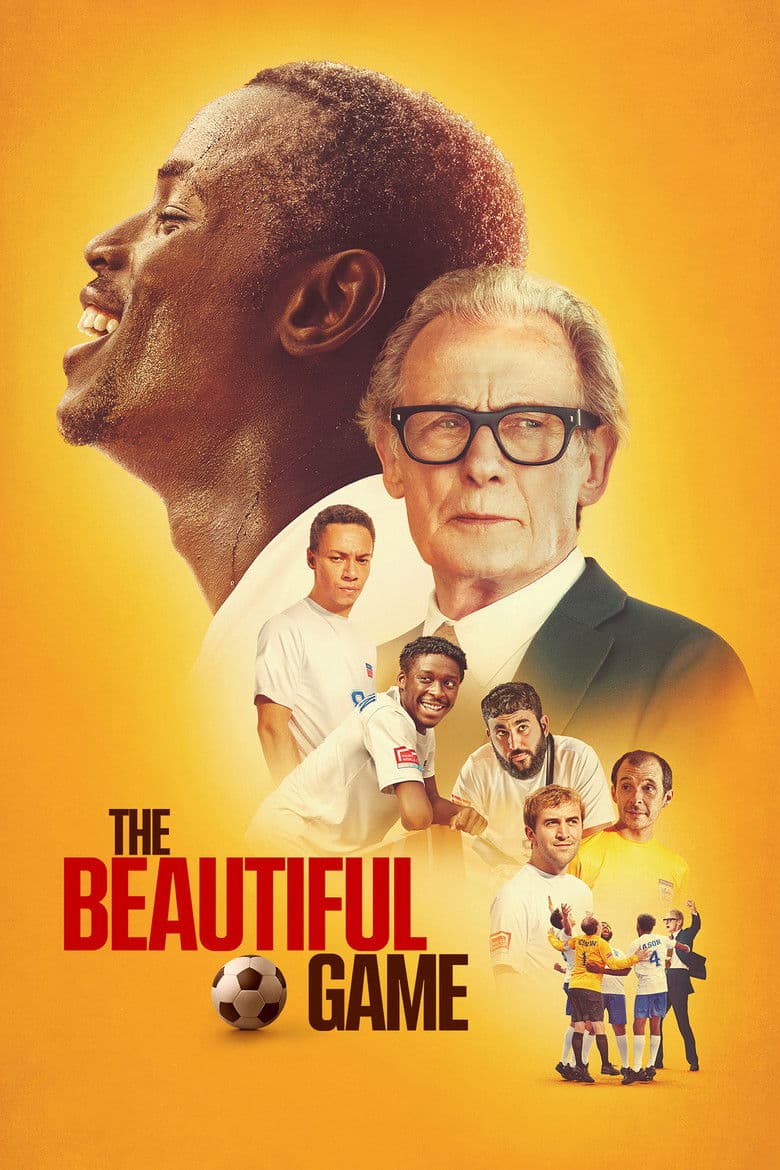
The Beautiful Game follows Vinny, a gifted former football player who sleeps in his car and hides his homelessness. Coach Mal recruits him for England’s team at the Homeless World Cup in Rome. Vinny must face his pride, his lost career, and his fear of letting down his young daughter. The film mixes jokes, football, grief, addiction, and a warm second-chance story.
The film puts homeless people and people in recovery at the center, and it asks viewers to see their lives with care. It presents football as a way to build trust, restore pride, and help people belong again. Teams from many countries, a women’s American team, a young Japanese woman coach, and a South African team led by a nun make the tournament visibly diverse. These choices support the film’s message about community and hope, but the story stays focused on sport and personal change rather than modern identity politics.
Community feedback
Was our 29% Woke rating accurate?
Breakdown
These are the editorial factors and ratings behind our score for The Beautiful Game.
Woke representation / casting
The film gives prominent roles to a black British striker, a Latina American star, a young Japanese woman coach, and a Black South African nun who leads her team. Women are shown as players and leaders, but England’s core team is still mostly male. The international tournament and the real event support these choices within the story, and the film does not frame the casting as a wider diversity campaign.
16%
Woke political dialogue
The opening speech says the players represent homeless people around the world. It says sport can build a better world and that hope can change lives. Mal and Vinny also talk about second chances, belonging, and people who have fallen through the cracks. The lines support a humanitarian cause, but they do not push gender, race, DEI, or party politics.
18%
Identity-driven story themes
The film’s central theme is that homeless people, refugees, addicts, and people who failed to reach professional dreams deserve dignity and another chance. Vinny learns that his teammates are not losers and that belonging matters more than personal fame. The film asks viewers to change how they see people without homes. This is a recurring social inclusion message, but it is not built around race, gender, sexuality, or current identity politics.
30%
Western institutional / cultural critique
The film says young players can be sold a professional dream without enough support when that career ends. It shows homelessness as a result of addiction, family crisis, refugee trauma, and lost chances rather than simple moral failure. It suggests society often overlooks people living on the street. These points criticize neglect and stigma, but the film does not repeatedly attack capitalism, patriarchy, Christianity, or Western institutions.
16%
Woke character or canon changes
Not relevant. The film uses fictional players in a real tournament. It does not change a known character, source role, or historical figure.
0%
Anti-woke backlash and complaints
Not present. The X research pass found no movie-specific anti-woke posts. Wider searches found no clear boycott, review-bombing, or complaint that the film pushes DEI or identity politics.
0%
Creator track record context
Thea Sharrock and Frank Cottrell Boyce mainly have craft-focused careers with broad social concern, not strong identity activism. Colin Farrell has a clear record of LGBTQ+ rights work, and Mario Gianani and Lorenzo Gangarossa have made some gender-focused projects. Most other producers and casting directors have little public political activity. The combined context is mildly progressive, but it does not show a strong activist pattern.
24%
Production
Movie · 2022
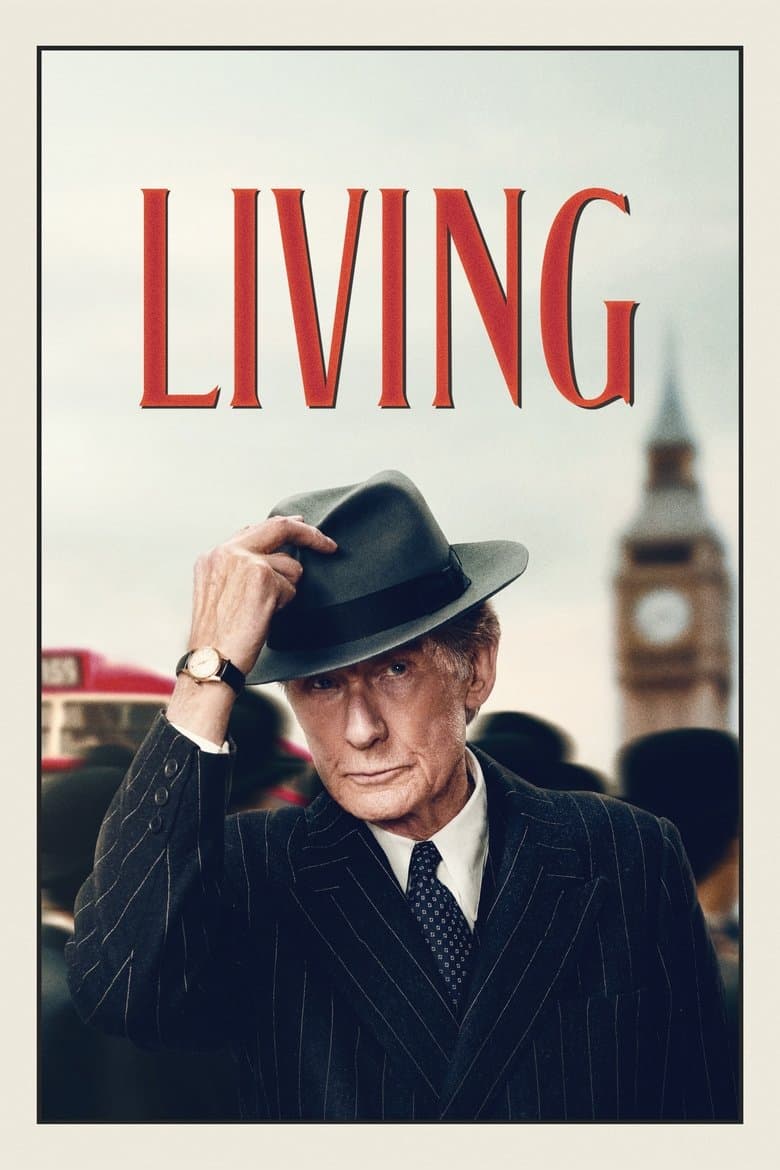
London, 1953. Mr. Williams, a veteran civil servant, is an important cog within the city's bureaucracy as it struggles to rebuild in the aftermath of World War II.
Movie · 2022
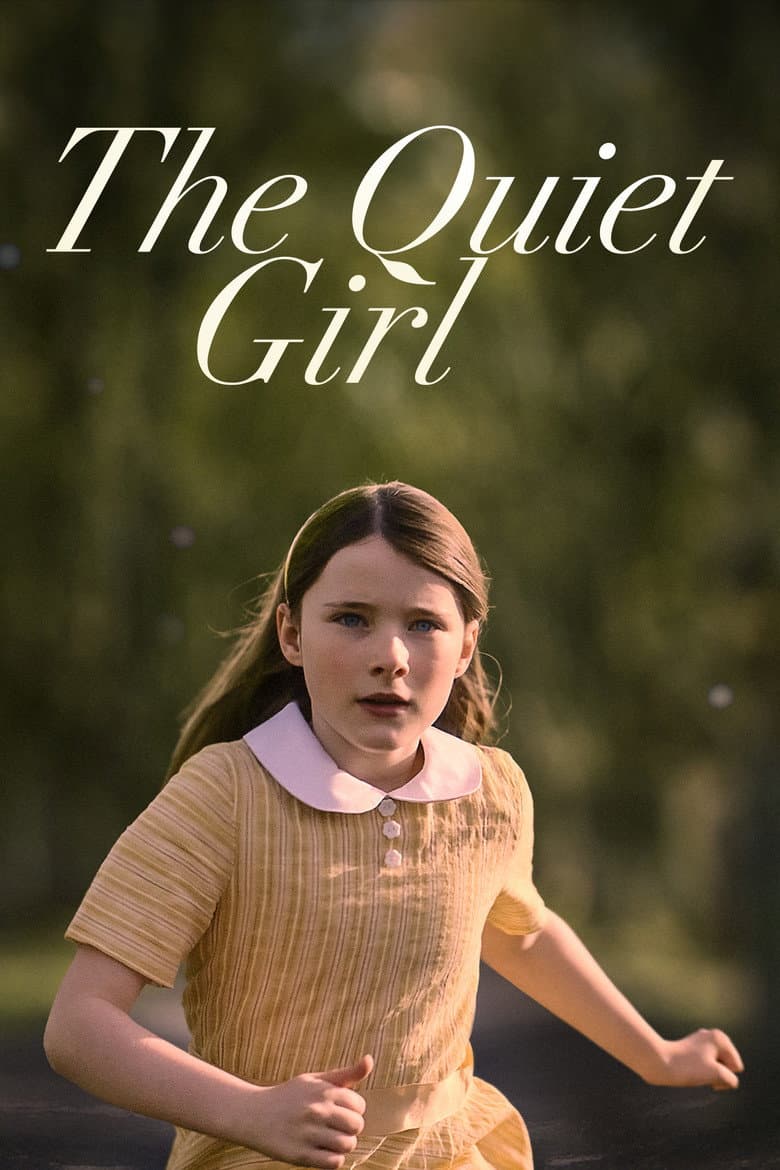
A quiet, neglected girl is sent away from her dysfunctional family to live with relatives for the summer. She blossoms in their care, but in this house where there are meant to be…
Movie · 2026
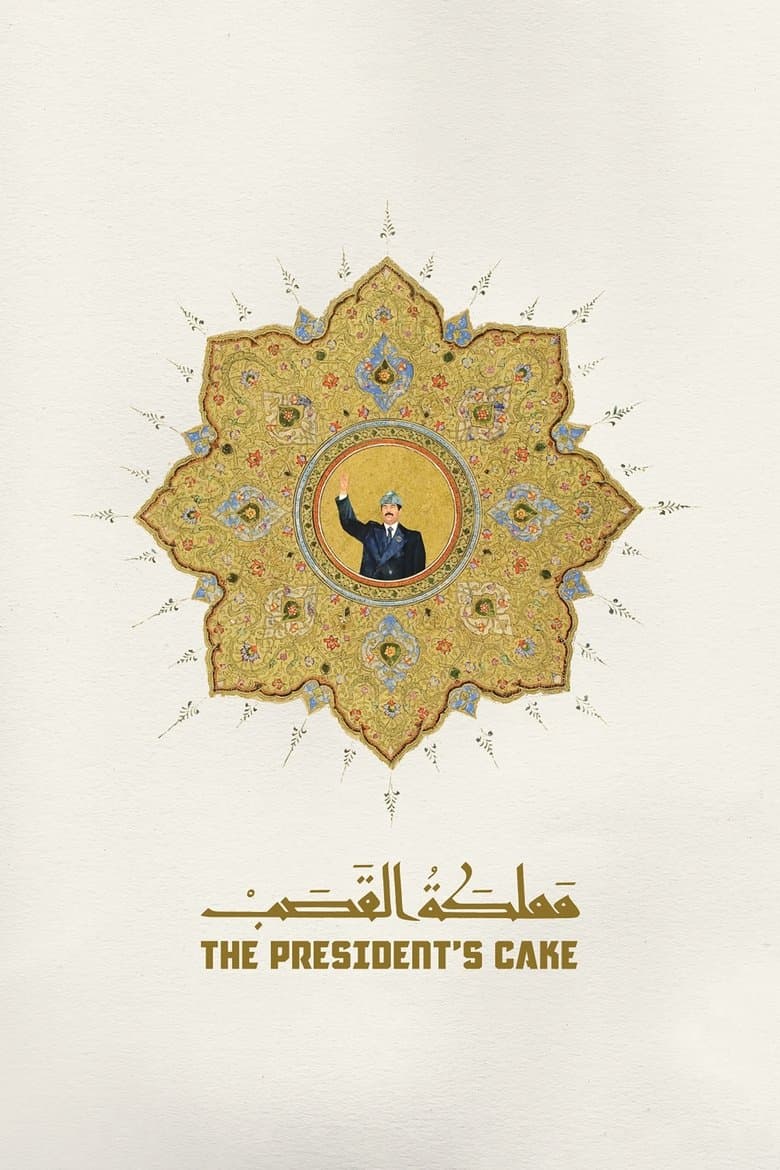
While people across 1990s Iraq struggle to survive the war and food shortages, Saddam Hussein requires each school in the country to prepare a cake to celebrate his birthday.
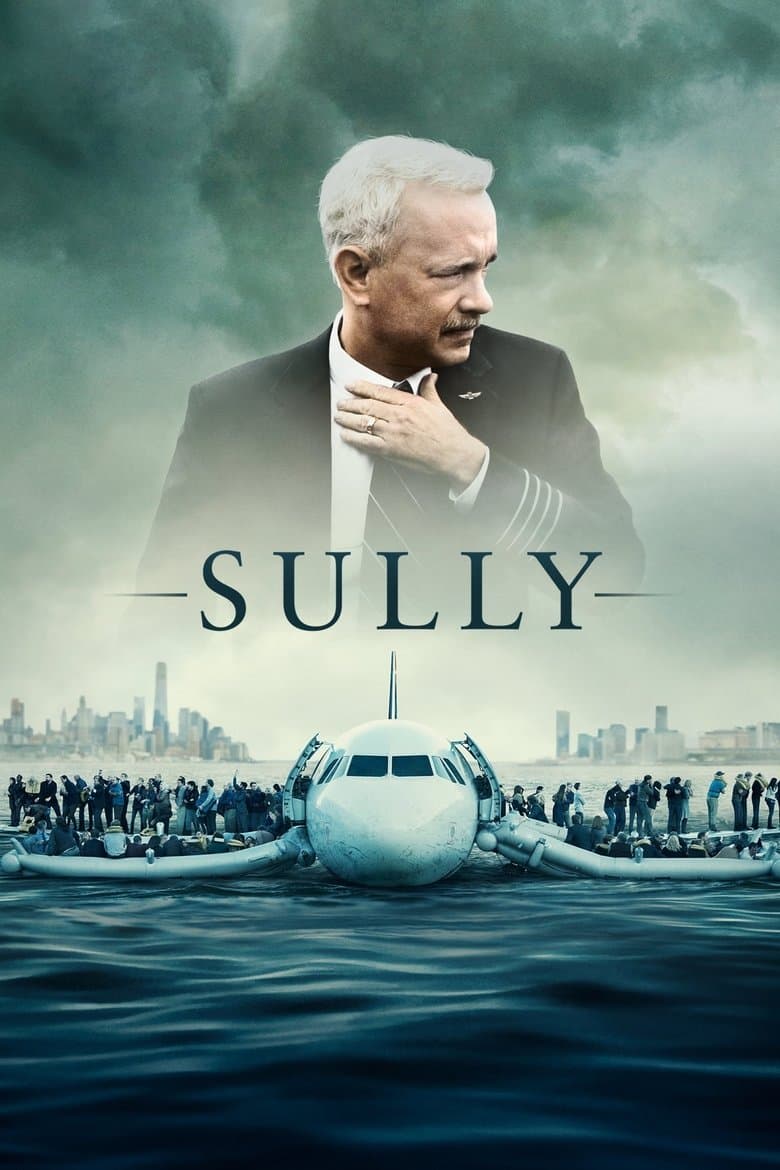
Movie · 2016
On 15 January 2009, the world witnessed the 'Miracle on the Hudson' when Captain 'Sully' Sullenberger glided his disabled plane onto the Hudson River, saving the lives of all 155…
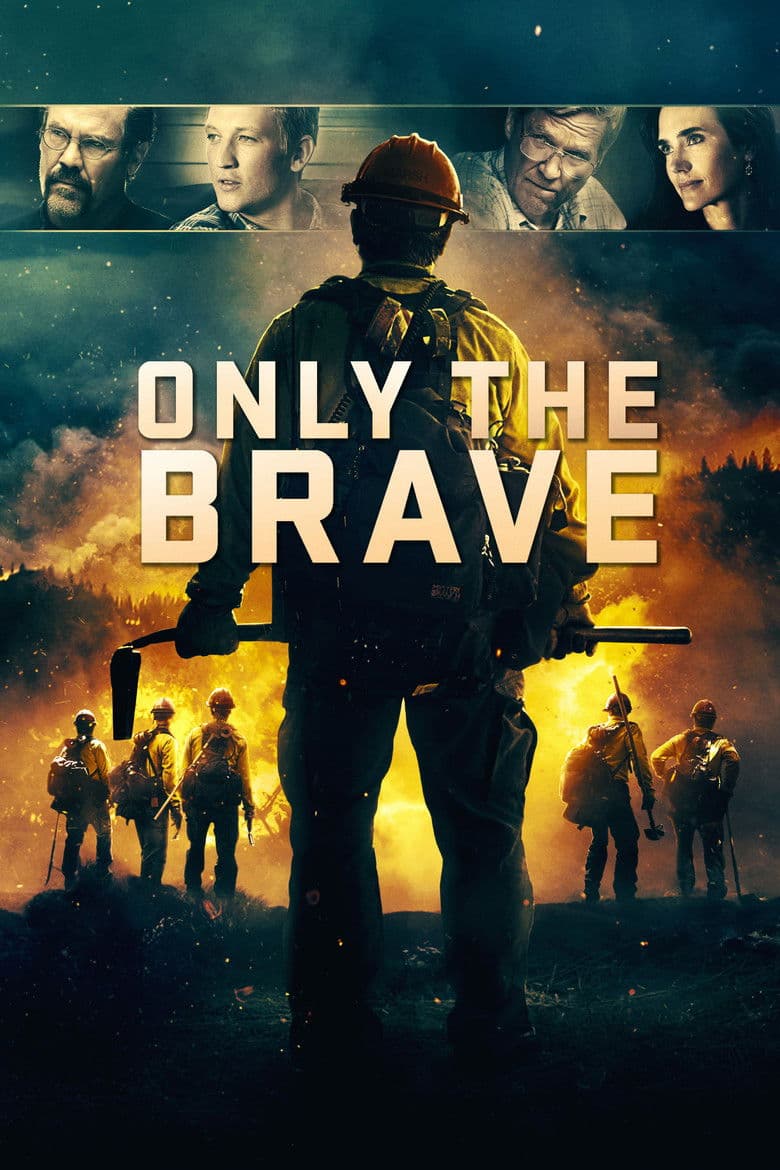
Movie · 2017
Members of the Granite Mountain Hotshots battle deadly wildfires to save an Arizona town.
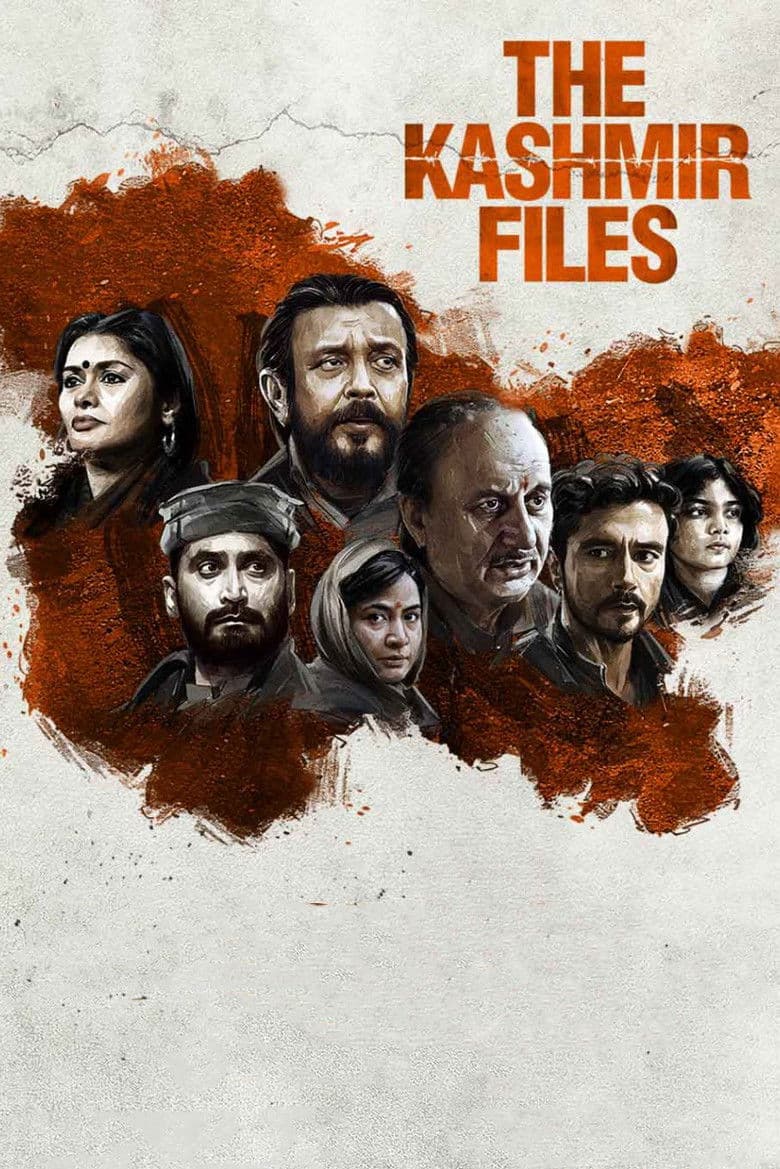
Movie · 2022
Based on a true tragedy, the emotionally triggering film sheds light on the plight of Kashmiri Pandits (Hindus), a religious minority in the 1990s Kashmir valley, who were…
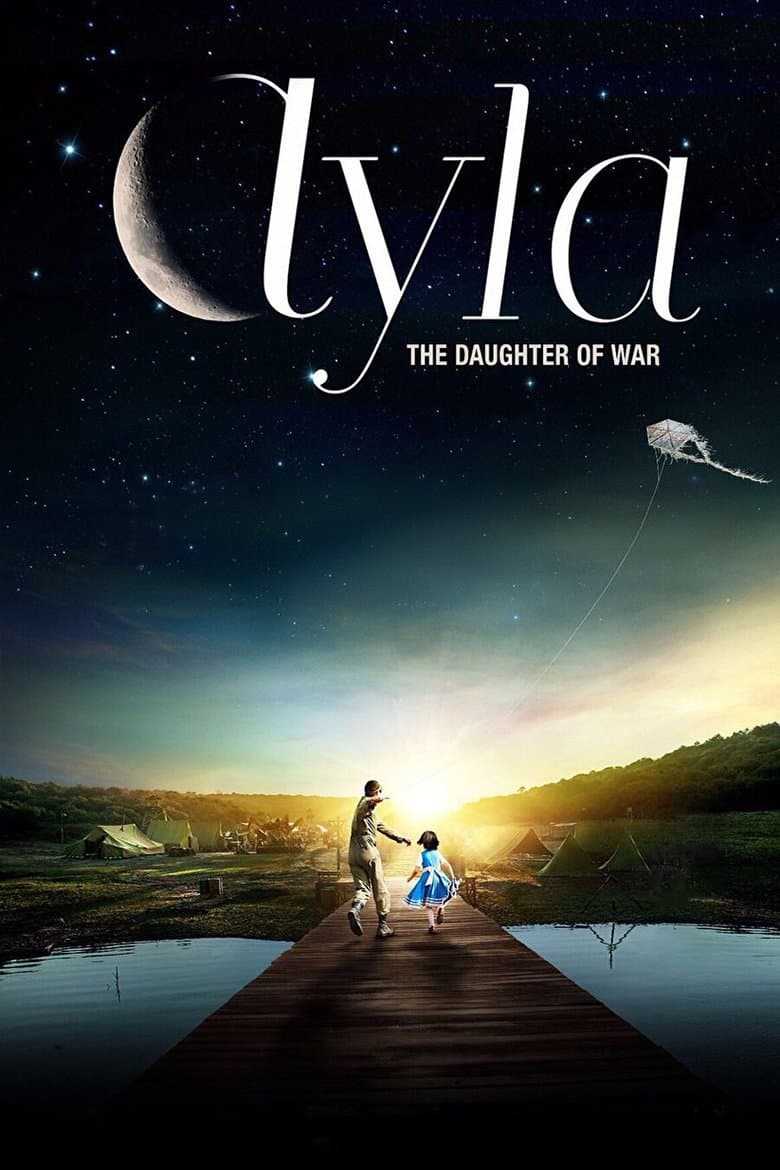
Movie · 2017
In 1950, amidst the ravages of the Korean War, Sergeant Süleyman stumbles upon a a half-frozen little girl, with no parents and no help in sight and he risks his own life to save…
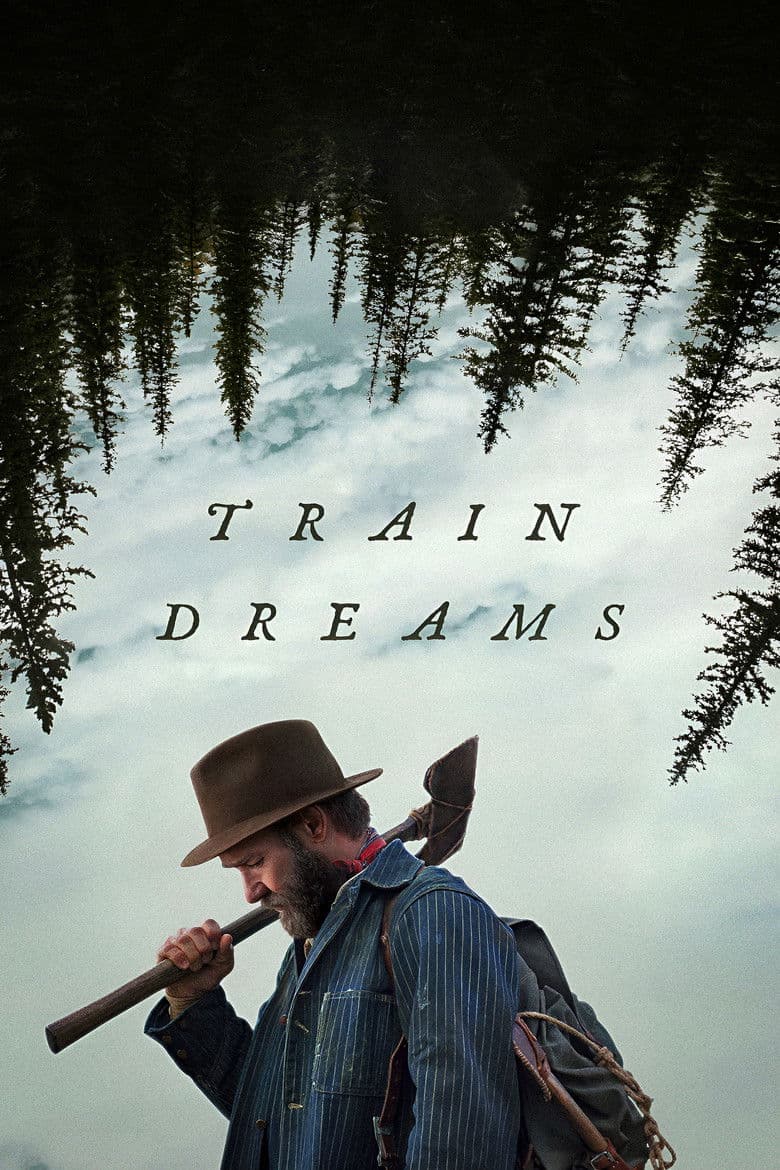
Movie · 2025
A logger leads a life of quiet grace as he experiences love and loss during an era of monumental change in early 20th-century America.
