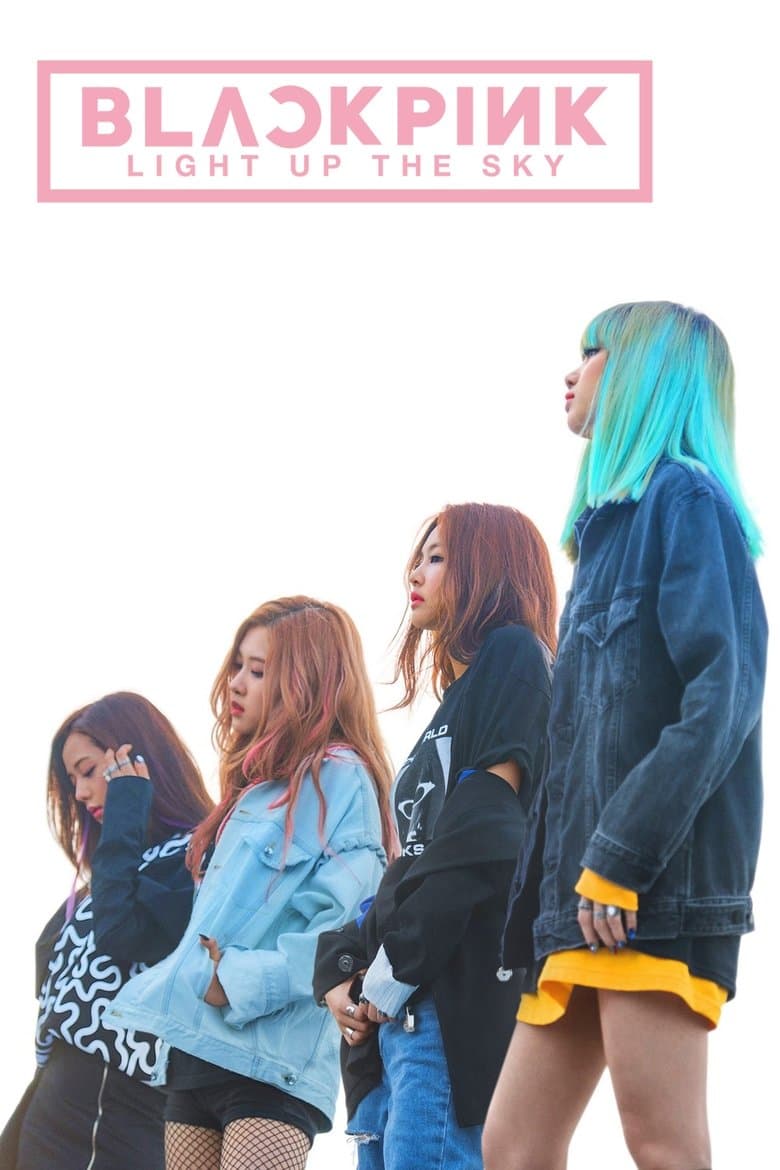
This Netflix documentary follows the four members of the Korean girl group BLACKPINK: Jisoo, Jennie, Rosé, and Lisa. It shows their years of hard training as kids, their rise after debut, and the stress of sudden global fame. Much of the story is told through interviews, old practice videos, studio work, and their big Coachella show. The tone is warm, personal, and fan-friendly, with a focus on friendship, grit, and the cost of living as idols.
The film is mainly a music success story about hard work, homesickness, rivalry, and finding each other as a team. Viewers hear about long training days, loneliness at the top, and pride when fans around the world sing in Korean. The members’ different home countries and languages come up as part of who they are and why the group feels global. Soft “follow your dream” energy and pride in four young women breaking records sit in the background, but the movie does not turn into a lecture on politics or identity. A normal viewer would notice hard work, fame pressure, and girl-group teamwork far more than any activist message.
Community feedback
Was our 13% Woke rating accurate?
Breakdown
These are the editorial factors and ratings behind our score for BLACKPINK: Light Up the Sky.
Woke representation / casting
Real band members, not cast like a fiction film for diversity quotas. Their different countries and languages are true and shown as part of the group’s story. That is mild global-identity flavor, not race or gender swaps or forced casting of made-up roles.
0%
Woke political dialogue
Talk centers on training pain, fame stress, dreams, friendship, and studio work. Almost no activist or left-right political speeches. Soft “work hard and dream big” lines are personal, not campaign talk.
0%
Identity-driven story themes
Core theme is rise to fame, hard training, and four distinct personalities. Mild girl-power pride and pride in a global, multi-background group show up, but race, queer, or modern identity politics do not drive the plot. A viewer notices grit and stardom first.
10%
Western institutional / cultural critique
Some honest talk about harsh trainee life and the pressure of idol work. The opening also plays with, then flips, sexist outsider views of girl groups. That is light industry and image critique, not a modern attack on Western culture, faith, or “the system” as ideology.
10%
Woke character or canon changes
Not present in this title.
0%
Anti-woke backlash and complaints
No clear anti-woke or right-leaning campaign treating this documentary as woke propaganda, DEI messaging, or identity politics. Public talk was mostly fans, charts, and how personal the film felt.
0%
Creator track record context
Lead director Suh has a moderate gender-equity record (about 45) and producer Mones similar (about 38); co-director and several producers score near zero. Overall crew context is mild-to-moderate, and their public talk about this film stayed on hard work and humanizing the stars.
24%
Production

Movie · 2021
Through exclusive interviews and archival footage, this documentary traces an intimate portrait of seven-time Formula 1 champion Michael Schumacher.

Movie · 2025
Those who knew iconic funnyman John Candy best share his story, in their own words, through never-before-seen archival footage, imagery, and interviews.
Movie · 2021
Bob Ross brought joy to millions as the world's most famous art instructor. But a battle for his business empire cast a shadow over his happy trees.
Movie · 2016
With stunning views of eruptions and lava flows, Werner Herzog captures the raw power of volcanoes and their ties to indigenous spiritual practices.
Movie · 2023
A courageous pastor uses his underground network to rescue and aid North Korean families as they risk their lives to embrace freedom.

Movie · 2017
While investigating the furtive world of illegal doping in sports, director Bryan Fogel connects with renegade Russian scientist Dr.
Movie · 2022
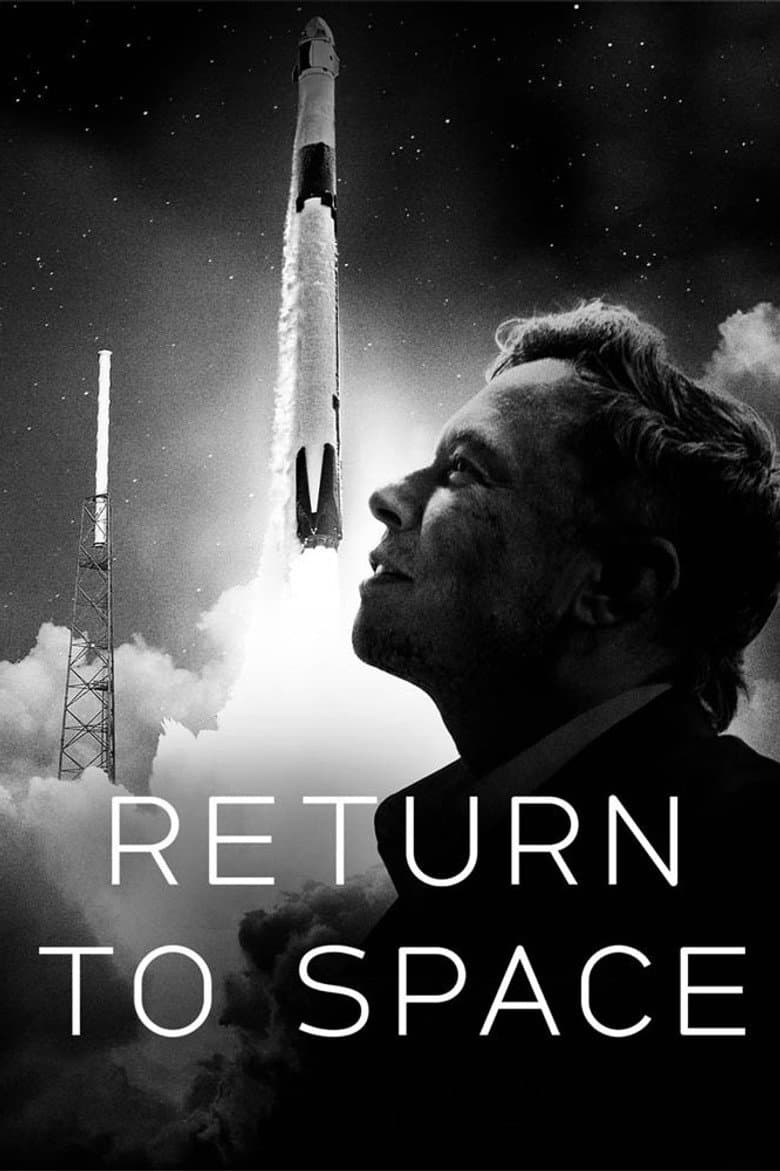
The inspirational rise of SpaceX as well as Elon Musk's two-decade effort to resurrect America’s space travel ambitions.

Movie · 2023
The remarkable coming-of-age story of Stephen Curry—one of the most influential, dynamic, and unexpected players in basketball history—and his rise from an undersized college…
